It was a classic case of ‘buy the rumor, sell the news.’ Even though the Fed did cut interest rates again and a deal between China and the U.S. was announced, investors failed to celebrate.
Markets were bid up in anticipation of these events long before they happened. A Fed cut has been in the works for approximately a month. Expectations that the two largest economies in the world would reach a satisfactory arrangement were also well telegraphed as early as last week. On Sunday, Scott Bessent, the U.S. Treasury Secretary, all but said the deal is in the bag.
However, investors did not get all they wanted in either case. Markets had already priced in another rate cut in December with an 87% probability. And then came the comments by Fed Chair Jerome Powell in the Q&A session after the FOMC meeting. “A further reduction in the policy rate at our December meeting is not a foregone conclusion—far from it. Policy is not on a preset course.”
Oops, said the markets. By the close on Wednesday, the chance of a cut dropped to roughly 60% and markets opened lower on Thursday as a result. It also didn’t help that two of the largest tech stocks in the universe, Microsoft and Meta, disappointed investors, causing a loss of over 1% in the NASDAQ.
And then there was the deal between Presidents Trump and Xi on Thursday. The two leaders agreed to roll back a bunch of trade barriers that had never been implemented. These tit-for-tat, double-dare threats between the two nations ultimately proved to be just that. The sweeping controls on rare-earth magnets and draconian restrictions on Chinese companies disappeared like hot air, at least for the next year. However, there was some good news for soybean farmers (including Scott Bessent) as China will resume purchases.
The administration and the media hailed the latest truce as groundbreaking, but I don’t see it. No agreements were committed to paper, so there is no legal binding on anything. Their fundamental differences over Taiwan, technological supremacy, and national security were not even mentioned.
To me, this so-called framework allows both leaders a win. Beijing gets to continue stringing things along, buying itself even more time to mitigate any potential downside of U.S. actions against it. Evidently, the markets agreed, as both Chinese and American stocks fell after the announcements.
The shutdown continues. Supplemental Nutrition Assistance Program (SNAP) benefits cease at the end of Friday, impacting one out of eight Americans. Saturday marks the start of the open enrollment period for healthcare programs under the Affordable Care Act. Look for numerous stories next week about the higher premiums for insurance that many of the 24.3 million on the ACA will need to pay.
The president, suddenly appearing concerned over the shutdown, posted that it is time to eliminate the Senate filibuster, stating, “The choice is clear—initiate the nuclear option.” There has been a slight thawing of the congressional ice jam, but make no mistake, it is not about those issues.
The facts are, as I have said in the past, November marks a period leading up to Thanksgiving when air traffic increases. Air traffic controllers have not been paid. Newark already shut down for a day this week due to a lack of personnel in the tower. This is one area of the government shutdown that could generate significant blowback, as thousands of inconvenienced travelers are suddenly confronted with flight delays.
Fortunately for the markets, the earnings of Apple and Amazon beat expectations after the close on Thursday. That reversed the damage, and the markets recouped nearly all their losses only to drop gain. Strong third-quarter earnings are supporting the markets. With more than 60% of companies reported thus far, over 84% have beaten estimates by a wide margin.
Entering November, markets continue higher. The only difference that I can see is that the gains have slowed, and markets are alternating between some down and some up days. The same drivers, AI and tech, continue to lead, with a few other sectors alternating between gains and losses.
Precious metals have slowed their free-fall and are now consolidating. I suspect they could still see lower prices, so be careful. Cryptocurrencies are doing the same. Overall, I advise readers not to chase here but only add on dips like we had on Thursday (1% or more in the averages).
Bill Schmick is a founding partner of Onota Partners, Inc., in the Berkshires.Bill’s forecasts and opinions are purely his own and do not necessarily represent the views of Onota Partners, Inc. (OPI).


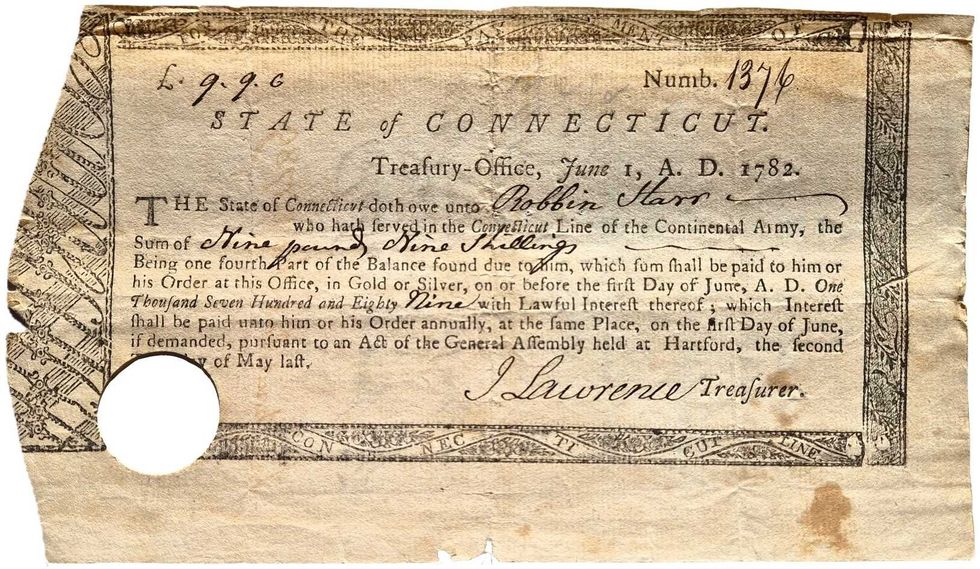 Pay Bill for Robin Starr’s service in the Continental Army.Courtesy the Alex Breanne Corporation
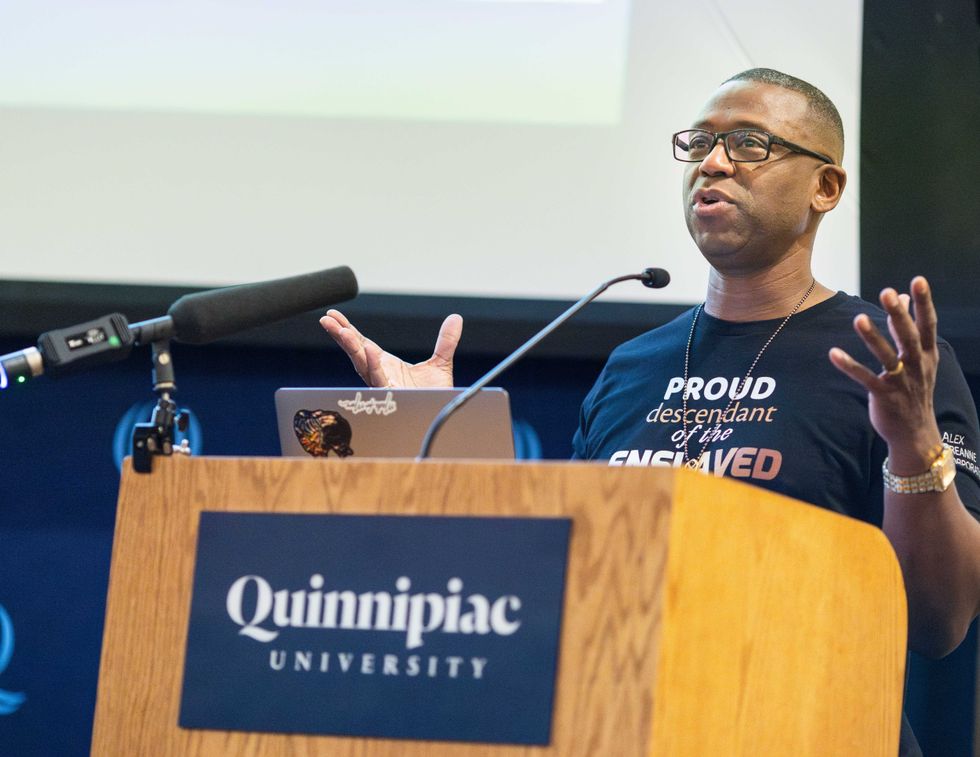 John Mills speaking at Quinnipiac University.Courtesy the Alex Breanne Corporation
 Stephanie Saetta,with her rescue dog George and Blue (left), a shepherd mix awaiting his forever home.Madi Long
 Blue, a 7 year-old Shepard mix, is waiting for his forever home. Madi Long