If there were no other compelling reason to vote for Barack Obama, the composition of the Supreme Court is cause enough. At least one vacancy on the nine-member court is likely during the next presidential term (Justice John Paul Stevens is 88). Because of the close division of the court on many constitutional issues, the nomination or nominations by the next president could have an extraordinary influence on its decisions for many years to come.
John McCain has said that he would appoint judges with a strong conservative philosophy. Such a person could swing the decisions of the Supreme Court to the right on a host of constitutional issues that have arisen during the Bush administration, involving the powers of the president, the sanctity of treaties such as the Geneva Convention and subsidiary matters, such as torture and detention at Guantánamo Bay.
This is not to mention possible reversal of the controversial Roe v. Wade decision covering a woman's right to obtain an abortion. Although Chief Justice John G. Roberts Jr. has been outspoken in his opposition to abortion, he might conform to the doctrine of stare decisis — let stand that which has been decided — and seek not to reopen Roe v. Wade. But there is no certainty about this and there is plenty of reason for apprehension on other major points.
u u u
The present Supreme Court is often divided 4-4 in its decisions, with Justice Anthony Kennedy supplying the swing vote depending on the issue. The replacement of a liberal member by a strong conservative would pretty much build in a 5-4 majority for many years to come.
There is no assurance about what kind of person Barack Obama would be likely to appoint to the Supreme Court. On the basis of his general philosophy I should like to think he would make his choice on the basis of legal competence and breadth of outlook, rather than party affiliation or ideology as such. Obama might surprise some of us with the scope of his thinking. The ideal appointee in my view ought to be a person of such confidence and character the he or she could be expected to exercise his good judgment in interpreting the Constitution rather than conform to any preset ideological requirement.
u u u
Having listened to the discussion between Akil Reed Amar and Todd Brewster about what would make a perfect president at the Salisbury Forum last Friday, I am not sure I know fully who such a creature would be if he or she existed. Surely he or she must be a good communicator who is not afraid to act, and he must have luck. I have the strong impression that the speakers thought Barack Obama exhibits more of the qualities than John McCain
u u u
Connecticut's Christopher Dodd has been an exemplary United States senator in most respects, but it is time for him to explain whether or why he obtained favored treatment in government-guaranteed loans because of his position. The more he delays, the more he invites the suspicion that the accusations are justified. If he made a mistake, he would win more understanding by saying so frankly.
u u u
It is distressing to read that the United States embassy in London is to be moved for security reasons from the familiar site on Grosvenor Square to a new complex set back much farther from a public road. This is a sad commentary on the age we live in. I remember when the exquisite American embassy in New Delhi, designed by Edward Durell Stone, received an award for being the most beautiful building of its times. Now the criterion is whether an embassy is secure against real or fancied terrorism.
When we visited Nicaragua with a journalistic group in 1984, the U.S. embassy in Managua was one of the most forbidding structures I had ever encountered. The whole complex was surrounded by concertina wire — that lovely concoction of barbs and razor blades — seemingly designed to keep out every living thing except cockroaches. Woe betide some poor Nicaraguan, perhaps Pepe the Plumber, who sought to conduct ordinary business with the embassy. In fact we seemed to be discouraging all contact by, and I suspect with, the common people.
Is that really the governing rule of our diplomacy, that we deal only with high eminences surrounded by all sorts of security measures and guards, meanwhile discouraging and disdaining conversations with ordinary citizens? I hope not.
u u u
Perhaps in a better world we can get away from a singular emphasis on security in favor of a broader relationship with people and their governments. Sure, we live in a dangerous world and it would be folly to neglect basic security precautions. But a fundamental premise of Obama's philosophy is that we build understanding and trust with other people by talking with them, by listening to their grievances, but doing what we can to remove causes of friction, by promoting more justice in world affairs that may help alleviate causes of terrorism. Isn't that a more hopeful approach than seeking an ever-elusive “victory� in Iraq and a solution by arms alone in Afghanistan that seems farther away the more we talk about it?
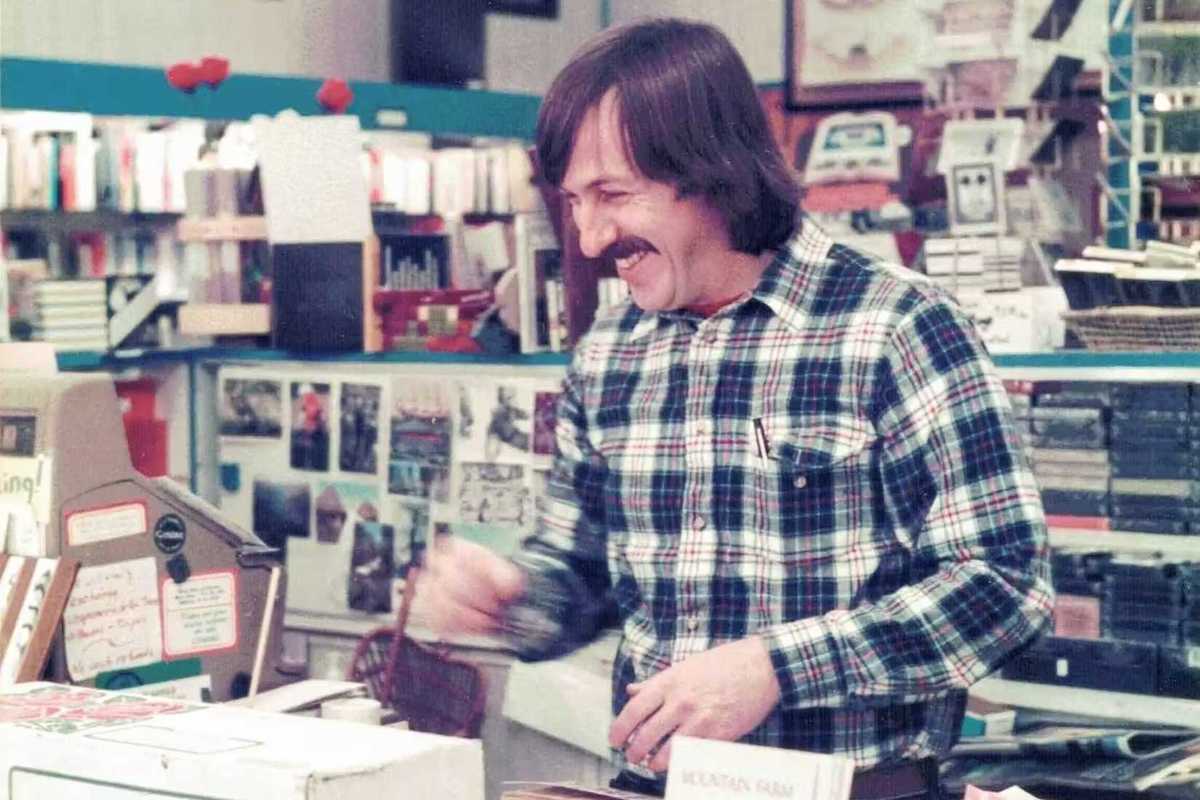
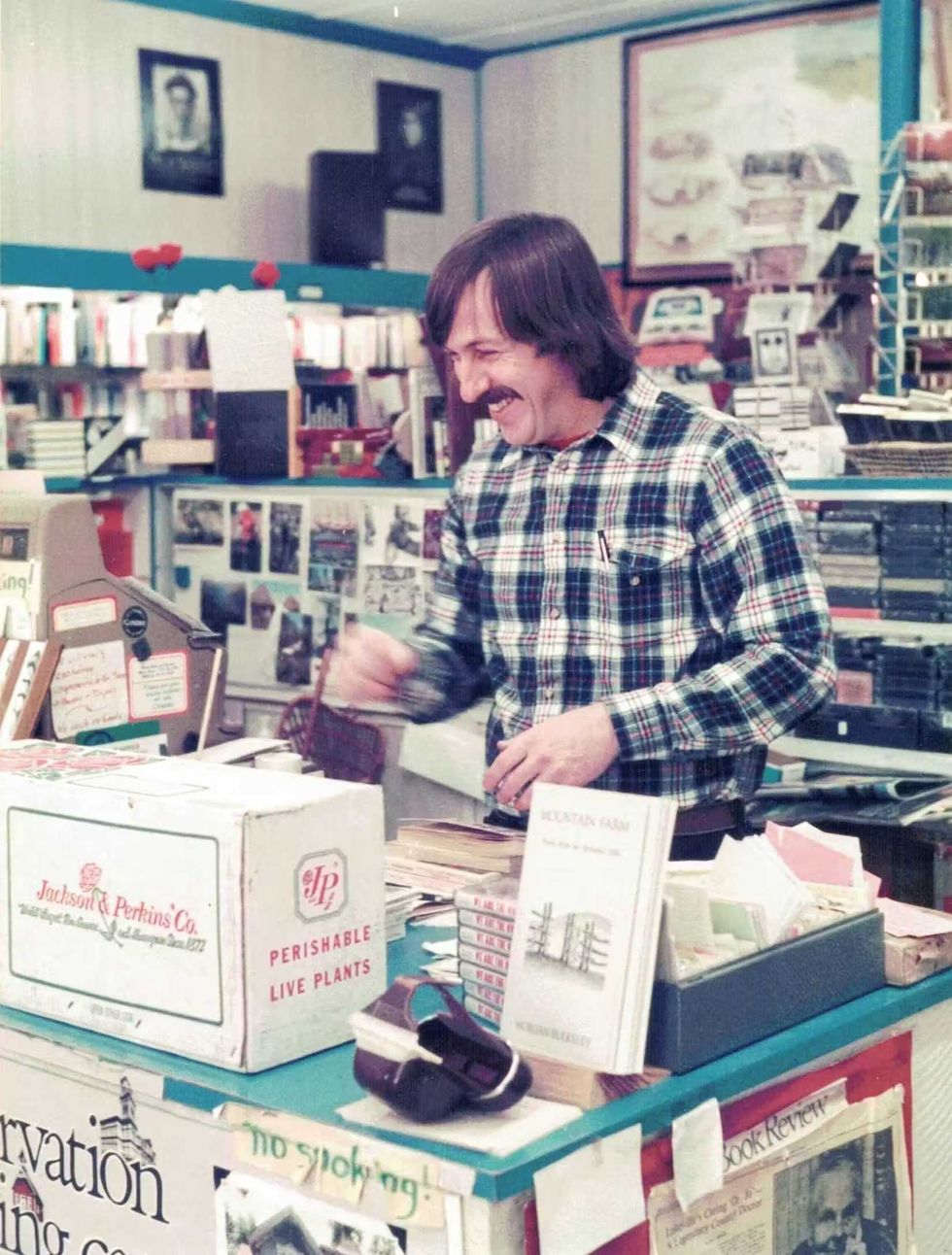 Dick Hermans in the Oblong Bookstore on Millerton’s Main Street in 1985.Provided

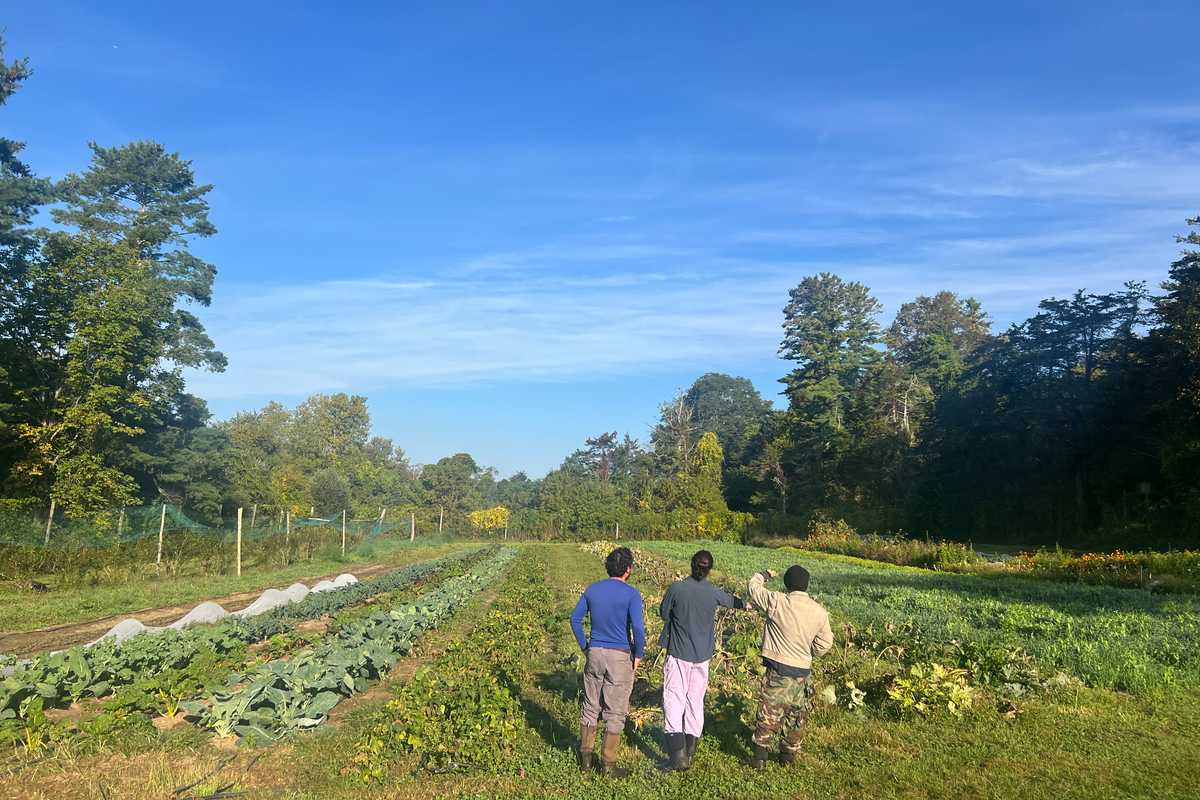
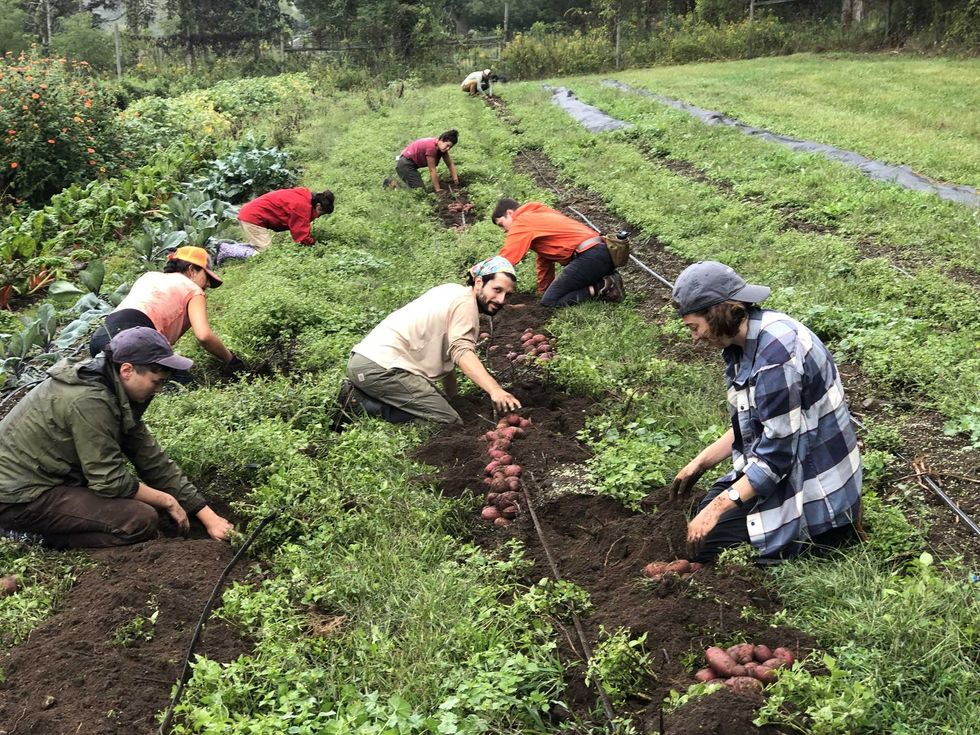 Fall storage crop harvests amid soil building cover crops at Adamah Farm in Falls Village. Janna Siller