Thank you!
Your support is sustaining the future of local news in our communities.

Patina: the case for letting your home live a little

Patina: the case for letting your home live a little

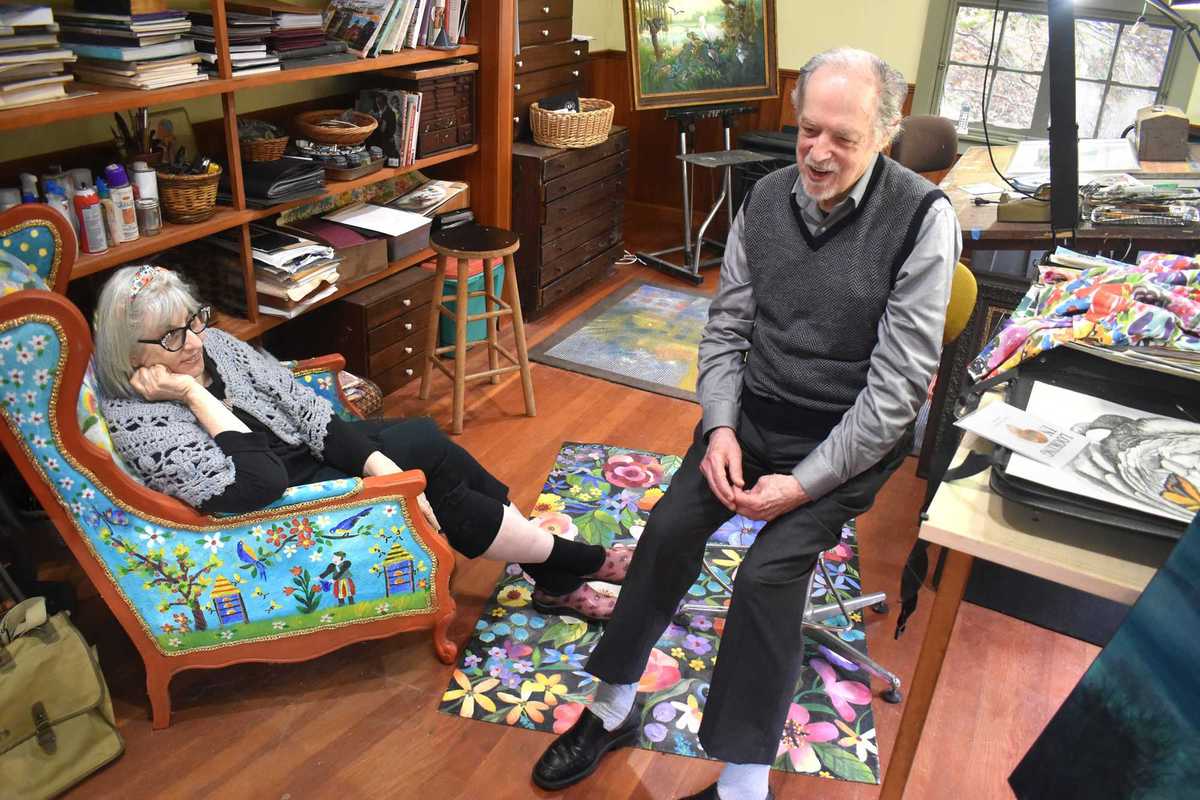
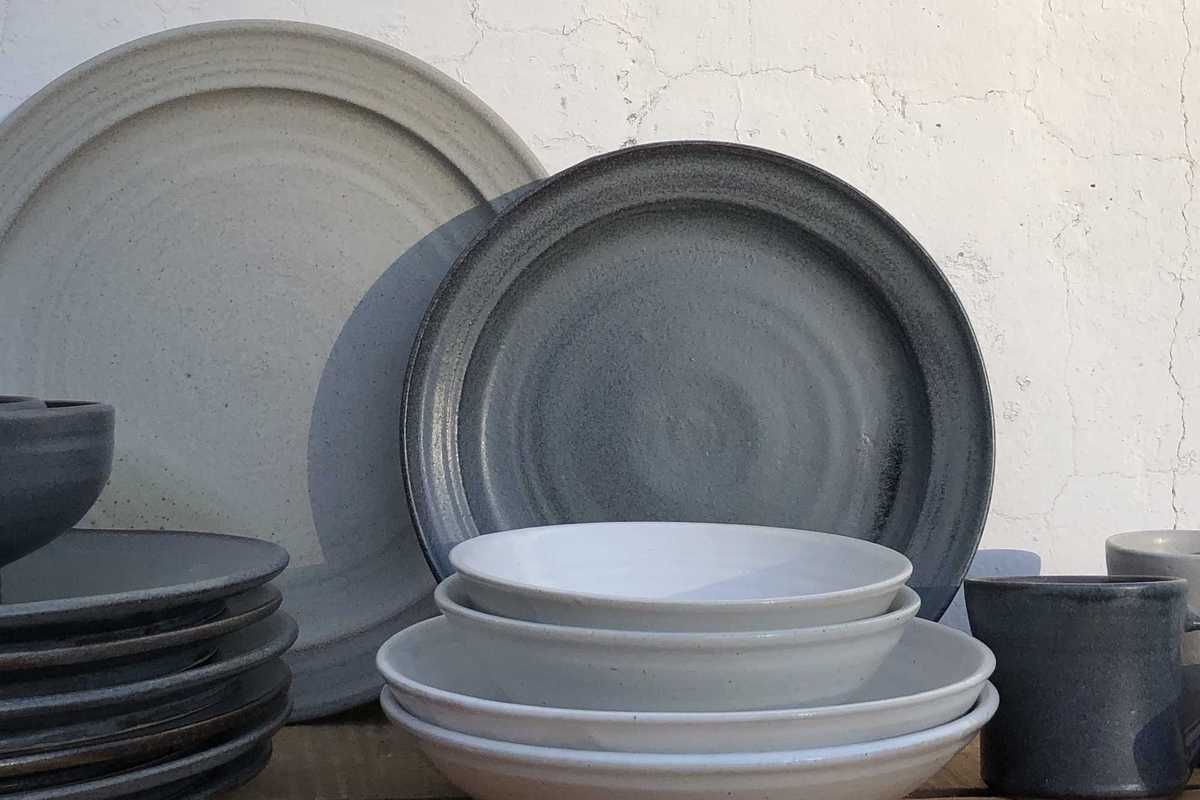
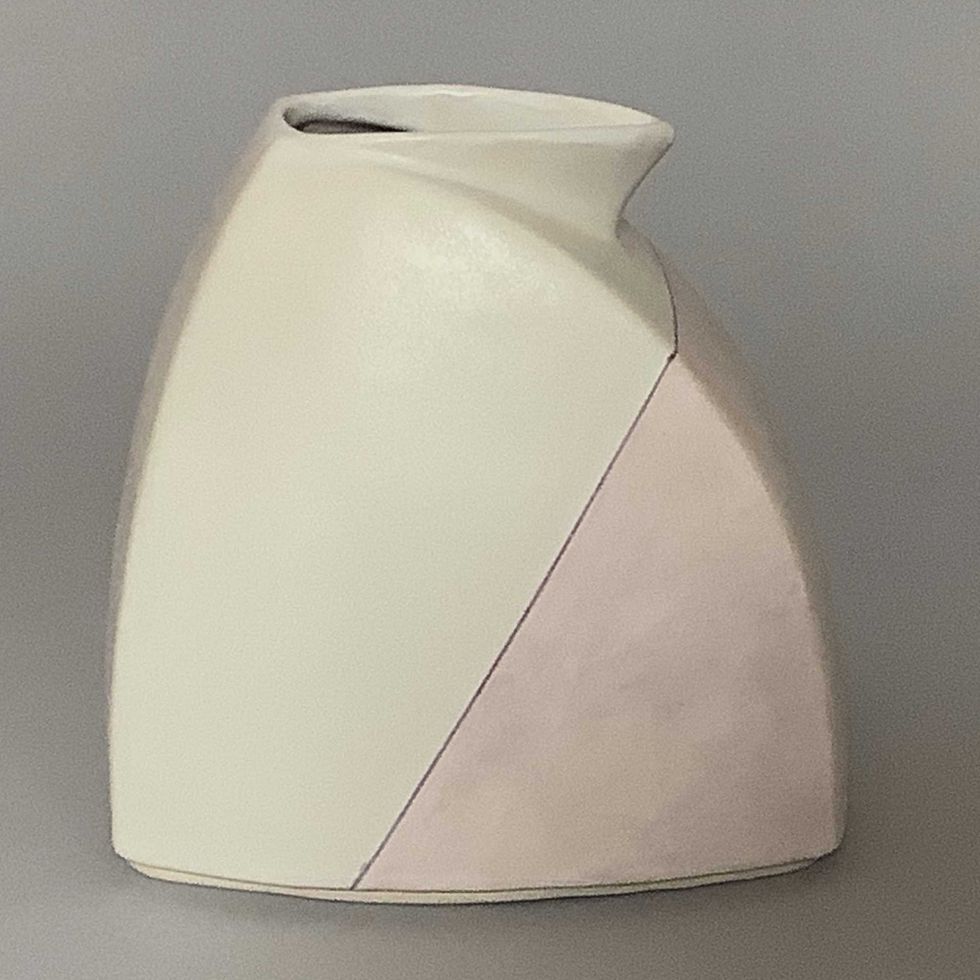
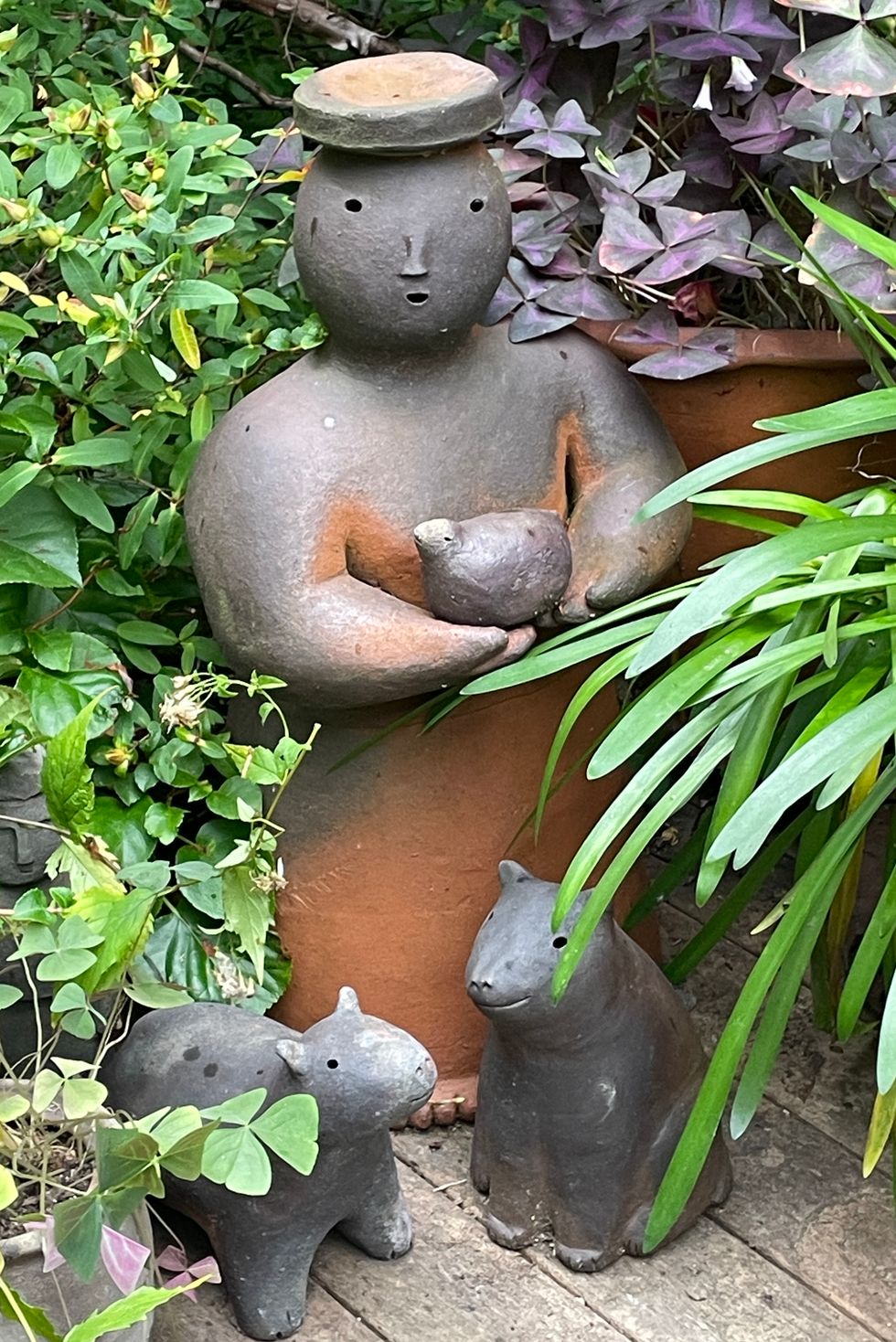
Objects that show age over time can be beautiful treasures.

Kerri-Lee Mayland

Your home does not need to be perfect to be beautiful. In fact, the marks, softened edges, and quiet signs of daily life are not flaws to be erased, but stories to be embraced.

That idea has a name: patina. It is the natural aging of materials over time — the result of wood touched again and again, metal worn by air and use, fabrics settling into the rhythm of a lived-in space. Some may see it as damage, but it is better understood as evolution: the gentle, authentic record of a home being used as it was meant to be.

For years, design of all kinds leaned toward the pristine — homes that felt almost too perfect to settle into. But perfection, while beautiful at first glance, can create what feels like a museum or showroom. Such a space asks you to maintain it, to protect it, to exist very carefully inside it.

Patina offers the opposite.

It lets you exhale.

A dining table with a few marks from family dinners does not need to be replaced. A brass faucet that darkens over time becomes richer, not worn out. A leather chair that creases and softens becomes more inviting; these are the pieces I search for when clients want an instantly lived-in look. These changes are not signs that something is going wrong. They are signs that something is being used exactly as it should be.

This is where patina becomes more than a design choice. It becomes a mindset, a lifestyle.

It allows you to let your home live a little, too.

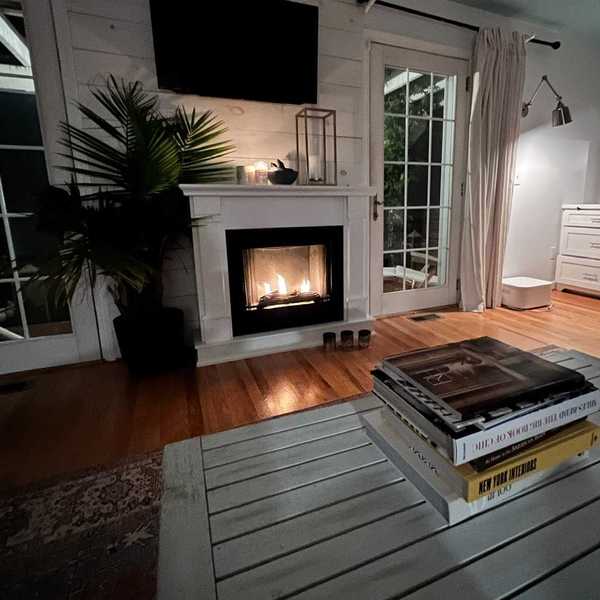
In practical terms, to incorporate patina, you must choose the right materials, ones that will age well. Natural wood is perhaps the most forgiving and rewarding. Look for finishes that are matte or lightly sealed rather than overly glossy. Woods with visible grain and variation will develop character over time, rather than showing wear in a way that feels damaged.

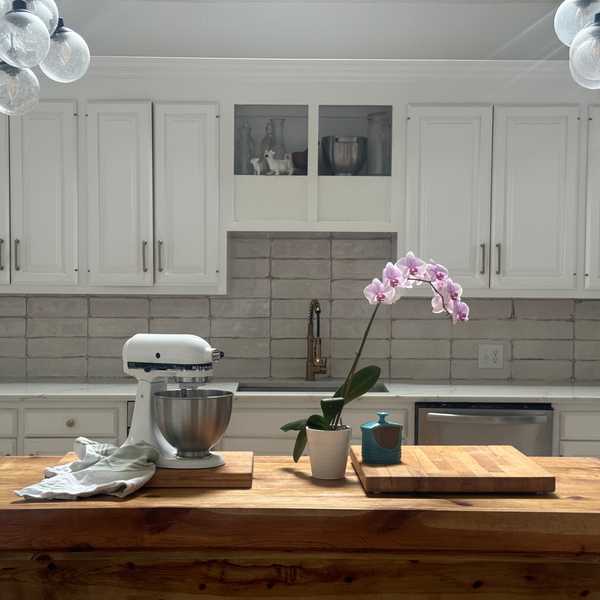
Metals are another opportunity. Unlacquered brass, bronze and copper are designed to change. Instead of resisting fingerprints or water spots, they respond to them, deepening in tone, creating variation, becoming uniquely yours. In kitchens and baths especially, these materials bring warmth that polished chrome simply cannot replicate.

Leather, too, is a favorite of designers for this reason. It softens, creases, and gains depth with use. A well-made leather chair will look better in five years than it does today. Linen and other natural textiles follow a similar path, becoming more relaxed and comfortable over time.

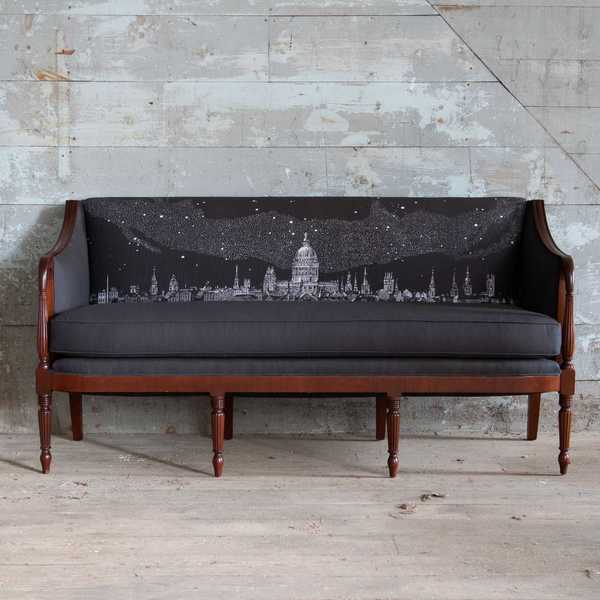
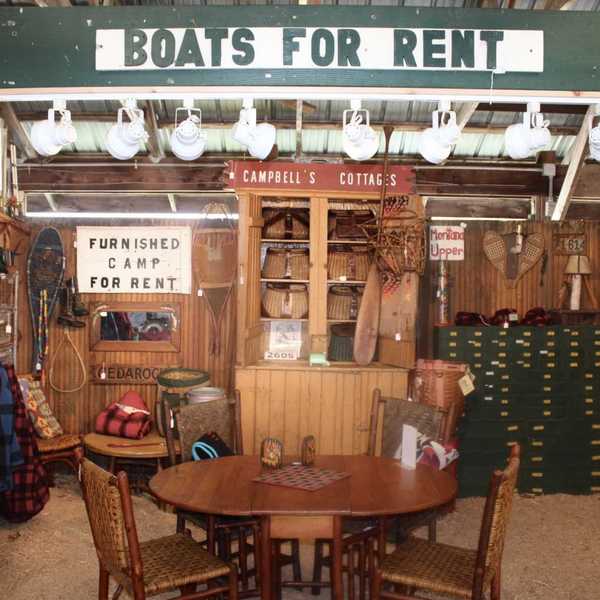
Vintage pieces naturally carry patina with them, which is part of their appeal. A worn wooden chest, an antique mirror with slight foxing, a set of timeworn stools—these elements anchor a space. They immediately give a room a sense of history, even if the rest of the home is newly designed.

The key, however, is balance.

A home filled entirely with aged pieces can feel heavy and old. But when patina is layered alongside clean lines and newer elements, a sense of calm emerges. The space feels both fresh and grounded. A modern sofa paired with a weathered coffee table. Crisp walls against an antique cabinet. It is this contrast that makes a home feel thoughtfully designed rather than overly styled.

And then there is the emotional shift.

When you embrace patina, you release yourself from the pressure of constant perfection. You stop noticing every small scratch or imperfection because they are no longer mistakes — they are part of the story. Your home becomes a place to live freely, not carefully, and that shift changes your mood and outlook.

It reflects a deeper understanding: that beauty is not found in preserving something exactly as it was, but in allowing it to evolve into what it becomes.
Latest News

Motorcycle crash near Route 7 prompts Life Star landing at HVRHS

Motorcycle crash near Route 7 prompts Life Star landing at HVRHS

A Life Star helicopter lands on the front lawn of Housatonic Valley Regional High School on Saturday, May 16, to transport a motorcycle crash victim to a hospital.

Aly Morrissey

LIME ROCK — A motorcycle crash involving a car temporarily shut down a section of Route 112 near the intersection with Route 7 on Saturday afternoon, drawing a large emergency response and prompting a Life Star helicopter landing at Housatonic Valley Regional High School.

Emergency responders at the scene confirmed the incident involved a motorcycle and passenger vehicle. Route 7 was closed from Dugway Road to the intersection of Routes 7 and 112 while crews responded.

Keep ReadingShow less
Van strikes utility pole, closes Route 112 for hours

Traffic was diverted near Wells Hill Road after a crash closed part of Route 112 Friday afternoon.

By James H. Clark

A van crashed into a utility pole on Route 112 near Wells Hill Road Friday afternoon, leaving the driver hospitalized in serious condition and forcing the highway to close for several hours.

The crash was reported at approximately 3:20 p.m., according to Connecticut State Police Troop B.

Keep ReadingShow less
Voices from our Salisbury community about the housing we need for a healthy, economically vibrant future

Renee Wilcox

If you’ve ever wandered through Paley’s Farm Market, you probably know Renee Wilcox. For thirty years, she has been greeting you with unmistakable warmth—always ready with a smile. Renee grew up in Millerton, but it was in Salisbury that her family found something they’d never had before: a true sense of home. In 2003, she and her husband Bill were living in Millerton, but Bill—a volunteer with the Lakeville Hose Company—was already part of Salisbury life. When the Salisbury Housing Trust finished eight new homes on East Main Street (Dunham Drive), Renee and Bill were the first to sign on.

The story of those houses is really a story about the best parts of our community. Richard Dunham and his wife, Inge, along with the Housing Trust board, poured years of energy and hope into the project. Renee can’t help but light up when she talks about the people who helped her family settle in. Digby Brown came by to install appliances and bathroom cabinets; Barbara Niles spent hours painting; Carl Williams assembled bunk beds for the kids. Rick Cantele, at Salisbury Bank, helped them with their finances so they could qualify for a mortgage, while neighbors arrived at their door with fruit baskets and welcoming words.

Keep ReadingShow less
google preferred source

Want more of our stories on Google? Click here to make us a Preferred Source.

Trade Secrets: a glamorous garden event with a deeper mission

Heavy stone garden ornaments, a specialty of Judy Milne Antiques from Kingston, at Trade Secrets 2025.

Christine Bates

Tucked away on Porter Street in downtown Lakeville, Project SAGE is an unassuming building from a street view. But cross the threshold a week before Trade Secrets — one of the region’s biggest gardening events, long associated with Martha Stewart and glamorous plants of all varieties — and you’ll find a bustling world of employees and volunteers getting ready for the organization’s most important event of the year.

“It’s not usually like this,’ laughed Project SAGE director Kristen van Ginhoven. “But with Trade Secrets just around the corner, it’s definitely like this.”

Keep ReadingShow less
Two artists, two Hartford stages, one shared life

Caroline Kinsolving and Gary Capozzielo at home in Salisbury with their dogs, Petruchio and Beatrice

Provided
"He played his violin, I worked on my lines, we walked the dog, and suddenly we were circling each other perfectly."
Caroline Kinsolving

Actor Caroline Kinsolving and violinist Gary Capozziello enjoy their quiet life with their two dogs in Salisbury, yet are often pulled apart to perform on distant stages in far-flung cities. Currently, the planets have aligned, and both are working in Hartford, across Bushnell Park from one another. Bridgewater native Kinsolving is starring in “Circus Fire,” the current production of TheaterWorks Hartford, while Capozziello is a violinist and assistant concertmaster of the Hartford Symphony Orchestra. While Kinsolving hates being away from home, she feels the distance nourishes their relationship.

“We are guardians of each other’s confidence and self-esteem,” she said.

Keep ReadingShow less
Local filmmaker turns spotlight back on Hollywood’s Mermaid

Esther Williams in “Million Dollar Mermaid” (1952).

Provided

For decades, Esther Williams was one of Hollywood’s brightest stars, but the swimming sensation of the silver screen has largely faded from public memory — a disappearance that intrigued Millerton filmmaker Brian Gersten and inspired him to revisit her legacy.

As a millennial, Gersten grew up largely unaware of Williams’ influential career. His teen years in Chicago were spent with friends who obsessed over movies, spending hours at their local independent video store,and watching anything that caught their eye. Somehow, though, they never ventured into the glossy world of synchronized-swimming musicals of the 1940s and ‘50s.

Keep ReadingShow less
google preferred source

Want more of our stories on Google? Click here to make us a Preferred Source.

google preferred source

Want more of our stories on Google? Click here to make us a Preferred Source.