As an interior designer, I’ve learned that sometimes the smallest voices in the room can have the biggest impact on a project. Over the years, more and more of my clients have begun looping their children into our design communication threads. Sometimes they’re quiet observers, other times they’re very vocal about what they love —o r absolutely can’t stand. And more often than not, I’ll hear the parents say, “Well, that’s the one the kids agreed to, so we’ll go with that.”
And honestly, I love that.
Think about it: our homes are our children’s worlds. These are the spaces that will embrace them, shape them, and forever live in their memories. When they close their eyes years from now and think of “home,” they’ll picture the colors, textures, and feelings that surrounded them growing up. So yes, they deserve a seat at the design table.
Today’s kids, though, are a whole new generation of design-savvy. They’re not learning from HGTV or paging through glossy magazines like we once did. Their inspiration comes from TikTok, Instagram, and Pinterest, where they’re constantly fed aesthetics and visual trends. They can tell you if they’re “cottagecore” or “dopamine decorators,” and they know the difference between midcentury modern and Japandi faster than you can say “mood board.” (Just ask them to explain. It’s eye-opening.)
This constant exposure means they’ve developed strong opinions and surprisingly refined tastes. They see how spaces make them feel, and they want to recreate those moods at home. It’s not just about pretty rooms — it’s about self-expression and belonging. I’ve seen teenagers reference color palettes or layering techniques they picked up online and then ask how they can apply those ideas to their own bedrooms or shared family spaces. They’re thoughtful and pragmatic, often looking for ways to incorporate what they’ve seen without a full renovation. Sometimes that means rearranging furniture for better “flow,” or adding LED strips and plants for atmosphere. These little design experiments give them a sense of ownership and teach them how personal space and creativity intersect.
I was recently listening to Vern Yip on the “How to Decorate” podcast from Ballard Designs, and he said something that struck me. He talked about designing his kids’ rooms as neutral palettes that could evolve with them. Instead of going all in on a theme or bold color that would need a total overhaul every few years, he kept the foundation versatile and layered in accessories and accents that could change as his kids’ interests did. It’s a brilliant approach — their spaces stay fresh and personal without becoming costly renovation projects every time they move from dinosaurs to drum kits.
The balance between giving kids a voice and maintaining long-term design sense is key. Let them express their personalities, but guide the process with materials and layouts that stand the test of time.
One of my favorite lessons came from my own son. When he was about 9, I asked how he wanted to decorate his room. I was fully expecting something along the lines of navy walls and sports posters. Instead, he surprised me with “modern and sleek.” I blinked. We live in a Dutch Colonial, and I’ve always believed in keeping interiors somewhat true to the home’s architecture, so chrome and white lacquer weren’t exactly on my radar. But it was his space, so I leaned in. We painted the walls black, added modern lines and textures, and tied it all together with a few transitional elements and personal memorabilia. Now, as a college baseball player, his room still tells the story of who he was — and who he’s become.
My daughter, too, was inspired by a TikTok trend not so long ago, and we did her room in Roller Rabbit’s popular “Amanda” pattern — from the chair to the shams to the bedspread. Thankfully, it’s stood the test of time. She still loves it, maybe even more now that it’s no longer a trend but simply something that feels like her.
Allowing kids to have that kind of ownership gives them a sense of pride and belonging. They’re not just growing up in a home — they’re growing up with it. Their opinions remind us, as designers and parents, that homes aren’t meant to be showpieces. They’re meant to be lived in, loved, and remembered.
So the next time you’re making a design decision — whether it’s a paint color, sofa fabric, or art for the hallway — ask the kids what they think. You might be surprised by their insight. And who knows? That one small choice might become the memory they carry with them forever, the color of home etched in their mind long after they’ve grown.
Kerri-Lee Mayland is an Emmy award-winning news anchor and designer. She lives in Lakeville.



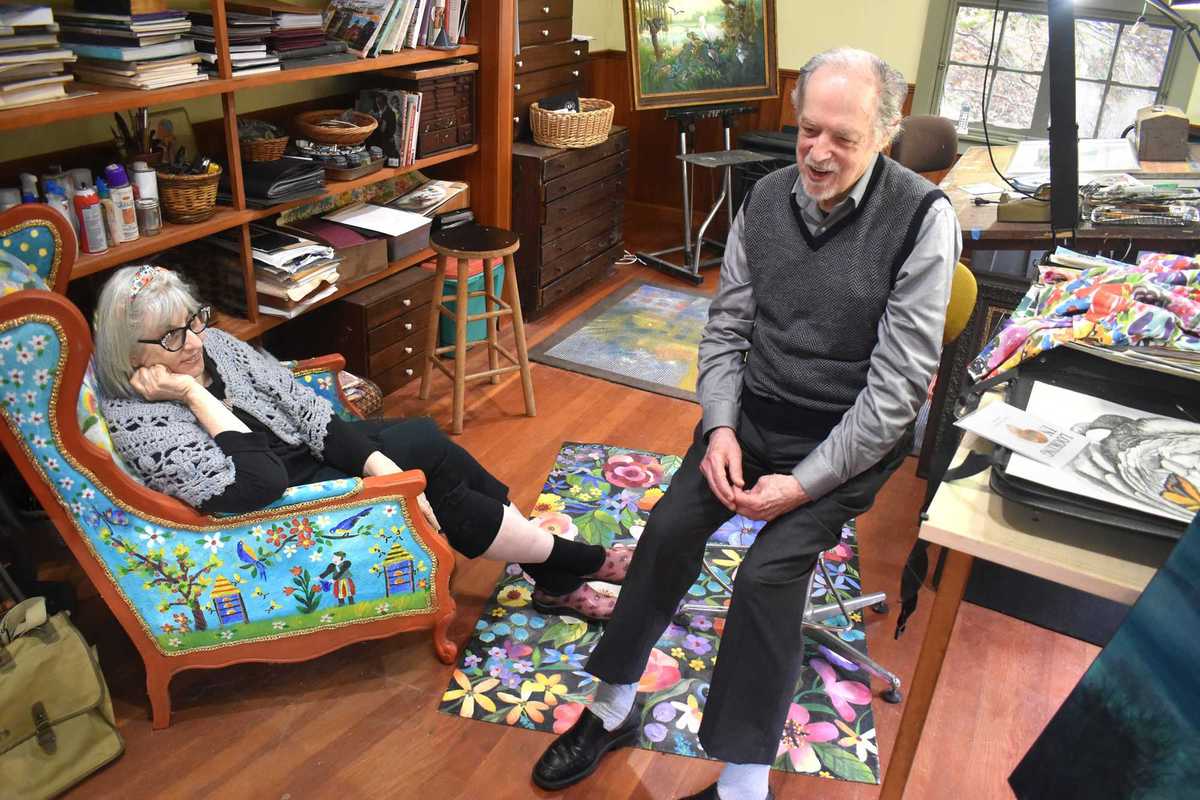
 Justine and Victor Valla in their studio with a painting of Victor’s,”Jonah and the Whale.” Robin Roraback

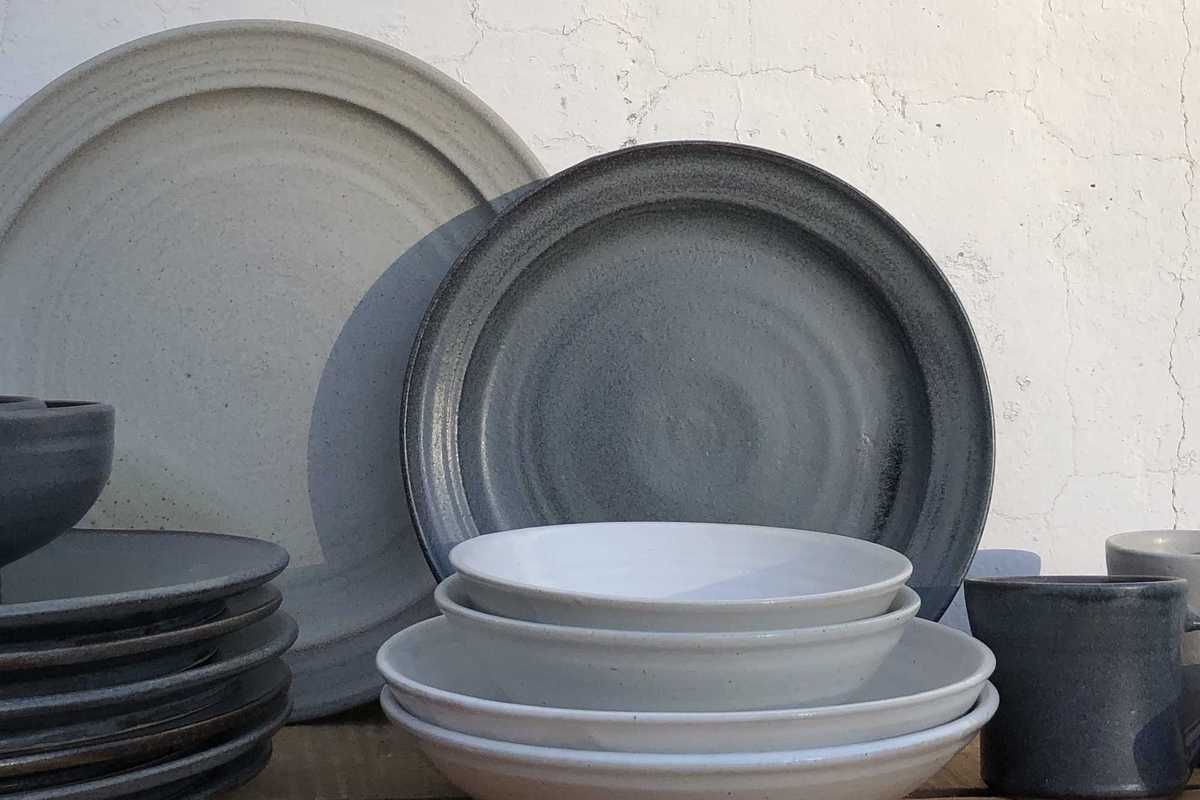
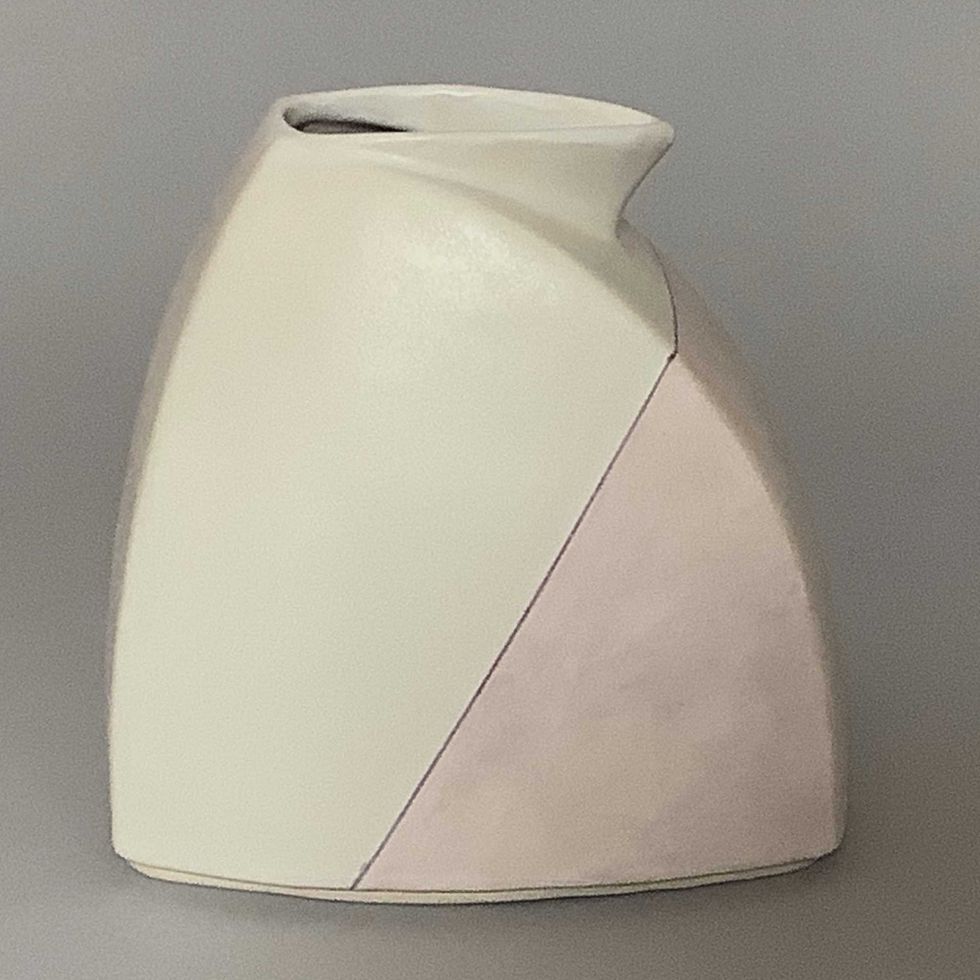 A ceramic vase by Kathleen Heidemann.Provided
 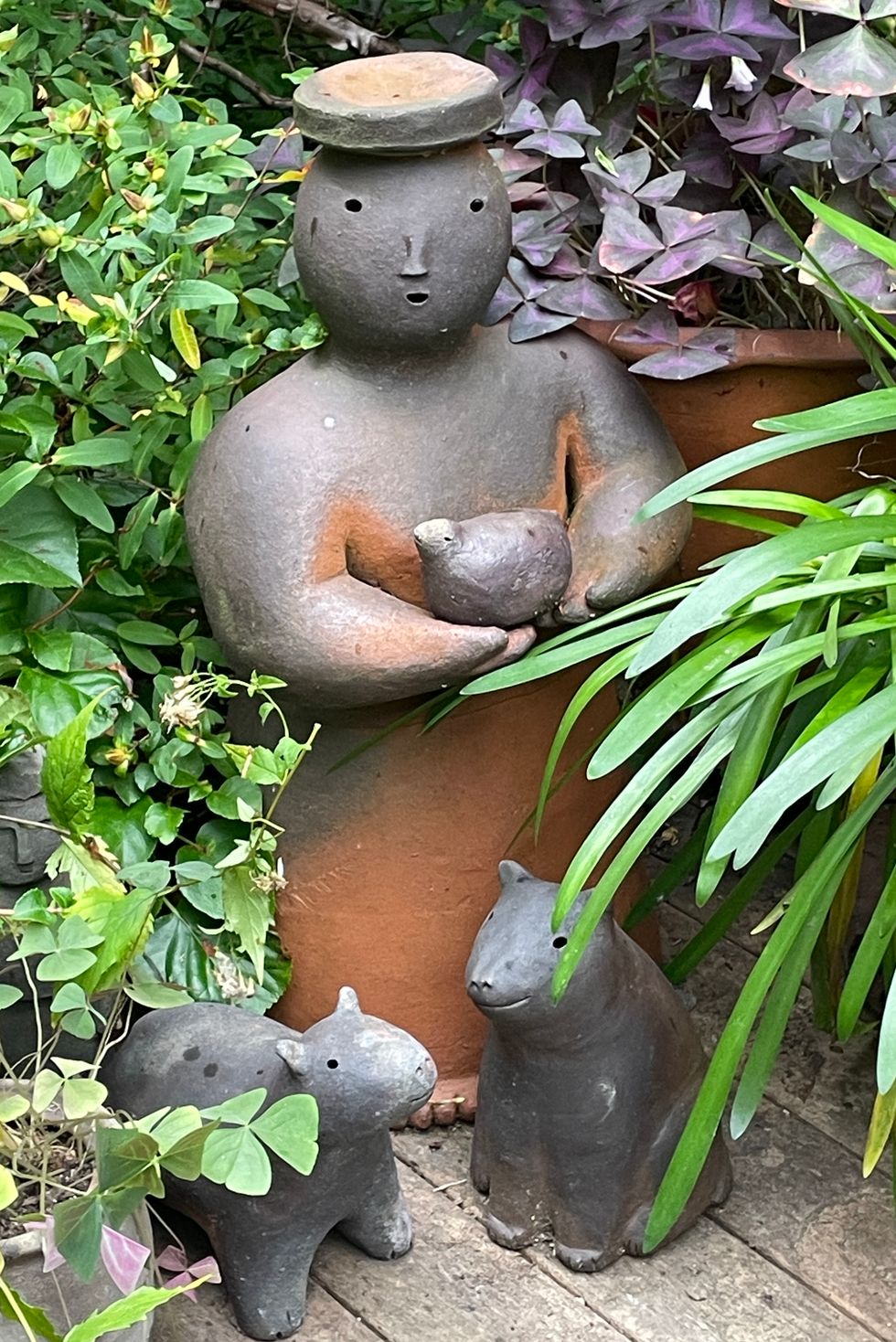 Joy Brown’s delightful ceramic sculptures.Provided