After a hiatus, the Torrington Area Health District is once again conducting restaurant inspections.
“Our inspections a year or two ago were behind, and our board made it a necessity that all inspections be brought up to date,� said Gilbert Roberts, director of environmental health for the health district. He said that, as of June, the district is current with inspections, thanks to a couple of factors. “The economy is down, so some of our other work loads, like construction, are down, so that freed up some time. And we picked up two part-time people.�
The health district covers about 700 establishments in 19 towns, including Salisbury, Lakeville, North Canaan, Falls Village, Kent and Cornwall. Sharon has its own sanitation officer and is not a member of the district.
Roberts said his team inspects restaurants, catering operations and “guys with carts,� but not fairs, one-day events, hospitals, nursing homes or schools.
Restaurants are graded on 63 items in 16 categories, ranging from food protection to lighting and ventilation. Each item is given a point value; if the restaurant is not in compliance with an item, points are deducted from 100. Restaurants that score 80 or lower must pass a reinspection within three months.
“That 80 could be a series of 20 one-point items that in and of themselves aren’t significant, but in total they are,� Roberts said. “If they have a four-point item, we consider that a more serious debit.�
Roberts said a low-scoring restaurant must correct the items they were marked off on, but the timeframe for compliance varies based on the infraction.
“If you went in and there was a broken refrigerator and the temperature was incorrect, it would have to be corrected the next day,� he said. “If there is storage of toxic items in a food storage area, a four-point debit, like if there was Drain-O in a food storage area, they can move it and correct the problem right away. We still debit it, but it’s like an immediate reinspection because they corrected it while we were there.�
Roberts said a low score doesn’t necessarily mean the restaurant is dirty or serving unsafe food.
“There could be problems with the structure,� he said. Some establishments, for example, are in very old buildings and might lose points if, say, a tile was broken in a hallway. “The food-handling practices could be very good, so it would be a disservice to say, ‘Oh, they only had an 80.’�
The number of times a year a restaurant is inspected depends on how it is categorized. There are four classes of restaurants based on how much food preparation is required. The Patco service station in Lakeville, for example, is a Class 1 because it serves coffee and sandwiches that are microwaved. Higby’s in North Canaan is a Class 4 because food is prepared from scratch on the premises. Class 1 restaurants are inspected once a year while Class 4 restaurants are inspected four times a year.
Roberts said response from restaurants about inspections resuming has been positive.
“The general consensus is that restaurant owners, since we’ve been making score information available, are working harder to maintain high scores,� he said. “We had expected it would be the other way, that people would fight us on every debit.�
Some local establishments were inspected in November and their scores follow: Kent General Store, Kent, passed pre-inspection; North End Restaurant, Kent, 87; China Inn, Salisbury, 91; On the Run Coffee Shop, Lakeville, 92; Mizza’s Pizza, Lakeville, 90; Freund’s Farm Market & Bakery, North Canaan, 97; The White Hart Inn, Lakeville, passed re-inspection; Higby’s, North Canaan, 98; McDonalds, North Canaan, 88.


 Justine and Victor Valla in their studio with a painting of Victor’s,”Jonah and the Whale.” Robin Roraback

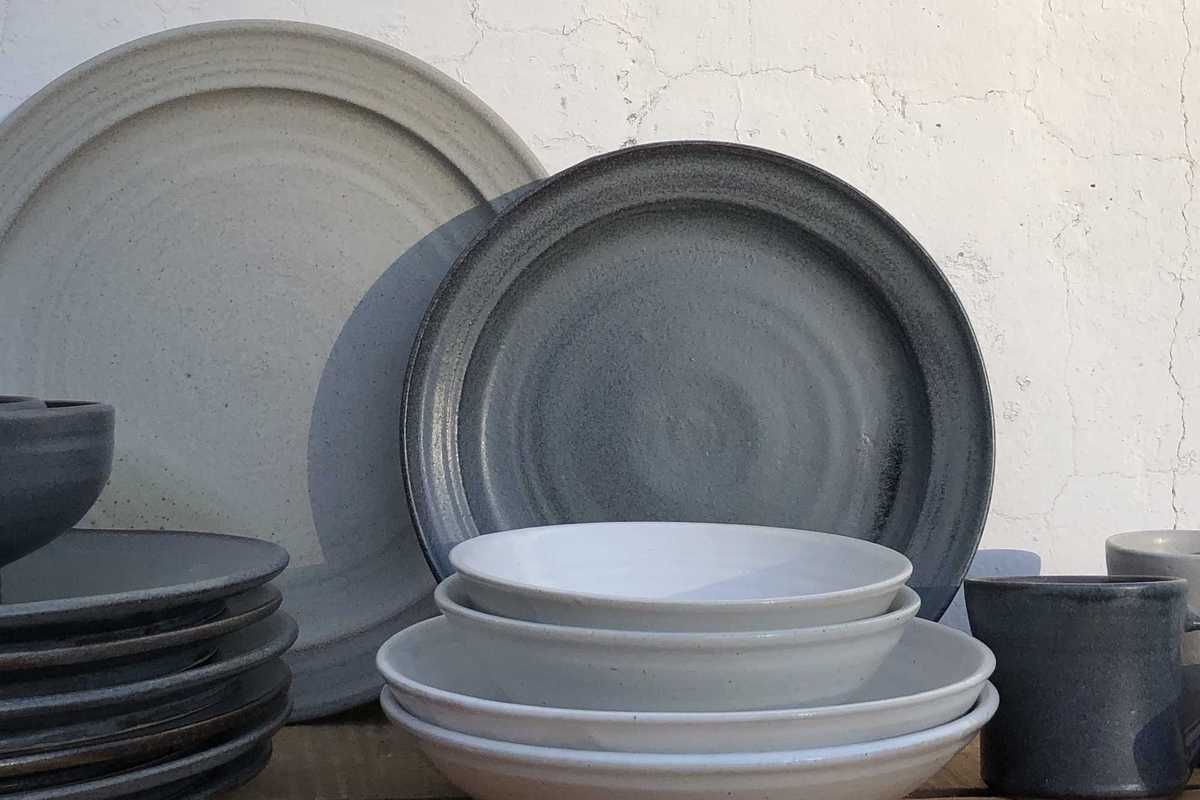
 A ceramic vase by Kathleen Heidemann.Provided
  Joy Brown’s delightful ceramic sculptures.Provided
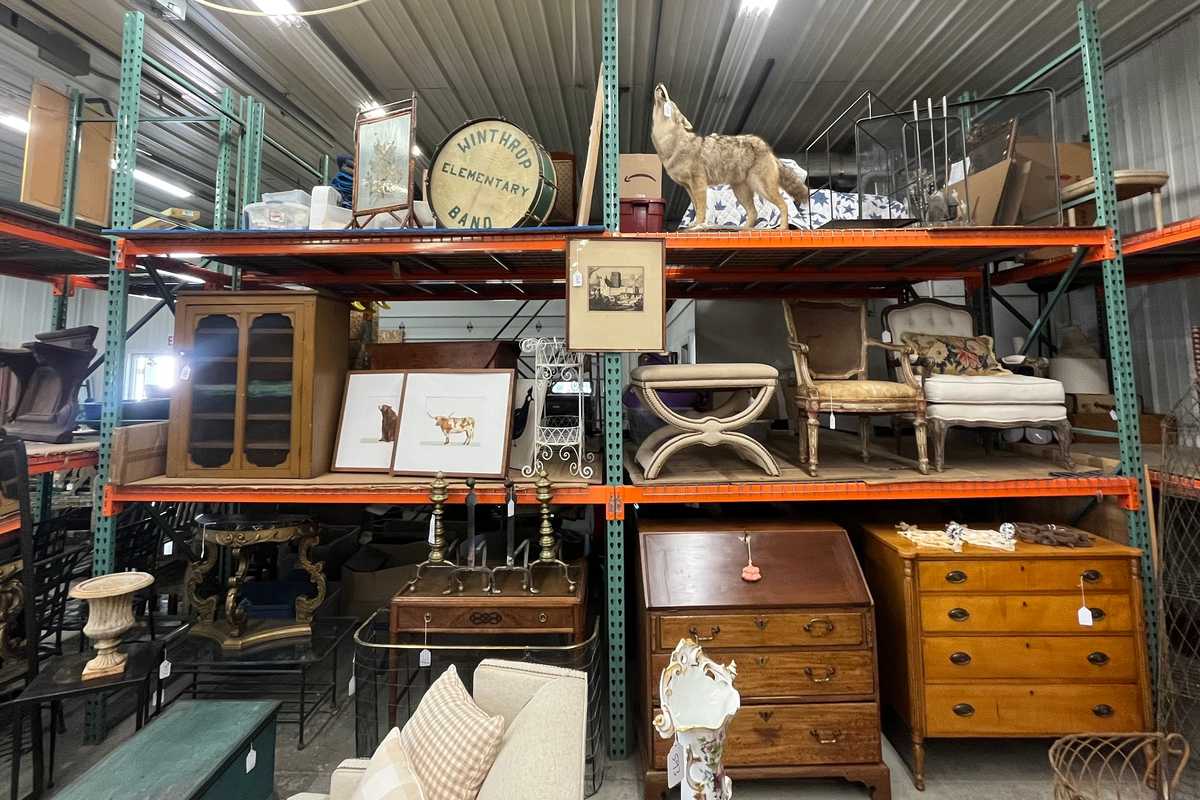
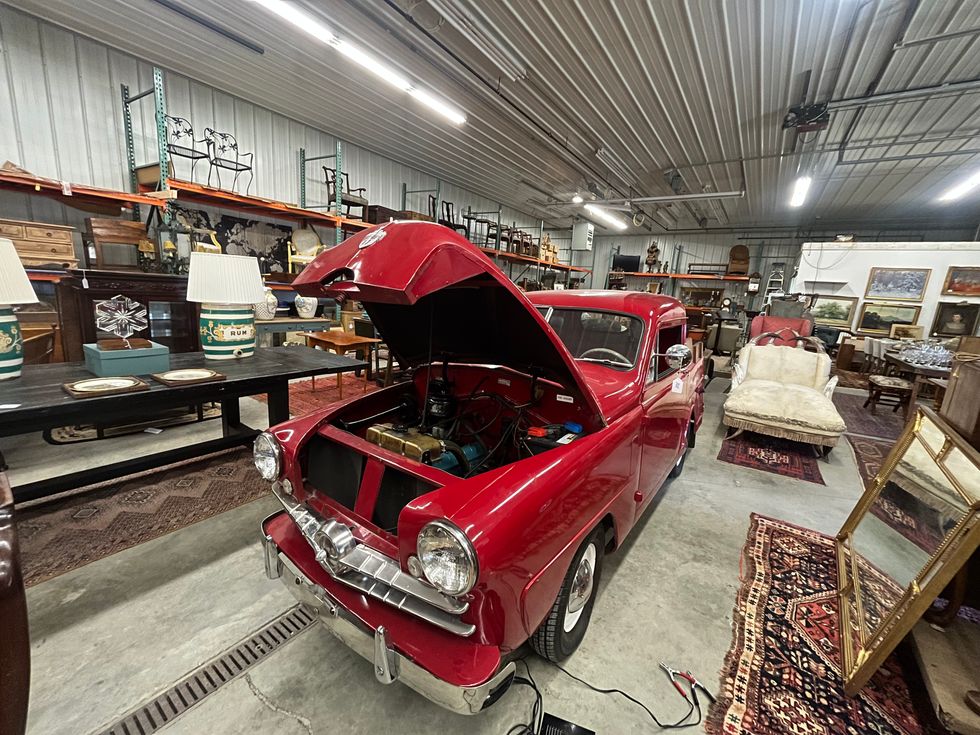 Hundreds of items at Stateline Auctions, including a candy-apple-red Crosley pickup truck.D.H. Callahan