In 1953, Dutch-American abstract expressionist painter Willem de Kooning was at the height of a career rarely reached by artists during their lifetimes.
That was the year a young Robert Rauschenberg brought him a bottle of Jack Daniel’s and proposed something audacious. He wanted to erase one of the famous artist’s drawings. De Kooning got it. He didn’t like the idea, but he understood the assignment, and started rifling through archived works for a drawing that he would “miss,” and one that would be difficult to erase. Rauschenberg spent the next month making it disappear.
The resulting work sent the art world into a tailspin, claiming artistic blasphemy. The act, they claimed, was nothing but hostility toward agreed upon artistic greatness. Rauschenberg didn’t see it that way, but he let them say what they needed to say.
He thoroughly enjoyed challenging the art establishment. While he loved the acts of drawing and painting, it seems that to him that technical artistic proficiency was secondary to bold new ideas.
For Rauschenberg, this was just one stop on a wild artistic ride that saw inventive works created across six decades until his death in 2008. Other career milestones include a 23-foot-long tire print, which he made with composer John Cage; the 190 panels and sculptural elements collectively known as the “The 1/4 Mile or 2 Furlong Piece”; and a whole new medium melding painting and sculpture that he referred to as his “Combines.”
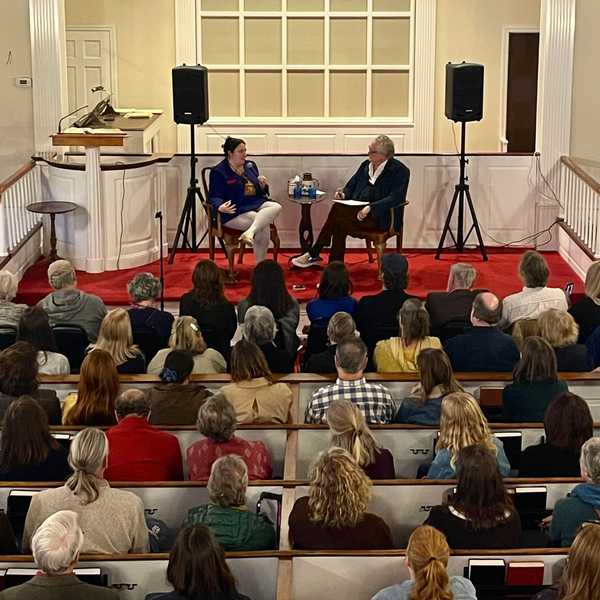
Along for a good stretch of the ride were Jane Coats Eckert, founder and owner of Eckert Fine Art in Washington Depot, Connecticut, and Jonas Stirner, who now runs the Stirner Modern gallery in Easton, Pennsylvania. On Saturday, Aug. 29 the two will come togetherat the Washington Art Association & Gallery at 5 p.m. to discuss their time with Rauschenberg as friends, dealer, and studio assistant and collaborator.
Eckert first met Rauschenberg when she moved to Captiva Island, Florida in the mid 1990s. Although she was aware of the artist’s presence on the island, the two didn’t meet until some time after her arrival. Eventually, the two would become close, with Rauschenberg giving Eckert some pieces to sell. “He certainly didn’t need to sell anything,” she recalled, as he was already internationally celebrated.
Stirner worked as a studio assistant for Rauschenberg for over a decade. He tells of an incredibly supportive mentor, who was kind to all, and unnecessarily generous with his resources. When Stirner got the job, he was, by his own account, wonderfully underqualified, which was exactly what Rauschenberg was looking for. With artistic students working on their masters and PhDs hounding him for a job, Rauschenberg instead chose people who wanted to work with their hands. Stirner was a bartender at the time, and wasn’t aware of the level of success his new employer had already achieved.
Rauschenberg took both Stirner and Eckert around the world to big museum and gallery openings. In 1998, they both accompanied him to Frank Geary’s Guggenheim Bilbao in Spain, where his show would be the first retrospective at the new Museum. Back home in Florida, Eckert even staged a joint exhibition with works by both employer and employee, something Rauschemberg was honored to be a part of.
Together, the two gallerists have the experience to paint quite the picture.
To hear their stories about Rauschenberg at WAA on Aug. 29, get tickets at washingtonartassociation.org.

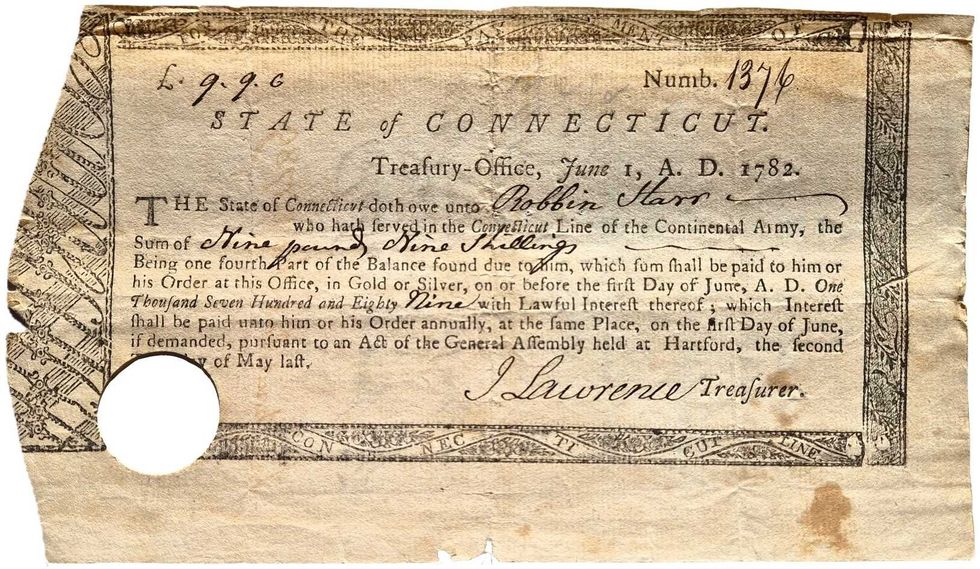 Pay Bill for Robin Starr’s service in the Continental Army.Courtesy the Alex Breanne Corporation
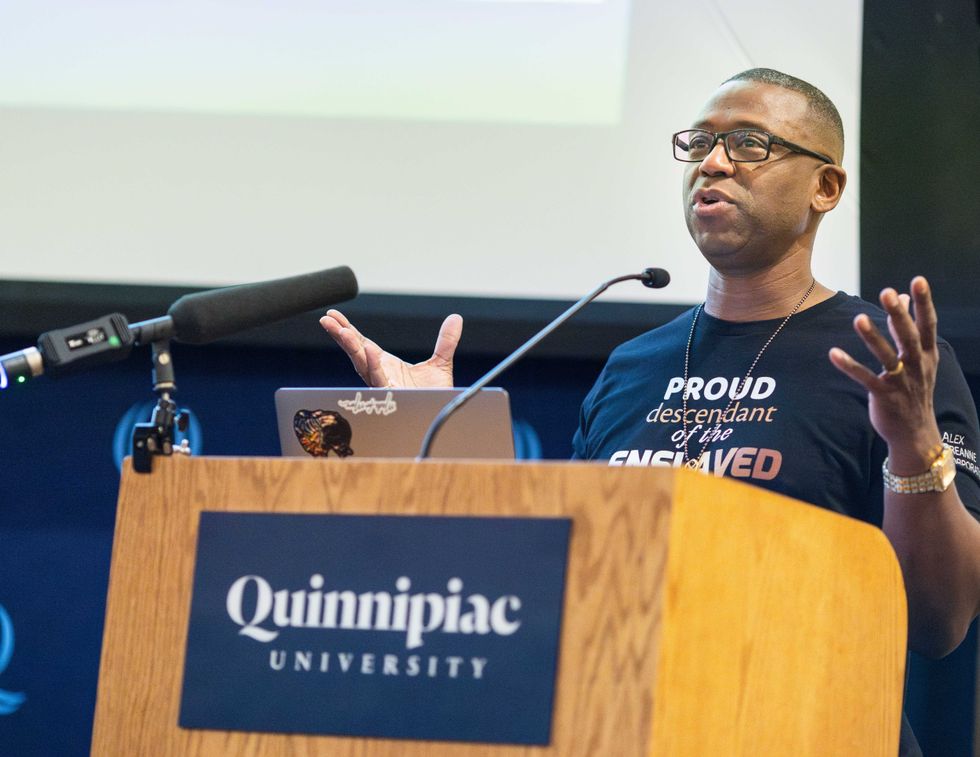 John Mills speaking at Quinnipiac University.Courtesy the Alex Breanne Corporation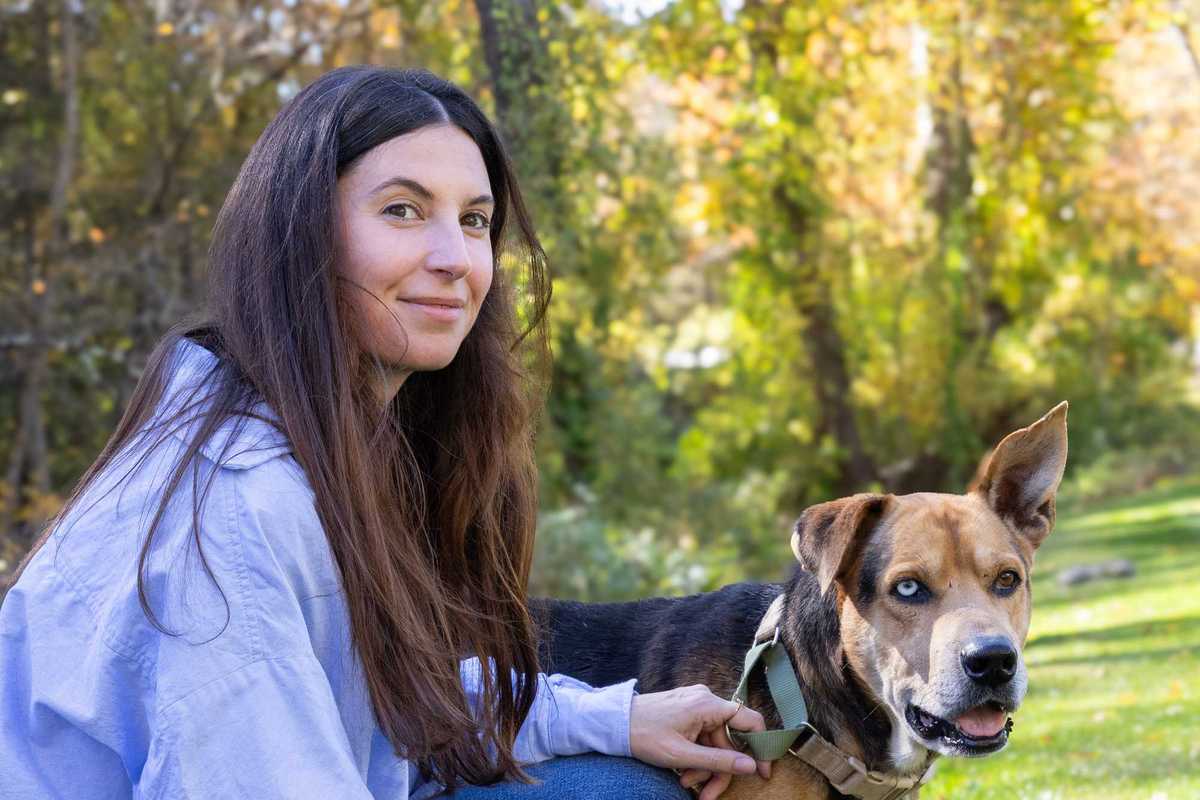
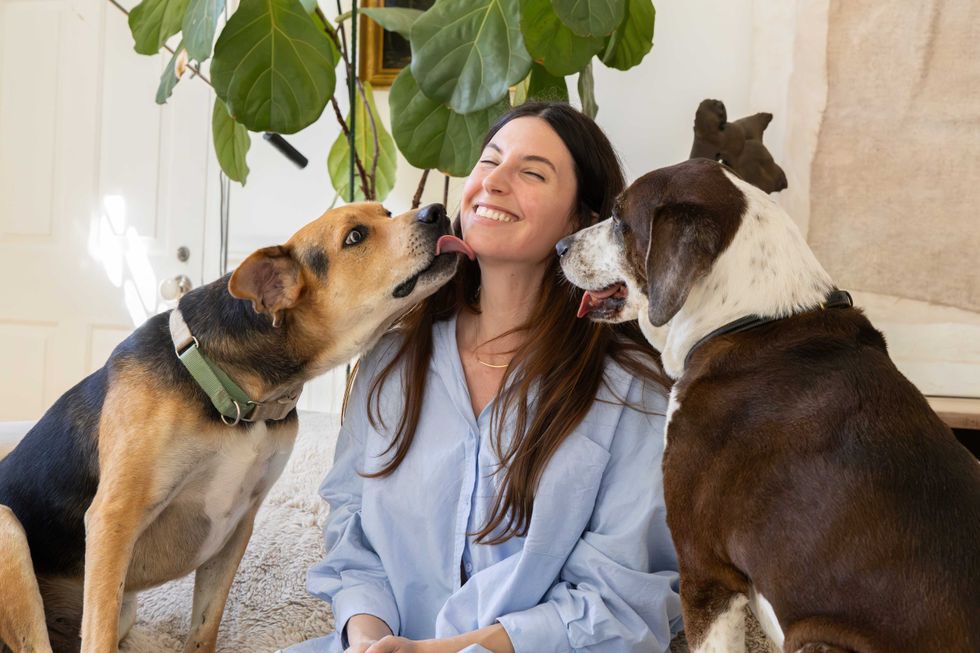 Stephanie Saetta,with her rescue dog George and Blue (left), a shepherd mix awaiting his forever home.Madi Long
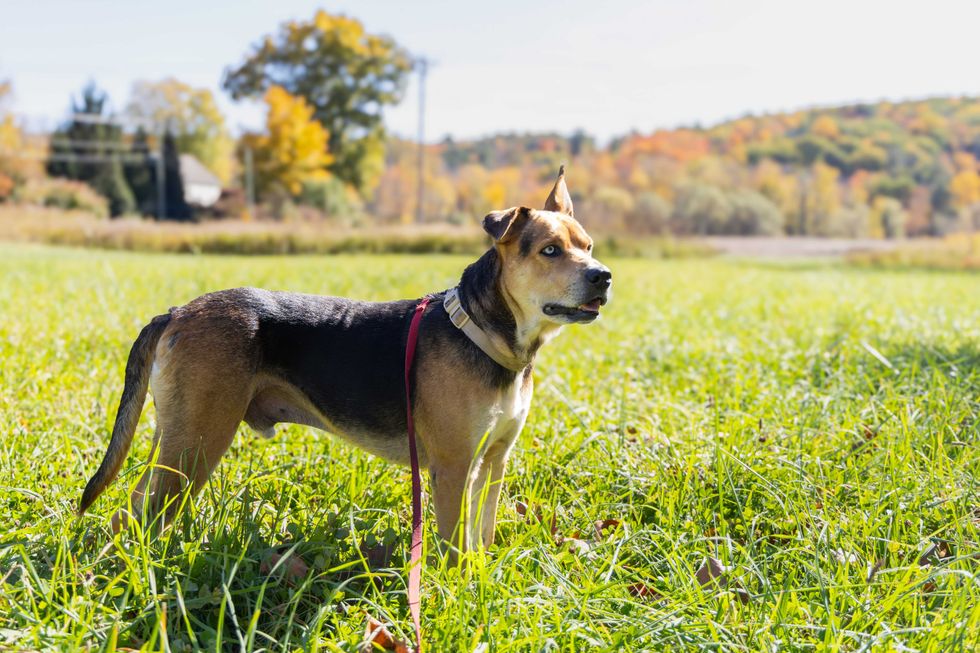 Blue, a 7 year-old Shepard mix, is waiting for his forever home. Madi Long