Thank you!
Your support is sustaining the future of local news in our communities.

Scot Galliher: Joining conservation and agriculture

Scot Galliher: Joining conservation and agriculture

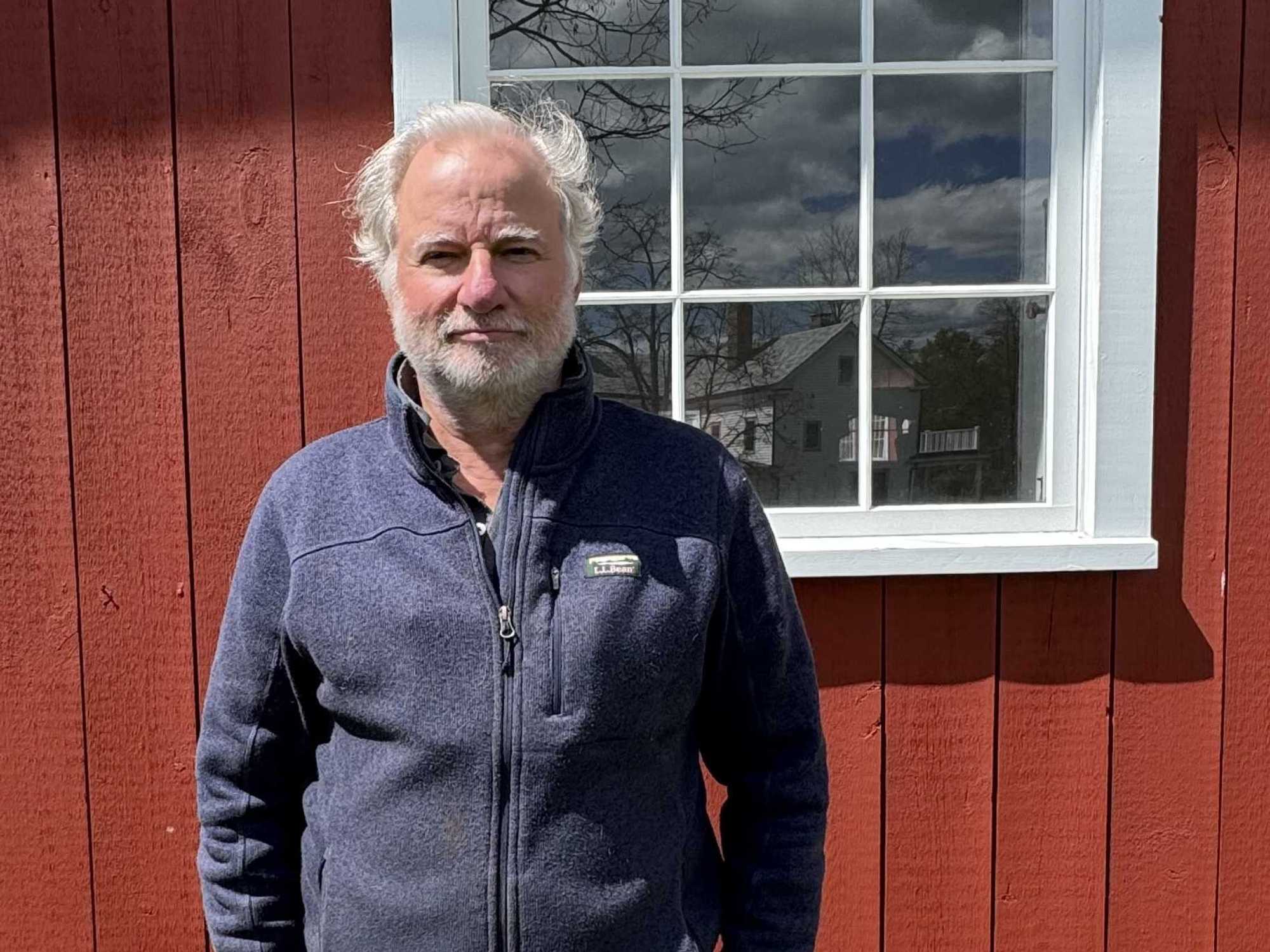
Scot Galliher at Silver Mountain Hay in Millerton.

Provided
Farming is not a job. It’s a lifestyle."— Scot Galliher

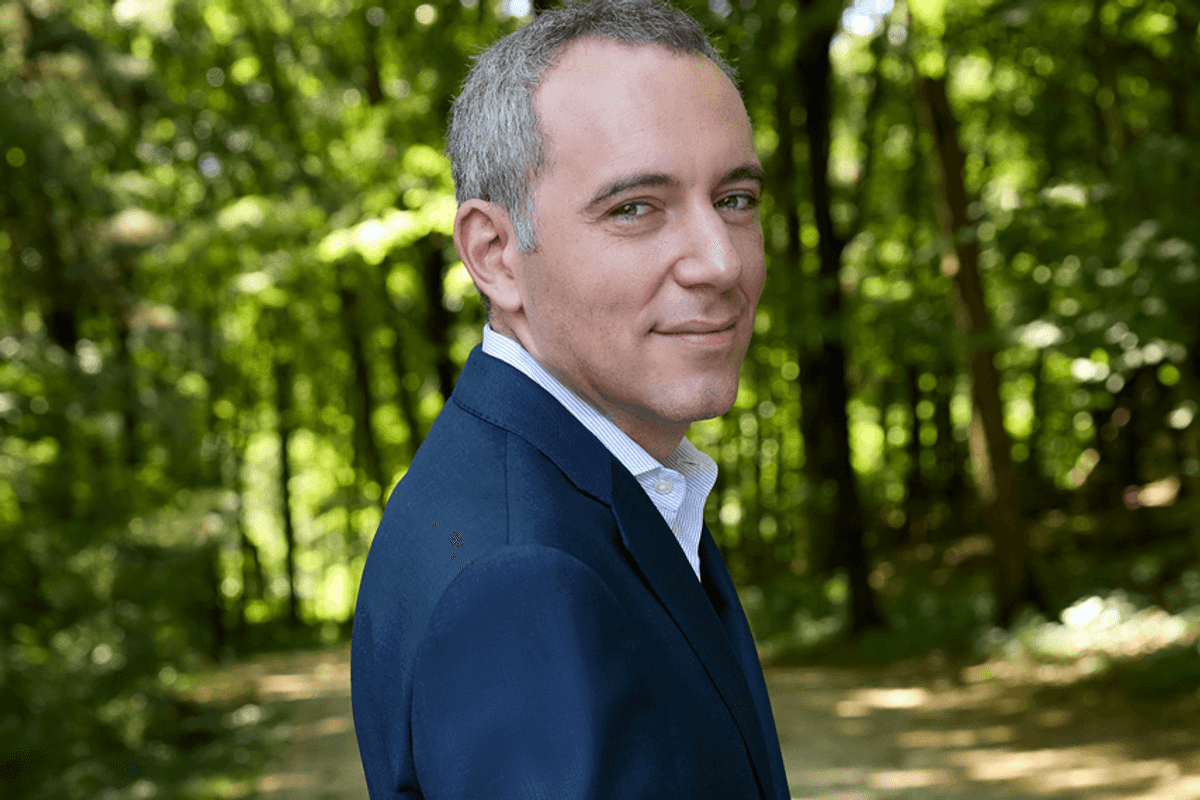
From the fields of Silver Mountain Hay in Millerton, Scot Galliher monitors moisture levels in horse feed, oversees the restoration of historic farmhouses and discusses the architectural details of the towering red barn that has become a local landmark. Two decades ago, he was working on Wall Street after leaving a career analyzing satellite data for a NASA subcontractor. Today, Galliher owns one of the area’s most distinctive agricultural operations — a farm he purchased not simply to grow hay, but to preserve open land threatened by development.

Unlike many farmers who inherit generations of family land, Galliher arrived at agriculture through conservation. After returning from abroad, he already owned another nearby farm and often passed the Silver Mountain property while driving his wife to the Wassaic train station. At the time, development pressure in the region was intensifying, and a developer had reportedly been close to purchasing the land before the deal fell through. Galliher stepped in soon afterward.

“I bought the farm to prevent that from happening,” he said.

That philosophy still shapes the operation today. For Galliher, farming and land preservation are inseparable. The open fields and rural landscapes that define the Harlem Valley survive only because working farms continue to exist, he argues. Without economically viable agriculture, open land eventually disappears — either overtaken by development or left unmanaged.

That long-term vision is visible across the property, particularly in the massive red barn that has become one of the area’s most recognizable agricultural structures. After the original dairy barn deteriorated, Galliher began studying historic barns throughout the Northeast before working with an architect to design a replacement that reflected both traditional agricultural design and modern functionality. The finished structure includes clerestory windows that flood the interior with natural light, an Olympic-sized indoor riding arena and infrastructure designed for a future equestrian facility. “I wanted to build an equestrian barn,” Galliher said.

Although the scale of the operation is impressive, Galliher speaks about farming in notably practical terms. Much of what he knows about hay production was learned through direct experience.

“Farming is largely learned through experience,” he said. “You learn by doing.”
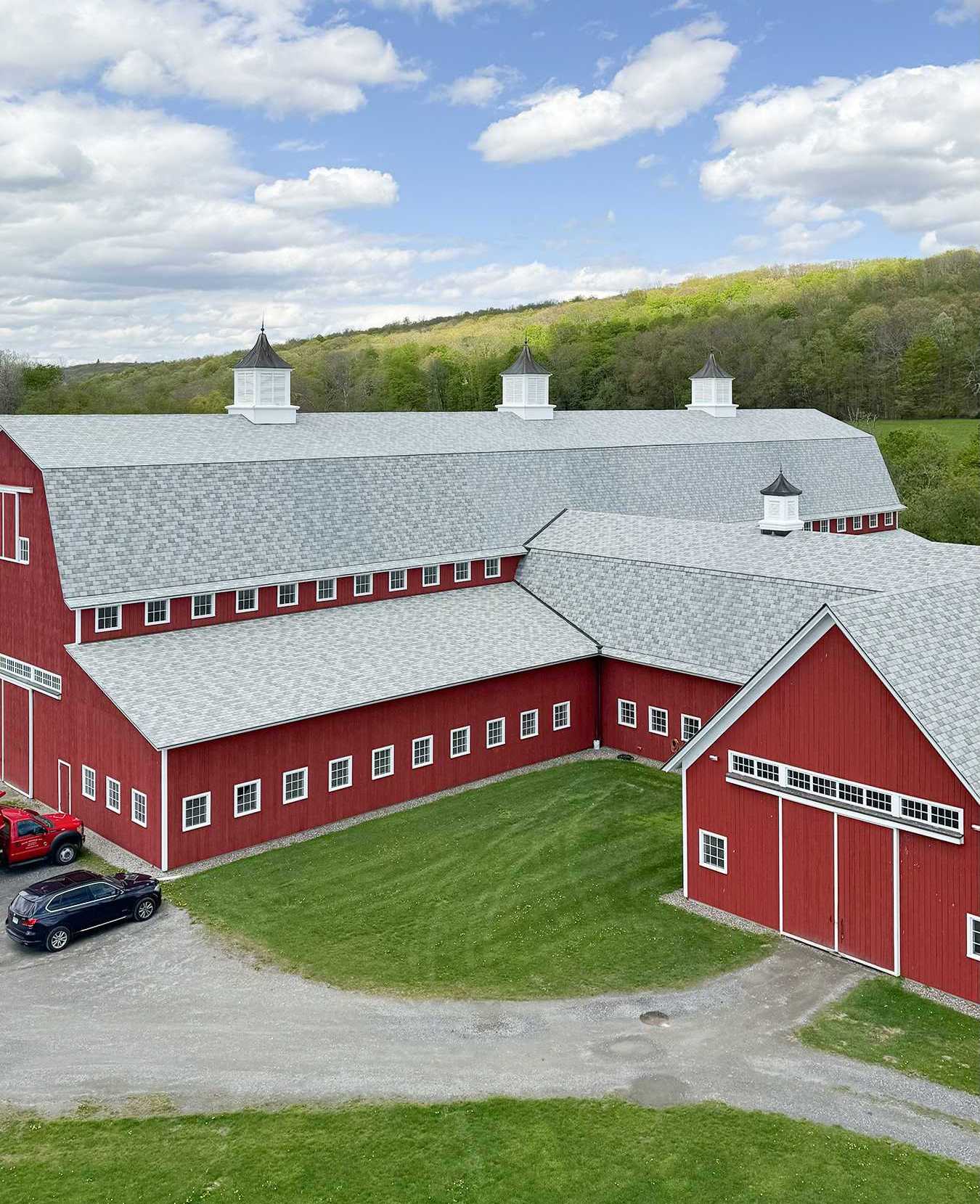
Silver Mountain Hay in Millerton.Provided

Producing premium horse hay, he explained, requires careful attention to weather patterns, moisture levels, grass composition and timing. A sudden storm can destroy thousands of dollars’ worth of hay in less than an hour.

Galliher approaches haymaking with the precision of an engineer. Moisture levels must be carefully controlled to prevent mold, and different horses require different nutritional profiles. While many horse owners prefer softer second-cutting hay, Galliher noted that first-cutting hay is often nutritionally superior. “It is very difficult to make 50,000 feed-quality bales of hay year after year,” he said. Still, despite the technical demands of the work, Galliher describes farming less as an occupation than a way of life. “Farming is not a job,” he said. “It’s a lifestyle.”

He speaks enthusiastically about the smell of fresh hay after a successful harvest and the satisfaction of watching trailers return to the barn at sunset after long summer days in the fields. And after years spent in finance, he says he does not miss Wall Street very much.

“The reward system here is different,” he said. “I think it’s richer. I think it’s more human.”

Today, Silver Mountain Hay stands not only as a working agricultural operation, but also as a reflection of Galliher’s broader philosophy — that preserving rural landscapes requires more than admiration. It requires active stewardship.
Latest News

Taking a family business sky high

Taking a family business sky high

The Spirit Ballooning crew and passengers on a flight from Great Barrington to Salisbury on July 25 of last year.

Madi Long

While some moonlighters may dread their weekend shifts, local NBT banker Darrel Long looks forward to his early morning side gig, since it involves flying high above the Northwest Corner hills glowing in the sunrise.

Perhaps better referred to as his “dawnlighting” operation, Darrel is the president and founder of North Canaan-based hot air balloon outfit Spirit Ballooning, which has been taking intrepid denizens of the region on daybreak flights across the southern Berkshires since 2009.

Keep ReadingShow less

Brewing community support in Catskill

Brewing community support in Catskill

Max Ocean at the Subversive Taproom in Catskill.

Provided

On the western banks of the Hudson River, the town of Catskill is becoming a beacon of ethnic, religious and generational diversity. Partially fueled by the increased popularity of towns like Hudson and the gentrification that comes with it, residents of all stripes are making their homes in the once underappreciated town.

Among those putting down roots are Max Ocean and Zane Coffey, the founders and brewers at Subversive Malting and Brewing. In 2020, after a few years of searching for a place where they could craft their beers and build community, they landed on a modest lot with an old auto-shop big enough to house their equipment.

Keep ReadingShow less
Theater thrives at The CENTER for Performing Arts

Cast members of “Legally Blonde” rehearse offsite.

Olivia Michaels

For nearly three decades, The CENTER for Performing Arts at Rhinebeck has been a gathering place for actors, audiences and aspiring artists from across the Hudson Valley.

Founded as a nonprofit organization dedicated to making the arts accessible to people of all ages and backgrounds, The CENTER has grown from a summer theater under a tent into a year-round cultural institution. Since opening its permanent home in 1998, the theater has combined professional-quality productions with educational programs, youth performances and community events.

Keep ReadingShow less
google preferred source

Want more of our stories on Google? Click here to make us a Preferred Source.

Research and development on the river

Research and development on the river
Research and development on a cold, nasty day on the Beaverkill in New York. The author was particularly pleased his new right hip didn’t present any difficulties.
Gary Dodson

Successful fly-fishing involves research and development.

A few weeks ago, on a chilly, raw morning on a somewhat swollen Beaverkill River in New York, Gary Dodson and I rolled up expecting to have the area to ourselves.

Keep ReadingShow less
The timeless appeal of the American farmhouse

Modern farmhouse designed by Tina Anastasia.

Miki Scarfo
The best farmhouse spaces feel rooted in warmth and history, even when they’re newly built.
— Tina Anastasia

They dot the landscape, standing beside winding country roads and rolling fields, their silhouettes as recognizable as church steeples and old stone walls. For hundreds of years, the American farmhouse has held an important place in the country’s architectural history, especially in New England, where these homes feel deeply connected to the land itself.

Their enduring appeal may have less to do with the trends farmhouse style inspired and more to do with the comfort these homes create. Farmhouses offer a sense of warmth and authenticity, along with a design style that feels approachable rather than forced.

Keep ReadingShow less
Taiga brings Siberian-inspired dining to Hudson

Taiga is located at 119 Warren St. in Hudson.

Provided
We never wanted Taiga to feel like a traditional restaurant. We wanted it to feel emotional, immersive and deeply personal — almost like stepping into another world for a few hours.
Vlad Larvin

Walking into Taiga in Hudson for the first time did not feel like walking into a restaurant — it felt like stepping into a memory. As a Russian immigrant who grew up between cultures, I did not expect to find a place that evokes such a specific emotional response, both familiar and cinematic. Candlelight flickered against dark wood and vintage wallpaper while old Soviet-era music played softly in the background. The scent of herbs, smoke, tea and fresh blini filled the air — at once unfamiliar and deeply nostalgic. It became clear almost immediately why people speak about Taiga as more than simply a place to eat.

What makes Taiga unusual is that the food is only part of the experience. The restaurant was created by Vlad Larvin and his partner, Waldemar Sirko. Larvin, originally from Biysk, a small town in Siberia’s Altai region, worked in photography and fashion design before opening Taiga — fields that continue to shape every part of the restaurant today. Every detail — the lighting, photography, textures, music, pacing of the evening and even the scent in the air — feels intentionally designed to create emotion and atmosphere, not just visual style.

Keep ReadingShow less
google preferred source

Want more of our stories on Google? Click here to make us a Preferred Source.

google preferred source

Want more of our stories on Google? Click here to make us a Preferred Source.