SHARON – After eight years at the helm of the Sharon Audubon Center, Eileen Fielding retired from her role as Executive Director on Thursday, July 2.
“It was time,” she said from behind her desk in the 1925 converted residence on a rainy day in late June, but she said that the role has been the perfect culmination of a long career in conservation.
“I mean, how many people get the opportunity to run something that was their happy place when they were 20 years old?”
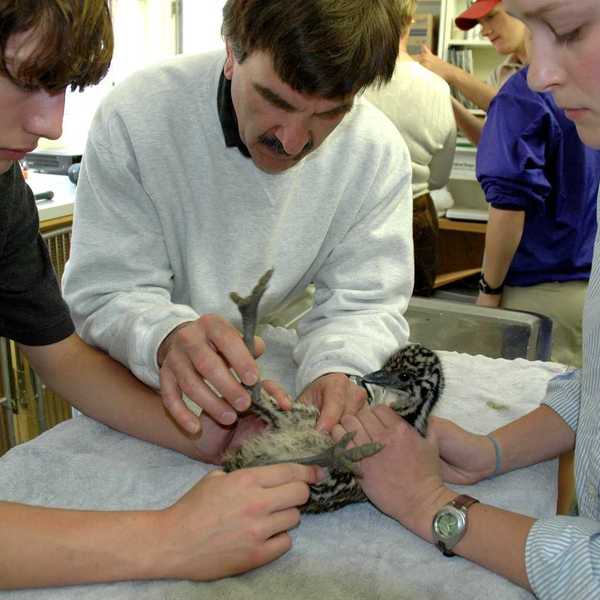
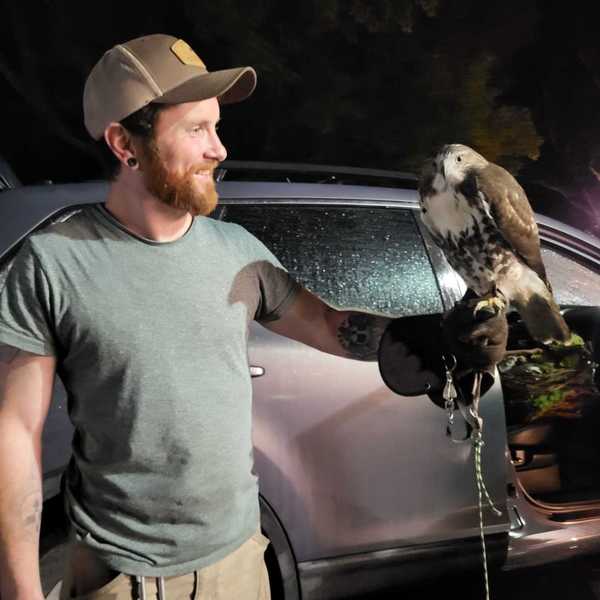
Fielding took the position in 2018. For many years before that, since 2009, she had volunteered as a wildlife rehabilitator and caregiver for the resident raptors at the Sharon Center while she maintained a role as director of the Farmington River Watershed Association. Eventually, she was invited to join the Board of Directors, from where she eventually was tapped for the director’s role.
Fielding’s exposure to the Sharon Audubon Center began much earlier, though, when she visited the facility for its festivals as a student and early career naturalist. Even before that, she was volunteering at an Audubon Center in Massachusetts at 13-years-old.
“That was the transformative experience,” she said, in directing her career goals as a young person. “There were mentors there that were happy to give me a good grounding in natural history,” she said, “and it put me in touch with other young people that had similar interests to mine and really set the course for what I chose to study in college.”
She went on to have a long and varied career in the conservation and environmental science sphere, directing a wildlife sanctuary in Indiana and multiple watershed protection organizations in upstate New York and Connecticut among other roles. She also gained a doctorate degree in ecology and served as an adjunct professor at several higher education institutions.
Closing out her career at Audubon made sense, Fielding said. “As much as it was meaningful to look after rivers and watersheds, my first love was always birds and mammals.”
Fielding said her time with Audubon was especially rewarding as it’s the only major conservation organization in the U.S. with local chapters that provide community-focused conservation resources and programming. “And it wants to make the most of that asset,” she said.
“As a center director,” she said, “I have tried to make that work for the benefit of the community, as in bringing the resources of National Audubon to the community level.”
One of the highlights of her career at the Center was the installation of a Motus Tower several years ago, which is a research tool that tracks tagged birds as they migrate seasonally. She especially loved that the tower provides an interactive tool, free and open to the public, for both laypeople and experts to track bird movements. It also links the Center to other Motus Towers across the world where similar conservation is being conducted.
She pointed to a recent Sharon Audubon Center-supported project where students at North Canaan Elementary School and a school in Colombia connected over Motus Towers in each location pinging the same bird species.
“That’s broadening the horizons of the kids,” she said, “as well as getting the conservation message out. So that’s what I mean by taking bird conservation as practiced by Audubon and turning it into a benefit for the community.”
Fielding said the Center’s rehabilitation programs also forge a vital community connection. “People will bring us birds in distress,” she said, “and it becomes a wonderful opportunity to build a connection with that person about how to make the world a better place for birds, starting with your own front yard – or chimney,” she said, referring to the Center’s highly successful chimney swift rehabilitation program, which has become the “clearing house” for the acrobatic species.
Reflecting on why she devoted eight years, day and night, to bird conservation, Fielding offered a quote from famed ecologist Tom Lovejoy: “If you take care of birds, you take care of most of the big problems of the world.”
Fielding said she’ll miss working with her team at the Center, but that it remains in good hands with her departure, where she intends to stay involved with the Northwest Corner conservation sphere. “One of the hardest things to walk away from is the people you get to work with,” she said.
As the center searches for a replacement, Fielding said her role will be filled in by other directors and operations officers from Audubon’s Connecticut and New York district. She assured the team is well poised to succeed as the Center expands and faces many exciting projects, including a major renovation of the campus on Cornwall Bridge Road.
“The folks here are all veterans,” she said with a smile. “There will be days that people haven’t even noticed I’m gone.”


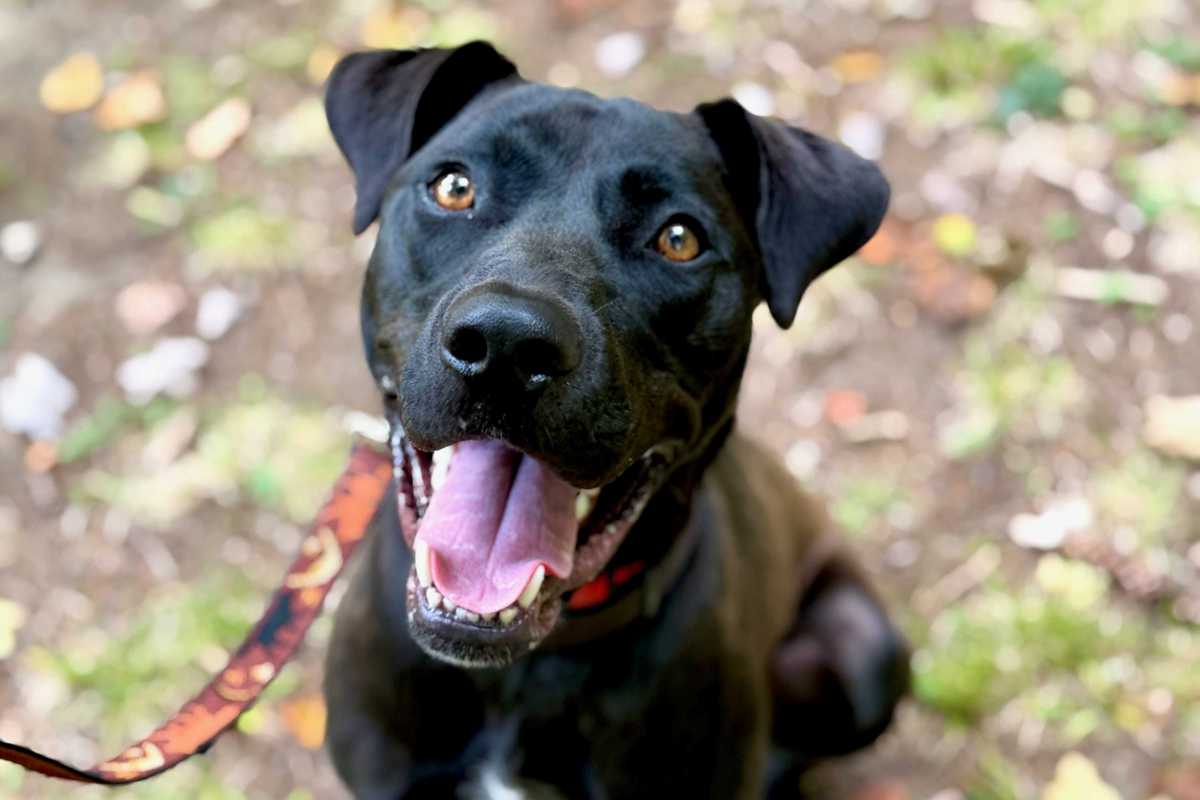
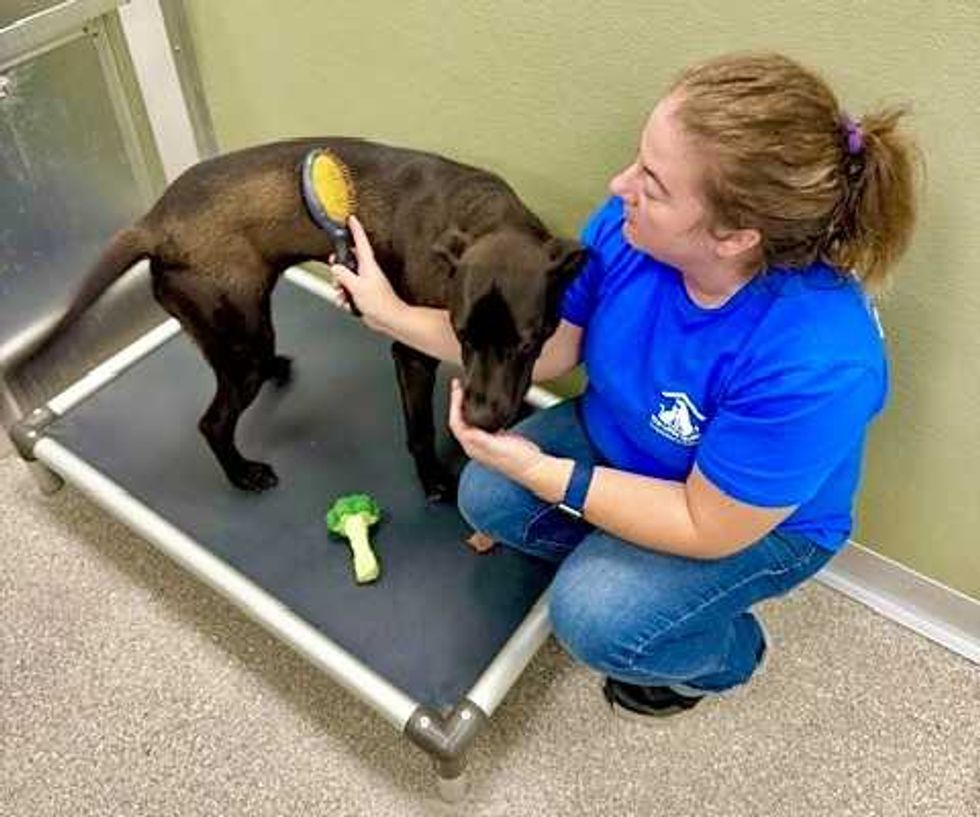 Tiffany Lemelin, shelter manager, brushing Marsala upon arrival.Provided
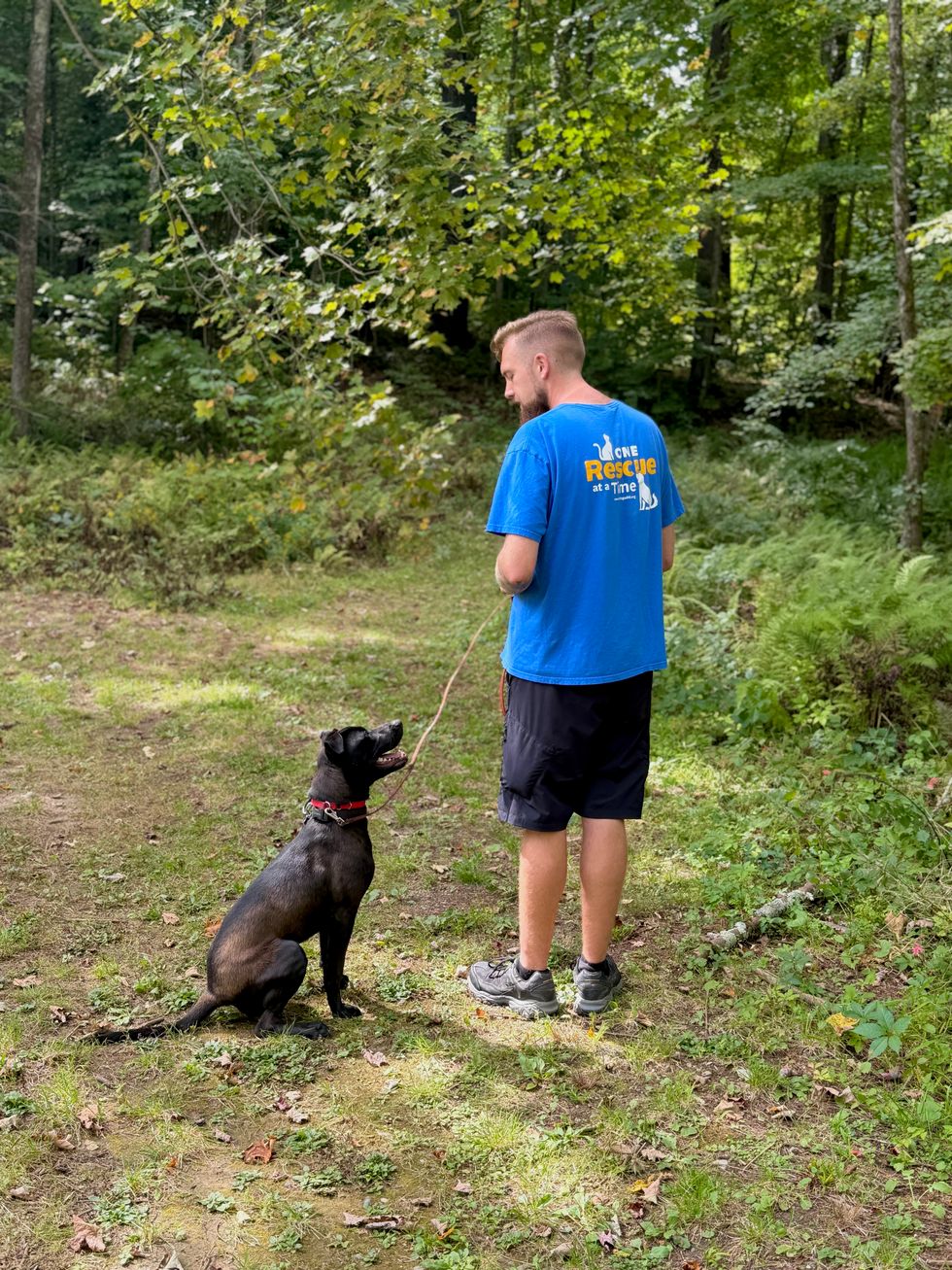 Michael DeBarba, certified dog trainer working with Marsala.Jennifer Almquist
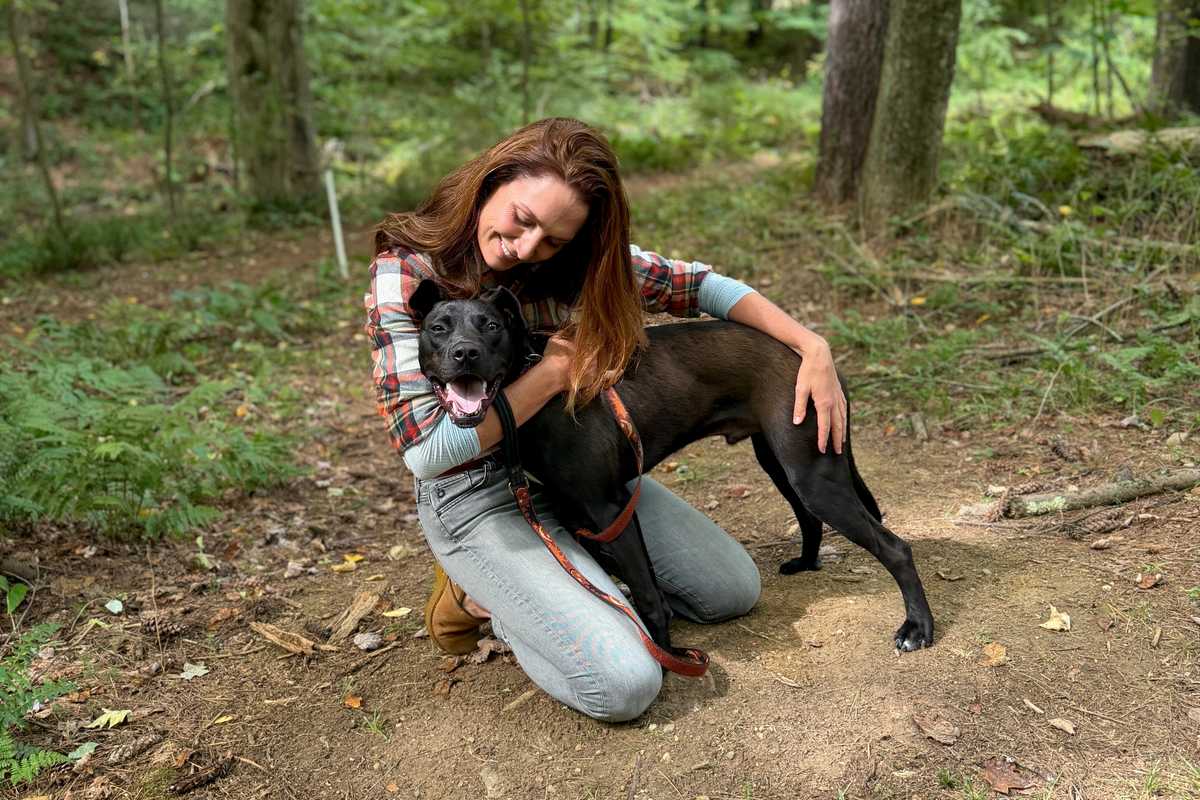 Marsala wins a heart.Jennifer Almquist
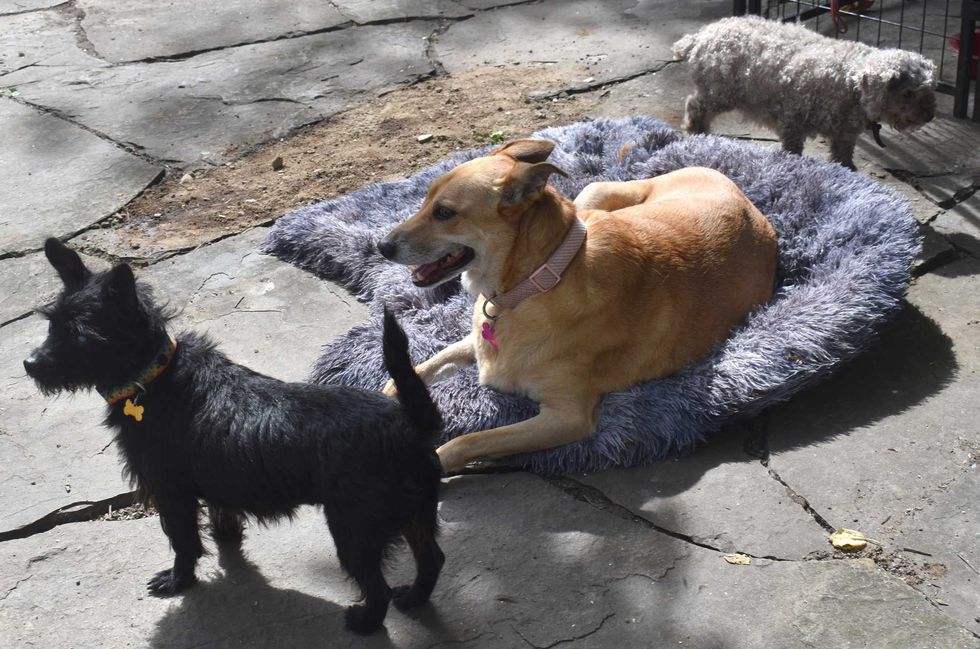 Sadie, center, a Carolina dog, plays with her friend Negra, a terrier mix. Bella Linda, the small poodle, has since been adopted.L. Tomaino
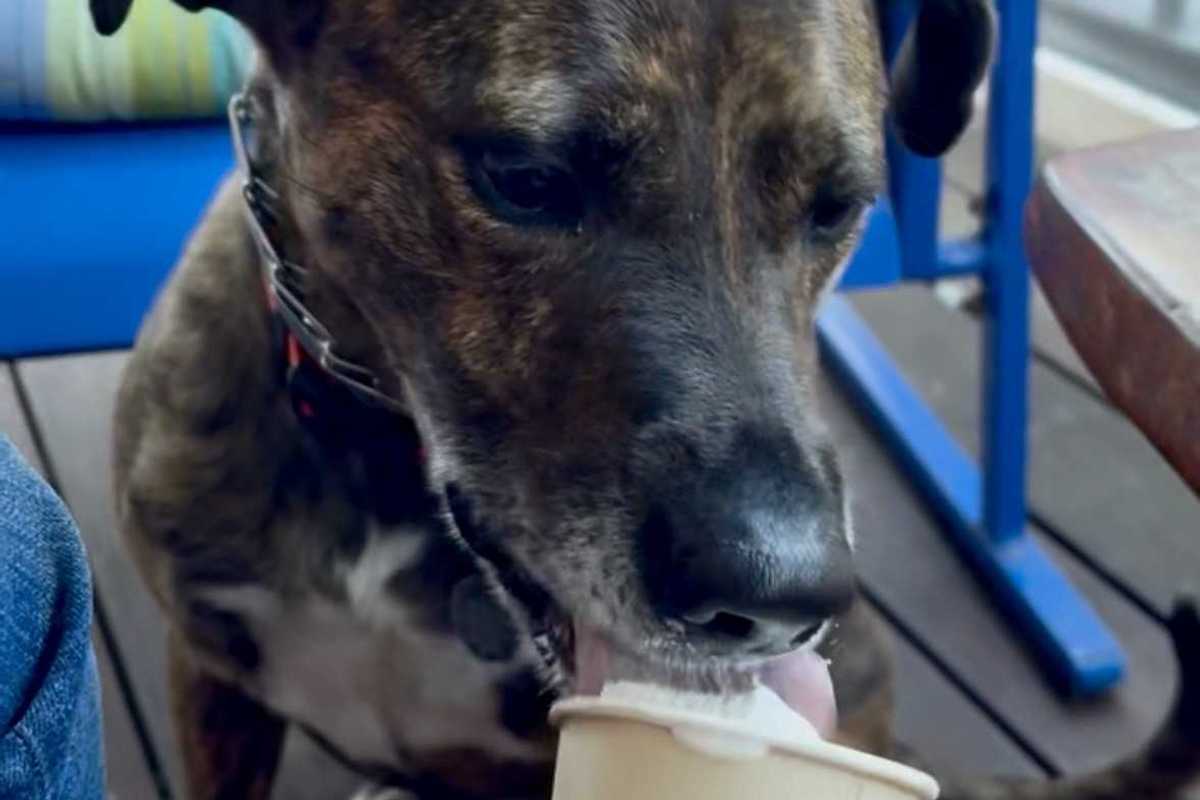
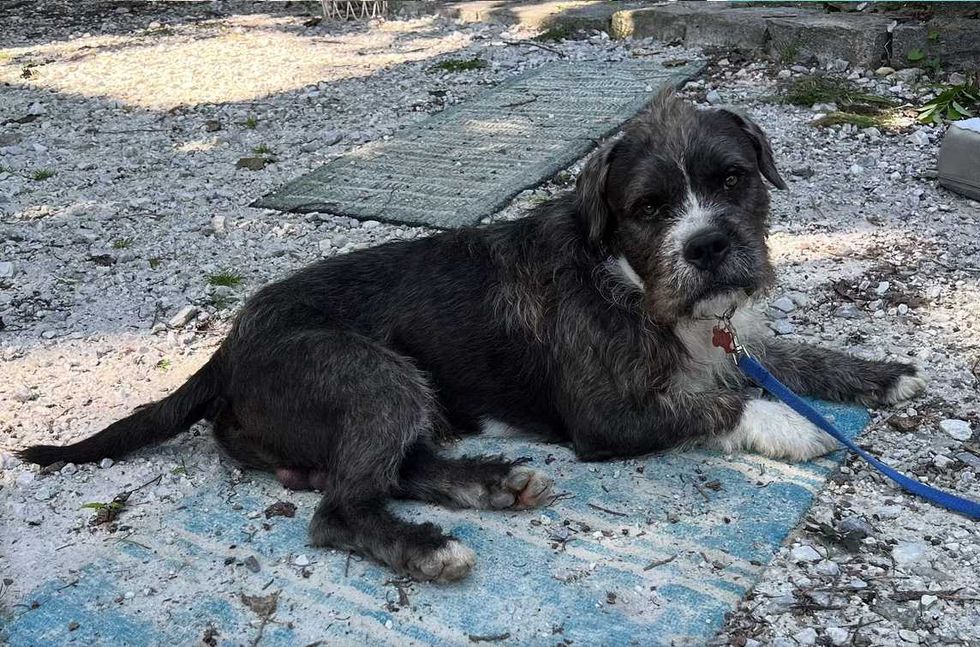 Wesley, a young, exuberant mix, is looking for an active home.L. Tomaino
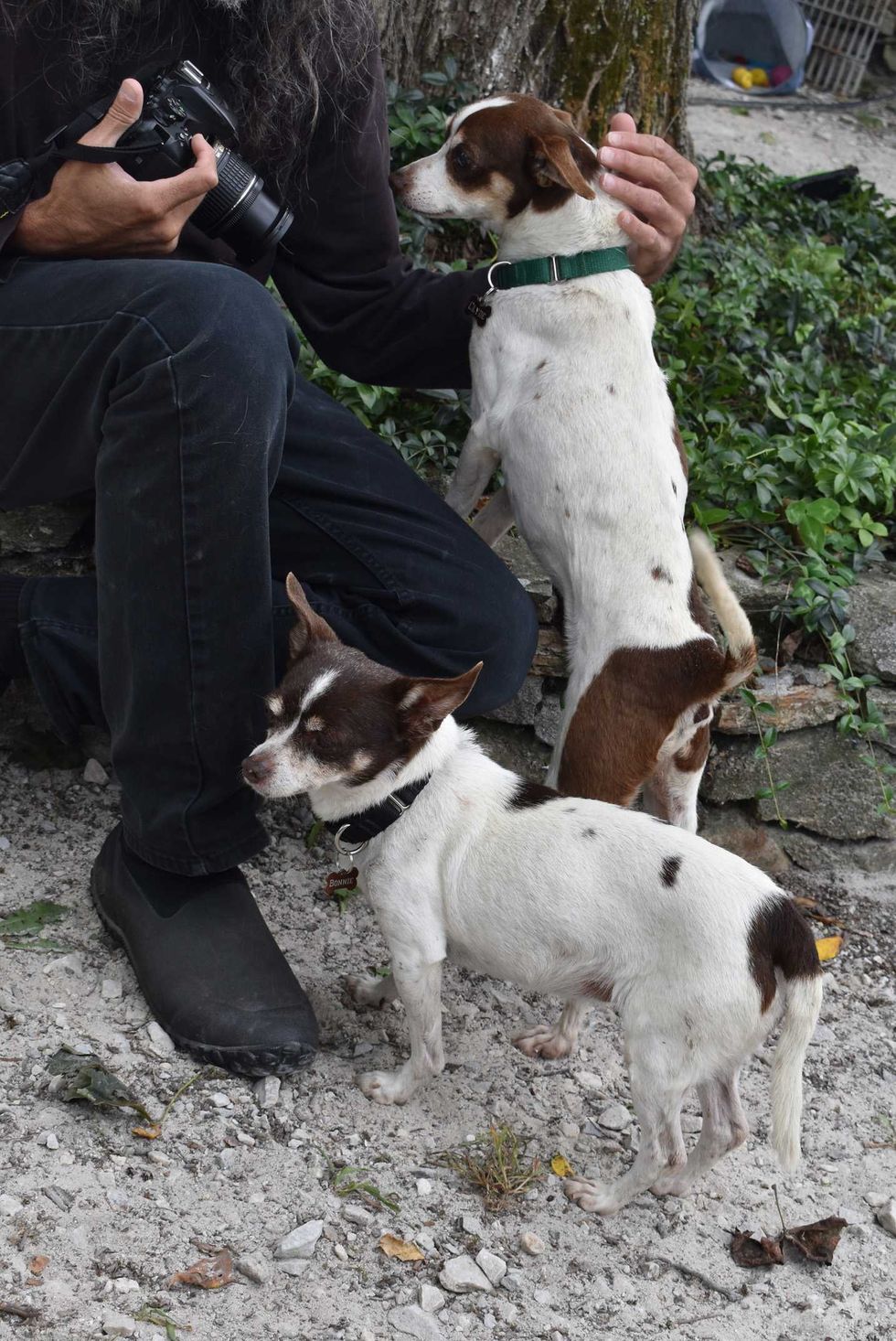 Bonnie and Clyde, an affectionate terrier pair.L. Tomaino
 Provided