The faces in Greg Gorman’s iconic photographs, which have appeared in GQ, Esquire, Harper’s Bazaar, Interview, and the dearly departed Vogue Homme, may recall a distinct time and place in celebrity culture — his swirling-haired photo of Keira Knightley for the poster of “Pirates of the Caribbean” certainly helped launch her fame — but the style of his black and white portraits is timeless. From Laura Dern to Jude Law, Brad Pitt to Ashton Kutcher, Gorman has an eye for capturing not just beautiful faces at their absolute prime, but evoking something direct and primal — his portraits confront the viewer with the intensity of celebrity, like being to close to a god.
Represented by Sohn Fine Art, founded by photographer Cassandra Sohn in Lenox, Mass., Gorman is teaching a four-day workshop on photographing portraits starting Sunday, Aug. 20. This exclusive masterclass will give enrolled students a chance to learn firsthand how Gorman communicates with his subjects and finds the right light and pose to make a shot iconic. He’ll also be speaking at Sohn Fine Art on Saturday, Aug. 19, in conjunction with a retrospective showcase of his portraits on view at the gallery.
I spoke with Gorman on the phone from his studio in Los Angeles, Calif.
Alexander Wilburn: How do you make someone feel comfortable in front of the camera?
Greg Gorman: Drugs and alcohol.
AW: Really?
GG: No, no, I’m joking. I just try to come up or down to their level to make them feel more comfortable. I share my vision with them while we’re shooting, show them the capture on the back of my camera — or in the old days, I’d show them a Polaroid. I just make them feel part of the process. So it’s not just a one-way street. There’s open communication between my subject and myself.
AW: You had these great photos of a young Leonardo DiCaprio smoking. Was giving him the cigarette a way of making him feel more at ease on the shoot?
GG: He was always one of my very best subjects. Leo was very comfortable in the early days of being in front of the camera. He could play out a role or be himself. He was much more comfortable than many actors and actresses I’ve met, who hate having their pictures taken. He and I just played a lot, he was amazing.
AW: I saw a show last fall at Fotografiska New York of David LaChapelle’s work. Both of you had these gorgeous, fun photos of Leonardo DiCaprio in the 1990s that I can’t imagine him taking now.
GG: I think the 1990s were a different era and there was a different mind-set then. I worked with Leonardo photographing publicity for his movies, from “This Boy’s Life” to “The Basketball Diaries” and “Titanic.”
AW: Particularly for male stars, is there something to photographing them early in their career before they’re so image conscious?
GG: Absolutely. I did a book of young actors called “In Their Youth,” and when you photograph them early in their career they’re less concerned with being perceived as butch or feminine. They’re still trying to find their own voice as an actor. I think they’re less self-conscious compared to when they’ve established an image that people have become aware of, an image that’s identifiable with their character. So shooting them in the early days, Leo, Mark Wahlberg, a lot of them, it’s a different ballgame.
AW: Mark Wahlberg was such a different cultural figure when he was young compared to now.
GG: When I went to photograph Mark I had heard “Oh he’s this,” and “Oh, he’s that.” I think the first thing I shot him for was for The Advocate. I heard people say, “He’s really difficult,” but I pride myself on never formulating an opinion ahead of time, and just letting the relationship ensue, rather than coming into a situation and expecting a certain thing. He was fantastic. We worked together for many years, and he was one of the great subjects in front of the camera. Like Leo, he was fun, he liked to play, he had a great sense of humor. We used to get high together and he would roll blunts.
AW: Was that a typical shoot?
GG: No, no, but Mark brought over a box of Phillies blunts one day and taught me how to roll a blunt.
AW: Now you open Instagram and celebrities are just taking their own pictures.
GG: I think with the idea of selfies… the realm of more classic photography that I was known for has gone by the wayside.
AW: Has social media changed the celebrity portrait?
GG: Oh 100%.
AW: The photo of Keanu Reeves on the beach in Malibu —
GG: He was just standing there changing on the beach, I had put the camera down waiting for him to get dressed, and he said “Shoot me in the towel,” so I shot a couple of frames.
AW: The photo at the time felt like such a rare glimpse into a private life.
GG: Well it kind of was. We were doing a big shoot for Detour Magazine, we were up in Malibu Canyon I think, he wanted to ride out there on his motorcycle.
AW: Now things are much more open. We see a lot more from stars — not through an artistic eye. There’s just a lot more access as they go live on Instagram, show off their houses on Youtube.
GG: The public may feel like there’s more access through social media interactions, but on photosets, it’s gotten much more stringent and difficult. It’s one of the reasons I got out of the business a while ago and decided to pursue a career in teaching and education.
AW: How was it gotten more stringent?
GG: I just think the level of control with the publicist and what they’ll approve and accept is much more difficult I think. It used to be I could invoke my own thoughts and feelings into a photo shoot, and now you’re being told what you can and can’t do, and the publicists have full creative control: which pictures get released and what access those pictures can receive. It changed a lot.
AW: As an educator of photography, what’s something you can’t teach?
GG: I can’t give somebody an eye. I teach someone how to technically do everything, the best way to pose, and the best way to take a solid picture, but I can’t create an eye for somebody. Everybody has to have their own vision. I can tell them how it’s done, but at the end of the day, to create something that’s original, that has to come from inside them.
AW: You’ve said in the past that the secret to a great nude portrait is connecting with the subject’s eyes in the photograph.
GG: I’m a big believer in that. I really don’t find a male or a female nude portrait particularly interesting if you can’t connect with the face. For me, it starts with the face, it has to be intoxicating and interesting.
AW: Who has an interesting face today?
GG: I love Timothée Chalamet and I really love Austin Butler, I think they’re two of the really interesting young actors who turning out interesting work. I think Austin Butler got robbed last year at the Academy Awards for “Elvis.”
AW: Is there anyone you missed out on shooting that you wish you could photograph?
GG: Brigitte Bardot was at the top of my list, I always wanted to do a project with her. I want to photograph her now, actually. As a boy growing up, I was always fascinated by her, and would see all her movies and just thought she was the cat’s meow. I think she’s an amazing person because she’s allowed herself to grow old, but she’s such a reclusive character, I think it would be great to do a book of her the way she is now.
AW: That really would be a look into a private life.
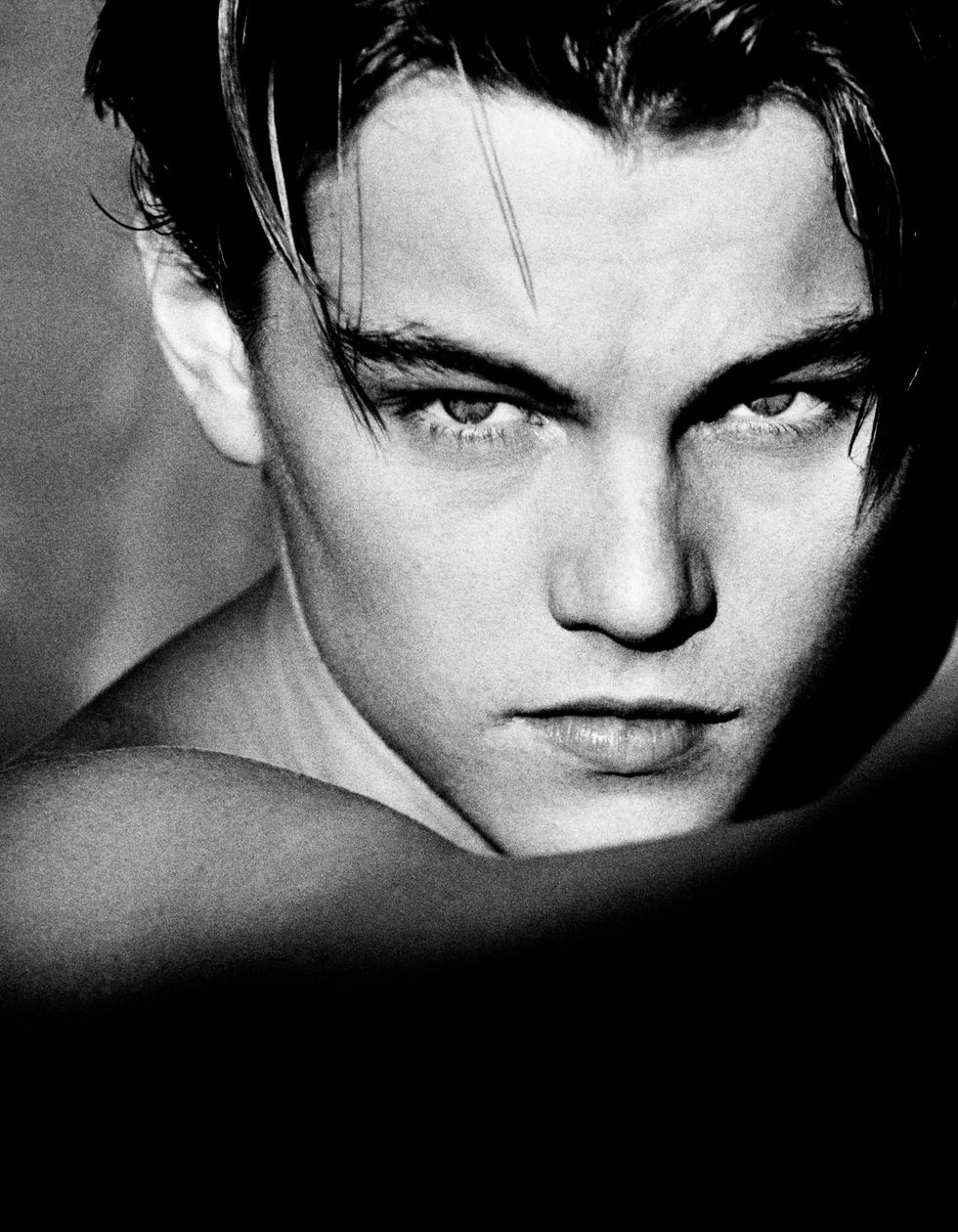
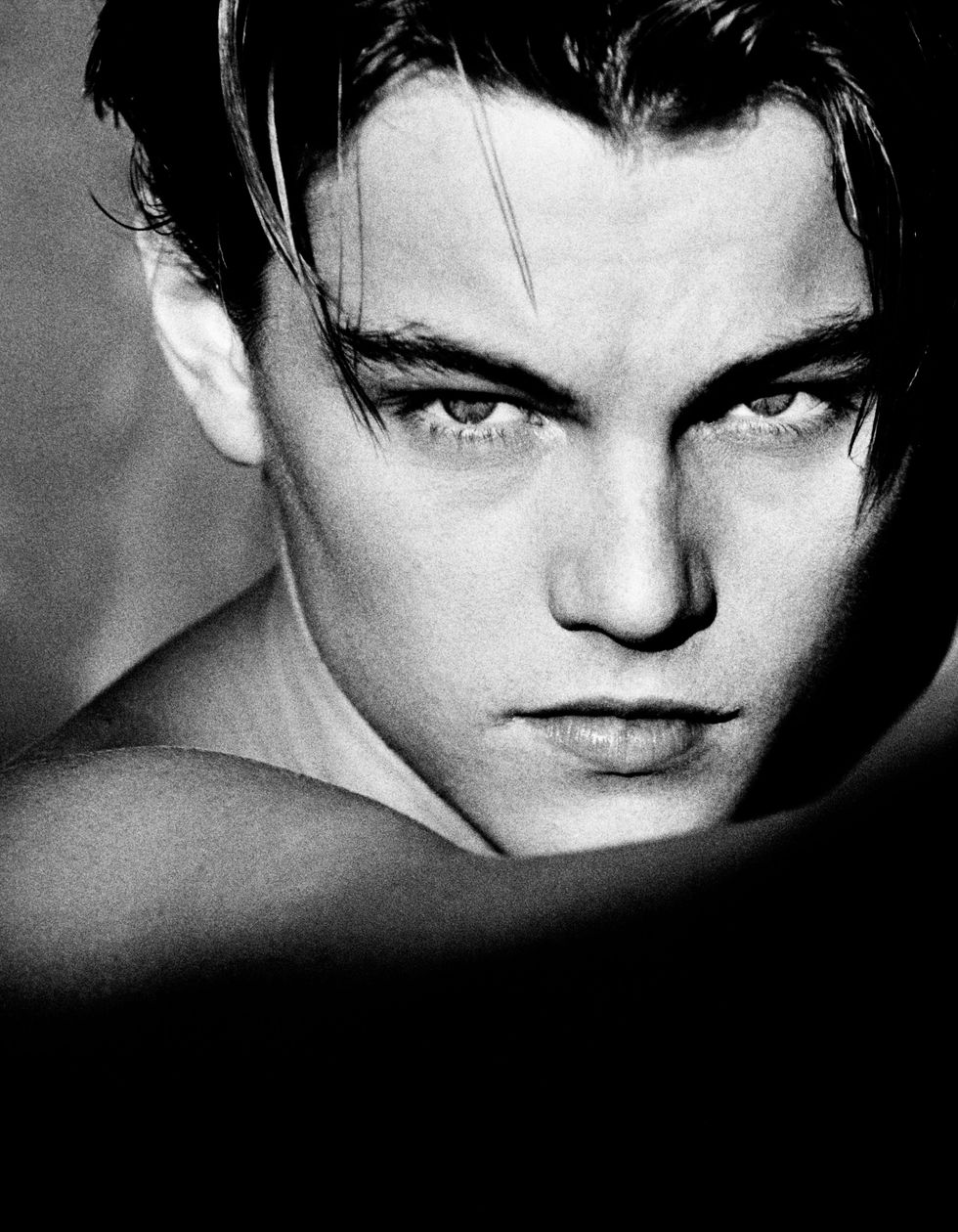
‘Leonardo DiCaprio, 1994’ by Greg Gorman Courtesy of Sohn Fine Art
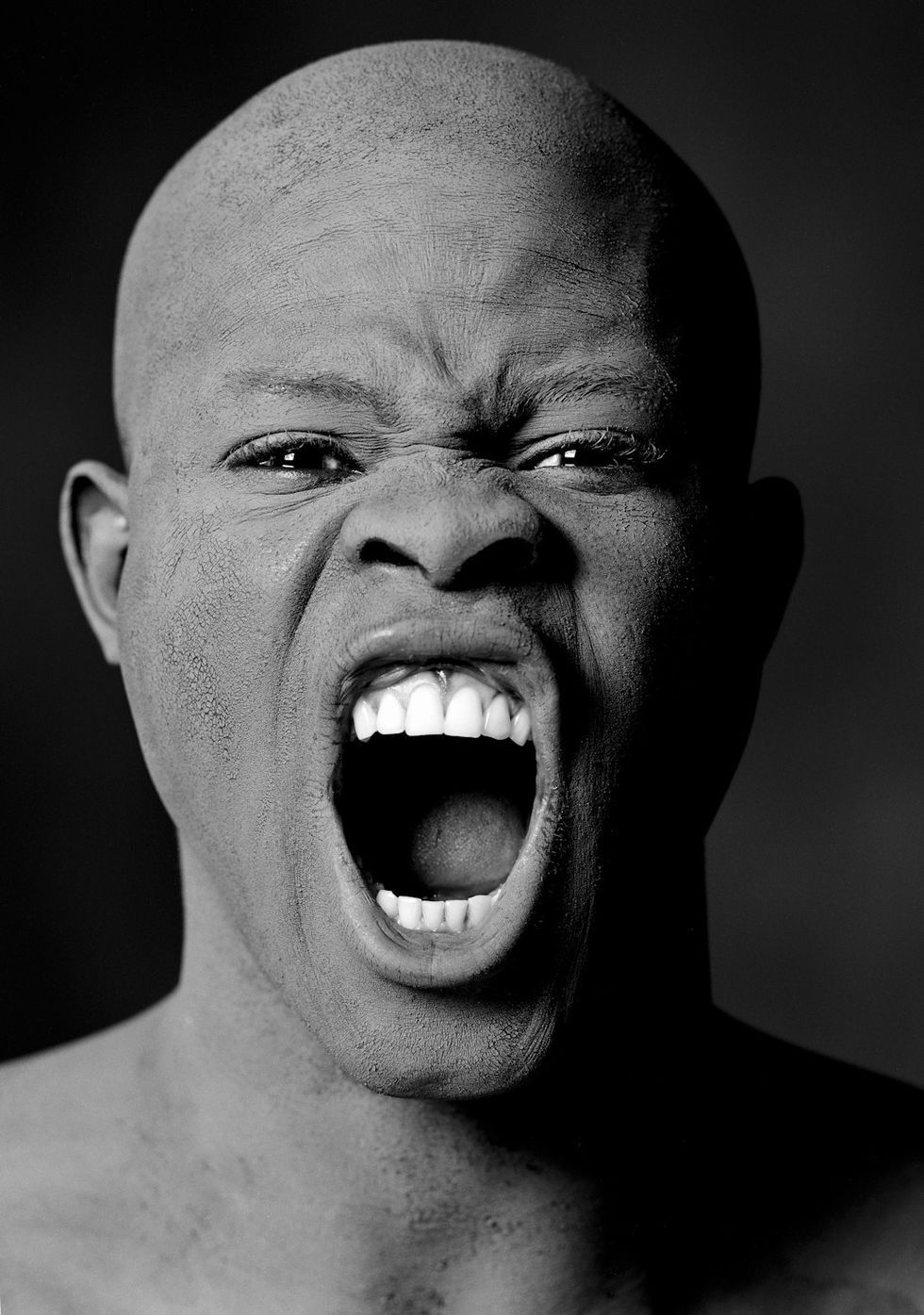
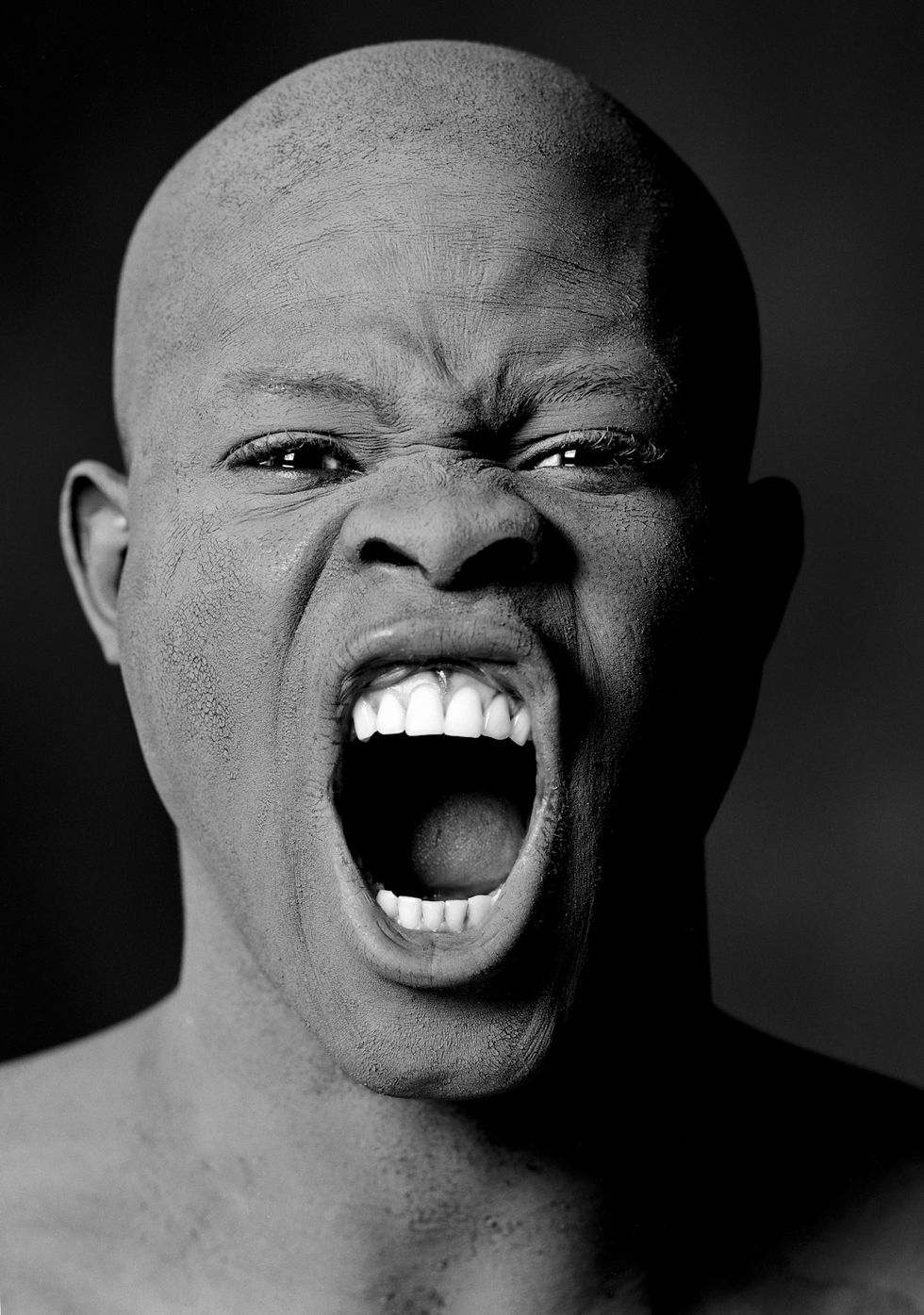
‘Djimon Hounsou, 1991’ Courtesy of Sohn Fine Art
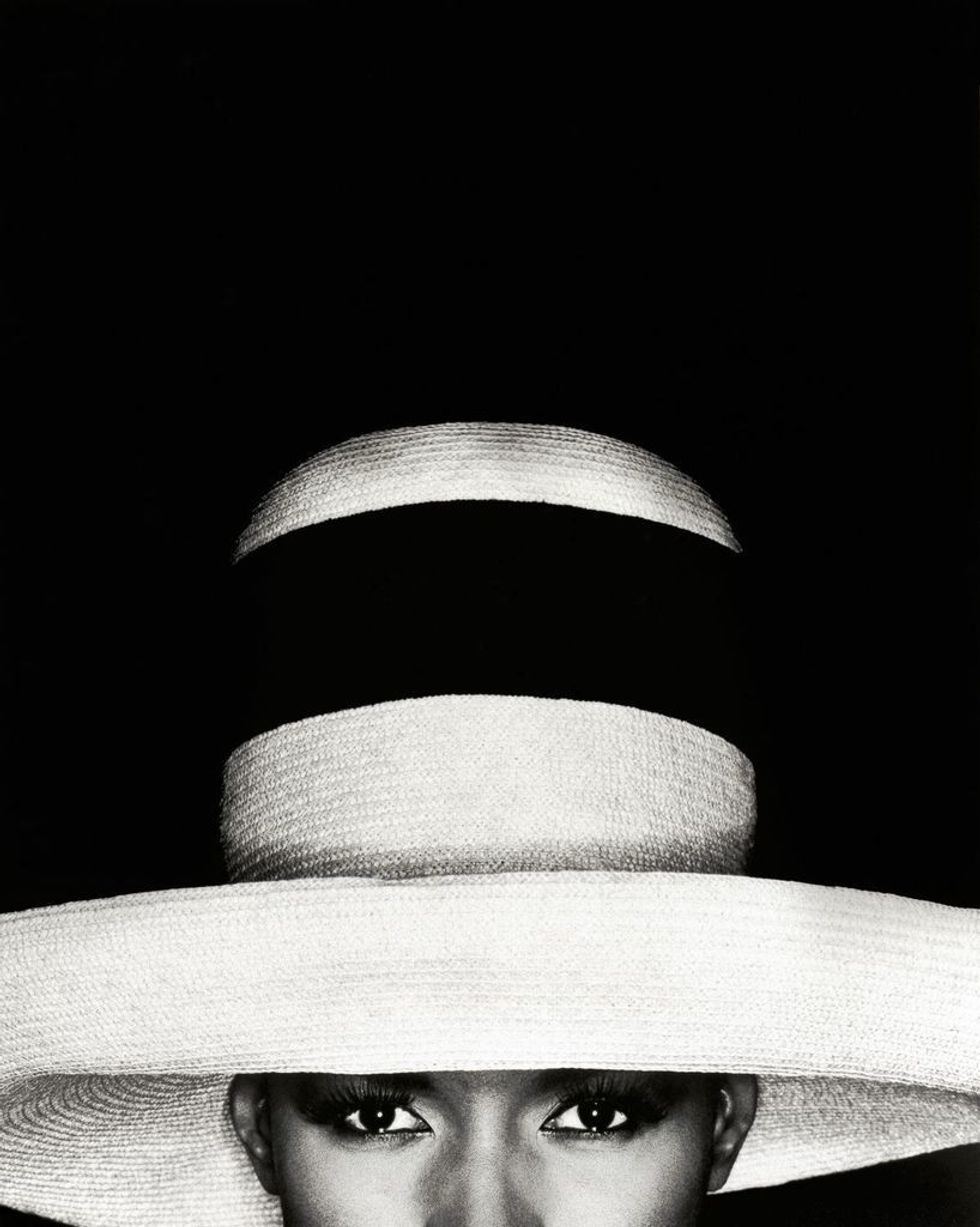
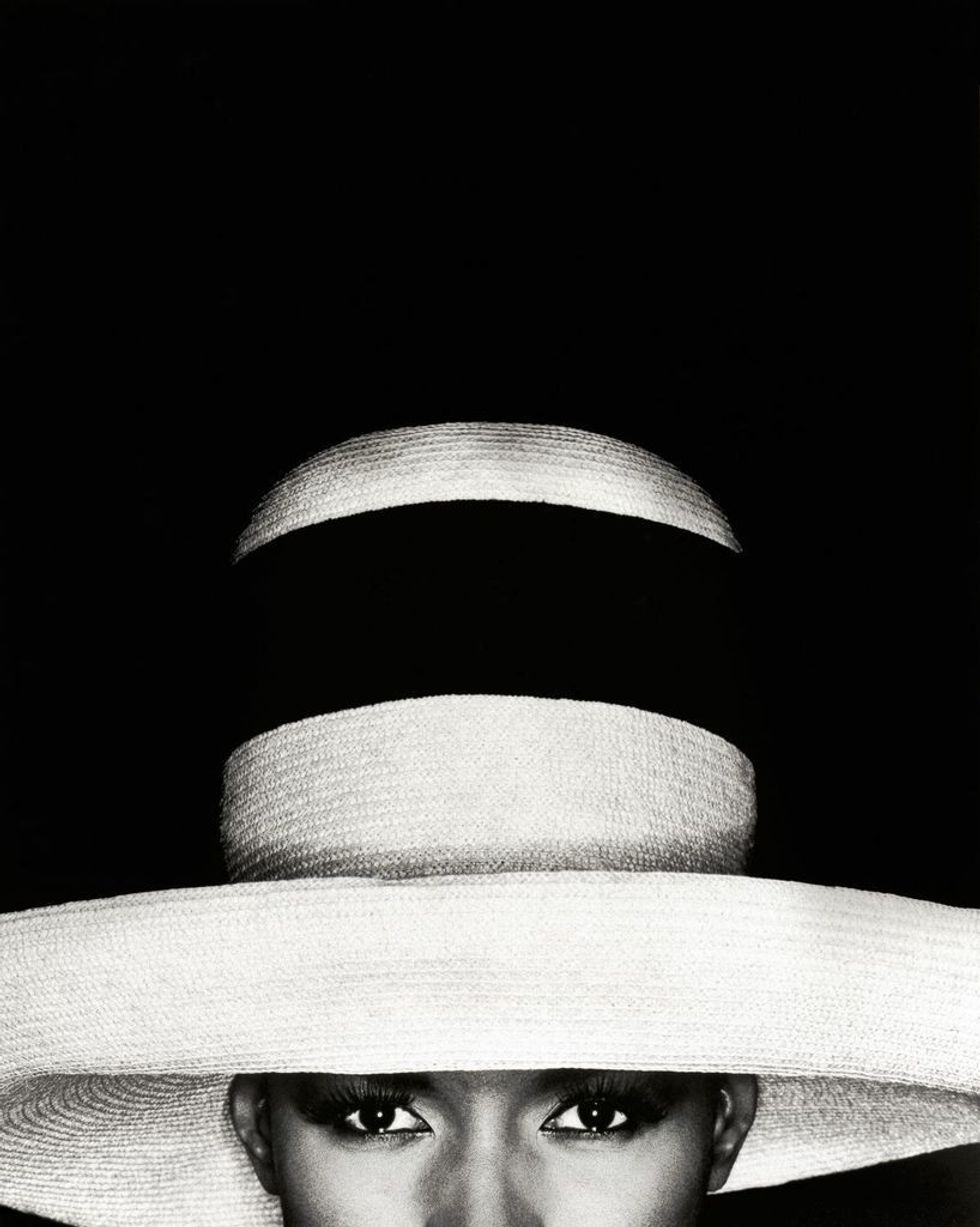
‘Grace Jones, 1991’ by Greg Gorman Courtesy of Sohn Fine Art

 Meg Sher, executive director of the David M. Hunt Library in Falls Village.L. Tomaino





 Samir LanGusProvided