In the fall of 2020 — months into a global shutdown and at the onset of a long, uncertain winter — a group of artists, organizers and community members in the area undertook what many believed to be an impossible task: staging a full reimagining of “The Nutcracker” during the height of the COVID-19 pandemic. Their story is now captured in the new documentary “The Nutcracker at Wethersfield,” directed by award-winning filmmaker Annie Sundberg.
For Sundberg — long known for documentaries tackling heavy social issues — the project was a significant departure from her previous work. “It really felt like a fairy tale. This just felt very pure in an incredibly delightful way,” she said.
The idea began when choreographer and Ballet Collective artistic director Troy Schumacher feared that the annual “Nutcracker,”a lifeline for dancers and audiences alike, would vanish entirely that year. “We all began to realize that ‘The Nutcracker’ was probably going to end up getting canceled,” he said. “As working artists this also felt very scary for us, because ‘The Nutcracker’ is such an essential part of our year.”
Around this time, Schumacher was invited on an impromptu tour of the Wethersfield Estate in Amenia. After seeing the historic home and gardens, he immediately recognized its potential. “We weren’t expecting to have this revelation that this place could actually serve as the perfect and perhaps only place that a ‘Nutcracker’ could exist that year.” But that’s exactly what he came away thinking.
As the seed of an idea gradually became something more tangible, Tara Schafer — the executive director of the Wethersfield Estate and an executive producer of “The Nutcracker at Wethersfield” — recalls the legwork that went into the project. “The entire production was really made possible by people of the Millerton, Millbrook and Pine Plains area. People in the community really rallied together to support these artists to try to achieve the impossible.”
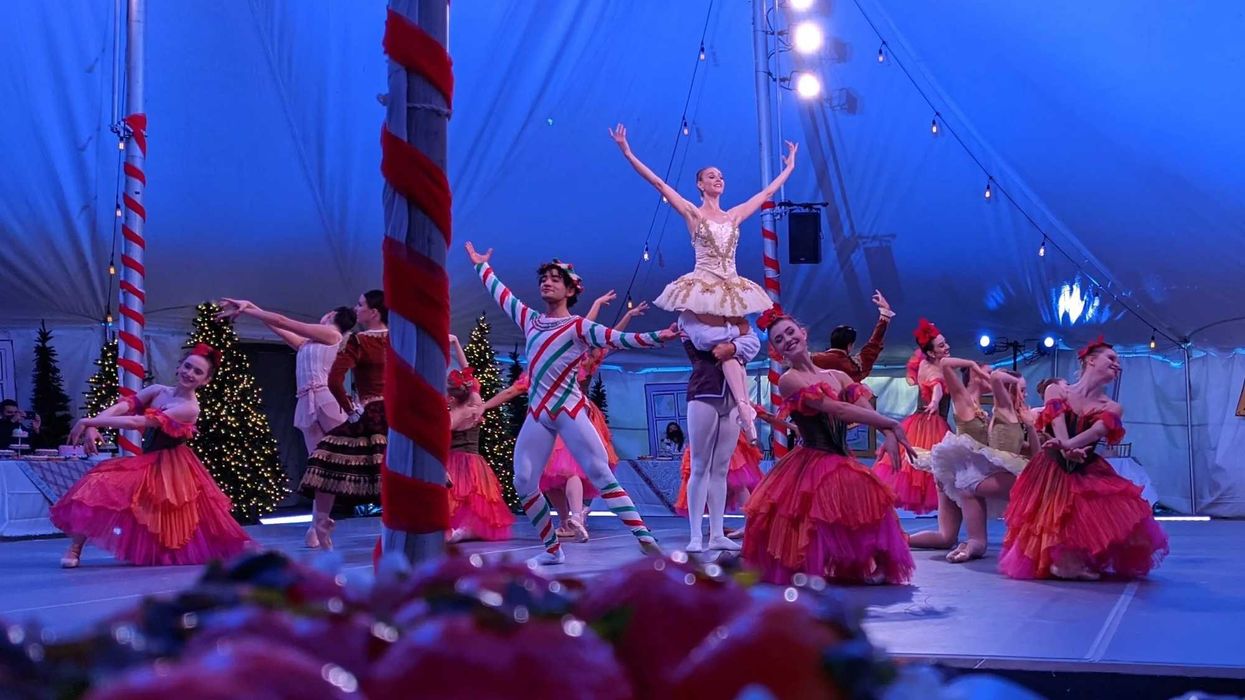
What followed was a whirlwind. Over five weeks, 24 New York City Ballet dancers lived and rehearsed on site — masked, distanced and isolated — to bring the performance to life. And the performance itself prioritized an audience who most needed joy that season: frontline workers, first responders and community members deeply affected by the pandemic.
Sundberg’s film captures both the dreamlike beauty of the production and the emotional stakes behind it. “It’s about creative resilience,” she said.
For Schumacher, the memory remains powerful. “It was this really bright spot in a very dark, scary time for all of us,” he said. “People can come together and work hard and achieve things that seem impossible.”
For the filmmakers, the dancers and the local volunteers who helped make the performance possible, “The Nutcracker at Wethersfield” stands as a testament not only to artistic determination but also to community collaboration in times of uncertainty. This holiday season, the film offers audiences a chance to revisit a moment when creativity, courage and holiday spirit helped light the way through darkness.
The film, which had its world premiere at DOC NYC, screened at The Moviehouse in Millerton on Thursday, Dec. 11, and was followed by a Q&A with director Annie Sundberg and executive producer Tara Schafer. Upcoming screenings will take place Thursday, Dec. 18, at Upstate Films/Orpheum Theater in Saugerties, New York, and Saturday, Dec. 20, at Bantam Cinema in Bantam, Connecticut. Both screenings will be followed by a Q&A with Sundberg.
For a listing of upcoming screenings, visit: nutcrackerfilm.com. For those who can’t make it to a local screening, the film is also available to rent exclusively through the website from Dec. 21 through Jan. 5. You can even gift a rental to someone for the holidays!
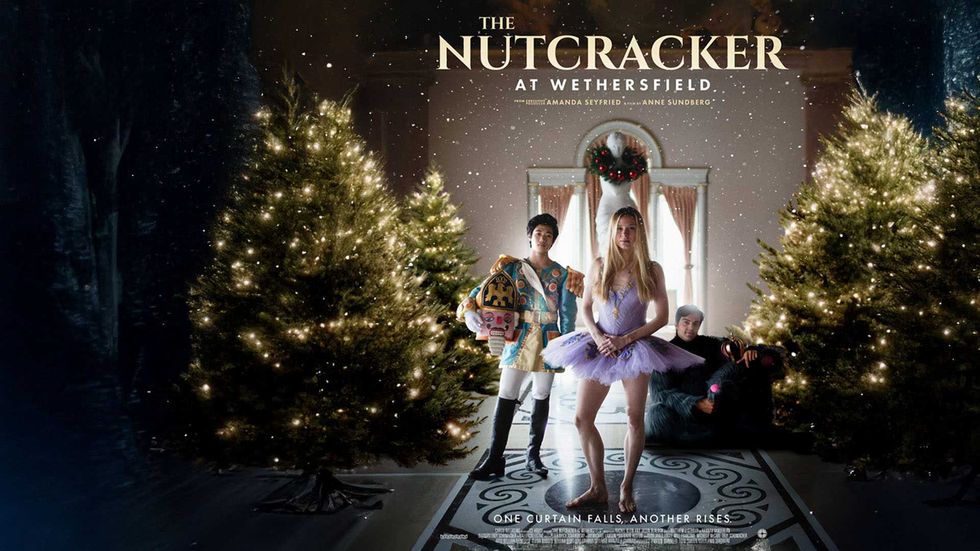 Movie poster for ‘The Nutcracker at Wethersfield’Provided




 Pay Bill for Robin Starr’s service in the Continental Army.Courtesy the Alex Breanne Corporation
 John Mills speaking at Quinnipiac University.Courtesy the Alex Breanne Corporation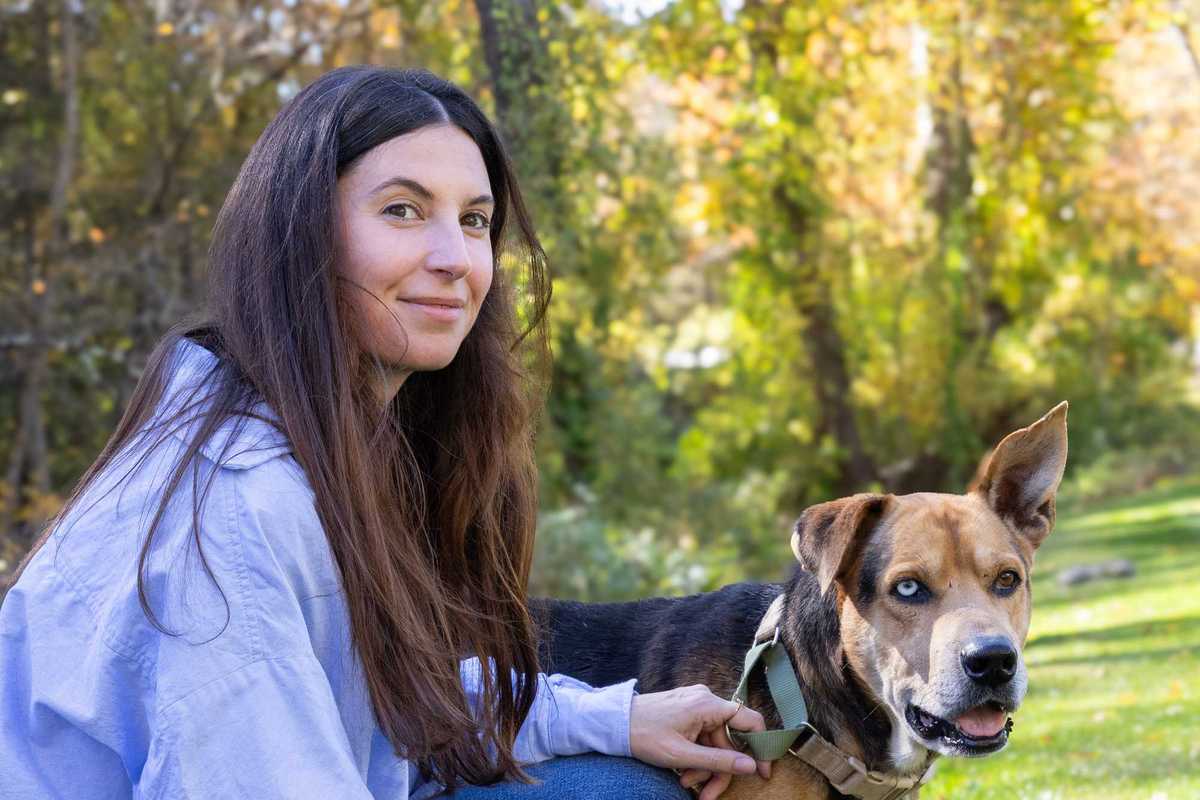
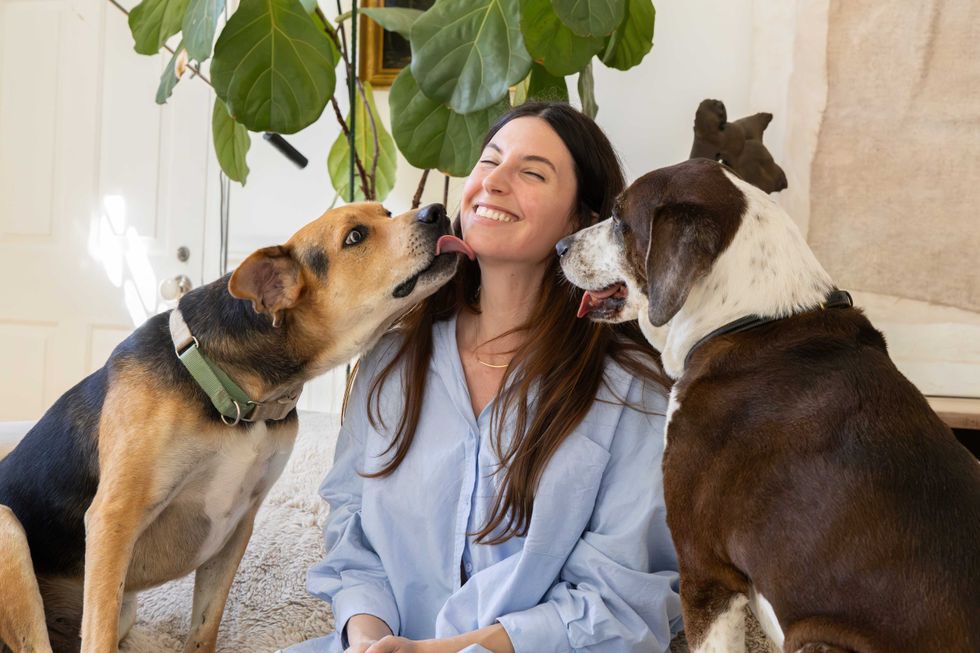 Stephanie Saetta,with her rescue dog George and Blue (left), a shepherd mix awaiting his forever home.Madi Long
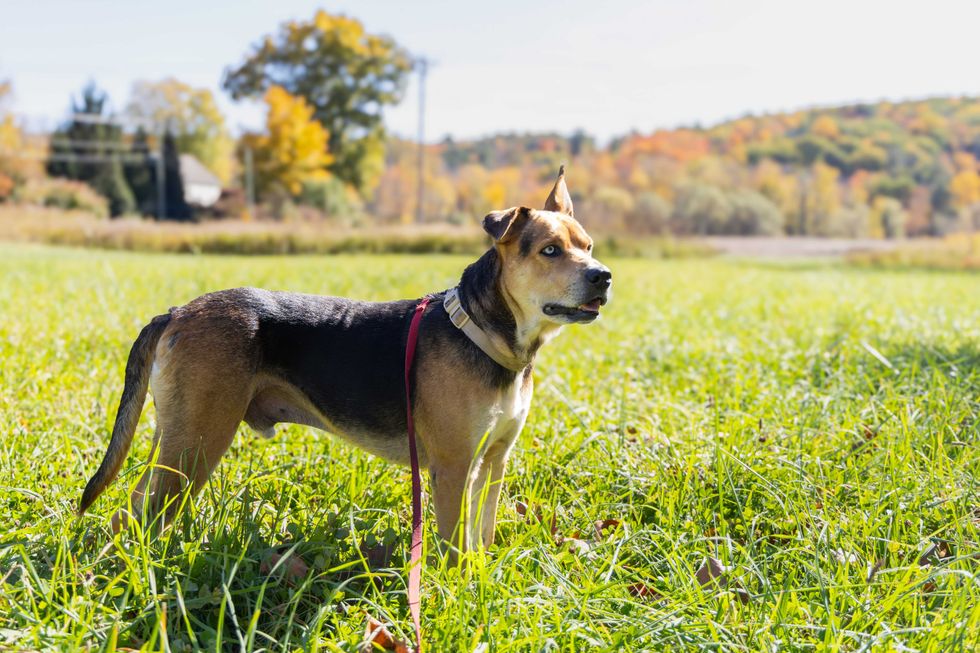 Blue, a 7 year-old Shepard mix, is waiting for his forever home. Madi Long