Fifteen thousand U.S. Troops mass on land and sea. Facing them, the beleaguered president of a nation 11 times smaller than the U.S.Will we invade and why? “I don’t rule out anything,” answers the president of the United States.
A near naval blockade surrounds tiny Venezuela. President Trump has accused his counterpart, Venezuela’s Nicolas Maduro, of leading the Cartel de Los Soles, a designated foreign terrorist organization. Maduro denies it, claiming Trump is simply using that pretext to effect regime change. But before you start lambasting Donald Trump for going off the deep end, consider the following.
We are witnessing Gunboat Diplomacy, a tried-and-true American tactic that dates back several centuries. For example, one of the first things a Paris Island Marine recruit like me memorizes in boot camp is the Marine Corps Hymn. It starts with “From the Halls of Montezuma to the Shores of Tripoli; We fight our country’s battles…” Want to know where that comes from?
In June 1815, the U.S. Navy, still in its infancy, blockaded the nations along the North African Coastline, bombarding Tripoli until they signed a treaty promising not to attack American trade ships. The capture of Mexico City was next in 1847. A couple of decades later, in 1853,Commodore Matthew Perry’s naval expedition steamed into Japan’s ports. He was hellbent on asserting U.S. interests and trade by force, if necessary, against the Japanese, which had a long-standing policy of isolation.
The following year, we participated in similar exercises in China along the Yangtze River. Skip a few years, and then again,an invasion ofPanama in 1903. I could go on, but the point is that America has exercised a lot of foreign policy over the years by using the threat or the use of force, most often through the U.S. Navy and the Marines on board.
In my last column, I outlined some of our history with Venezuela and its current economic, political, and military relationship with both China and Russia. I wrote that our domestic energy production is peaking. Trump’s “Drill, Baby, Drill” policy involves a significant expansion of lease sales to drill for oil off the coasts of Alaska, California, and the Gulf of Mexico.
Lease sales do not guarantee buyers will drill. To do so requires a higher oil price than we have now, and the president wants energy prices to fall further. Given that conundrum and America’s need to procure additional energy reserves, Venezuela’s 303 billion barrels of proven reserves are a tempting target.
The problem is that Venezuela, under President Nicolas Maduro, is no friend of the U.S. After years of U.S.-imposed sanctions, Venezuela’s economy continues to decline, with the only hard money the country earns coming from its role as a transit country for drug smuggling.
Despite having the world’s largest oil reserves, Venezuela’s oil production has been declining for years, from 3.2 million barrels per day in 2000 to roughly 800,000 barrels per day in 2025. The decline is attributed to years of underinvestment and mismanagement, limited access to capital, and little to no maintenance. Maduro, and before him Chavez, drove the industry into bankruptcy. They expropriated foreign oil companies, drove investors and technology away, and engineered an almost complete collapse of infrastructure and refineries.
To turn around Venezuela’s oil industry would require $20 billion per year over 2 to 3 years. Once completed, it would require 4-5 years to yield additional production, according to the U.S. Energy Information Administration. At that point, the country could sustain an additional 1 million barrels per day.
Another challenge is in the complexion of Venezuela’s oil. The Orinoco heavy oil is the largest accumulation of heavy and ultra-heavy crude in the world. About 77% of the country’s oil reserves are in that region. This oil requires specialized refineries to process this high-density fuel.
Extracting this material is difficult and involves high greenhouse gas emissions, making it one of the more carbon-intensive oil sources in the world. Believe me, I have been there. It’s a complex extraction process in a remote, treacherous jungle environment that requires substantial energy and water and generates significant waste.
There are about 125 operational oil refineries located primarily along the Gulf Coast, in Texas, Louisiana, California, and the Midwest, that already process a significant amount of heavy oil. The supply of heavy crude has been shrinking, however, due to prolonged OPEC supply cuts and sanctions on Venezuela, Iran, and Russia. A lifting of sanctions on Venezuela would be a welcome development for refineries struggling to find cheap supplies.
Trump’s gunboat policy might succeed in ousting the present government through the threat of force or an actual invasion. That would be dangerous but doable. A ready replacement, Nobel Peace Prize winner Maria Corina Machado, who is widely popular in her country, would quickly embrace the U.S. and, presumably, an oil-friendly policy along with it.
A harder sell is convincing Maduro to step down and/or abandon his allies, and to embrace the U.S. once again after years of bad blood. It could happen, but it is unlikely. And even if that were to happen, the road ahead would require years of effort and money. The United States would have a hard row to hoe to secure this Latin American country’s energy wealth without Machado or someone like her in office.
Many critics of the president and administration believe that Trump’s Venezuela invasion tactics are a domestically motivated diversionary tactic. If so, the tactic has yet to play out. Clearly, in the short term, Donald Trump’s focus is on becoming the peace president. His reputation as a consummate deal maker is currently fully occupied with accomplishing peace between Russia and Ukraine, while holding together a fragile agreement between Israel and Hamas.
It also appears the president is changing his justification for regime change from fentanylsmuggling (which was a mirage in the first place) to ejecting Russia, Iran, and China from the western hemisphere.To some, Venezuela may be a bridge too far for now, but I wouldn’t put anything past this guy in the months ahead.
Bill Schmick is a founding partner of Onota Partners, Inc., in the Berkshires.Bill’s forecasts and opinions are purely his own and do not necessarily represent the views of Onota Partners, Inc.

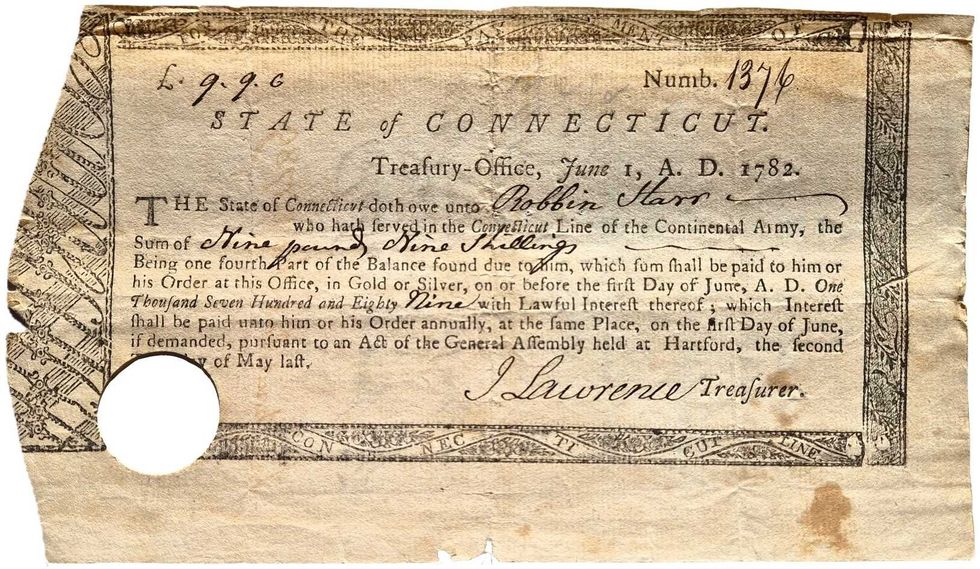 Pay Bill for Robin Starr’s service in the Continental Army.Courtesy the Alex Breanne Corporation
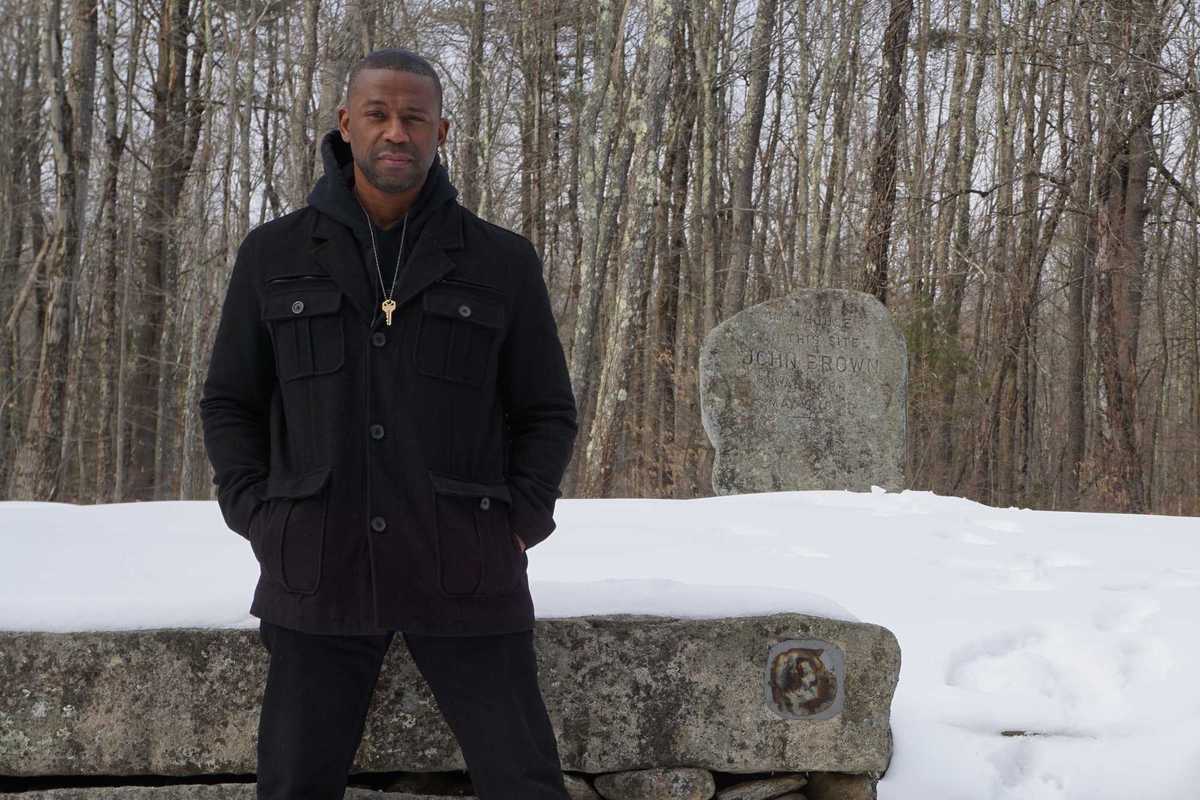
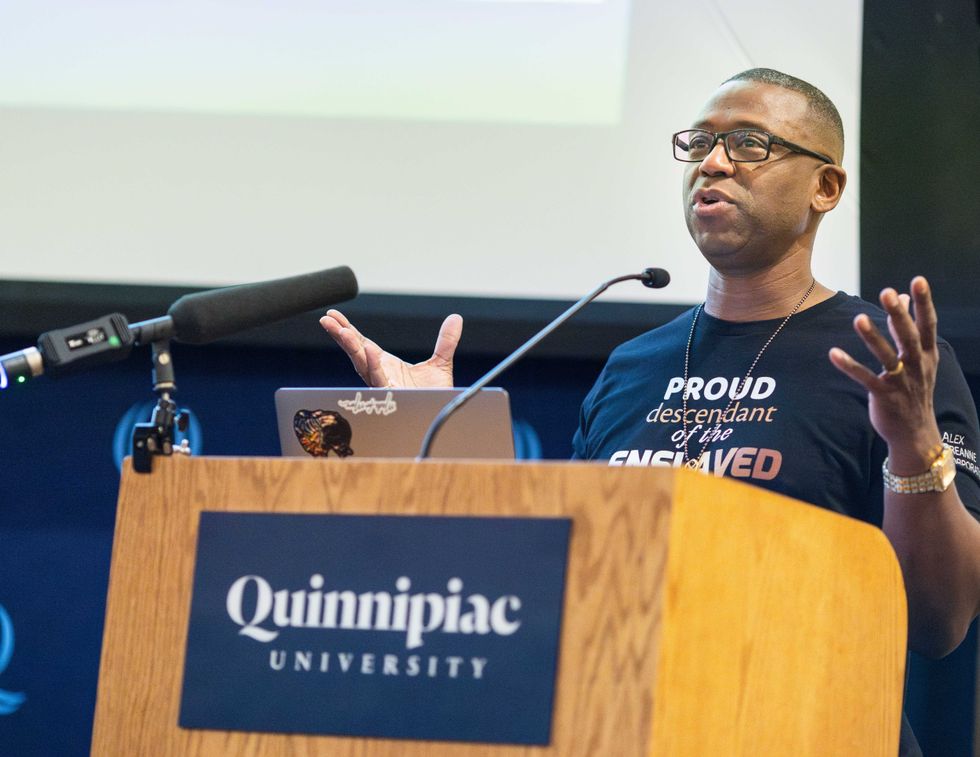 John Mills speaking at Quinnipiac University.Courtesy the Alex Breanne Corporation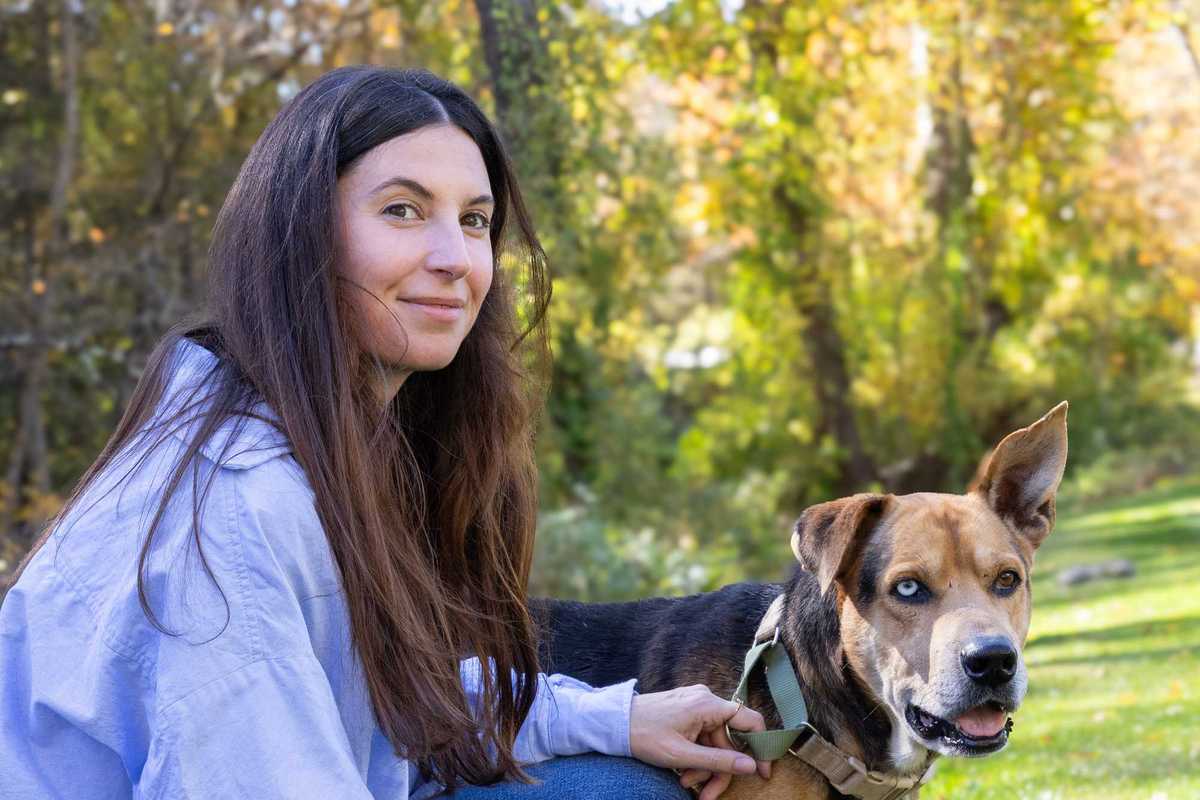
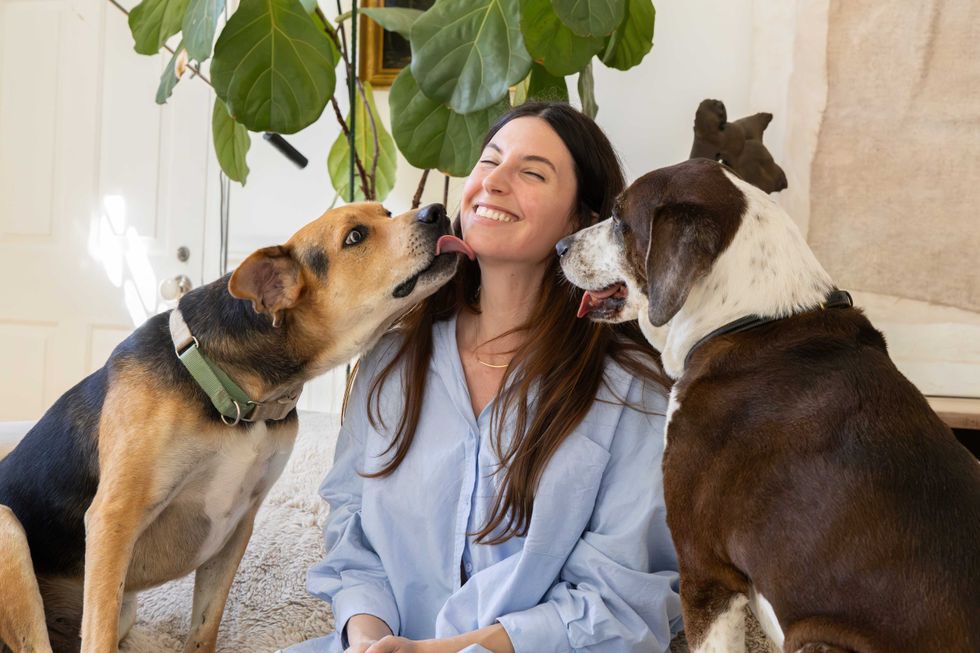 Stephanie Saetta,with her rescue dog George and Blue (left), a shepherd mix awaiting his forever home.Madi Long
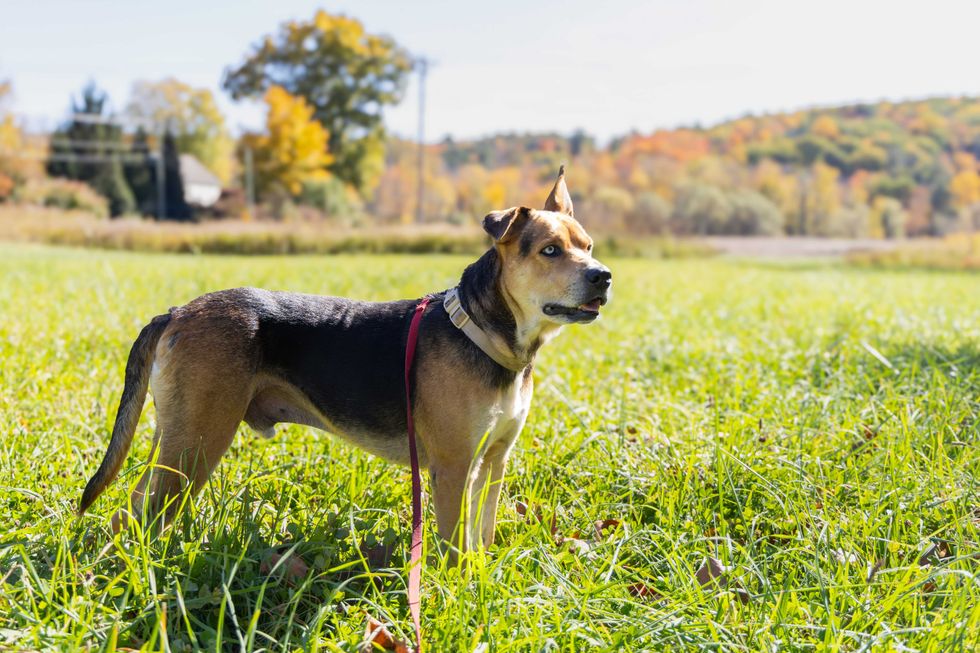 Blue, a 7 year-old Shepard mix, is waiting for his forever home. Madi Long