WEST CORNWALL — Winter brings a predictable slowdown for many Northwest Corner businesses, particularly those tied to tourism and seasonal traffic — a pattern local employers say aligns with broader employment trends across Connecticut.
At Covered Bridge Electric Bike in West Cornwall, a family-owned shop that sells, repairs and rents e-bikes, colder months mean fewer customers and reduced staffing.
“It’s very seasonal,” said co-owner Meg Ensign, who has run the business with her husband, Bob, since 2019. “We definitely staff up in the warmer months with high school and college kids — and our own children. Hiring varies from year to year, and right now it feels very unpredictable.”
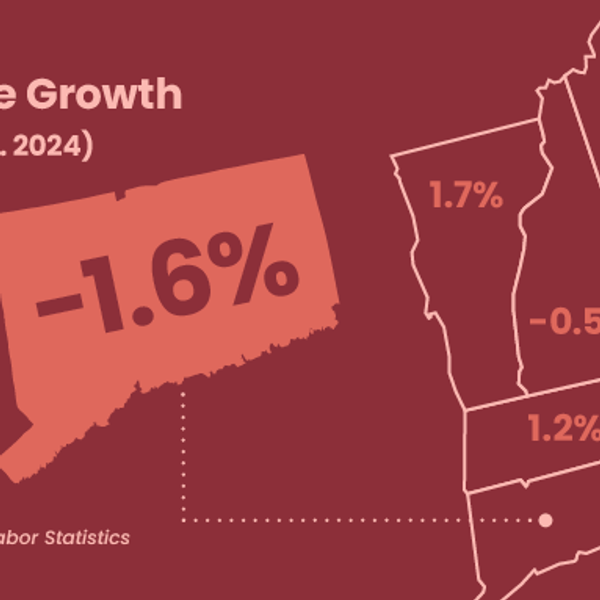
That local experience reflects statewide labor data released for December 2025, which show employment declines in sectors that typically feel winter slowdowns first, including leisure and hospitality.
According to the Connecticut Department of Labor’s latest monthly report, the state lost a net 500 nonfarm jobs in December, and the unemployment rate rose to 4.2%. While the rate remains below the national average of 4.4%, it is up a full percentage point from a year earlier.
“The unemployment rate remains low, but Connecticut had an up-and-down year,” said Patrick Flaherty, director of the Office of Research at the Department of Labor. “Job growth was particularly weak in the second half of the year.”
Employment data are reported primarily by large metropolitan labor market areas, none of which directly capture conditions in the Northwest Corner’s rural towns. Still, statewide trends often echo local experience, particularly in weather- and tourism-sensitive industries.
Ensign said uncertainty around tariffs, evolving e-bike regulations and broader economic conditions has made planning more difficult.
Rentals, a major part of the business during spring and summer, are largely dormant through the winter months.
Leisure and hospitality employment declined again in December, along with manufacturing and construction — sectors sensitive to weather, tourism cycles and discretionary spending.
A similar seasonal pattern plays out locally.
At the White Hart Inn in Salisbury, General Manager Dan Winkley said winter staffing levels are typically lower, with hiring increasing in the spring and summer.
The inn and restaurant currently employ more than 50 full- and part-time workers, a number that generally rises to about 65 during busier seasons.
“The nature of our business is that we do most of our hiring for the spring and summer,” Winkley said. “We’re fortunate to have a lot of long-tenured staff, so it’s usually just a position here and there that needs filling.”
Even as hiring fluctuates, some employers are meeting demand through efficiency rather than workforce expansion.
Chris DiPentima, president and CEO of the Connecticut Business & Industry Association, said strong economic output alongside a shrinking labor force suggests businesses are relying more heavily on productivity gains.
“The third-quarter GDP growth of 5.6%, fourth best in the nation, in light of Connecticut’s labor force declining nearly 20,000 people in 2025, clearly spotlights that businesses are meeting higher demand through innovation,” DiPentima said. “That means investing in technology, digitalization, AI and productivity gains as hours remain flat and wages and other cost inputs increase.”
Statewide, average hourly earnings rose about 3% from a year earlier, slightly outpacing inflation, while average weekly hours remained unchanged. Initial unemployment claims also rose in December, signaling increased caution among employers.
For local businesses, those statewide indicators reinforce a familiar winter reality: fewer customers, reduced hours and cautious hiring decisions until warmer months return.

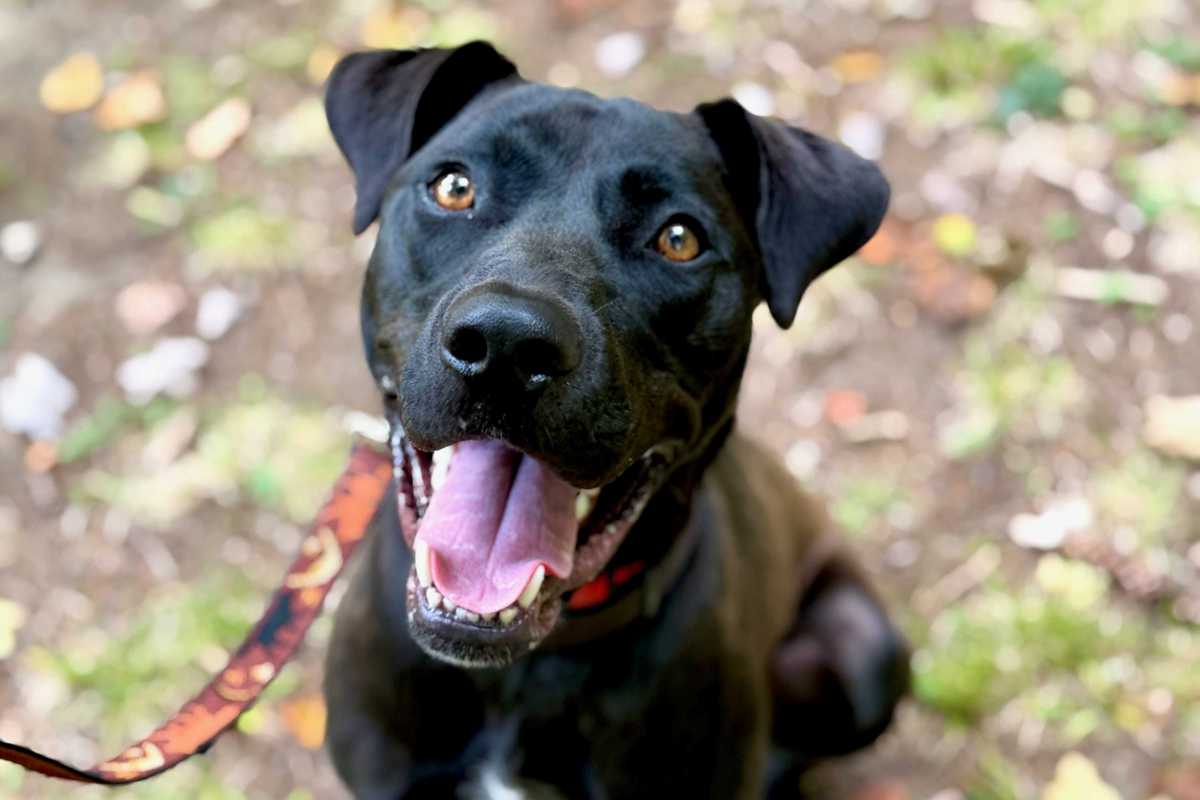
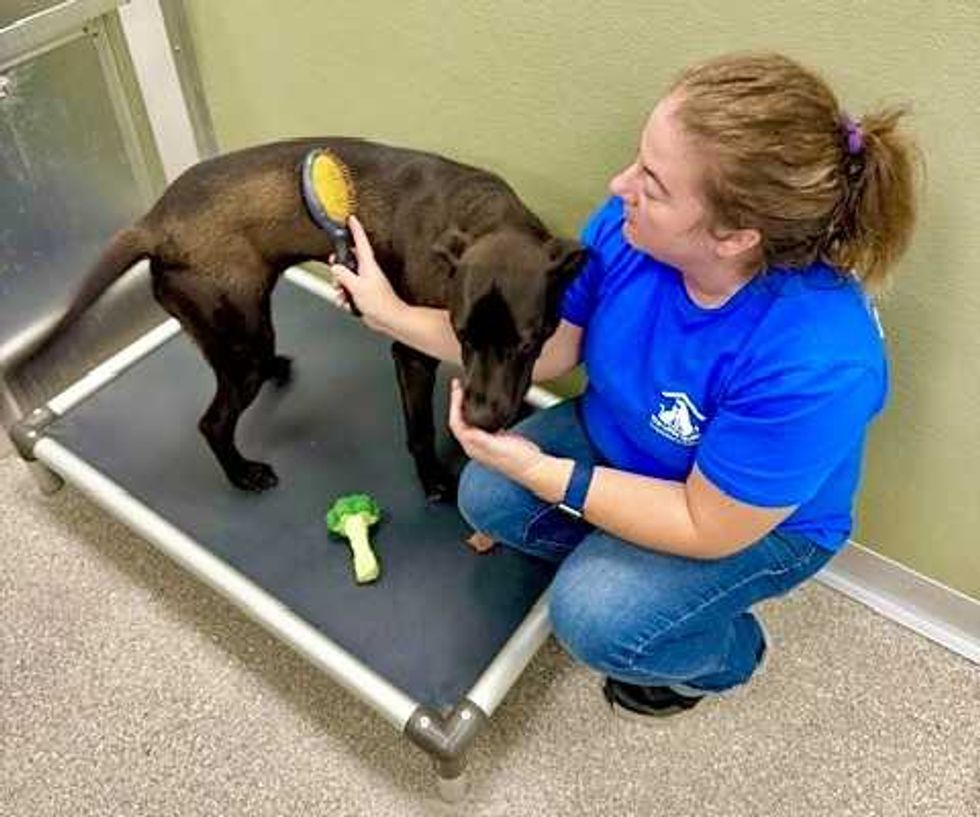 Tiffany Lemelin, shelter manager, brushing Marsala upon arrival.Provided
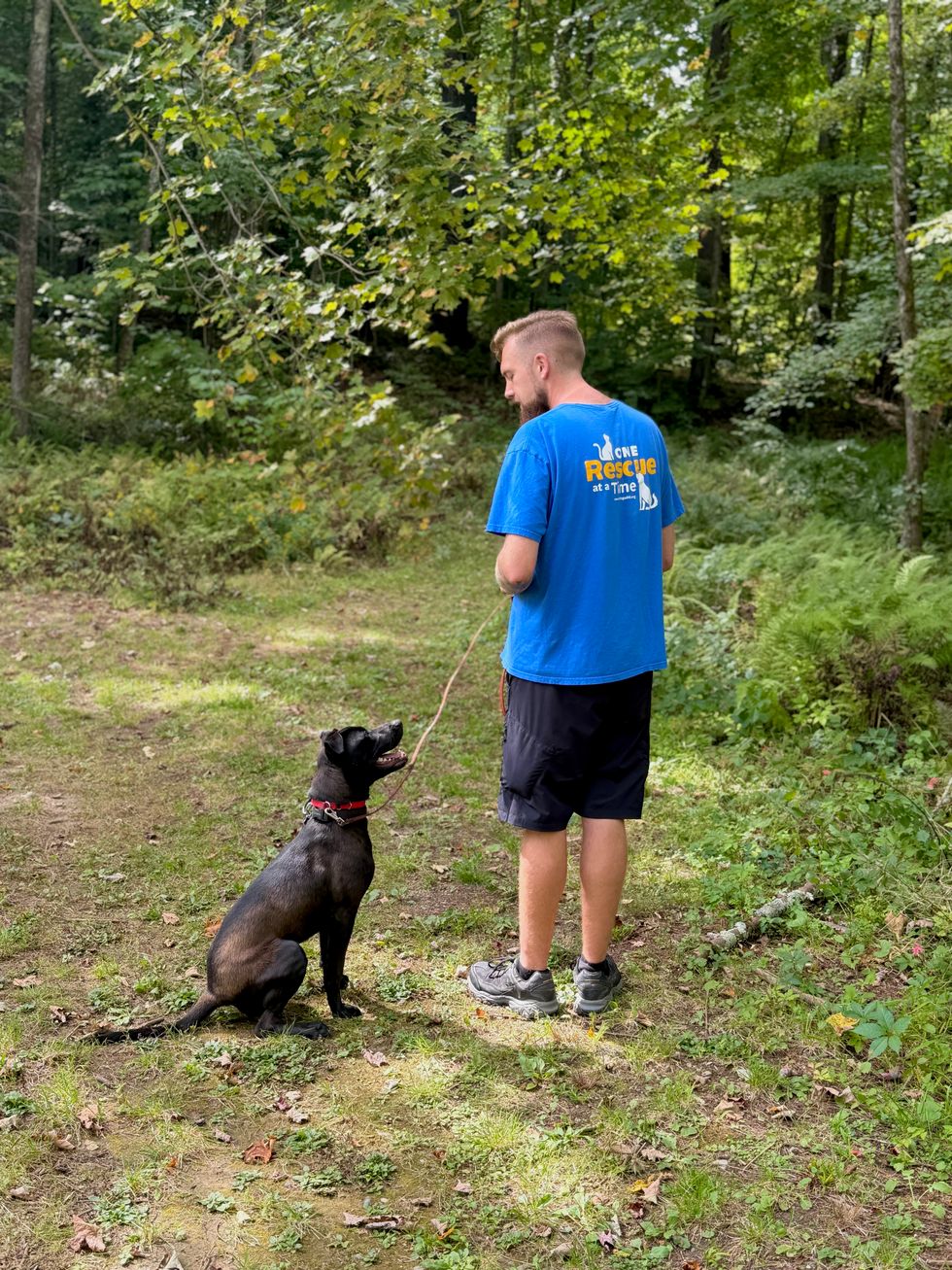 Michael DeBarba, certified dog trainer working with Marsala.Jennifer Almquist
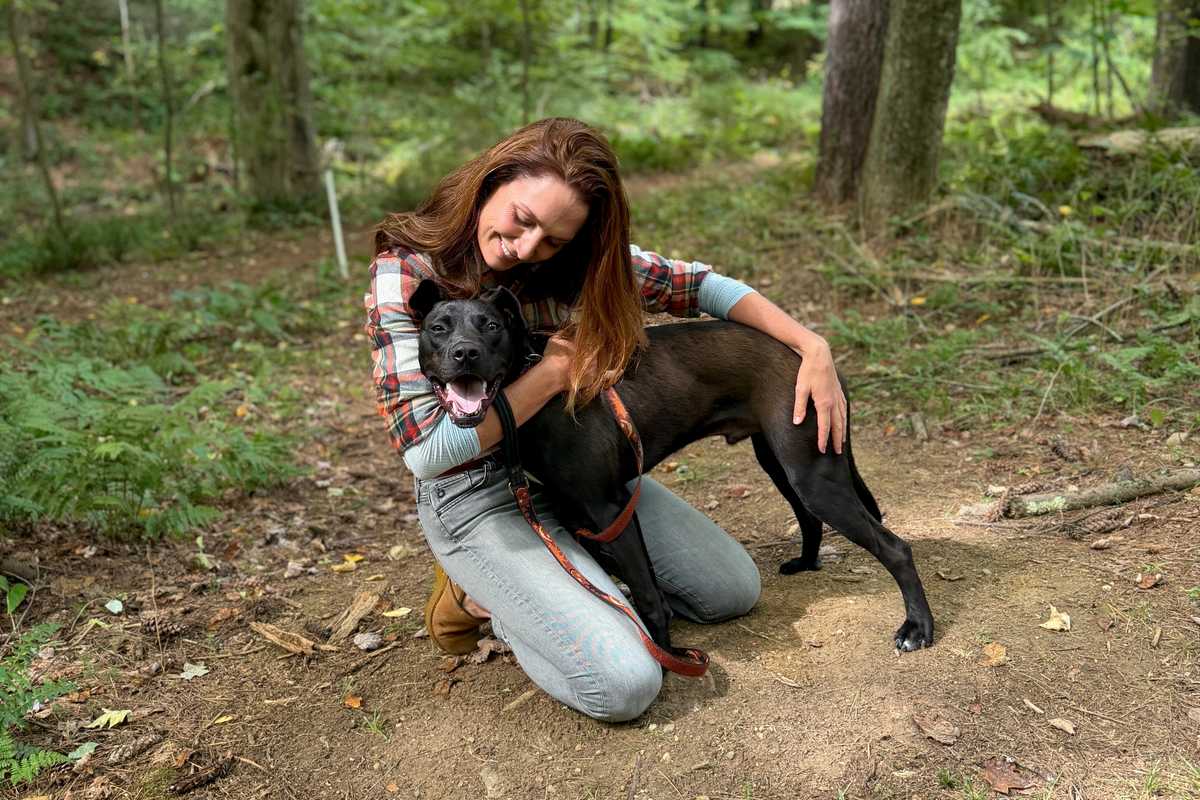 Marsala wins a heart.Jennifer Almquist
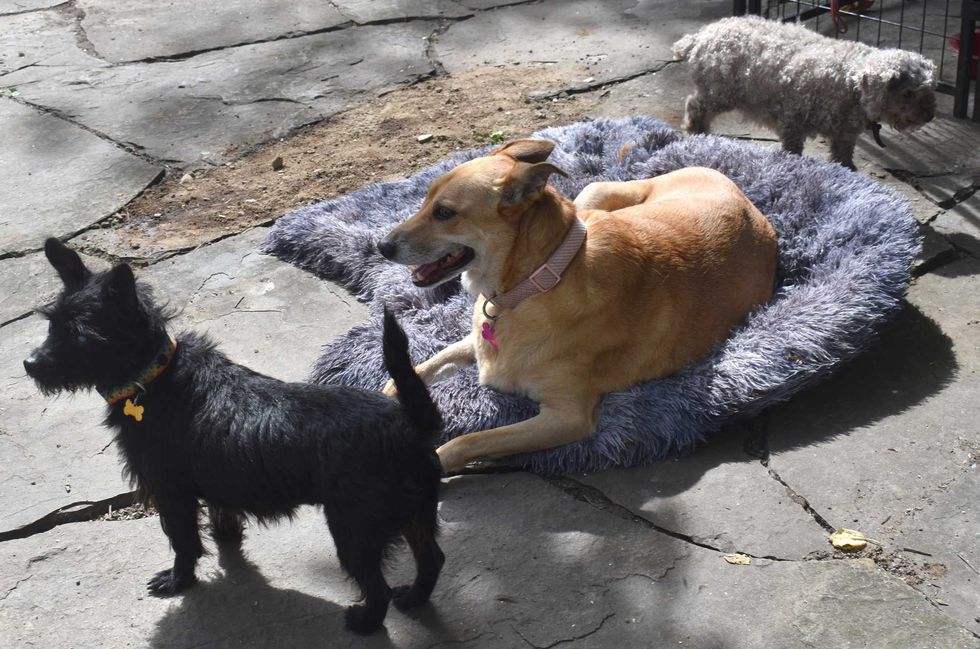 Sadie, center, a Carolina dog, plays with her friend Negra, a terrier mix. Bella Linda, the small poodle, has since been adopted.L. Tomaino
 Wesley, a young, exuberant mix, is looking for an active home.L. Tomaino
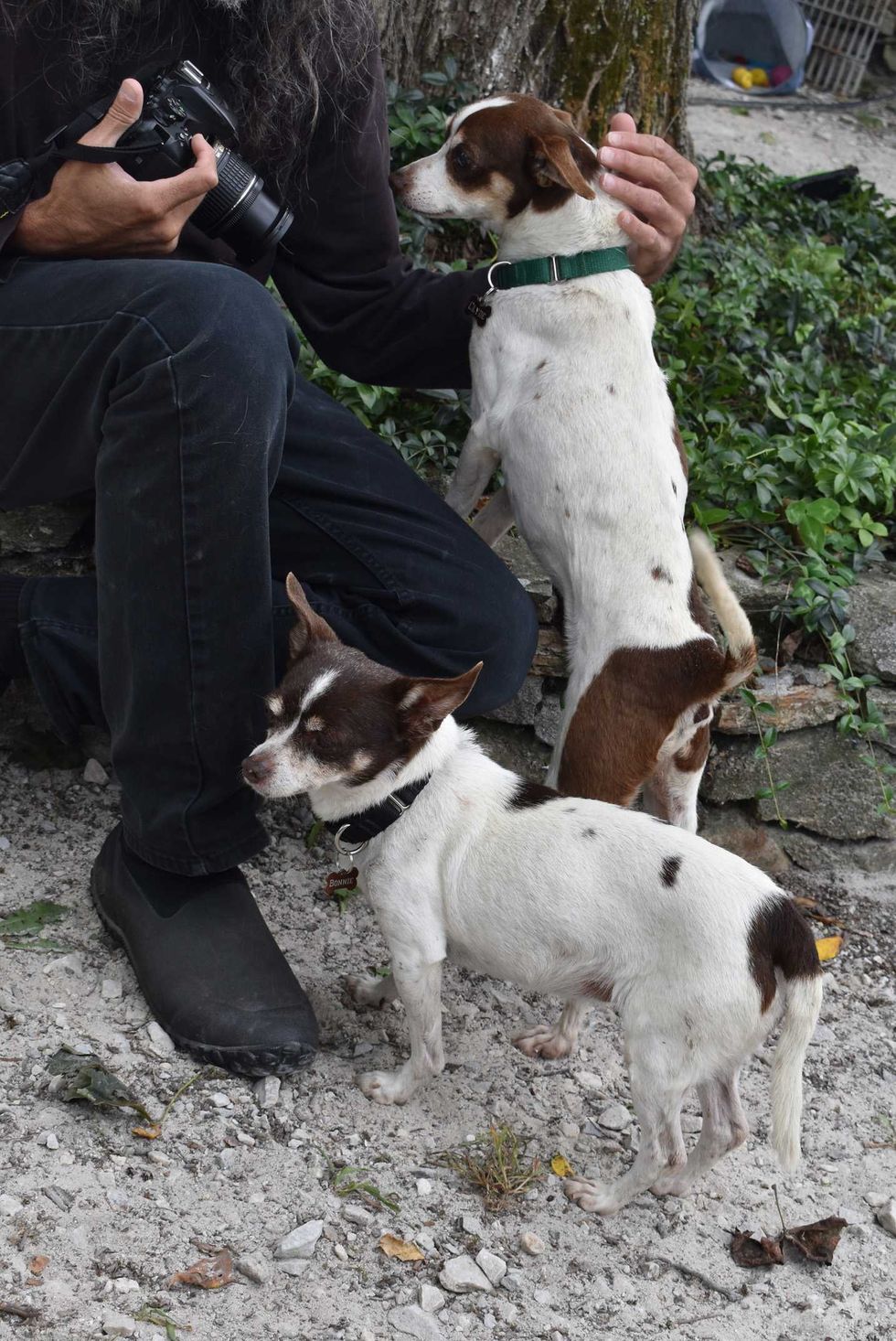 Bonnie and Clyde, an affectionate terrier pair.L. Tomaino
 Provided