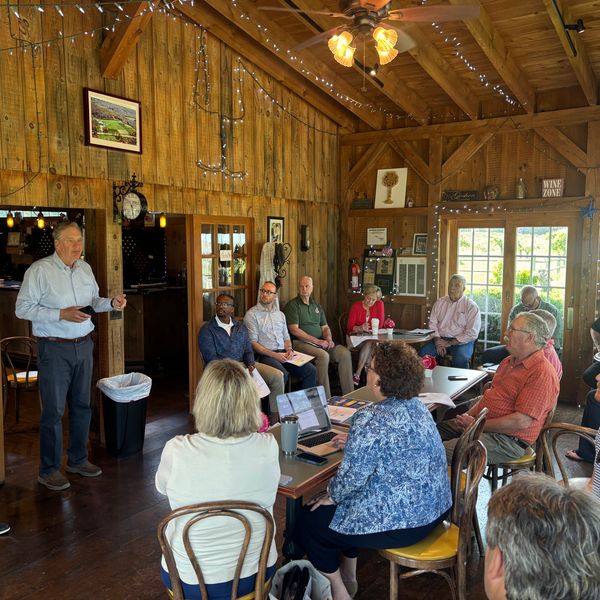
FALLS VILLAGE — The Ag-Ed Advisory Council met Monday, Nov. 24 at Housatonic Valley Regional High School, where members heard from Bob Jacquier about what it takes to run a farm in 2025 and honored Paul Herrington for his dedicated contributions to the school’s agriculture education program.
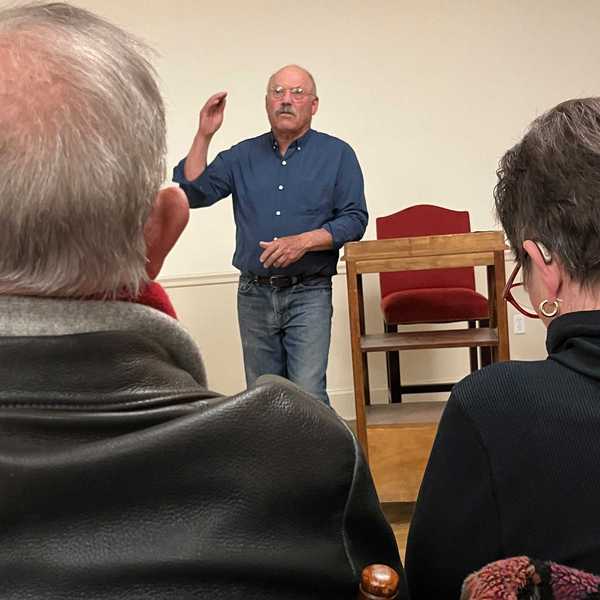
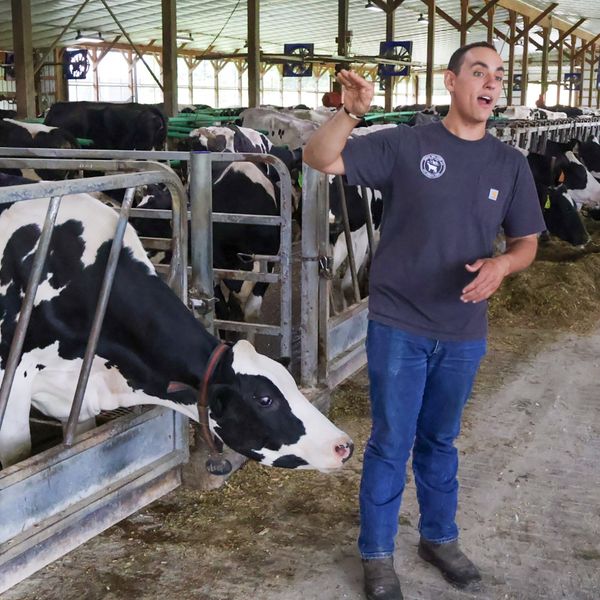
Jacquier, of Laurelbrook Farm in North Canaan, recounted how the farm was started by his grandparents in the late 1940s on modest acreage with “eight or 10 cows.”
“They were right out of high school,” he said. The farm, still run by the Jacquier family, now has some 1,450 cows, 3,000 acres and various associated businesses, including composting, sand and gravel, and concrete.
Jacquier’s brother, Cricket, reminded the group that their grandfather lost his leg when he was 21 years old and had to deal with the floods of 1955, which caused widespread damage in Northwest Connecticut.
Asked how the original Jacquiers managed to get started, Bob Jacquier said “it was a simpler life, and they weren’t keeping up with the Joneses.”
Cricket Jacquier also said the farm credit system was important in his grandparents’ day and continues to play a significant role, which provided a natural segue into honoring Herrington of Farm Credit East, a customer-owned financial institution that provides loans and financial services to farmers and other agriculture-related businesses and individuals.
Herrington, who lives near Kinderhook, New York, was lauded not only for his nearly 30 years on the council but for never missing a meeting — or even being late — despite having further to drive than anyone else.
Herrington told the group, “You’ve taken a really good program and made it better.”

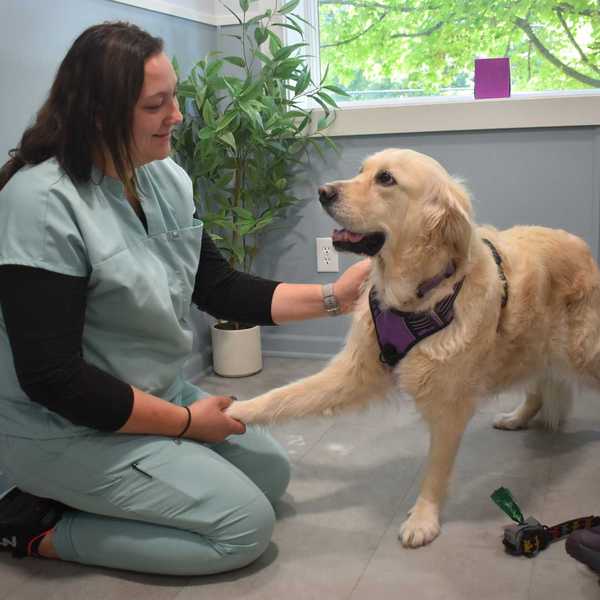
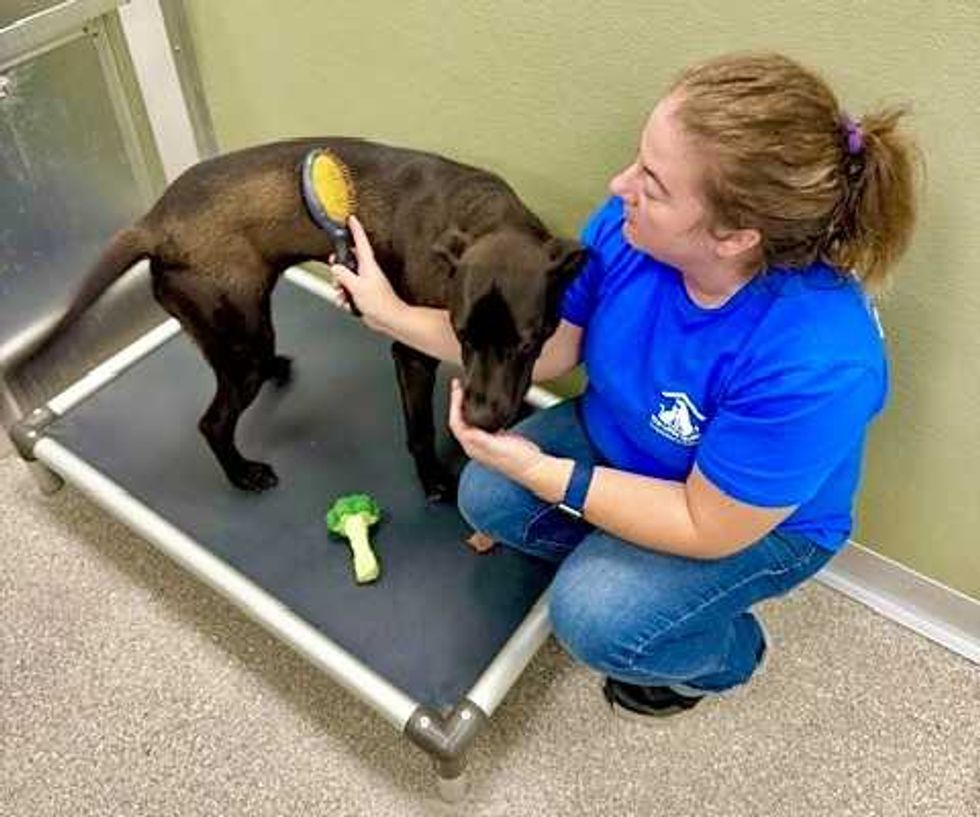 Tiffany Lemelin, shelter manager, brushing Marsala upon arrival.Provided
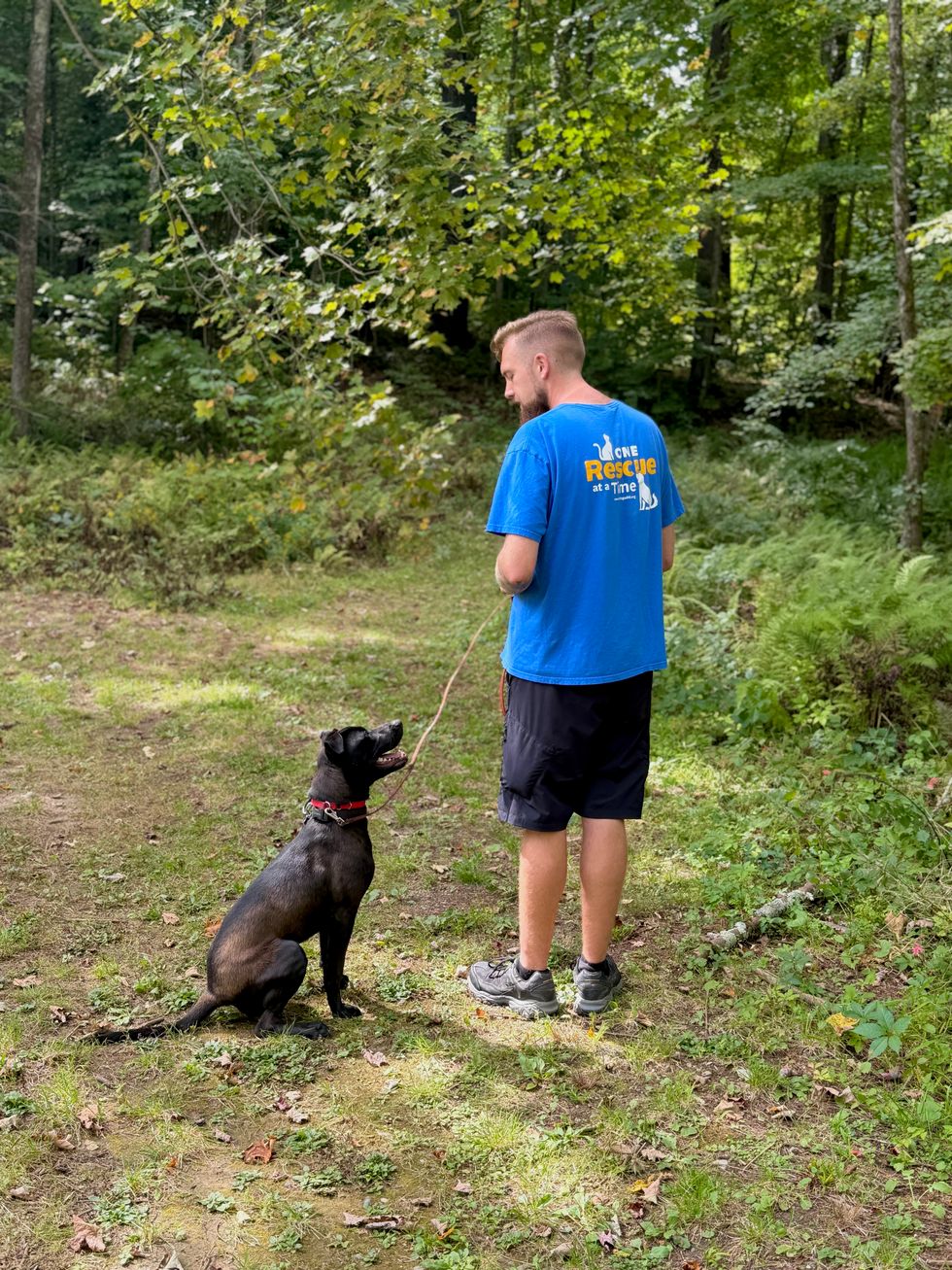 Michael DeBarba, certified dog trainer working with Marsala.Jennifer Almquist
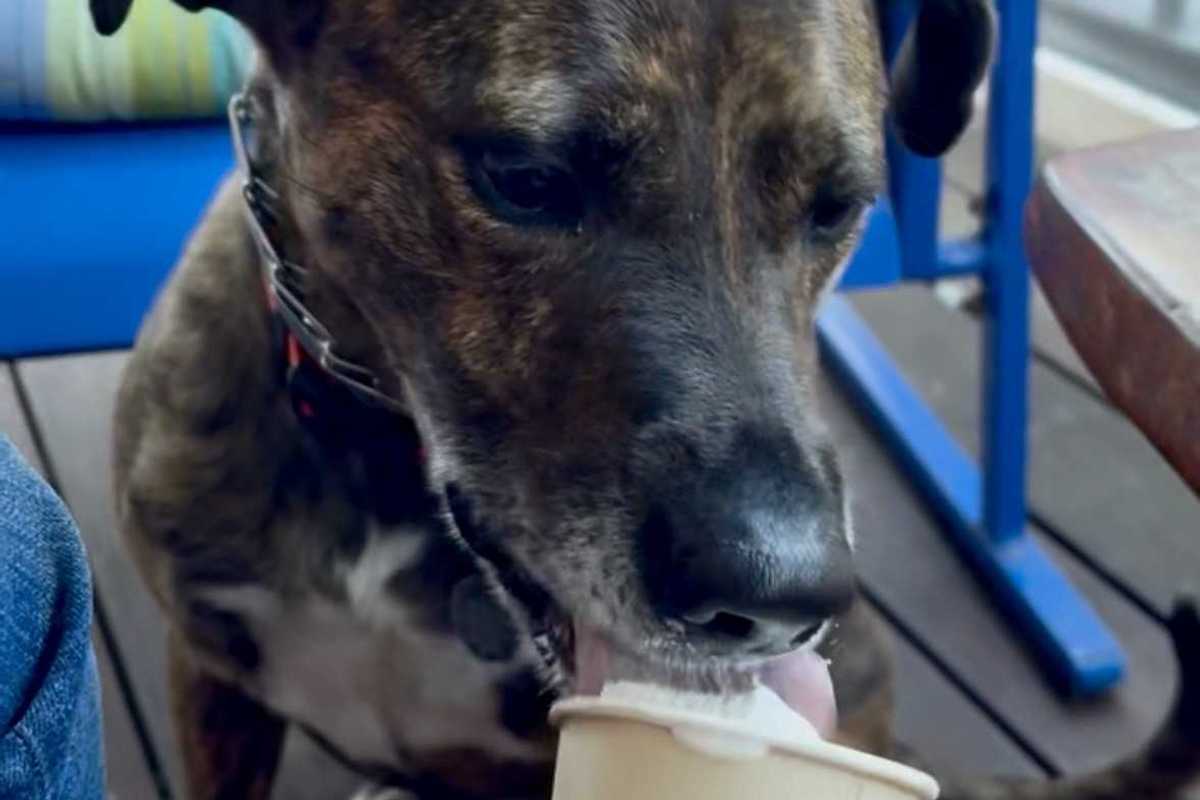
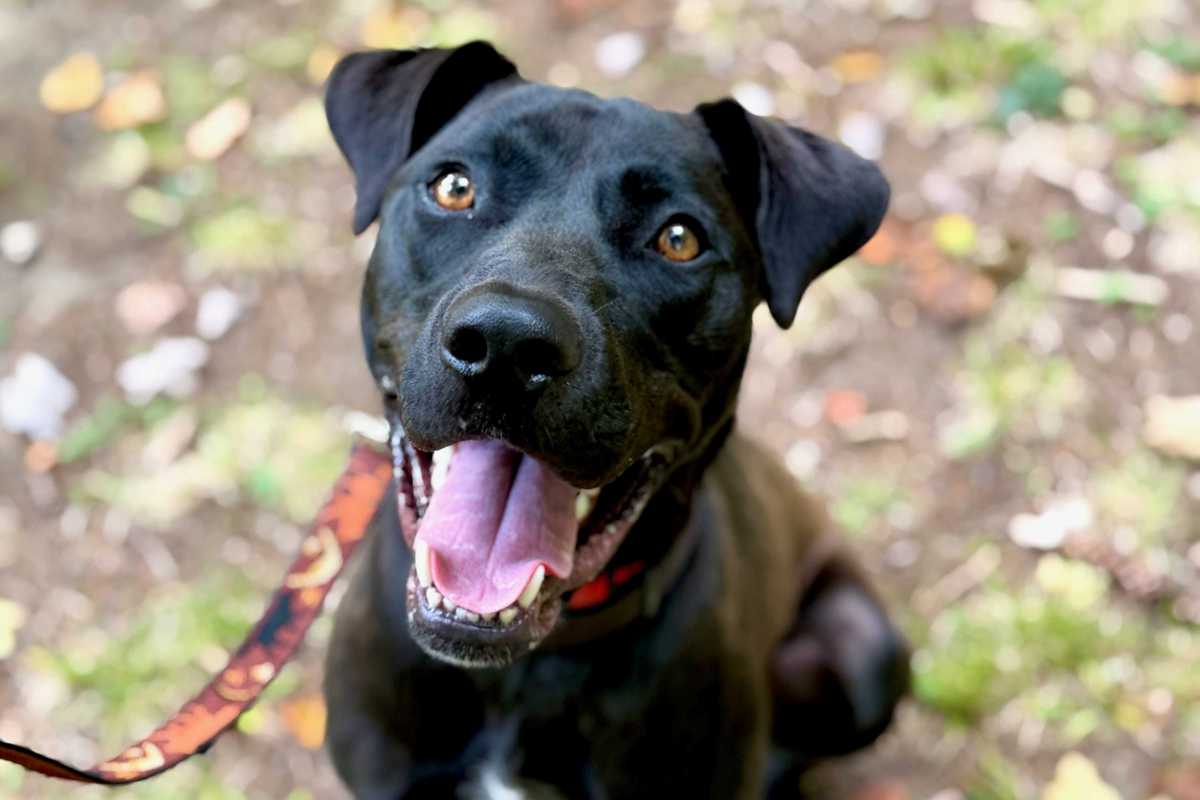
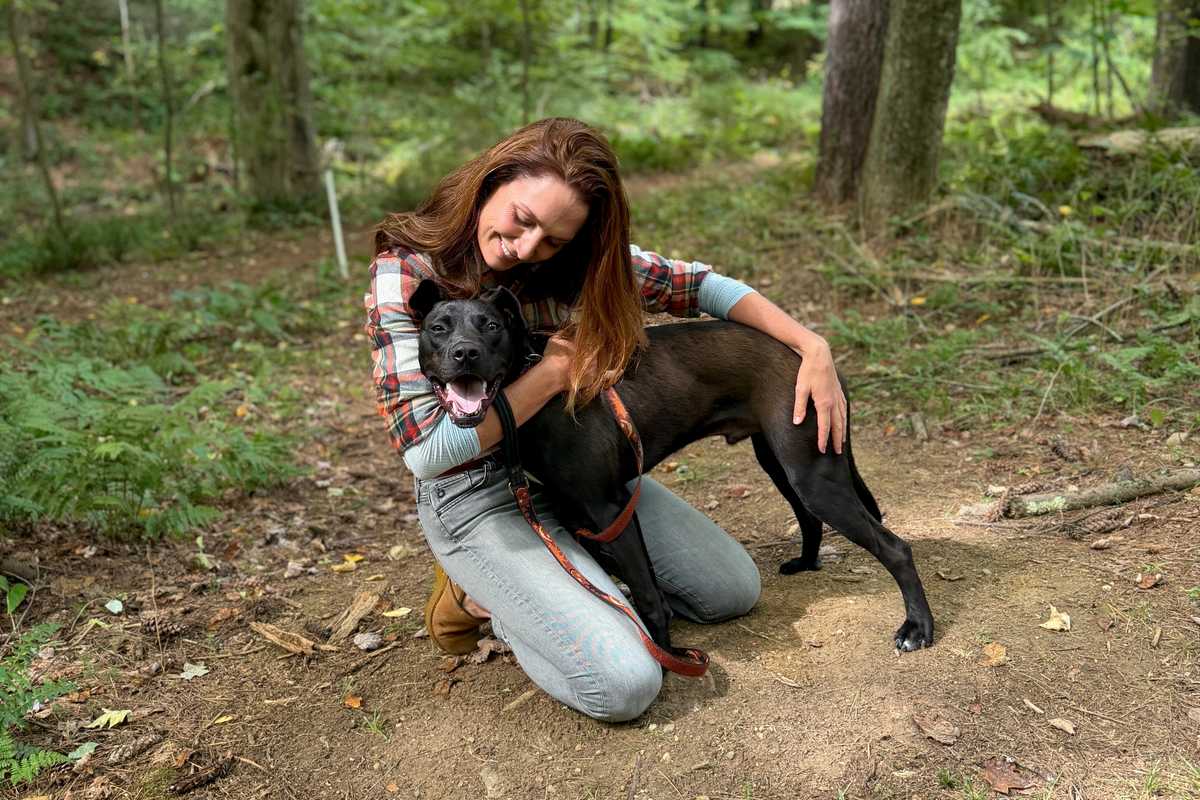 Marsala wins a heart.Jennifer Almquist
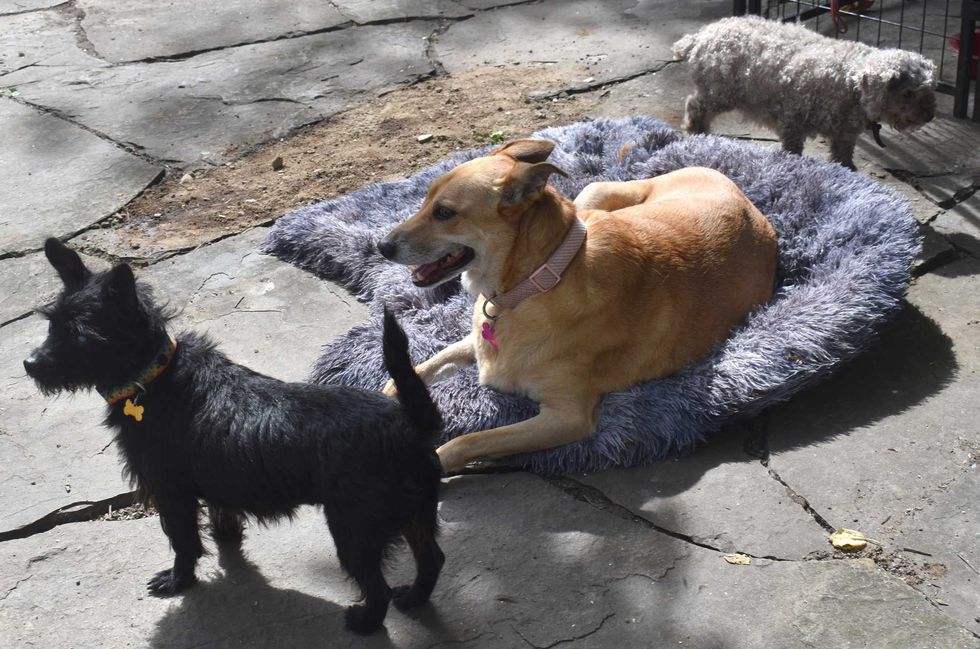 Sadie, center, a Carolina dog, plays with her friend Negra, a terrier mix. Bella Linda, the small poodle, has since been adopted.L. Tomaino
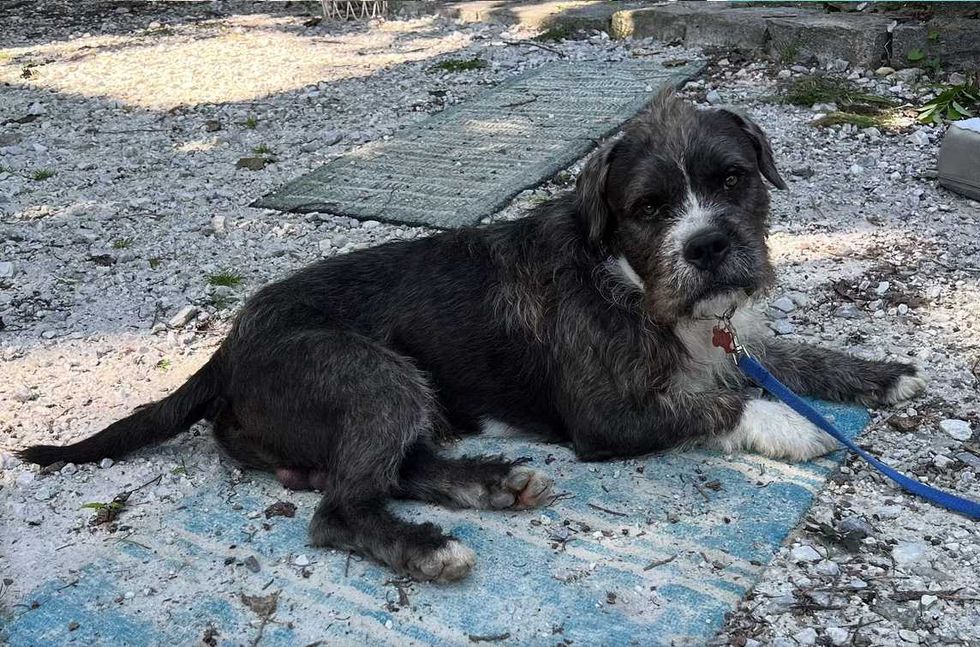 Wesley, a young, exuberant mix, is looking for an active home.L. Tomaino
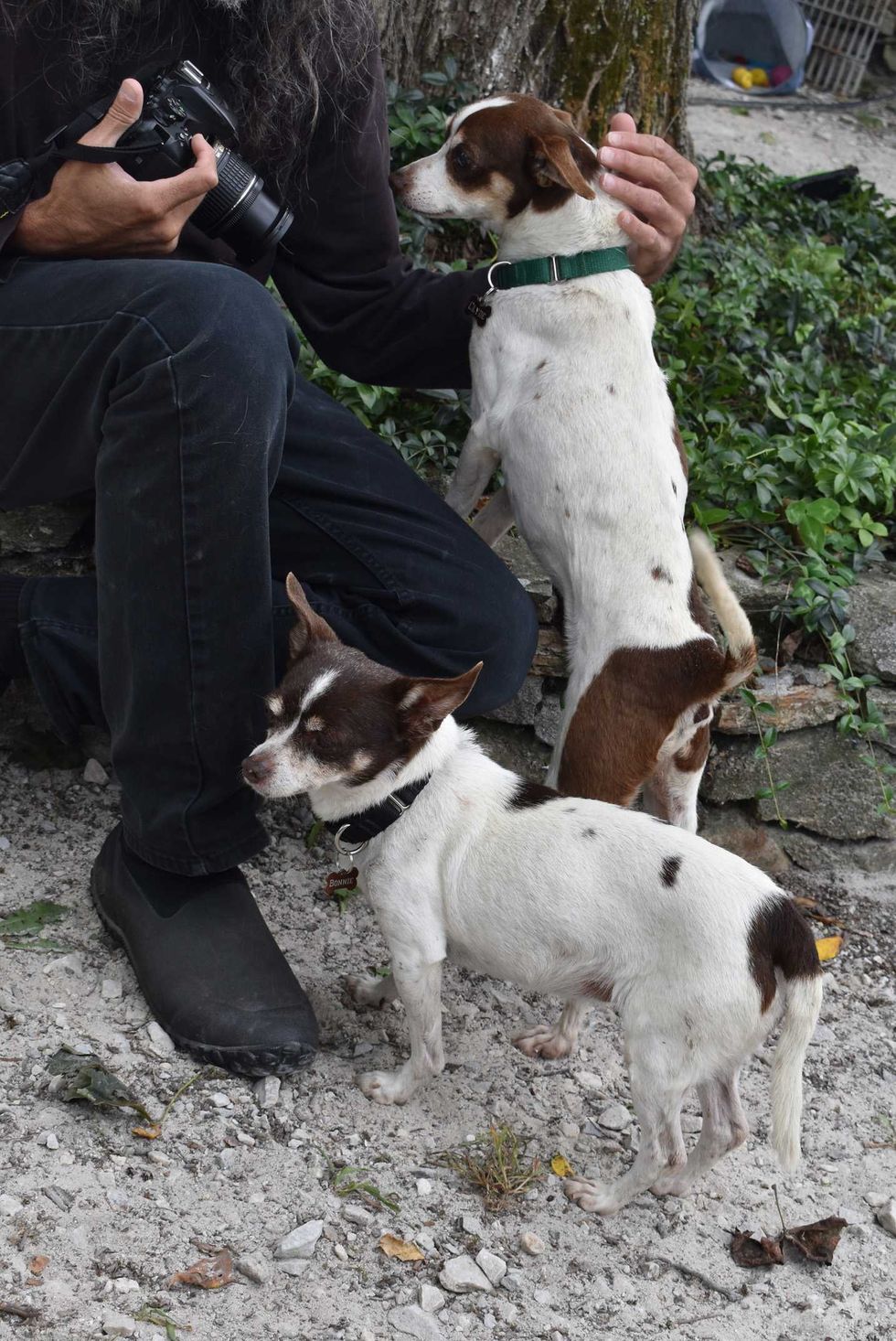 Bonnie and Clyde, an affectionate terrier pair.L. Tomaino
 Provided