Pablo Picasso is quoted as saying that he “paints objects as I think them, not as I see them.” Perhaps this kind of “thinking” can lead an artist to obsess for years over one subject, creating a symbiosis between painter and object that melds the identities of both. Georgia O’Keeffe and her flowers come to mind as do Degas’ dancers and Cézanne’s trees.
For Sharon based artist Gail Rothschild, the objects she is drawn toward are tiny remnants of textiles, dating back to 4000 B.C. As we stand in her living room on a warm spring morning, sunlight illuminates a cobalt blue canvas supporting what appears to be a fragile, triangular piece of decaying fabric. As I approach the work, I am astonished to find that it is not cloth, but rather meticulously layered and painted glazed lines resembling torn linen ravaged by time. “I paint schmattes,” she says, pointing to a second painting in the room, of gauze-like fabric in stained ivory floating on jet black paint. Her self-deprecating humor belies the complexity of the work.
Rothschild has spent nearly two decades drawing and painting archaic textiles. She is not the first artist to be interested in fabric. Matisse collected tapestries and embroidered fabrics, which he referred to as his “working library.” The artist Pae White collects printed textiles by Vera Neumann, a nostalgic attachment to fabrics her mother wore. Rothschild is an observer of what she calls “cultural artifacts,” traveling to museums around the world to view scraps of centuries-old textiles that “speak to me, in a way I can’t really explain.” It is her ability to synthesize the material that compels her to recall it later, graph out the image onto a canvas taller than she, and paint, thread by thread, a piece of history that has lain concealed in a museum archive for decades.
Rothschild’s interest in textiles was serendipitous. After graduating from Yale University in 1981, she worked with architects, welders and builders creating sets. She says, “At some point I felt I needed to get back to painting and drawing. I picked up a book on textiles, which fascinated me.” Simultaneously Rothschild was rereading Homer’s epic poem “The Odyssey.” The story triggered something. She explains, “I started to think more deeply about Penelope” (the clever wife of Odysseus who kept suitors at bay by weaving and unweaving a shroud). “The idea of Penelope making and unmaking her work … her struggle, and the physicality of weaving, I relate to that.” But for Rothschild, the struggle is different. While Penelope wove and undid the weaving, the repetition was routine. To confront a raw canvas and produce a large-scale work that recreates a time-ravaged scrap of linen, that’s more like teetering on a cliff, wondering where the next brushstoke will lead.
Warren Prindle, a Sharon based painter and an art teacher at Housatonic Valley Regional High School, asked Ms. Rothschild to show her work at the school’s student-run Two Walls Gallery. He said, “I thought our students would relate to the process. She takes a seemingly simple subject matter and it becomes almost monumental.”
Rothschild has lent six paintings to Two Walls Gallery for a show, “Portraits of Linen,” which opened on May 24. The paintings on exhibit are installed low on the walls so that viewers can immerse themselves in the work. It is tempting to touch the paintings, to convince the eye that the medium is paint and not fabric. A work titled “Dead Sea Scroll Linen III” (2014) was inspired by a 6,000 year old textile from the Cave of the Treasure on the northern side of Nahal Mishmar. The depiction of linen in decay on an ultramarine ground is ethereal.
In an interview for a 2015 exhibition catalog published on the occasion of her show at The National Arts Club, Rothschild said that she thinks about “the inescapable paradox. What is interwoven will ultimately unravel and that which grows will inevitably decay.” The paradox is that her paintings are very much alive and evoke a sense of permanence that nullifies the concept of decay and loss despite the subject matter. It is as if she has resurrected the torn and tattered remnants of ancient history and given them a new life.
“Portraits of Linen” is on view at Two Walls Gallery through June 15. Open Monday through Friday, 9 – 4. For more information, contact Melanie Cullerton at 860-824-5123, ext. 185, or Warren Prindle 860-824-5123, ext. 478.



 Tiffany Lemelin, shelter manager, brushing Marsala upon arrival.Provided
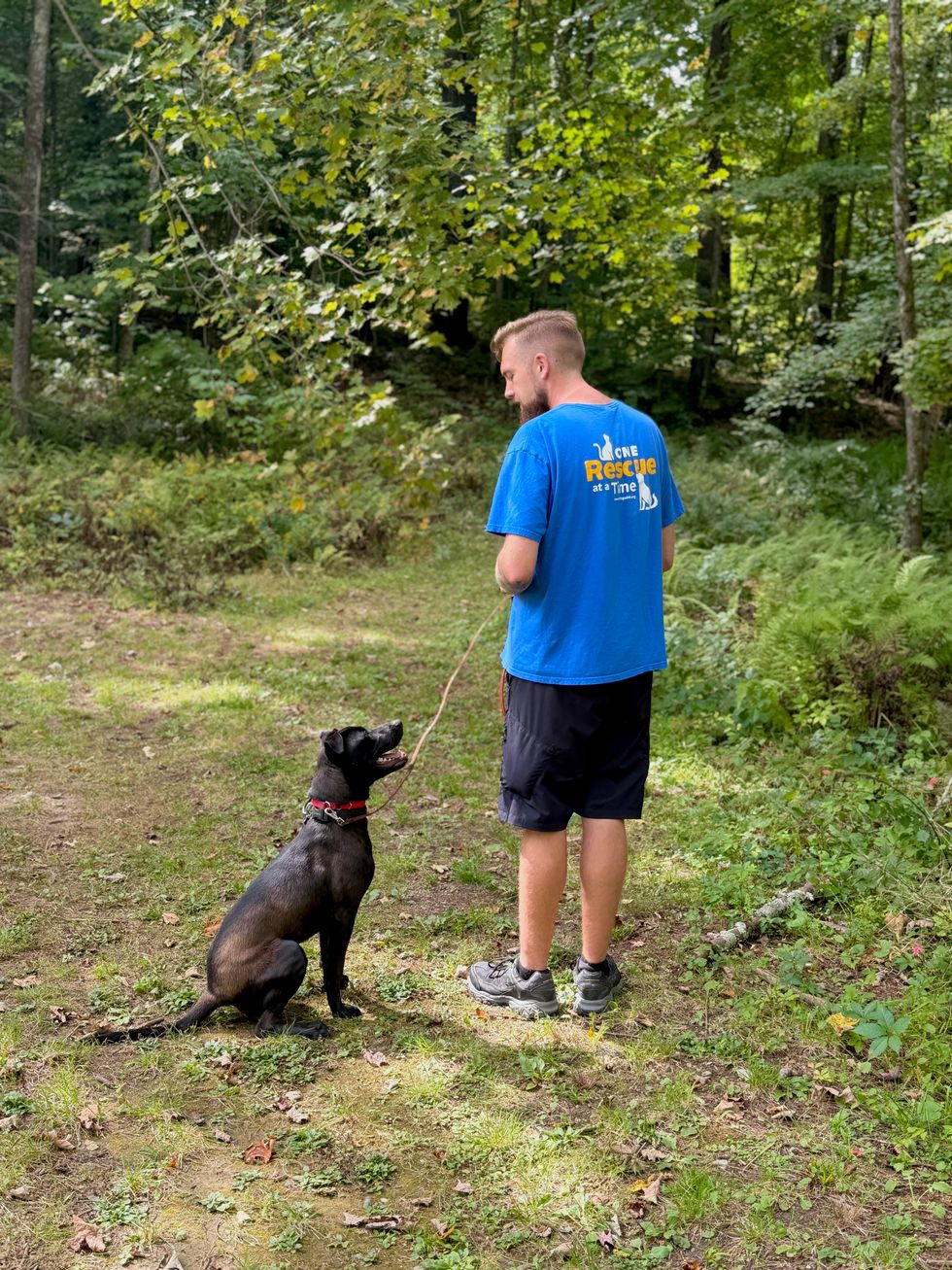 Michael DeBarba, certified dog trainer working with Marsala.Jennifer Almquist
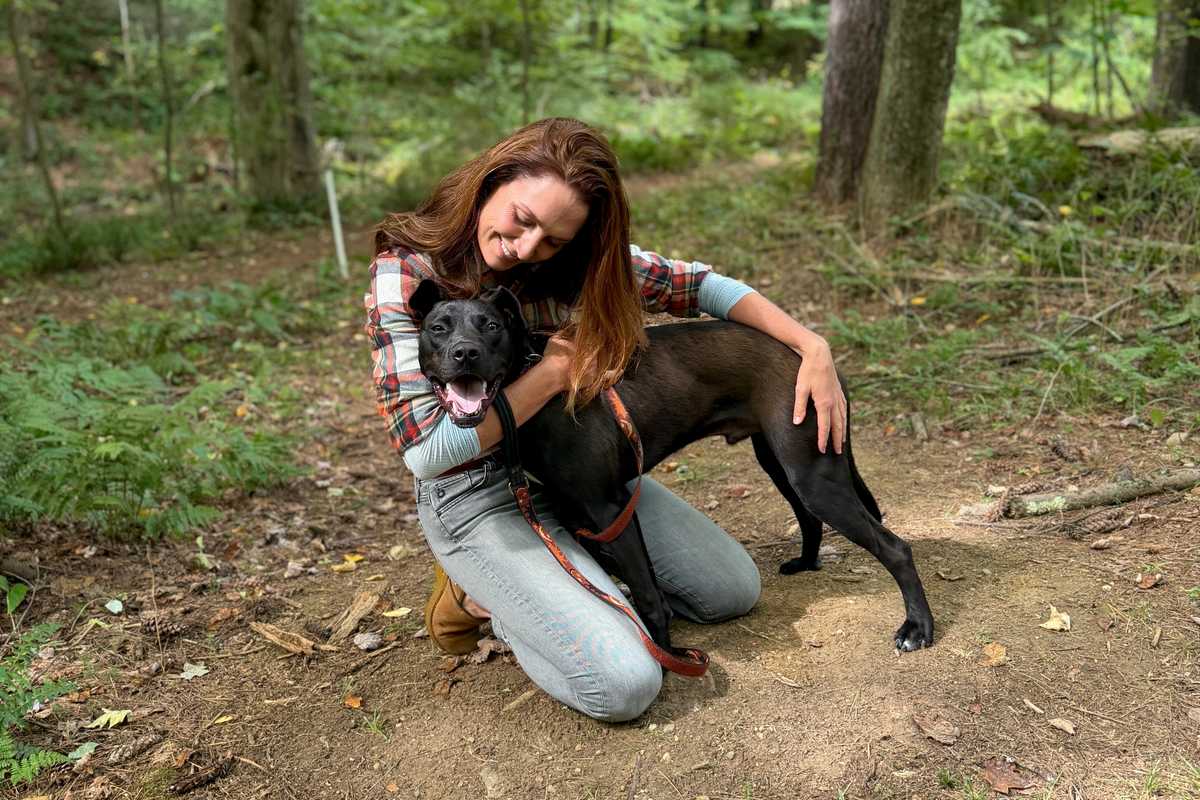 Marsala wins a heart.Jennifer Almquist

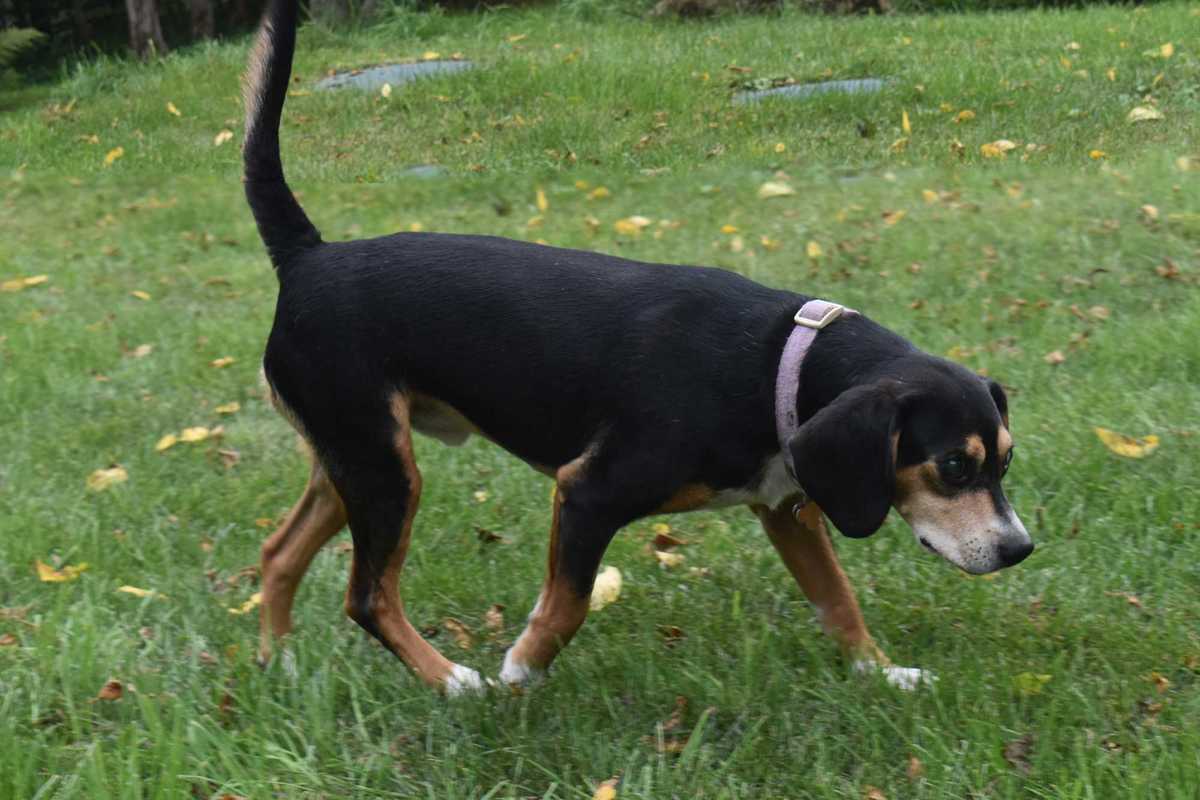
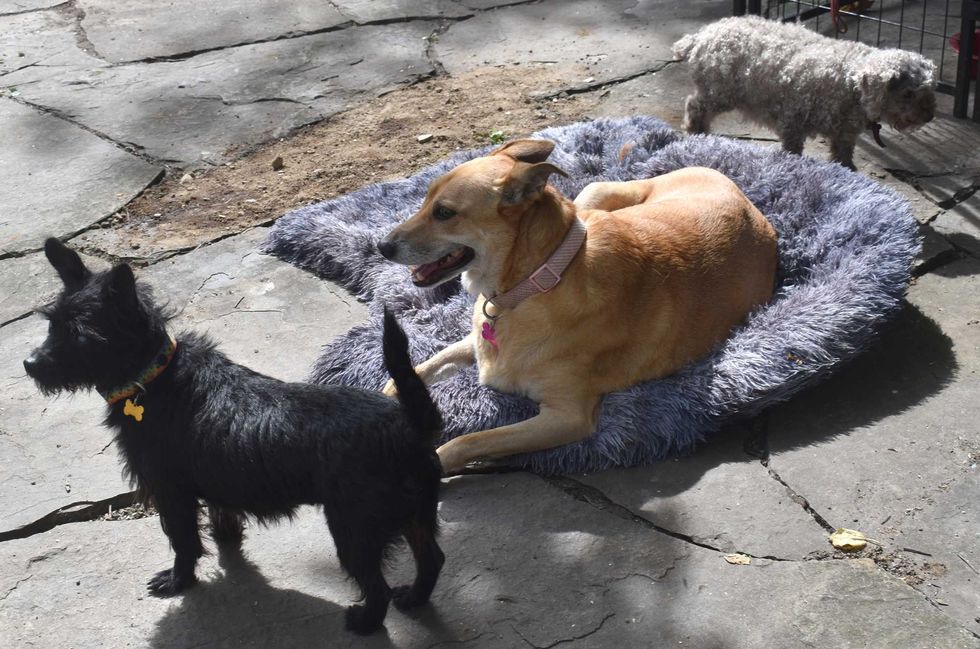 Sadie, center, a Carolina dog, plays with her friend Negra, a terrier mix. Bella Linda, the small poodle, has since been adopted.L. Tomaino
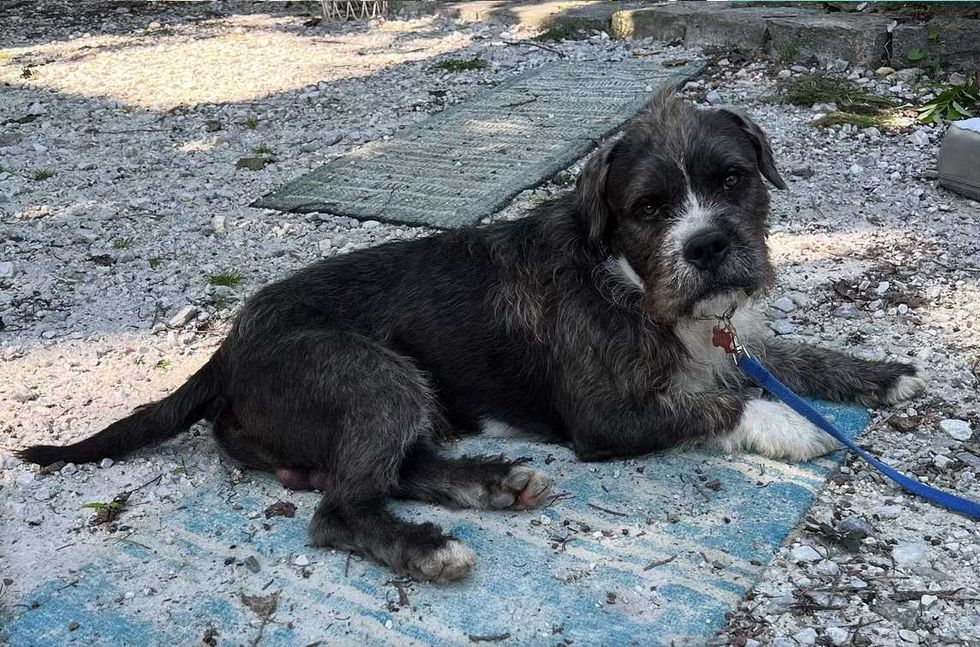 Wesley, a young, exuberant mix, is looking for an active home.L. Tomaino
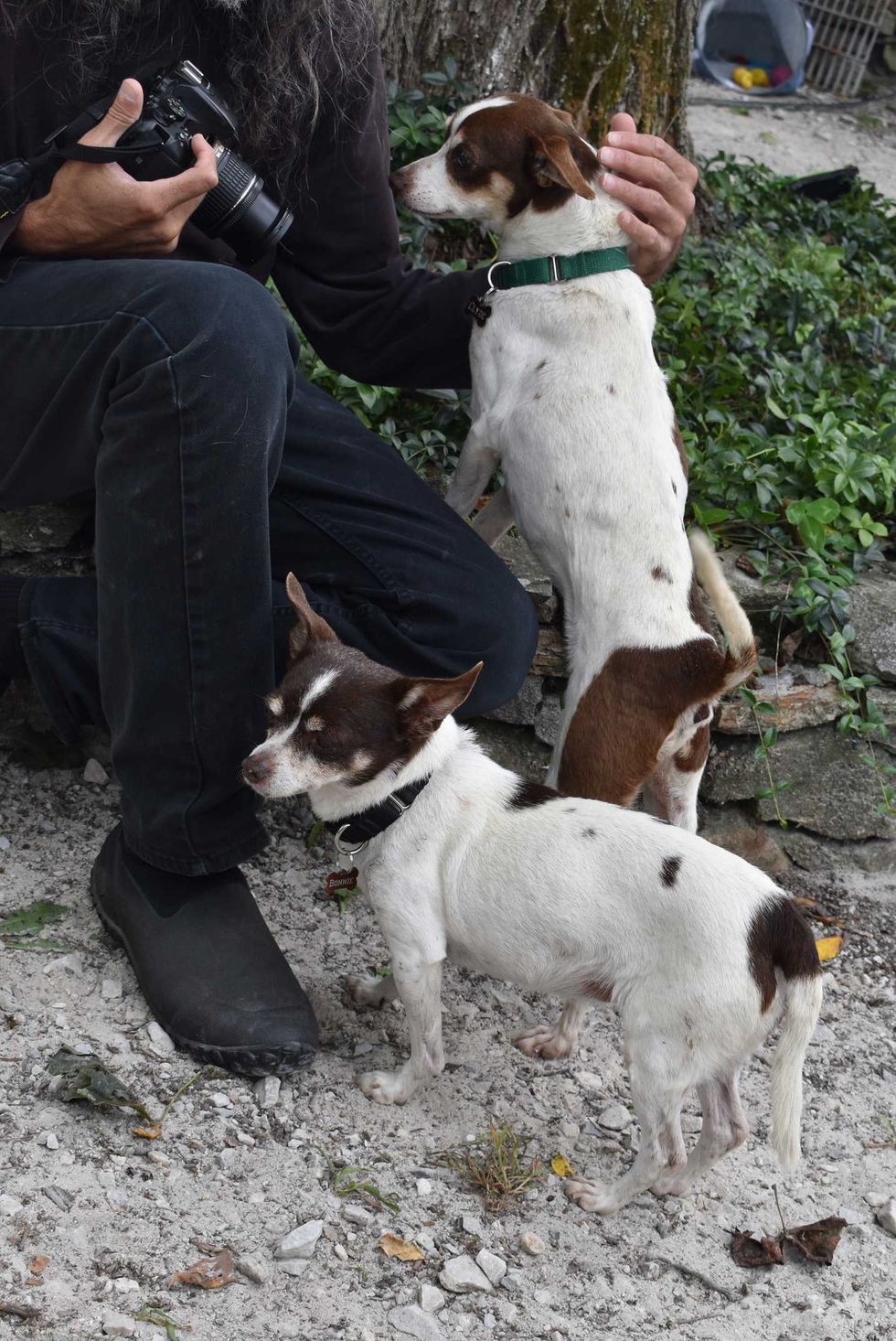 Bonnie and Clyde, an affectionate terrier pair.L. Tomaino


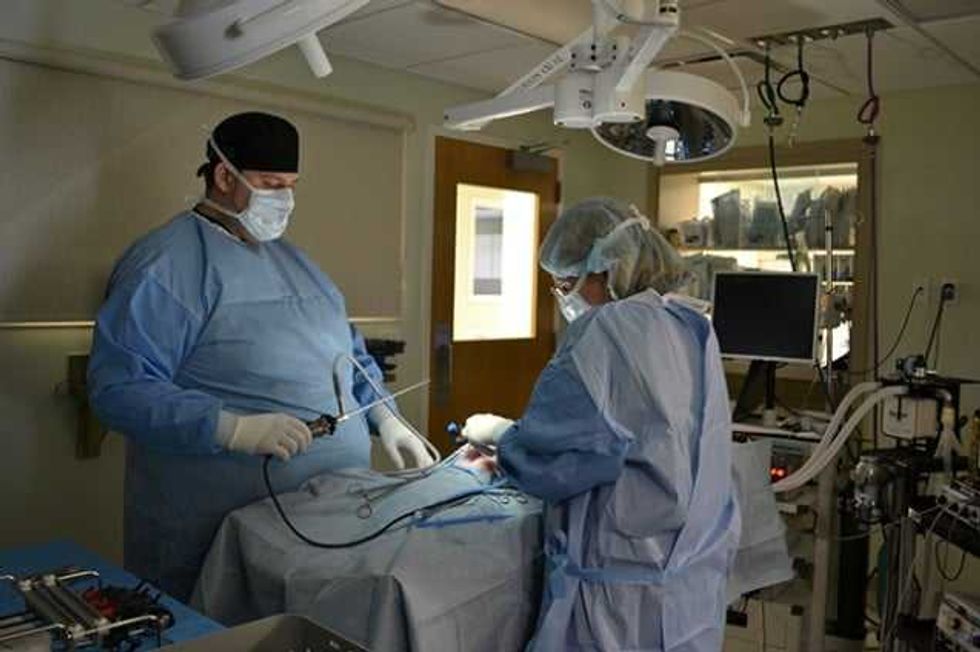 Provided