Northwest Connecticut Land Conservancy announces new merger

Northwest Connecticut Land Conservancy announces new merger

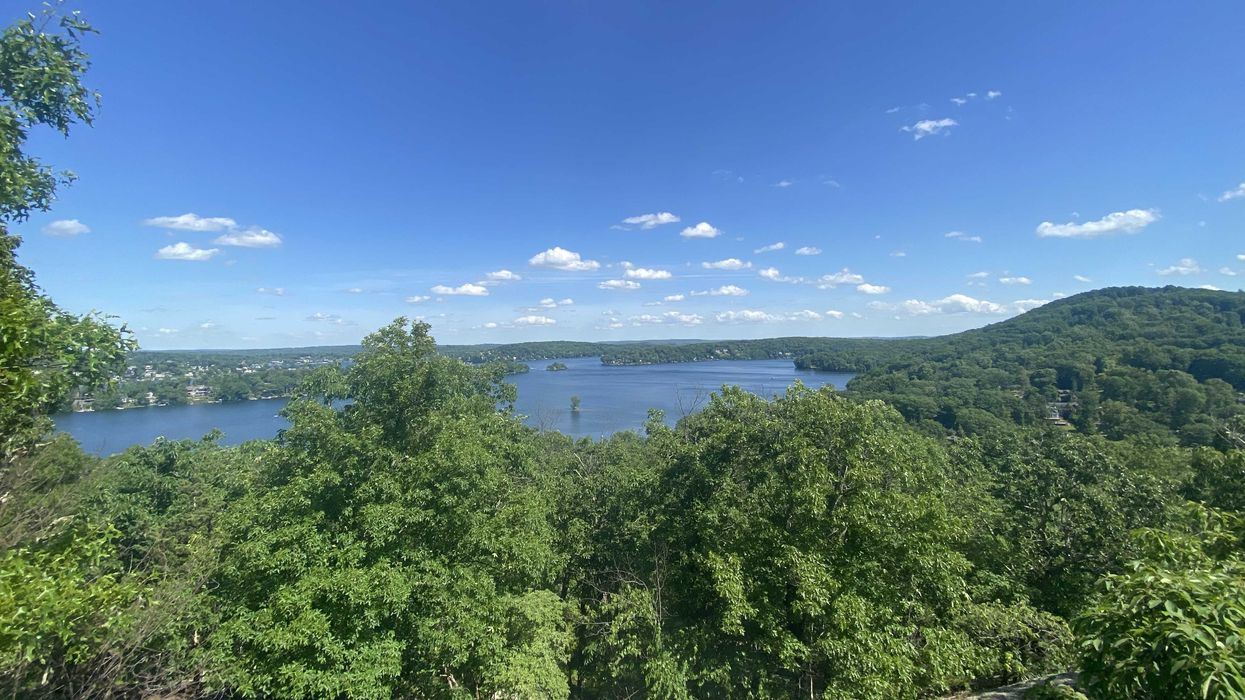
A view over Candlewood Lake from the Sweetcake Mountain Preserve in New Fairfield.

Provided

The Northwest Connecticut Land Conservancy, the state’s largest land trust and the 22nd largest in the nation by number of lands conserved, announced on Sept. 25 that it has merged with the Candlewood Valley Regional Land Trust, effective Sept. 30.

Commonly referred to as the NCLC, the nonprofit is now responsible for the protection of the Candlewood Valley Regional Land Trust’s (CVRLT) 611 acres of preserved land across Danbury and New Fairfield, adding to its roster of 14,000-plus acres protected across the northwestern portion of the state. The combined organization will continue to operate under the NCLC title, while members from the Board of Directors of CVRLT will sit on a newly formed advisory board called the Candlewood Valley Council.

The move also adds CVRLT’s eight public nature preserves to NCLC’s robust array of conserved lands ranging from hiking areas, working farms, rivers and streams, and habitat for rare and endangered species.

The leadership of both groups championed regional collaboration for effective land protection.

“We are proud to carry forward CVRLT’s legacy and to build an even stronger foundation for regional conservation,” said NCLC Executive Director Catherine Rawson.

CVRLT President Faline Schneiderman affirmed the value of a unified approach: “By sharing resources and expertise, merged organizations have been able to better steward their preserves, expand their reach, and ensure long-term success.”

The groups will celebrate the merger at the NCLC’s annual meeting on Saturday, Nov. 15 from 9:30 a.m. to 11:30 a.m. at the New Fairfield Senior Center Community Room, 33 CT-37, New Fairfield, Connecticut. The meeting will be free and open to the public.

Latest News

Northwest Corner municipalities
weigh salt usage as winter returns

Fresh snowfall covers North Goshen Road after the Dec.13–14 storm, one of many winter weather events that require towns to decide how and where to apply road salt.

By Alec Linden

Snow returned to the Northwest Corner earlier this month, sending town highway and public work screws back into their annual cycle of plowing, sanding and salting —work that keeps roads passable but strains municipal budgets, equipment and the surrounding environment.

Connecticut lies within the so-called “Salt Belt,” where sodium chloride remains the primary defense against icy roads, even as officials weigh its financial and environmental costs.

Keep ReadingShow less
McEver nixes subdivision plan;
riverfront property now slated
to be conserved for public use

Courtesy of the Northwest Connecticut Land Conservancy

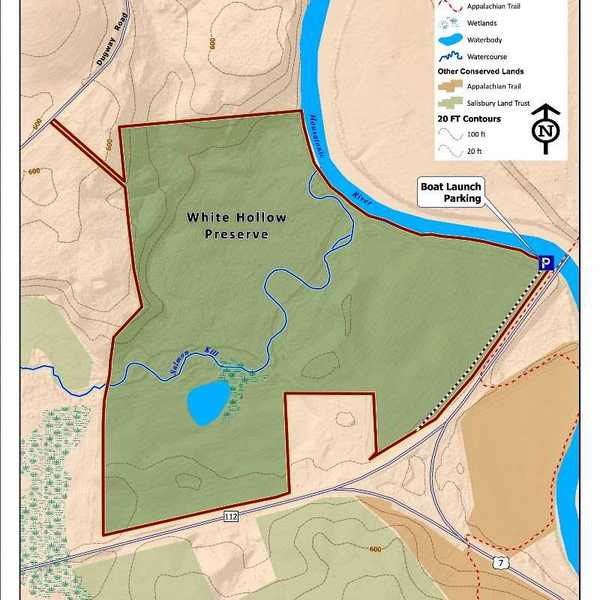
NORTH CANAAN — The plan for a 20-lot subdivision off Honey Hill Road has been dropped and instead, the land, owned by H. Bruce McEver, could become a large public nature preserve.

The announcement came at the Dec. 15 meeting of the Board of Selectmen, when Catherine Rawson, executive director of the Northwest Connecticut Land Conservancy, went before the board to request a required letter of approval allowing the conservancy to seek state grants for the purchase. She emphasized that significant work remains, including extensive surveys, before a deal is completed and the deed is transferred.

Keep ReadingShow less
Parade of Lights illuminates Cornwall

Cornwall's Parade of Lights, Sunday, Dec. 21.

Photo by Tom Browns

CORNWALL — A variety of brightly decorated vehicles rolled through Cornwall Village the night of Sunday, Dec. 21, for the town's inaugural Parade of Lights. It was well attended despite the cold conditions, which didn't seem to dampen spirits. The various vehicles included trucks, utility vehicles, a school bus and rescue apparatus from Cornwall and surrounding towns.

Keep ReadingShow less
Sharon Hospital drops Northern Dutchess Paramedics as ambulance provider

Sharon Hospital

Stock photo

SHARON — Northern Dutchess Paramedics will cease operating in Northwest Connecticut at the start of the new year, a move that emergency responders and first selectmen say would replace decades of advanced ambulance coverage with a more limited service arrangement.

Emergency officials say the change would shift the region from a staffed, on-call advanced life support service to a plan centered on a single paramedic covering multiple rural towns, raising concerns about delayed response times and gaps in care during simultaneous emergencies.

Keep ReadingShow less