Thank you!
Your support is sustaining the future of local news in our communities.

BalletCollective returns to Millbrook for 12th summer residency

BalletCollective returns to Millbrook for 12th summer residency

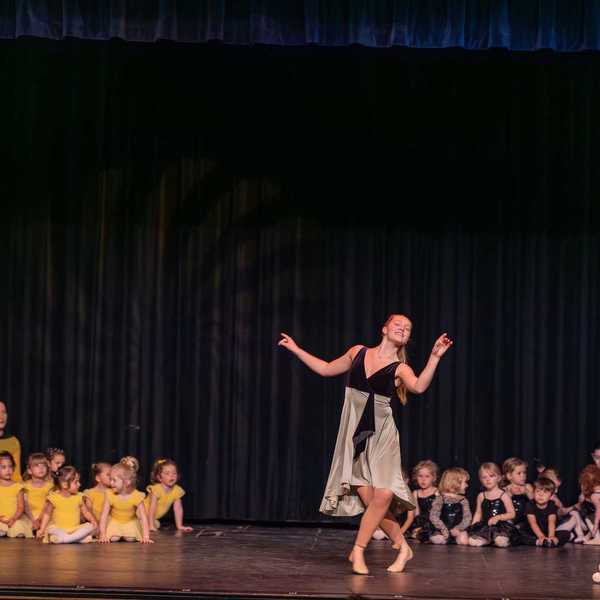
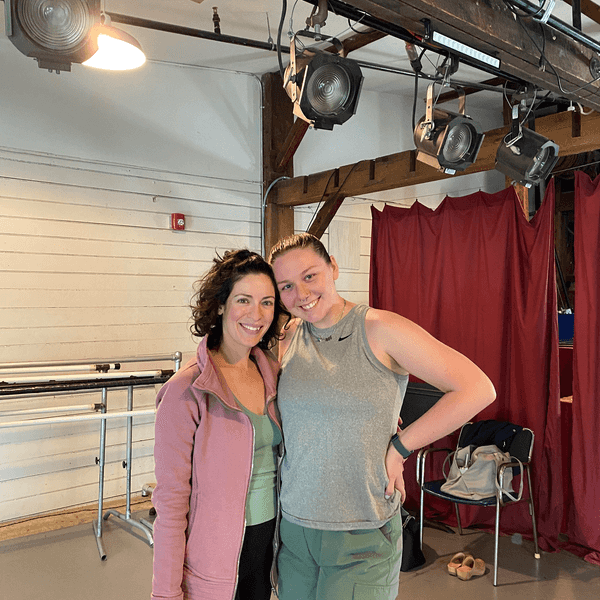
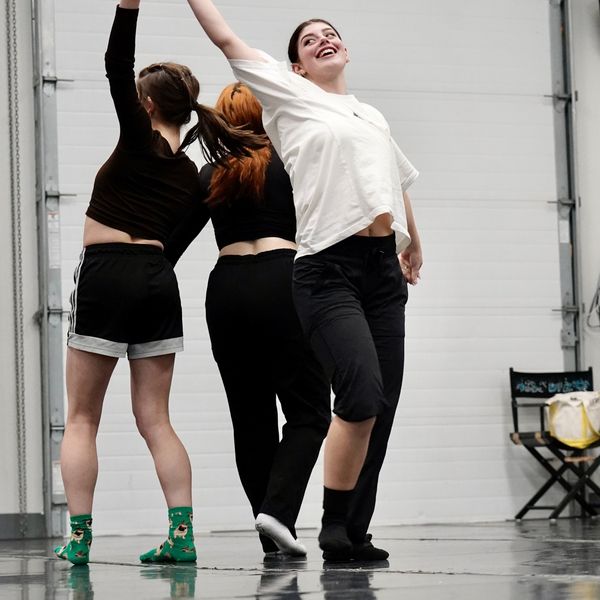
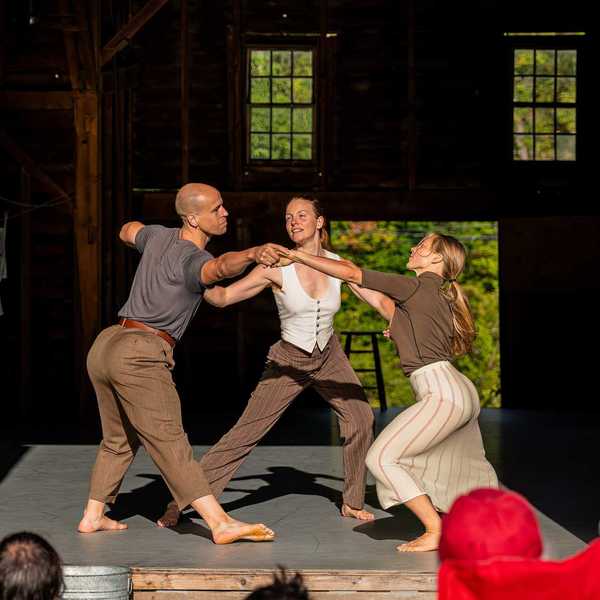
Members of BalletCollective.

Parker Whitehead-Bus
The community here has become an essential part of our creative process.
— Troy Schumacher, Founder of BalletCollective

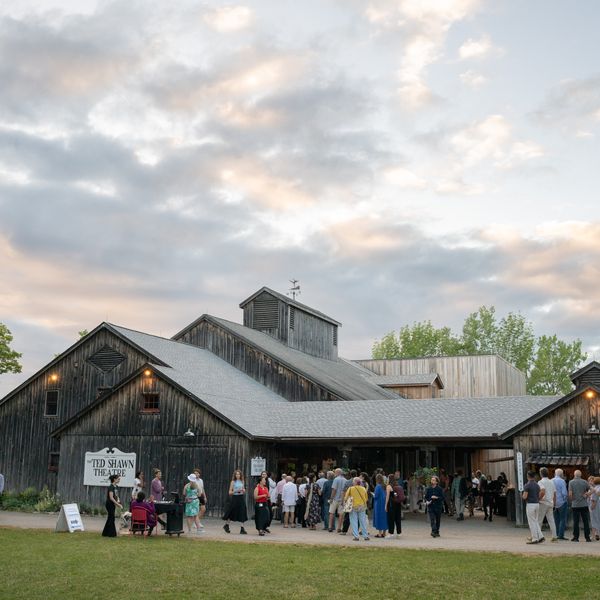
For the 12th consecutive summer, the acclaimed New York City-based dance company BalletCollective will return to Millbrook, continuing a residency that has become a vital part of the organization’s creative process and an increasingly significant cultural event for the Hudson Valley.

Founded by Troy Schumacher in 2011, BalletCollective was created as an interdisciplinary laboratory where choreographers collaborate with composers, writers and visual artists from the earliest stages of a work’s development. Rather than simply commissioning a score or set design, the company builds each ballet through a creative exchange among artists working across disciplines. The company has produced 26 world premieres and has performed at venues including Lincoln Center, the Metropolitan Museum of Art and the Joyce Theater.

This summer’s residency will feature new works by choreographers Shane Urton and Noelle Kayser, alongside Schumacher, all of whom are creating pieces for BalletCollective’s fall season. Running from July 13 through Aug. 2, the residency will bring dancers, choreographers and composers to the village as they develop new works that will premiere later this fall at New York City’s Cathedral of St. John the Divine. Joining the company in Millbrook will be dancers from New York City Ballet, including Davide Riccardo, Maya Milic, Simeon Neeld and Keenan Kiefer.
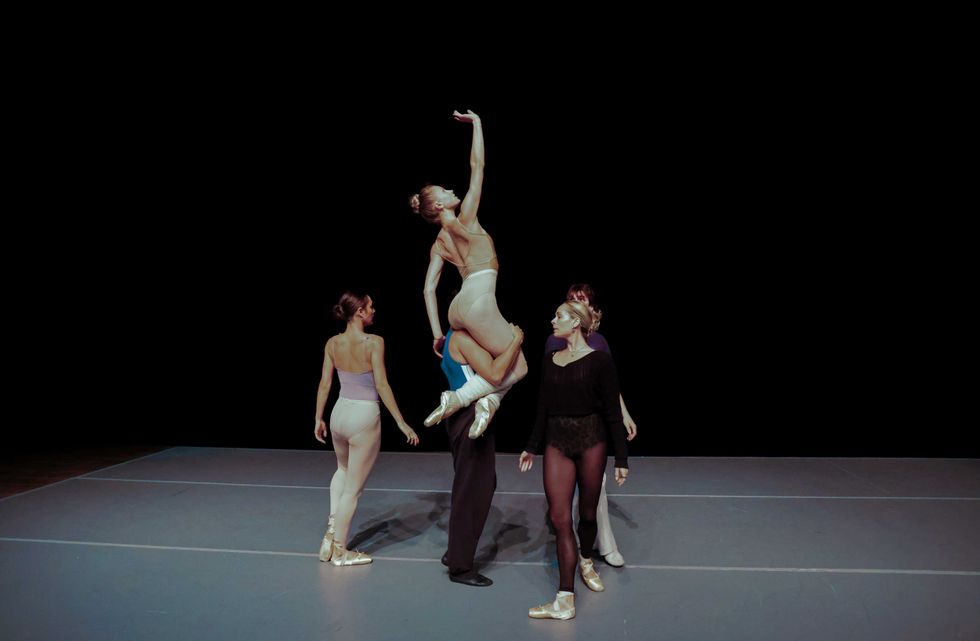
Parker Whitehead-Bus

The residency culminates with two public performances at Millbrook School on Aug. 1 and 2, offering audiences a rare opportunity to experience works in progress before they premiere in New York.

“Millbrook continues as the spine of how we develop new work,” said Schumacher. “The community here has become an essential part of our creative process.”

Schumacher’s connection to the region extends beyond the company’s annual residency. During the height of the COVID-19 pandemic in 2020, he organized “The Nutcracker at Wethersfield,” an ambitious outdoor production staged at the Wethersfield Estate in Amenia. The production became a symbol of artistic resilience during one of the performing arts’ most challenging periods and was later chronicled in the feature-length documentary “The Nutcracker at Wethersfield,” directed by acclaimed filmmaker Anne Sundberg.

As BalletCollective celebrates its 15th anniversary season, Millbrook remains at the heart of the company’s creative process. For three weeks each summer, the village becomes a creative laboratory where choreographers, dancers and composers experiment, collaborate and refine new work before sharing it with the community that has helped nurture the company for more than a decade.
Latest News

Millerton owes its name to a transient engineer
Photo Courtesy North East Historical SocietySidney G. Miller, the engineer that helped build the railroad through Millerton, is the village’s namesake but never lived there.

The arrival of the railroad in the Town of North East in 1851 is heralded as the moment Millerton came into being — ushering in a boom period for the area that transformed it from a sparsely populated farming community into a hub of commerce.

That moment was brought about by Sidney Greene Miller and his associate civil engineers in their work as contractors for the New York and Harlem Railroad. After his work, Millerton quickly grew from an insignificant hamlet in North East to the center of the town’s activity within just 25 years.

Keep ReadingShow less
Millerton’s fire department marks 134 years of battling blazes

Millerton Fire Co. members monitor a fire at the Brown Cup Diner on Route 22. The diner would later be completely destroyed by the fire.

Archive photo

Millerton’s volunteer fire department has spent more than 130 years protecting the village, a legacy that began after a fire ravaged and destroyed a prominent hotel in 1891.

North East Fire District Commissioner Dave Vandebogart, who serves as the fire company’s historian, is himself a third-generation member of the Millerton Fire Company. He said Millerton’s rapid growth after the arrival of the railroad spurred the need for an organized fire department.

Keep ReadingShow less
New pool and poolhouse expected to open next year

A rendering of the planned pool and poolhouse shows a shallow, ramped entrance allowing access for people with disabilities.

Illustration Provided

Plans for the long-awaited community pool and poolhouse at Eddie Collins Memorial Park are moving into the construction phase, with village officials aiming to open the facility by summer 2027.

The Village Board of Trustees hopes to hold a ceremonial groundbreaking in July as part of Millerton’s 175th anniversary celebration. With contracts for electrical, plumbing and mechanical work now approved, construction is expected to begin in August.

Keep ReadingShow less
google preferred source

Want more of our stories on Google? Click here to make us a Preferred Source.

Documentary film about railroad resurfaces after 40 years

Filmmaker Philip Milano of Dover Plains holds the Scotch U-matic cassette containing his original 1970s documentary about the Harlem Valley Transportation Association.

Aly Morrissey

Long before the bustling Harlem Valley Rail Trail hosted runners, walkers and cyclists, a historic railroad ran through Millerton, connecting rural towns to New York City. The eventual dismantling of the railroad was met with criticism and pushback from residents.

That chapter of local history comes alive in a resurfaced documentary film that had been tucked away in an attic in Dover Plains for more than 40 years.

Keep ReadingShow less
Millerton’s early days brought huge change to the community
Courtesy U.S. Library of Congress

The Village of Millerton was founded a decade before the Civil War during a time when railroads were transforming rural economies, the nation was expanding westward and tensions over slavery were mounting.

The first 25 years of Millerton reflected that era of rapid change, characterized by an almost overnight transformation from farmland to being a railroad hub.

Keep ReadingShow less
Kingston Guards bring baseball back to the basics

The Kingston Guards and the Bovina Dairymen

Schuyler Meyer
These aren’t your standard gym rats trying to relive their high school or college glory.

The Kingston Guards are playing ball the way it used to be played. To be specific, they’re playing baseball by the rules of 1864, the last full season before the Civil War. To them, it’s a purer form of the game, devoid of constant rule changes and all that pesky equipment like gloves, helmets and catchers’ masks. Sure, there are umpires, but they’re really there more to settle arguments than make actual calls.

The whole game feels less aggressive and more friendly. In fact, many of the players on the Guards and other teams in the vintage baseball scene came from softball leagues that had simply become too competitive. These aren’t your standard gym rats trying to relive their high school or college glory. More often, they’re history buffs looking for something a little more athletic than the synchronized marching of Civil War reenactments — though, to be fair, some of them are still Civil War reenactors.

Keep ReadingShow less
google preferred source

Want more of our stories on Google? Click here to make us a Preferred Source.

google preferred source

Want more of our stories on Google? Click here to make us a Preferred Source.