SALISBURY — Robert Boyett’s long-time vision to conserve a large swath of more than 1,000 contiguous acres of scenic pastures, forests and farmland in Northwest Connecticut and Southern Berkshire County became reality earlier this month.
On March 13, Boyett, 82, a retired television producer and Salisbury resident, sold 75 acres off Cooper Hill in Sheffield, Mass., to the Trustees of Reservations for $1.3 million, which will be placed under conservation restriction.
The Sheffield land deal was the fourth and final transaction aimed at protecting Boyett’s land holdings from development, made possible through a coalition of eight conservation groups spanning two states, and two Limited Liability Companies (LLC’s) comprising private donors.
Through the multi-faceted effort, hastily organized last fall as the Cooper Hill Conservation Alliance, roughly $12 million in transactions were completed, protecting more than 1,000 acres from development.
“Mr. Boyett always wanted to keep the land all together, and this whole group, they worked together for a common goal to make it happen,” said Elyse Harney Morris, owner/broker of Elyse Harney Real Estate, who with co-agent Bill Melnick, helped Boyett piece together a complex conservation plan.
The 75 acres in Sheffield, unlike the other acreage in his land portfolio, were never put on the market. “It was something that the Trustees had been looking at for 15 to 20 years. They had to raise $1.3 million, and we bought them some time,” she explained.
“I think that 75 acres is one of the most beautiful sites. It sits up high, away from the road and has beautiful western views, and Bartholomew’s Cobble is right there,” said Morris, who on numerous occasions joined Boyett on rides around the properties that he so cherished.
“People have been coming up to me saying they didn’t even realize that area existed, but once they saw it,” she said, they were in awe. “It’s God’s country up there. It’s just so beautiful and now it’s protected forever.”
“I’m just so glad it is staying in perpetuity in conservation, and now the Trustees are working with an abutting neighbor for an additional 85 acres,” said Morris.
The additional parcels in different stages of preservation include: 297 acres on the north side of Twin Lakes on Tom’s Hill, which was taken off the market by an LLC comprising private donors who raised nearly $2.5 million to give the Salisbury Association Land Trust (SALT) time to apply for state and federal preservation grants; A second LLC comprising a half dozen donors, formed to purchase 220 acres on Miles Mountain, which leads to Cooper Hill, for nearly $1.5 million; and more than 440 acres at Cooper Hill Farm in Sheffield, Mass., which sold to Louis Aragi and Louis Aragi Sr. for more than $5 million, the majority of which will be protected as agricultural land.
Tim Abbott, HVA’s Regional Conservation and Greenprint Director, who has been a strong advocate for regional conservation partnerships for the past quarter-century, referred to the Connecticut portion of the Boyett land as “off the charts for biodiversity.”
In an interview last fall, Boyett said he was “thrilled” to be able to transfer Cooper Hill Farm “to younger hands. The Aragi family, he said, have farmed the land for 20 years and have been wonderful custodians of the land.
“They have been very earnest about it. We never signed a piece of paper. It was a gentleman’s handshake.”
Morris praised the “epic” response from the coalition of conservation organizations for mobilizing quickly, and for Boyett’s part in turning down lucrative offers and buying time for the conservationists to put a plan in place.
The coalition involved in the multiple transactions included, in addition to the Trustees of Reservation and SALT, the Housatonic Valley Association (HVA), Northwest Connecticut Land Conservancy (NCLC), the Connecticut and Massachusetts nature conservancies and Sheffield Land Trust.
“Everything came together because we had spent time building the trust, capacity and collaborative culture that could act when something of this size and complexity came available,” said Abbott.
Now that the land is preserved in perpetuity, there remains much to be done, said Morris.
“The work will continue between the conservation groups and the community, which is needed to help support what they bought. Yes, they will apply for grants, but it won’t pay for everything.”
Boyett said he received many offers for his land from developers over the years, “but I wanted to wait until I could just hold onto it and do the right thing.”
Morris noted that her client’s devotion to land preservation had an unexpected side effect.
She noted that Melnick was so inspired by Boyett’s dedication to conservation that he recently joined the Sharon Land Trust board of directors.
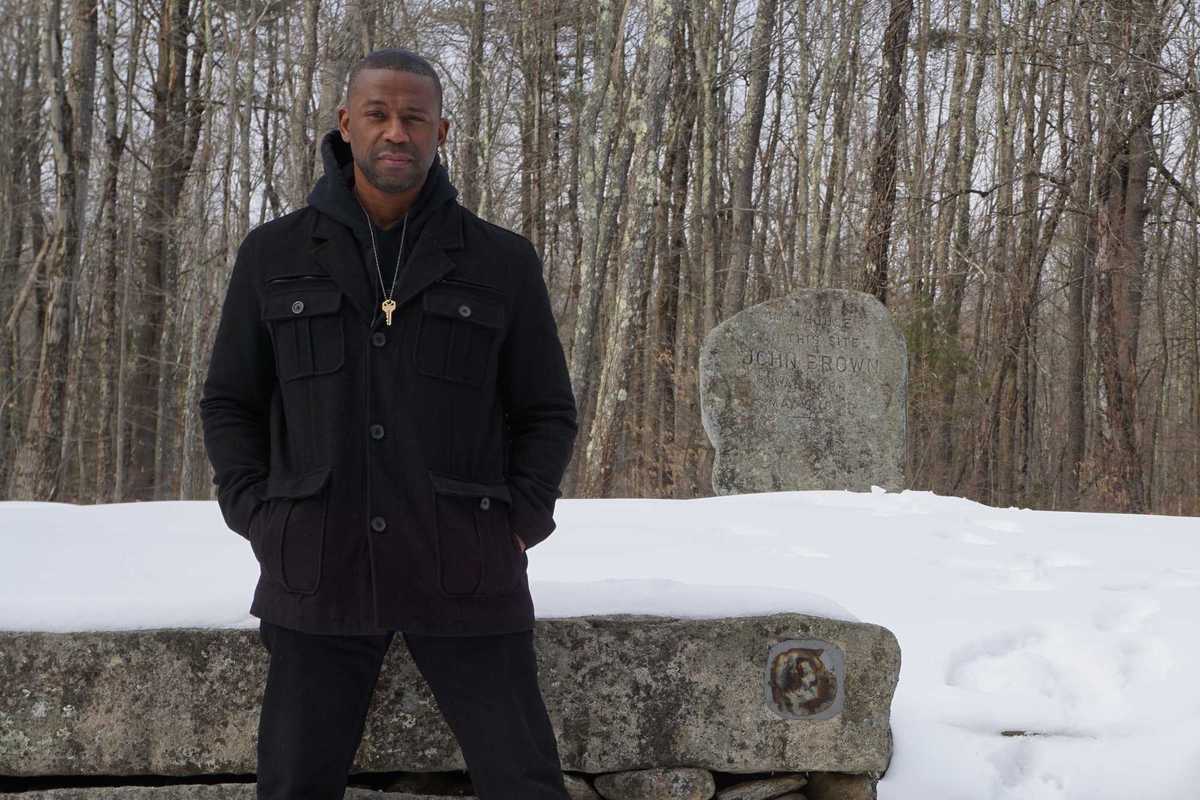
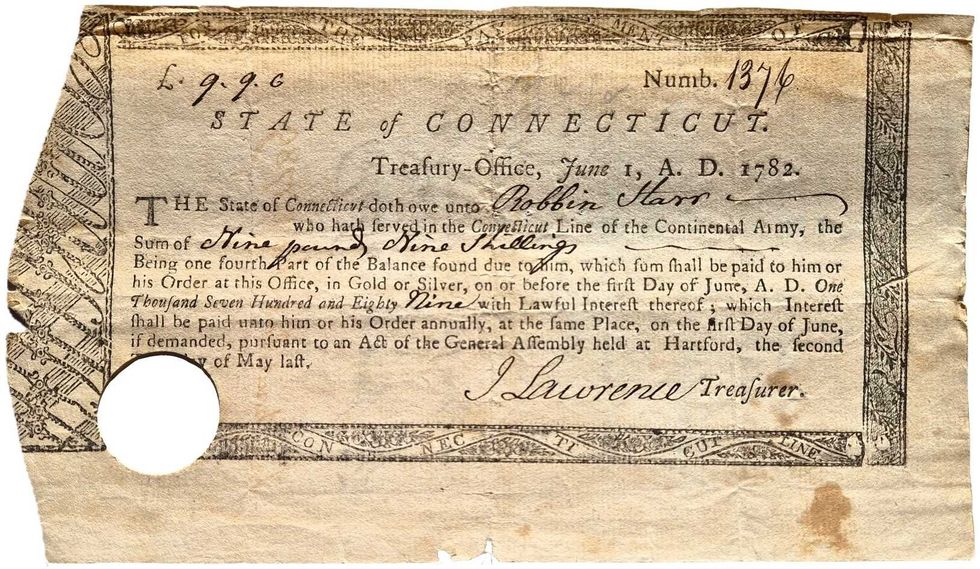 Pay Bill for Robin Starr’s service in the Continental Army.Courtesy the Alex Breanne Corporation
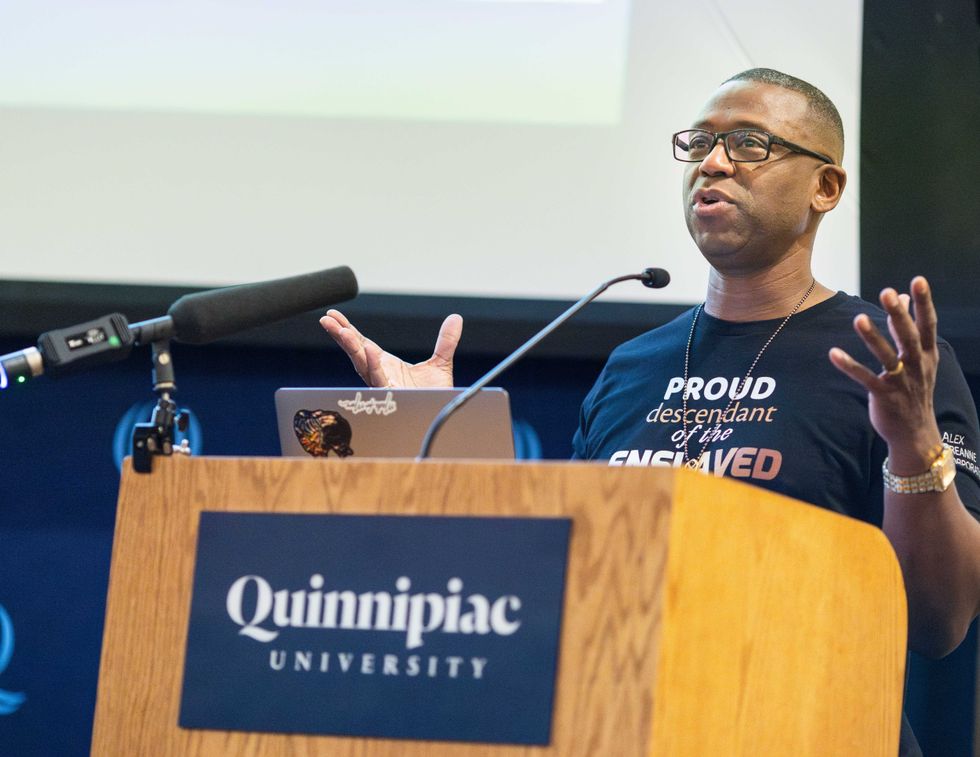 John Mills speaking at Quinnipiac University.Courtesy the Alex Breanne Corporation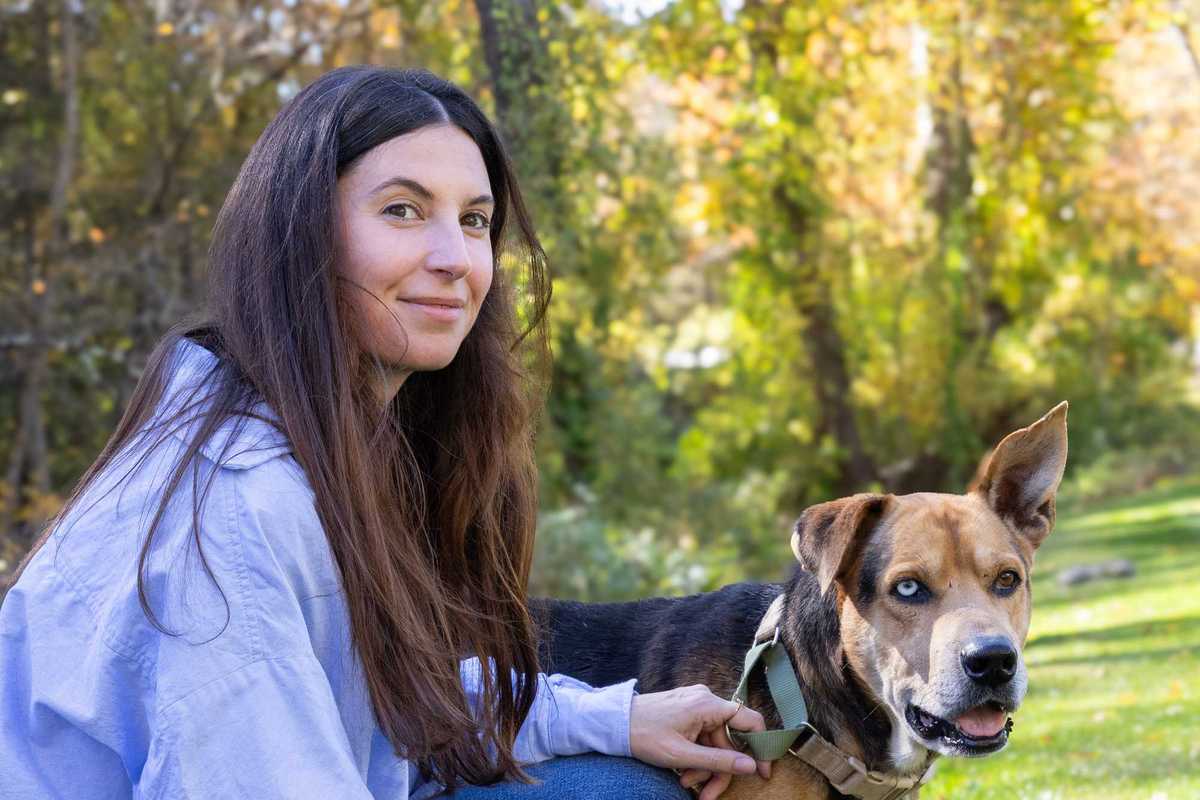
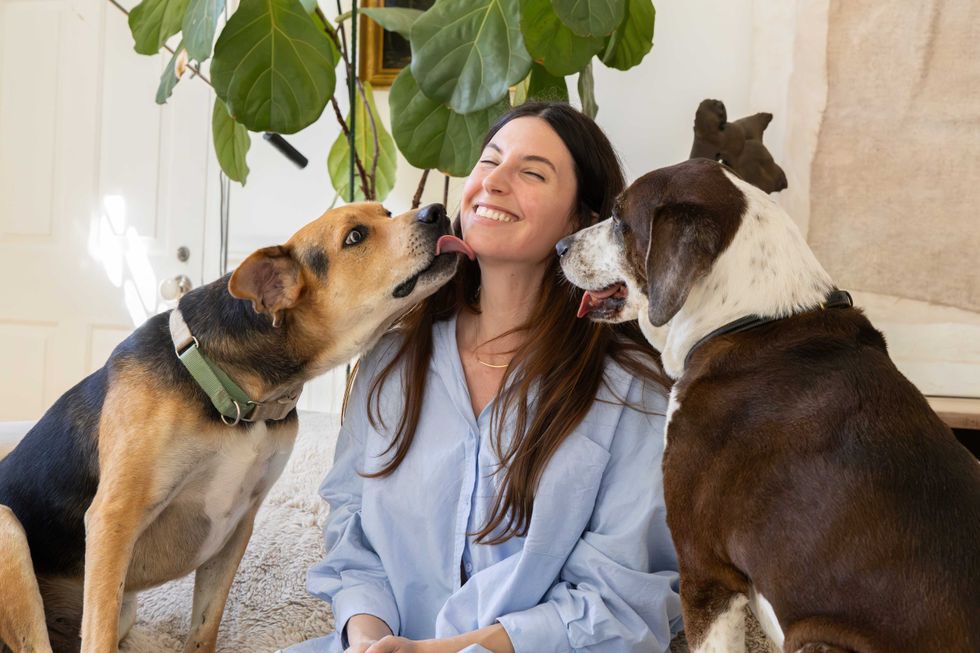 Stephanie Saetta,with her rescue dog George and Blue (left), a shepherd mix awaiting his forever home.Madi Long
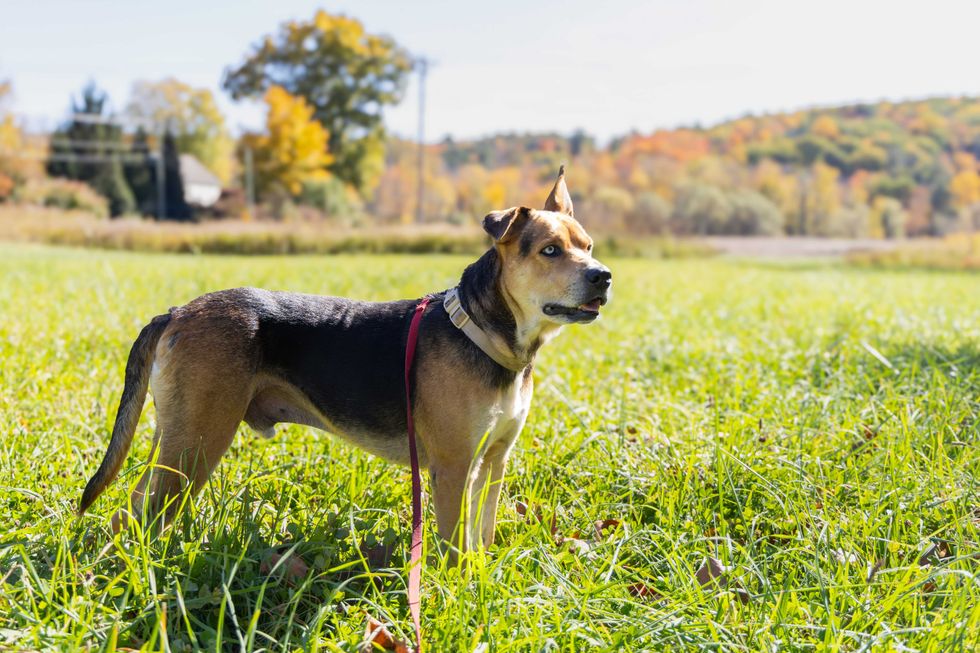 Blue, a 7 year-old Shepard mix, is waiting for his forever home. Madi Long