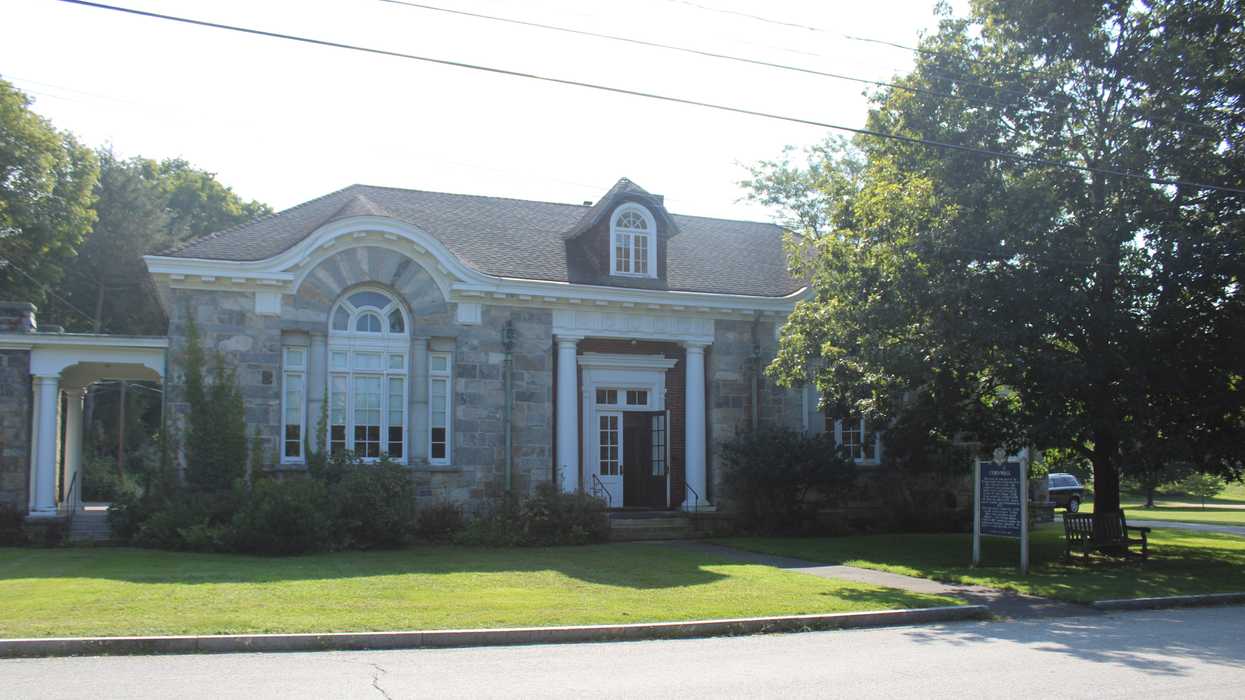
Connecticut is making it easier for these data centers. We are concerned about the water and electricity needed for them. We don’t want them. — P&Z Chairman Anna Timell
CORNWALL — Cornwall is moving to shut the door on data centers and large-scale battery storage facilities before a developer attempts to submit plans for either type of project.
The Planning and Zoning Commission has proposed amending the town’s zoning regulations to define and prohibit both uses. A public hearing is scheduled for Tuesday, Oct. 13, at 7 p.m. at the Cornwall Library.
If the P&Z Commission votes in favor of a ban, the zoning regulations will have to be amended to define centers and prohibit them.
The proposal comes as Connecticut offers tax incentives to attract data centers and promotes battery storage as part of its efforts to modernize the electric grid and expand renewable energy.
At the same time, communities are raising concerns about the facilities’ effects on electricity and water supplies, as well as community character.
In an interview, P&Z Chairman Anna Timell said commissioners are concerned that Cornwall’s fallow agricultural land could attract development, despite the town’s many conservation protections.
“But we worry about preserving those lands. Connecticut is making it easier for these data centers. We are concerned about the water and electricity needed for them. We don’t want them,” she said.
Janell Mullen, the commission’s consultant, prepared a memorandum in which she said data centers and battery energy storage systems “are becoming one of the most significant land-use challenges facing Connecticut planning and zoning commissions.
These projects can have profound impacts on local zoning, public safety, utilities, environmental concerns and the scenic quality of a small town like Cornwall.”
A data center is defined as a facility, structure or campus of structures primarily used for the storage, processing and distribution of digital data and information, including cloud-based services and network operations.
They typically include high density server and data storage equipment, telecommunications and networking infrastructure, mechanical systems for cooling, onsite electrical substations and security, monitoring and operational support infrastructure.
Traditional centers are often 25,000 to 100,000 square feet.
Mullen said towns in Connecticut are vulnerable because the state has established tax incentives to attract data center development. The law provides significant tax benefits for qualified centers and state agencies are actively marketing them as a destination.
The ban would also prohibit a battery energy storage system (BESS), which is a stationary system or facility designed to store electrical energy using rechargeable batteries or similar technologies for later use. They store and discharge electricity as needed. They can occupy several acres and contain hundreds of lithium-ion battery cabinets.
The state’s electric grid modernization efforts and renewable energy goals are driving demand for utility-scale battery storage facilities, Mullen said.
In her memorandum, she noted Morris has enacted a two-year moratorium on data centers and Groton, with a one-year moratorium, has developed regulations governing their location and operation.
She said many Connecticut towns are beginning to realize they have little, or no zoning language addressing either use.




 Justine and Victor Valla in their studio with a painting of Victor’s,”Jonah and the Whale.” Robin Roraback


 A ceramic vase by Kathleen Heidemann.Provided
  Joy Brown’s delightful ceramic sculptures.Provided

 Hundreds of items at Stateline Auctions, including a candy-apple-red Crosley pickup truck.D.H. Callahan