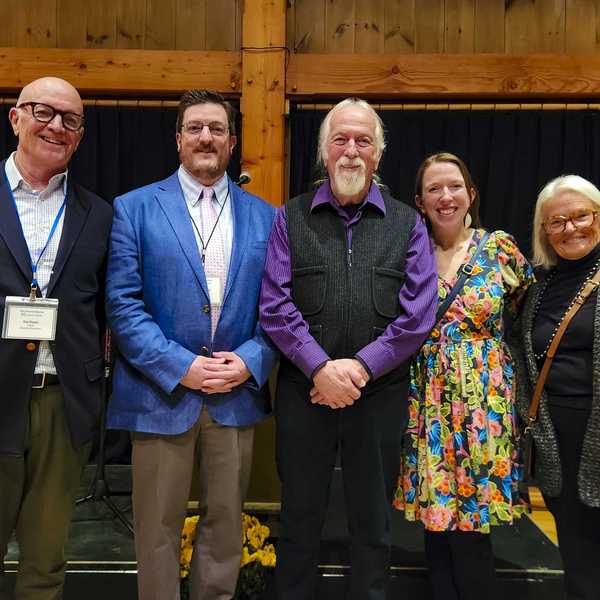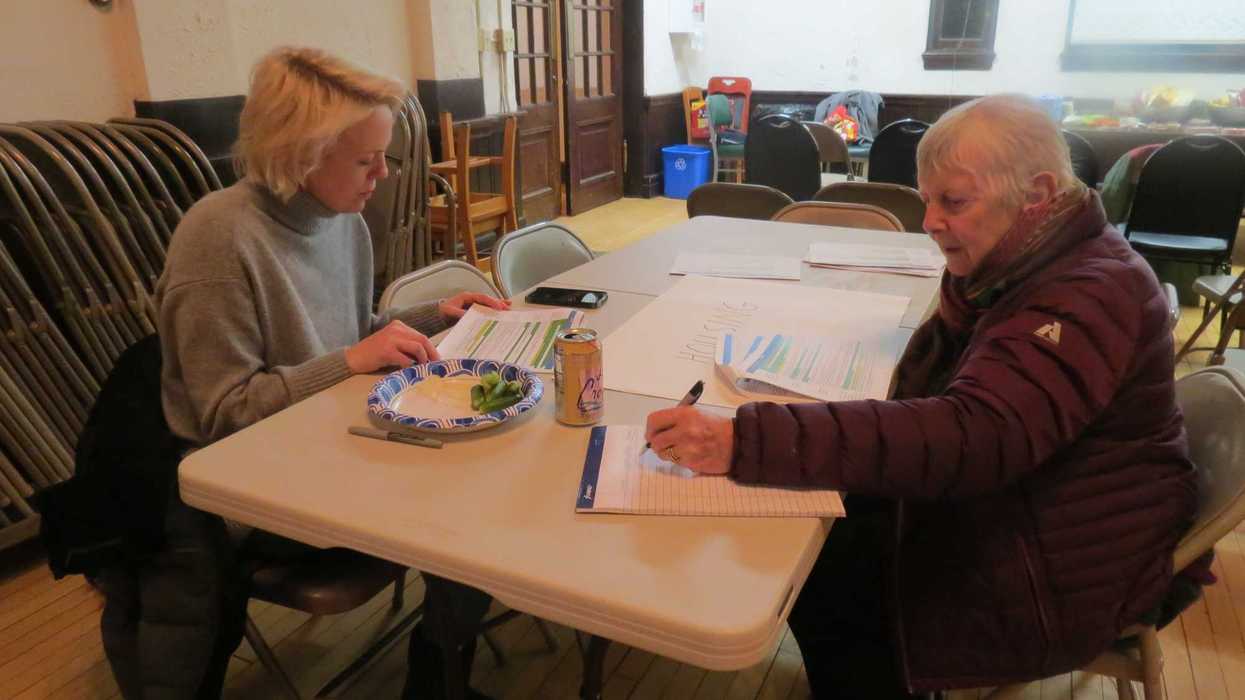
CORNWALL — Channeling former New York City Mayor Ed Koch’s signature question, “So how am I doing?” the designers of the town’s Plan of Conservation and Development gathered to assess how well its goals are being carried out.
Participants from the plan’s four publicly selected focus areas attended a session hosted by the Planning and Zoning Commission on Thursday, Feb. 5. The four areas targeted for study are housing, natural resources, economic development and youth, community and cultural resources. Before participants broke out into separate groups, commission Chairman Anna Timell gave a brief presentation.
Timell explained that the state requires each town to develop a plan every 10 years outlining goals residents want to achieve to improve their community. Grants are tied to the submission of those plans, “so we take ours pretty seriously,” she said, adding, “It’s pretty remarkable what we’ve accomplished in the past five years.”
She described the start of the process in 2019, which included informational meetings to gather public input and a town meeting to approve the document. She said interest was high, as reflected by strong attendance at those sessions.
Timell suggested that participants consider which goals have not yet been addressed, what obstacles remain and how progress might be approached differently.
At the housing table, Jill Cutler of the Cornwall Housing Corp. said one of the plan’s goals was to build 25 affordable apartments over the 10-year period, a benchmark that has not yet been met. Limited available land remains one of the biggest challenges, she said.
Cutler noted that the group is exploring a former brownfield site on Route 7 South as a potential location for housing, but said funding would need to be raised to acquire the property.
Rising housing costs, she added, are making it increasingly difficult for many residents to purchase homes or rent apartments considered “affordable.”
She said the group could consider working with the Torrington Area Health District and the Department of Energy and Environmental Protection to allow for unconventional septic systems, noting there are some low-cost alternatives.
Another potential barrier is the town’s three- and five-acre minimum parcel requirement in residential zones, though Cutler said there are differing views on whether that standard should be revised. Christine Gray of the Planning and Zoning Commission pointed out the regulations were altered to allow for one-quarter lots and five-foot setbacks in the West Cornwall business district.
Those at the economic development table discussed ways to attract businesses to Cornwall Bridge.
Bruce Bennett said businesses that support other businesses would be beneficial. “We need someone who can solicit businesses,” he said, adding that having a chamber of commerce might be helpful.But Steve Saccardi said it’s hard for a town to seek out new enterprises. “You’re asking people to take a gamble.”
Mare Rubin said there are two distinct types of businesses: brick-and-mortar establishments that customers visit and tradespeople who travel to their clients. “We need awareness of both,” she said.
Saccardi also attended the group discussing youth, community and cultural resources, where participants spoke of the need to develop more social programs for individuals who may feel isolated. They also said newcomers could be targeted to get involved in volunteer activities.
Brad Harding was at the natural resources table where the discussion centered on environmental groups sharing common goals. He said the Planning and Zoning Commission is already working with the Conservation Commission, which is having positive results.


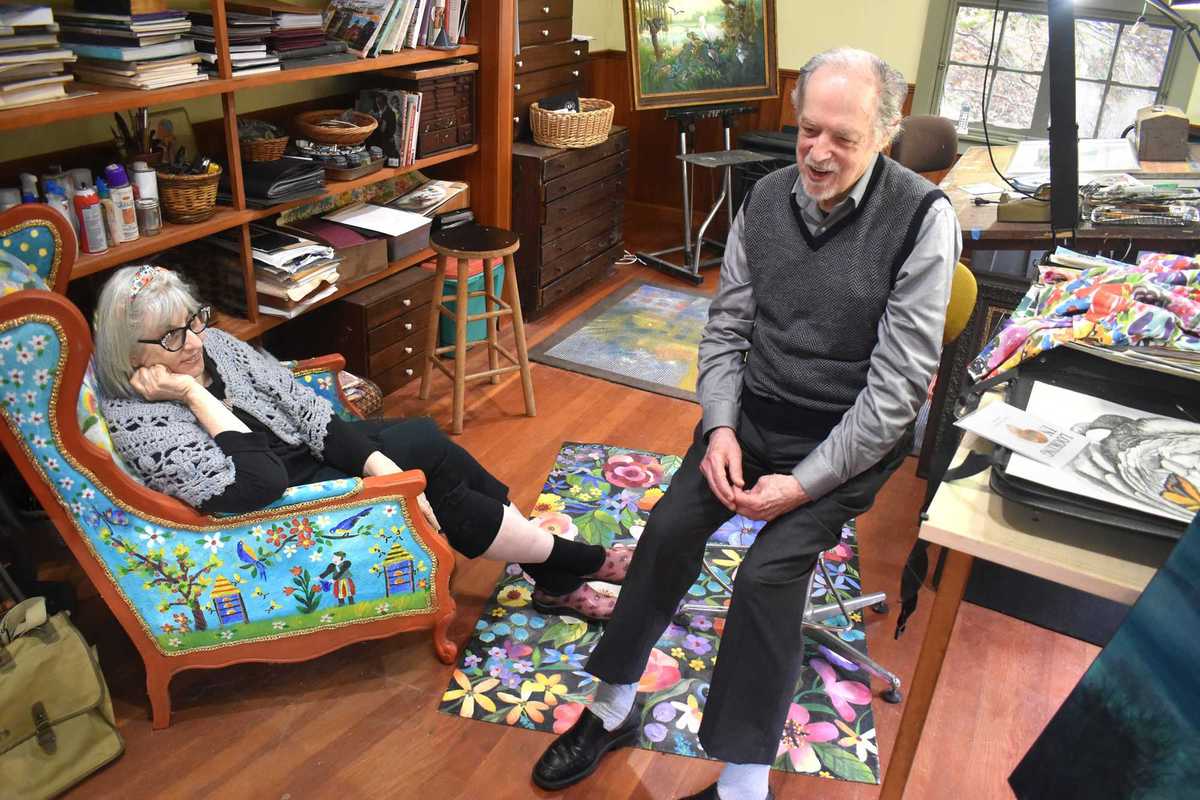
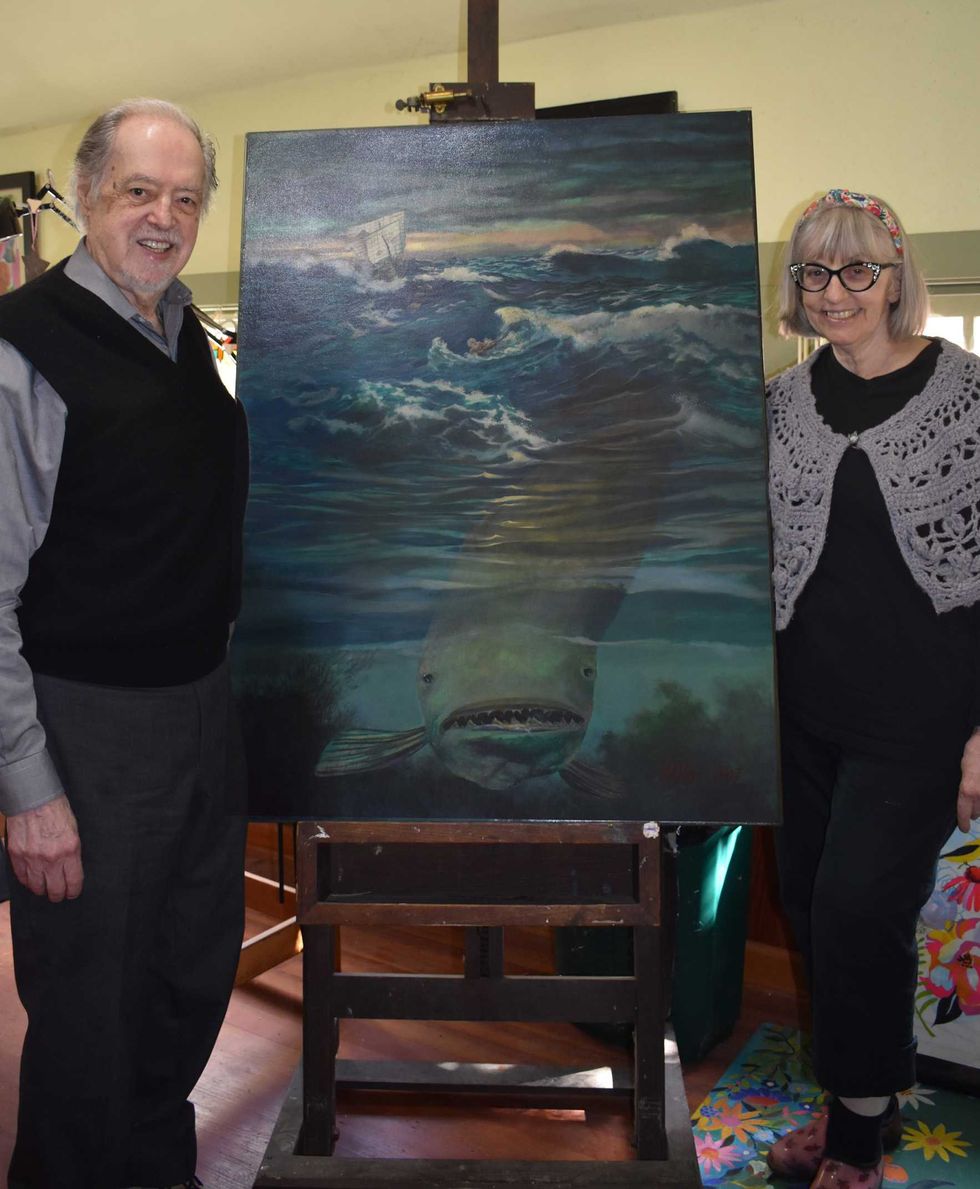 Justine and Victor Valla in their studio with a painting of Victor’s,”Jonah and the Whale.” Robin Roraback


 A ceramic vase by Kathleen Heidemann.Provided
  Joy Brown’s delightful ceramic sculptures.Provided