CORNWALL — If a picture is worth 1,000 words, the Cornwall Historical Society’s newest exhibit is quite a mouthful.
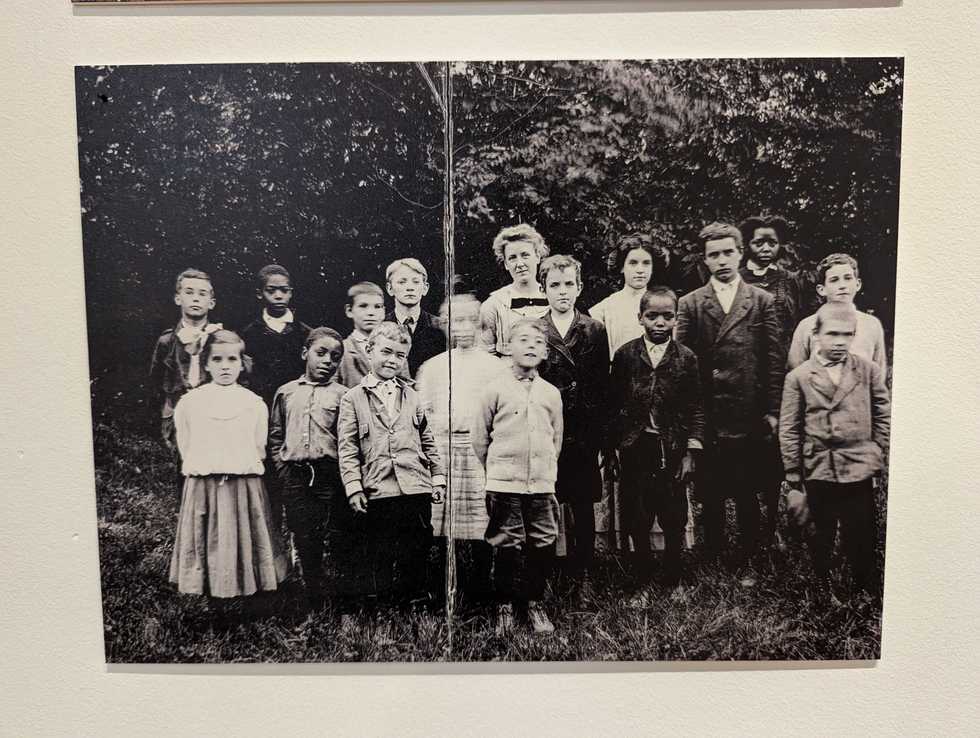
Compiled in a collaboration between the historical societies of Cornwall, Warren and Kent, the exhibition showcases dozens of postcards from the early 20th century, along with other bits of memorabilia that offer a look at where visitors to the Litchfield countryside lived, traveled and stayed way back when.
“All historical societies have a postcard collection,” said Suzie Fateh, curator of the Cornwall Historical Society, during a reception to celebrate the installation of new exhibitions on Saturday.
It was her idea to focus the display on the simple, popular and affordable pieces of mail that dominated communications in an era long before cell phones and selfies. It’s titled “Touring the Countryside: Postcards from Cornwall, Kent and Warren.”
“People tend to think that postcards are insignificant, but in fact, they are important historical documents,” Fateh added. “They help us picture what our towns looked like 100 years ago.”
One postcard featured pictures of Hopkins Place, now called Hopkins Inn, along Lake Waramaug and a note from a concerned sender.
“How is my plant? Don’t let it die,” it read.
Another features a picture of the West Cornwall Post Office, circa 1900, and another yet is inscribed with a message that may sound familiar: “Everything O.K. except the weather.”
“It’s our way of sharing our town’s history,” said Heather Forstmann, curator of the Warren Historical Society and the town historian.
Fateh and Forstmann also worked with Marge Smith, curator and archivist of the Kent Historical Society; Logan Wheeler, managing director at the Kent Historical Society; and public historian Kathleen Hulser, who helped out with research. The end result, they said, was a group effort.
Fateh called it “an opportunity for the three historical societies to feature what’s special about their towns.”
The exhibit also acts as a tribute to the history of postcards in general, including information about the first United States Postal Cards in 1870 and the various iterations that would develop over time.
In an adjacent section of the museum sits another exhibition, unveiled with the postcard showcase on July 1. This display, called “The Understory,” features the work of artist Richard Klein and pays homage to the region’s industrial roots in ironmaking. The exhibit’s pièce de résistance is a sculpture, reminiscent of a log sprouting fungi and made of native iron and repurposed wood. According to a descriptive placard that accompanies the piece, the burnt wood form is a fragment of an architectural column from a 19th-century house that was torn down in Canaan. The fungi are cast in salvaged Housatonic Valley scrap iron and molded after growths on trees adjacent to several furnace sites.
While it may seem thematically different from the postcards displayed on the walls, the curators agree that the link runs deep.
“It connects the three towns,” Forstmann said of the iron industry.
Fateh agreed.
“I think the one thing that we all share in common is the charcoal business, making the charcoal for the iron furnaces,” she said. “The Understory” exhibit also features pictures of colliers — people who made charcoal — building smoldering mounds that would reduce local timber to a usable residue. The charcoal was then used to fuel the blast furnaces.
Forstmann said visitors to the museum, located in the Cornwall Historical Society’s building at 7 Pine St. in Cornwall, can expect “to take a step back in time.”
“They can take a glimpse of history,” she said. “It’s really just fun.”
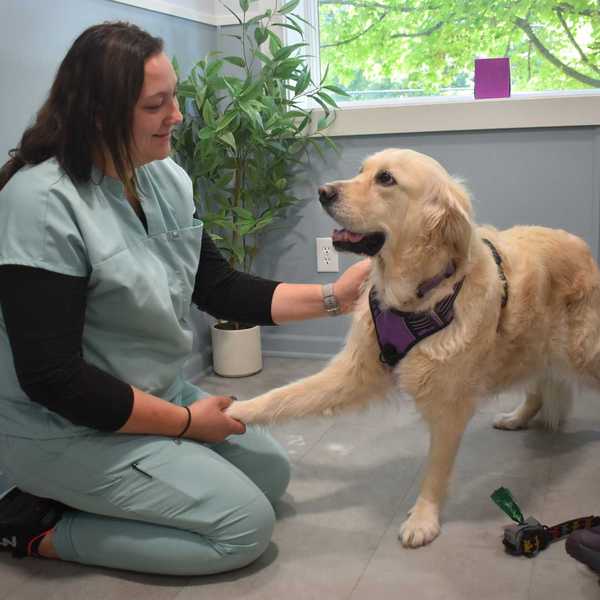
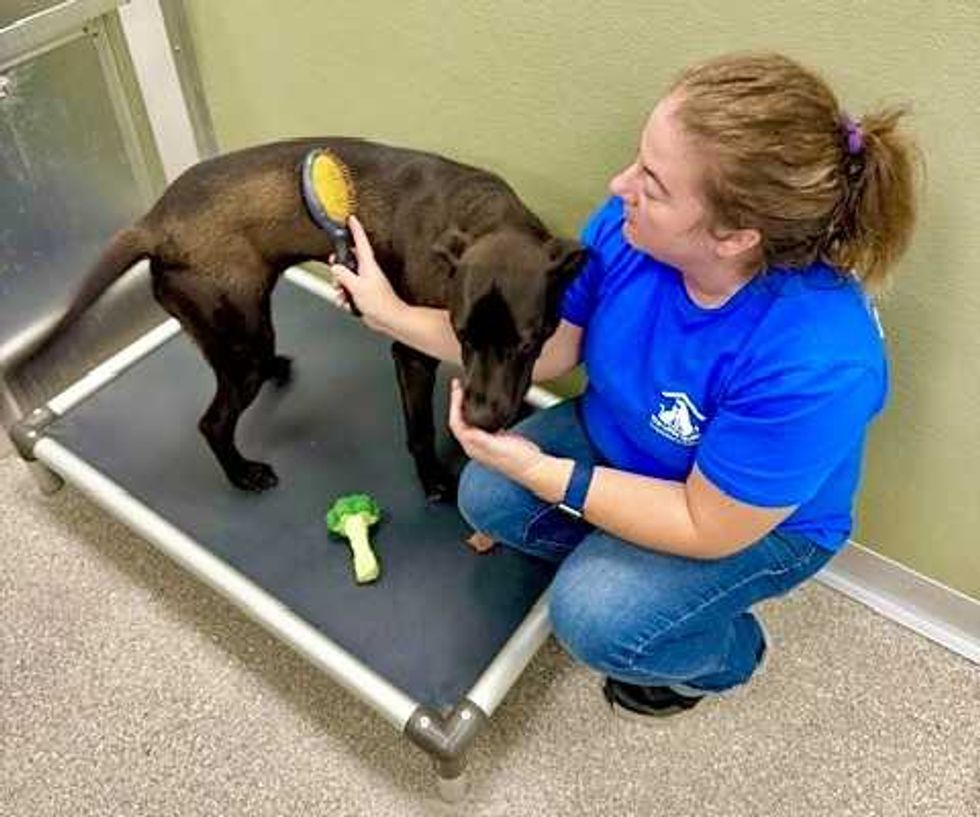 Tiffany Lemelin, shelter manager, brushing Marsala upon arrival.Provided
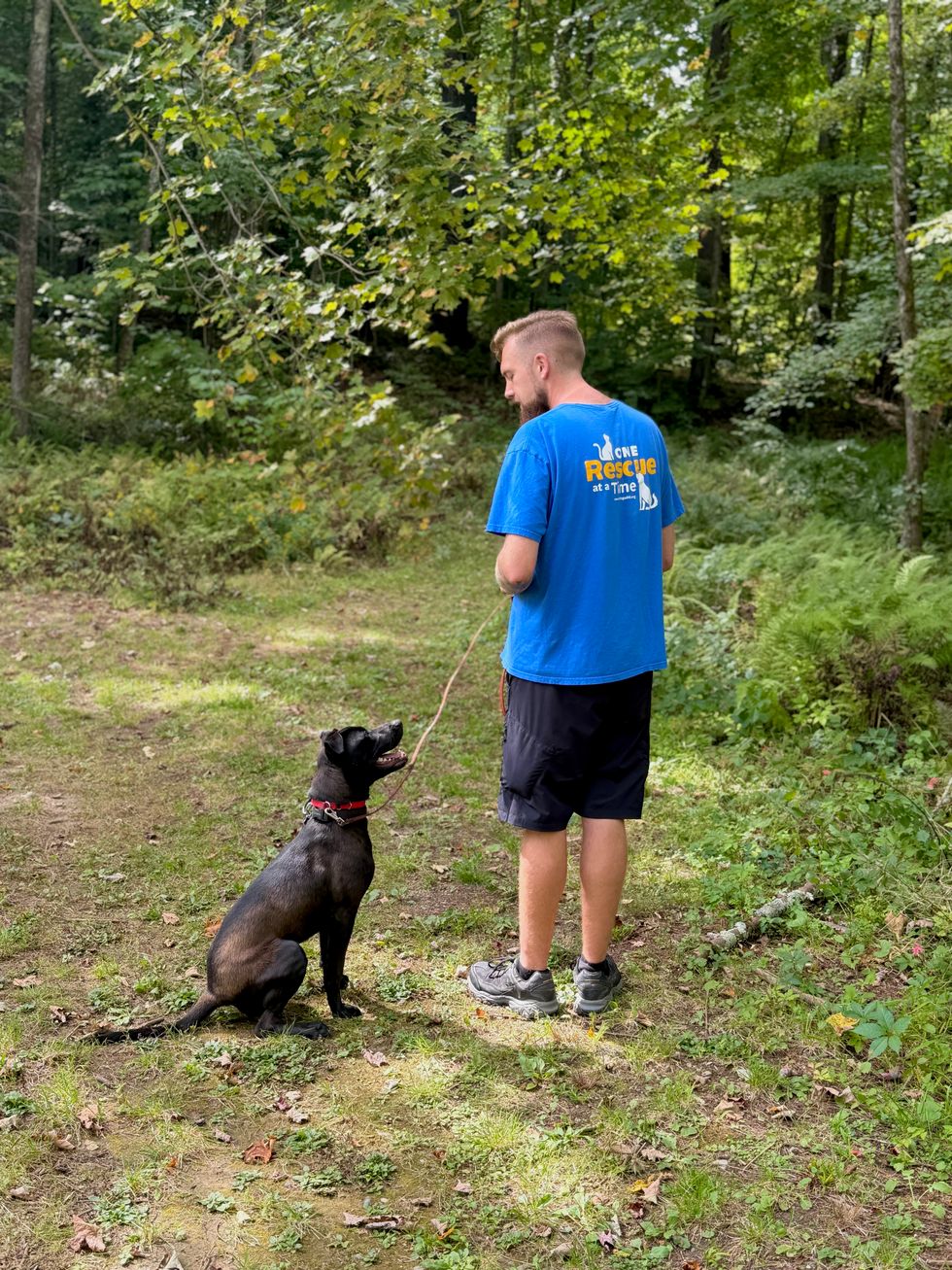 Michael DeBarba, certified dog trainer working with Marsala.Jennifer Almquist
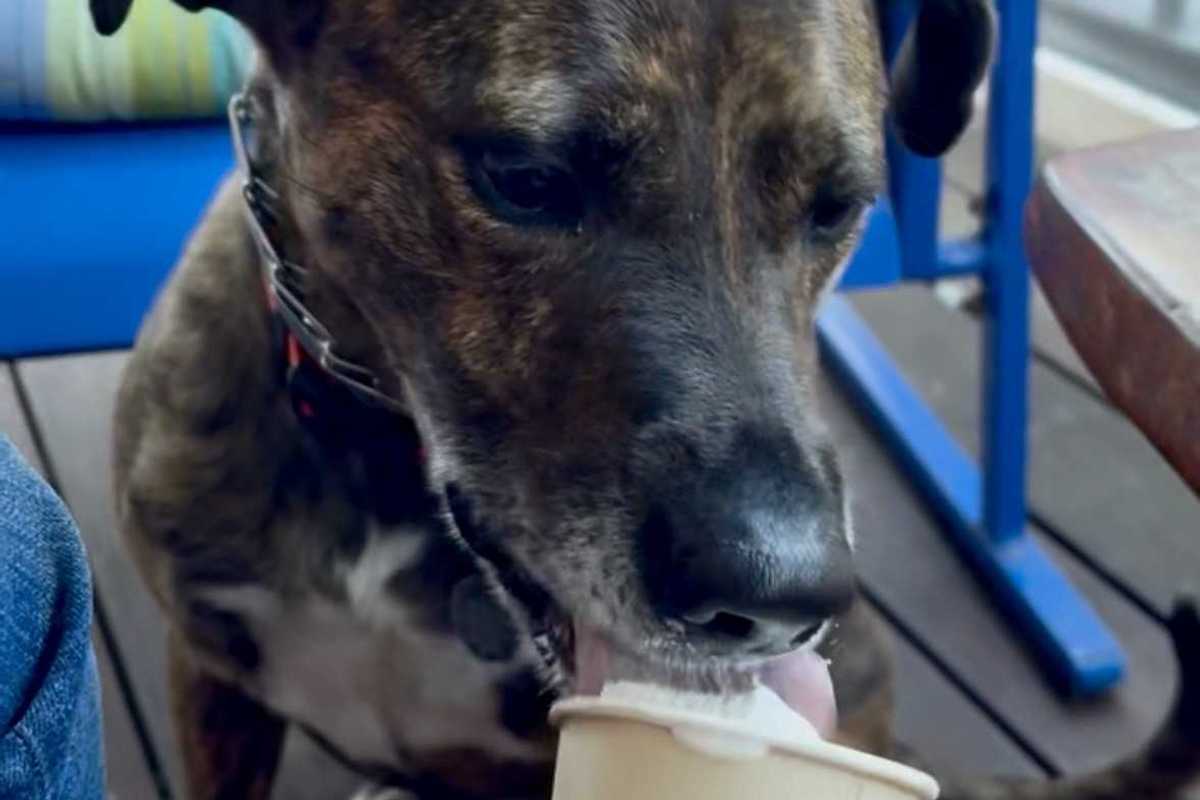
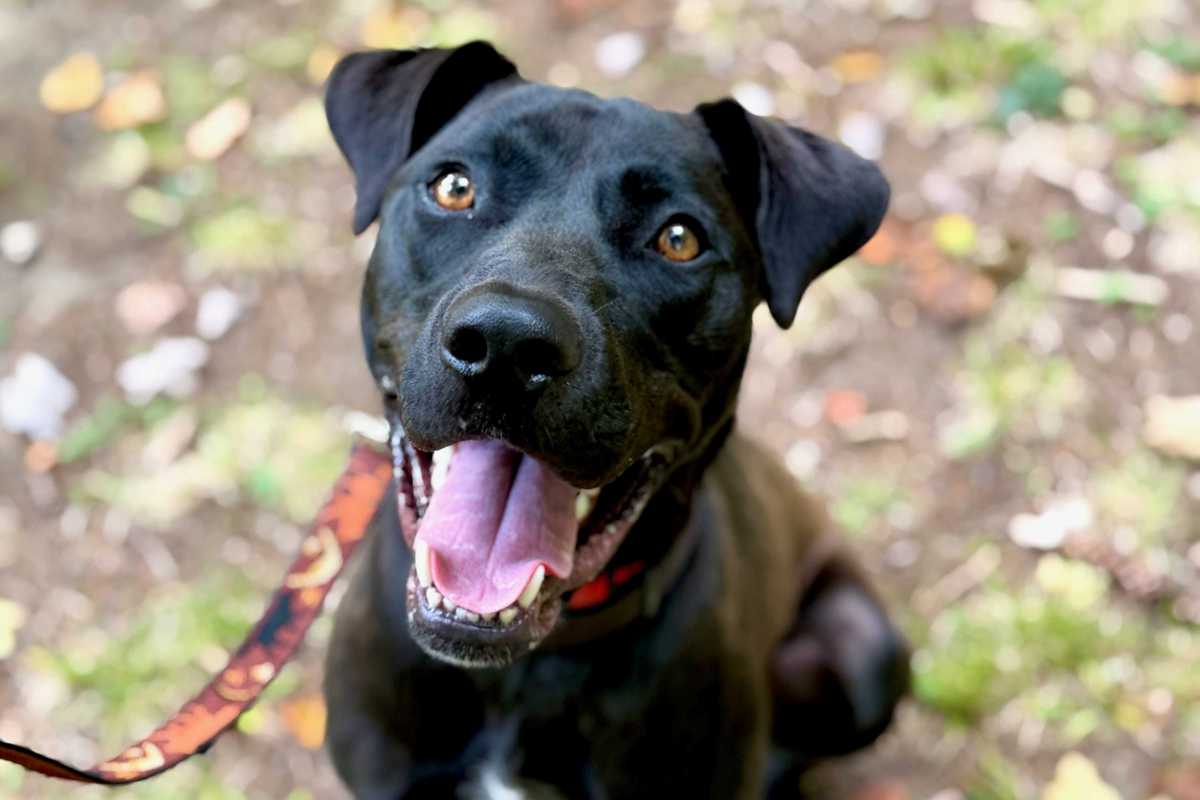
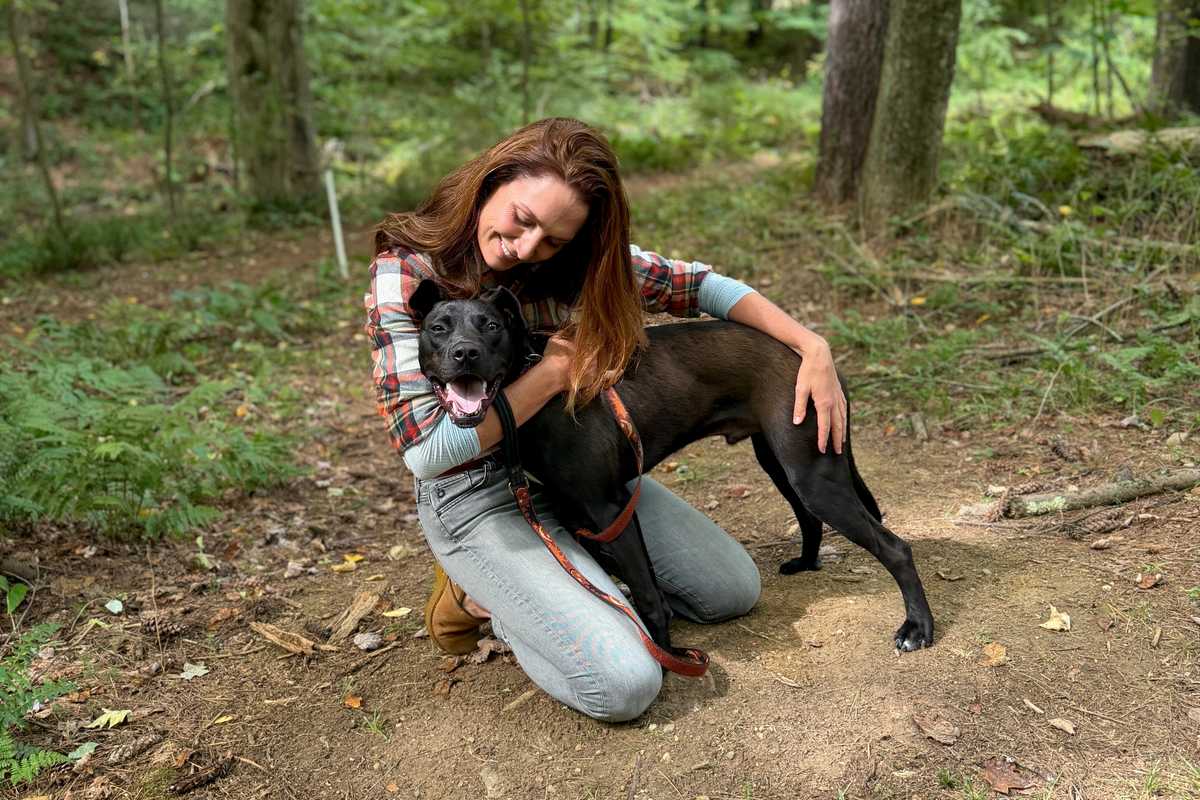 Marsala wins a heart.Jennifer Almquist
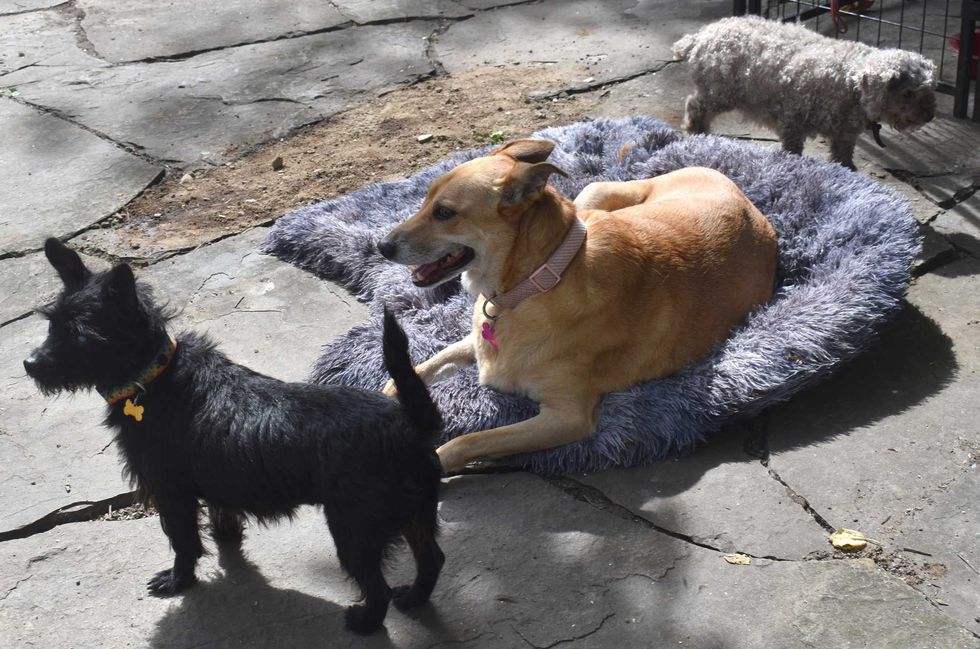 Sadie, center, a Carolina dog, plays with her friend Negra, a terrier mix. Bella Linda, the small poodle, has since been adopted.L. Tomaino
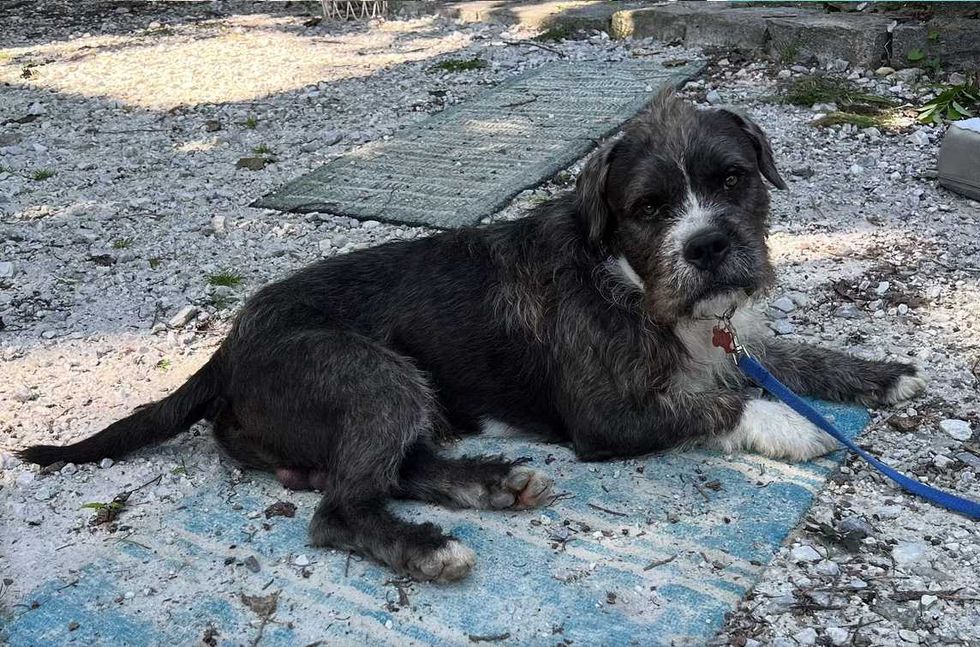 Wesley, a young, exuberant mix, is looking for an active home.L. Tomaino
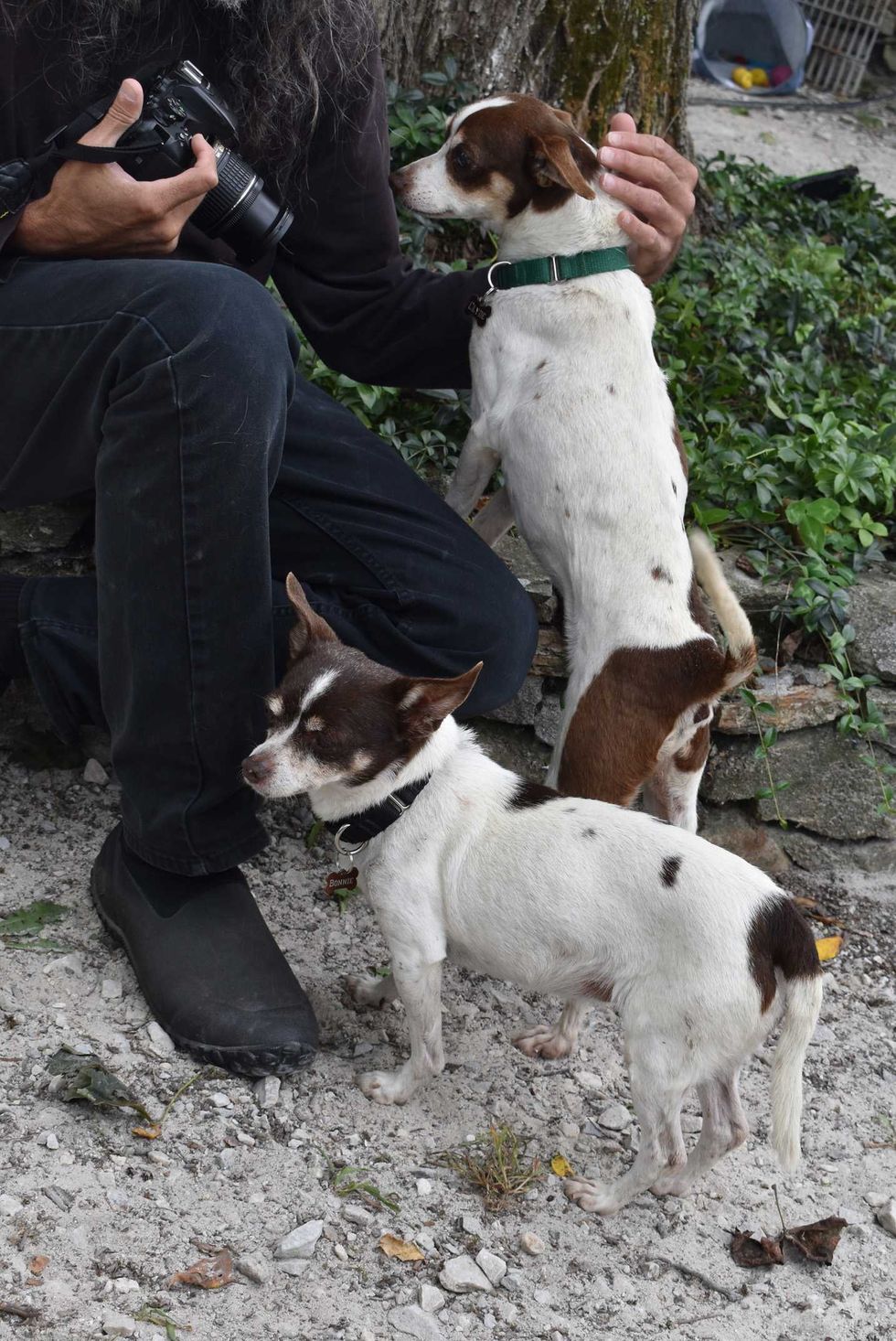 Bonnie and Clyde, an affectionate terrier pair.L. Tomaino
 Provided