Thank you!
Your support is sustaining the future of local news in our communities.

Court tests meaning of equal justice

“We want a Supreme Court which will do justice under the constitution – not over it. In our courts we want a government of laws, not of men.”
Franklin D. Roosevelt

John Roberts was nominated to replace Sandra Day O’Connor as a justice on the Supreme Court in July 2005 – three days later Rehnquist died and Roberts was nominated for Chief Justice as his replacement. The most vocal Democratic resister to Roberts’ confirmation was the new Senator Barack Obama who contested that though Roberts would be unquestionably qualified for 95 % of Supreme Court cases, he would be lacking for 5% of cases requiring depth and width of empathy – Roberts was for the strong over the weak. Roberts was confirmed 72 – 22. Four years later, January 20, 2009, Roberts bungled the Presidential oath of office at Obama’s inauguration, the oath was redone on January 21. Both men had been president of the Harvard Law Review – Roberts in 1978 and Obama in 1990.

In 2005 the Supreme Court enjoyed approval ratings over 60% - comfortable, respectable. In 2026, their approval rating is 42%, disapproval 57% - nearly a full reversal. The Court has lost the trust of a majority of the nation, 69% are in favor of term limits for Justices versus lifetime appointments. The stability of the law is in question. Many cases have been overturned, some cases have been decided with extraordinary outcomes for money in elections, for immunity from prosecution for the executive.

In 2010, the Supreme Court announced a decision, so contentious that it had to be re-argued, that overturned bans on corporate independent expenditures to favor unlimited corporate expenditures in elections. In 2016, total expenditures on Presidential and Congressional elections was up from $7 billion in 2008 to $18.3 billion boosted by super PACS and dark money whose donors were non-disclosed. Citizens United v. Federal Election Commission has transformed campaigns and impacted election outcomes. The Roberts Court ruled 5-4 with Roberts writing the opinion.

Voting rights have been struck down by three Supreme Court cases: Shelby County v. Holder (2013), Students for Fair Admissions v Harvard (2023) and Louisiana v. Callais (2026). The first decision eliminated requirements that certain states with histories of discrimination obtain federal preclearance before changing their voting laws. The Harvard case bans Affirmative Action for admissions. The final Louisiana decision limits the Voting Rights Act.

Roberts in his opinion in 2013 wrote: “The conditions that originally justified these measures no longer characterize voting in the covered jurisdictions.” The Roberts Court ruled 5-4 then 6-3.

Dobbs V Jackson Women’s Health Organization overturned Roe v Wade reaffirmed by the Supreme Court on four occasions. The Roberts Court ruled 6-3 with a scathing majority opinion written, leaked by Samuel Alito. Abortion is favored by 80% of Americans.

The nation continues to reel as the Supreme Court ruled that all former presidents possess absolute immunity for their core constitutional powers and immune from all official acts. The decision is broadly opposed as it undermines the principle that no one is above the law. The Roberts Court ruled 6-3 with the majority opinion written by Roberts.

Supreme Court overturned decisions have also impacted guns as well as the separation of church and state. An unusually high quantity of case have resulted in “shadow docket” findings which have no vote by the Justices, no explanation, no opinion. Additionally, the Supreme Court has overturned a surprising number of lower courts decisions in favor of the current administration.

The conclusion of the 2025-2026 Supreme Court season is upon us. Expected is another major decision regarding birth right citizenship now guaranteed in Section 1 of the 14th Amendment. Unexpected may be the unfurling of a gigantic Trump poster on the Supreme Court’s 92-foot “greek-temple” on First Avenue in DC. The Trump poster currently on the DOJ is 88 feet long – so a duplicate fits here even though such a Trump image would cover the west facade’s declaration of“ Equal justice under law.” Not all would be bothered or even notice.

“Members of the Supreme Court have lifetime tenure because they’re not suppose to do politics.”
Ben Sasse

Kathy Herald-Marlowe lives in Sharon.

The views expressed here are not necessarily those of The Lakeville Journal and The Journal does not support or oppose candidates for public office.

Latest News

A life reshaped by clay in “Matin”

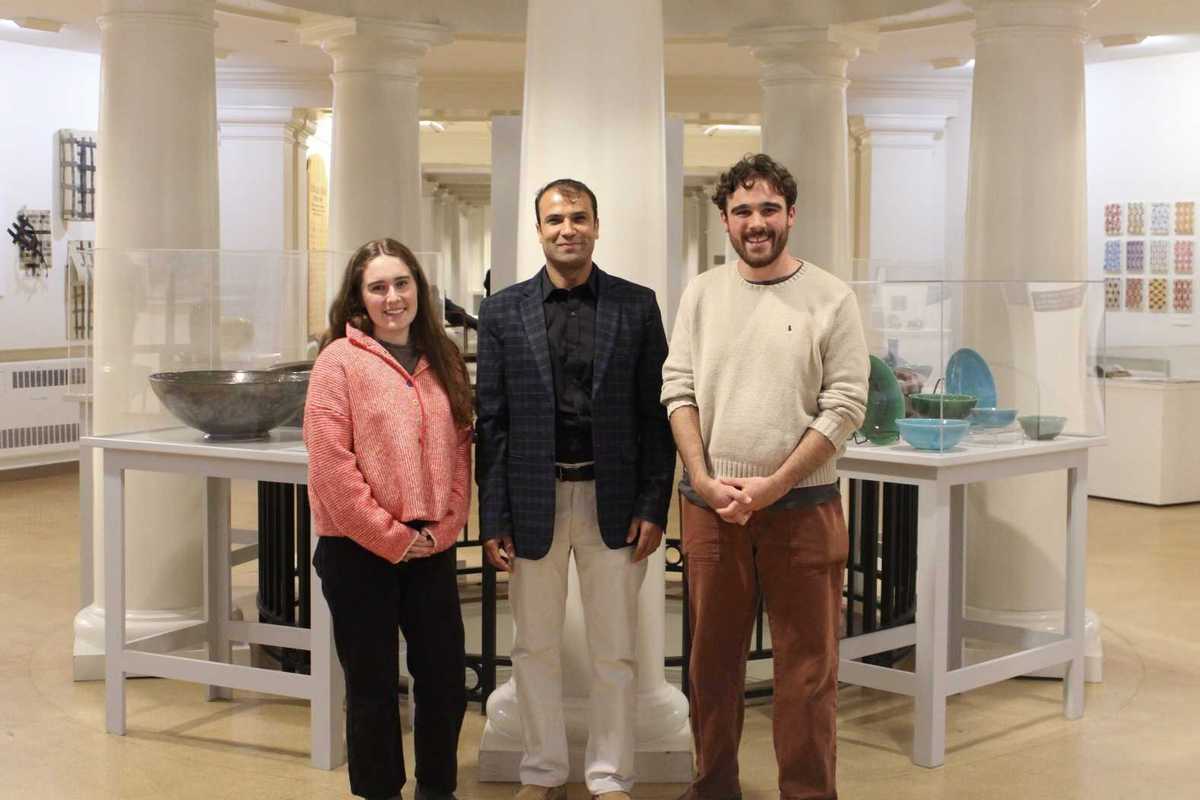
Left to right: Hannah Wheeler, Matin Malikzada and Yonah Sadeh.

D.H. Callahan

On Monday, Oct. 26, a group of students, teachers and local residents gathered at the Hotchkiss School in Lakeville for a screening of the new short documentary “Matin.” The film tells the story of Matin Malikzada, a seventh-generation Afghani potter making a new life in New Milford, Connecticut. The film was made by local filmmaker Yonah Sadeh, creator of the Video Wall at the David M. Hunt Library, and Berkshires-based potter Hannah Wheeler, who were both present for the screening, along with Malikzada himself.

As a member of the seventh generation of his family to master the art of pottery, Malikzada had done things the way his family had for over a century. Istalif, the village where his family has lived for generations, was known throughout Afghanistan for its pottery, with wares sent across the country for use as everyday cups, bowls, plates and other vessels. The pottery-making families of Istalif gathered clay from the same mountain, about 30 to 45 minutes away by donkey. Every July, they would head north toward the Uzbekistan border to gather ishkar, a plant they processed by hand to make their signature glazes.

Keep ReadingShow less
Meg Sher finds her calling among the stacks

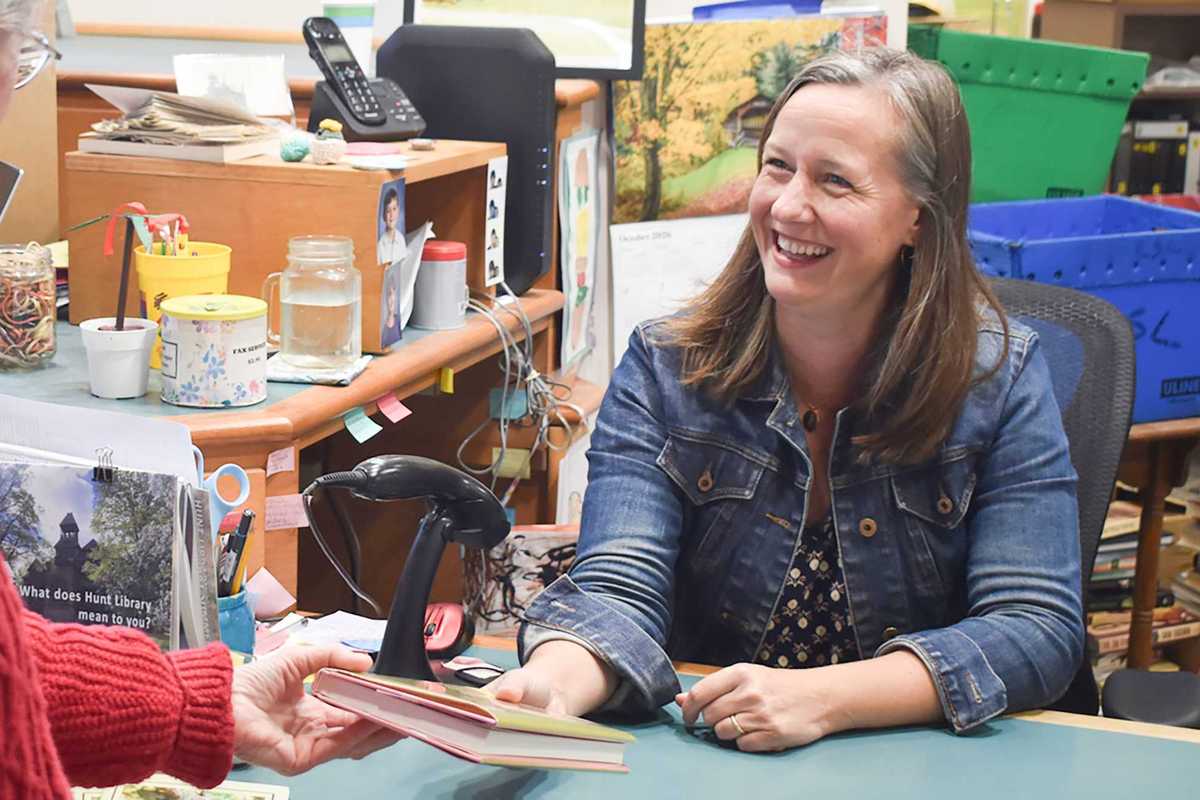
Meg Sher, executive director of the David M. Hunt Library in Falls Village.

L. Tomaino

When Meg Sher came to Falls Village in 2006 from Old Lyme, Connecticut, where she grew up, she never imagined she’d someday be the executive director of the David M. Hunt Library.

Although, in hindsight, perhaps it makes sense.

Keep ReadingShow less
Crescendo’s 23rd season speaks to the heart and mind

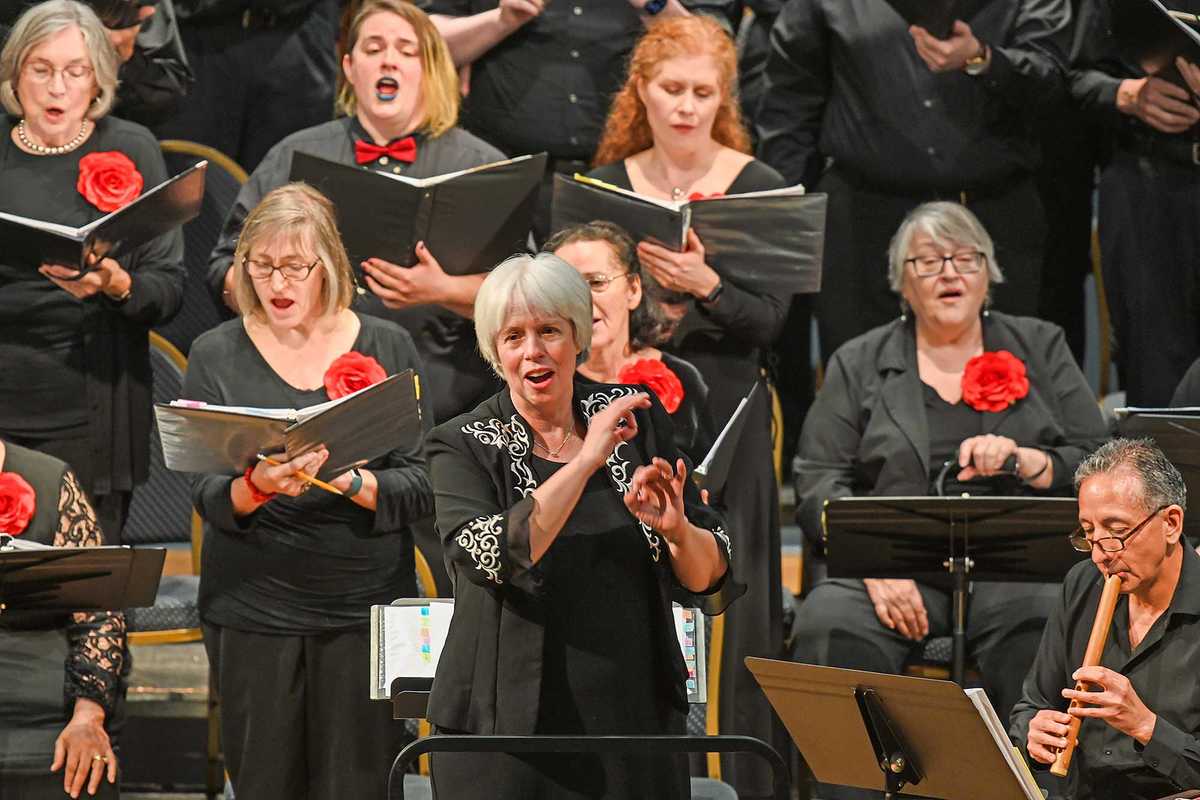
Christine Gevert, founding artistic director of Crescendo, conducts the audience at a performance.

Steve Potter

For Christine Gevert, founding artistic director of Crescendo, music from centuries past is anything but a relic. It is a living, breathing art form, full of drama, emotional complexity and, occasionally, surprises. As the regional choral and period-instrument ensemble launches its 23rd season, Gevert is once again bringing forgotten masterpieces into the present.

“Early Music has been my lifelong passion and the focus of my specialization in Europe and South America,” Gevert said. “Bringing this repertoire to our audiences in a nuanced way that does justice to its incredible depth, intensity, and beauty is deeply important to me.”

Keep ReadingShow less
google preferred source

Want more of our stories on Google? Click here to make us a Preferred Source.

Close Encounters with Music celebrates 35 years of musical discovery

Close Encounters with Music’s 35th season opens with “Saluting the Clarinet” featuring clarinetist Alexander Fiterstein.

Provided

For 35 years, cellist Yehuda Hanani has been inviting audiences to experience classical music in unexpected ways. As founder and artistic director of Close Encounters with Music, Hanani has built a concert series that goes beyond the music itself, exploring connections to literature, history, politics and the human experience.

This year, Close Encounters celebrates its 35th season with “Celebration & Discovery,” a seven-concert series that opens Sunday, Nov. 1, at the Mahaiwe Performing Arts Center in Great Barrington.

Keep ReadingShow less
Shinbone Alley brings spooky songs to Spencertown

Seeing isn’t always believing. Sometimes it’s the lack of a defined picture that can be the most compelling. And when Alex Harvey of Shinbone Alley sings his supernaturally charged sea shanties and street ballads, the unseen will be downright scary. On Oct. 30, the historically inclined storyteller and performer will create a spooky evening of forbidden tales and yarns through a carefully chosen series of songs at Spencertown Academy of Arts.

The repertoire for the performance is a bit fraught. Over the years, Shinbone Alley has explored the world of folklore through music. Though the group usually features two musicians, Harvey, a multi-instrumentalist and singer, will be performing solo. That is, of course, unless you include the spirits.

Keep ReadingShow less
Malian blues and Moroccan Gnawa meet in Sheffield
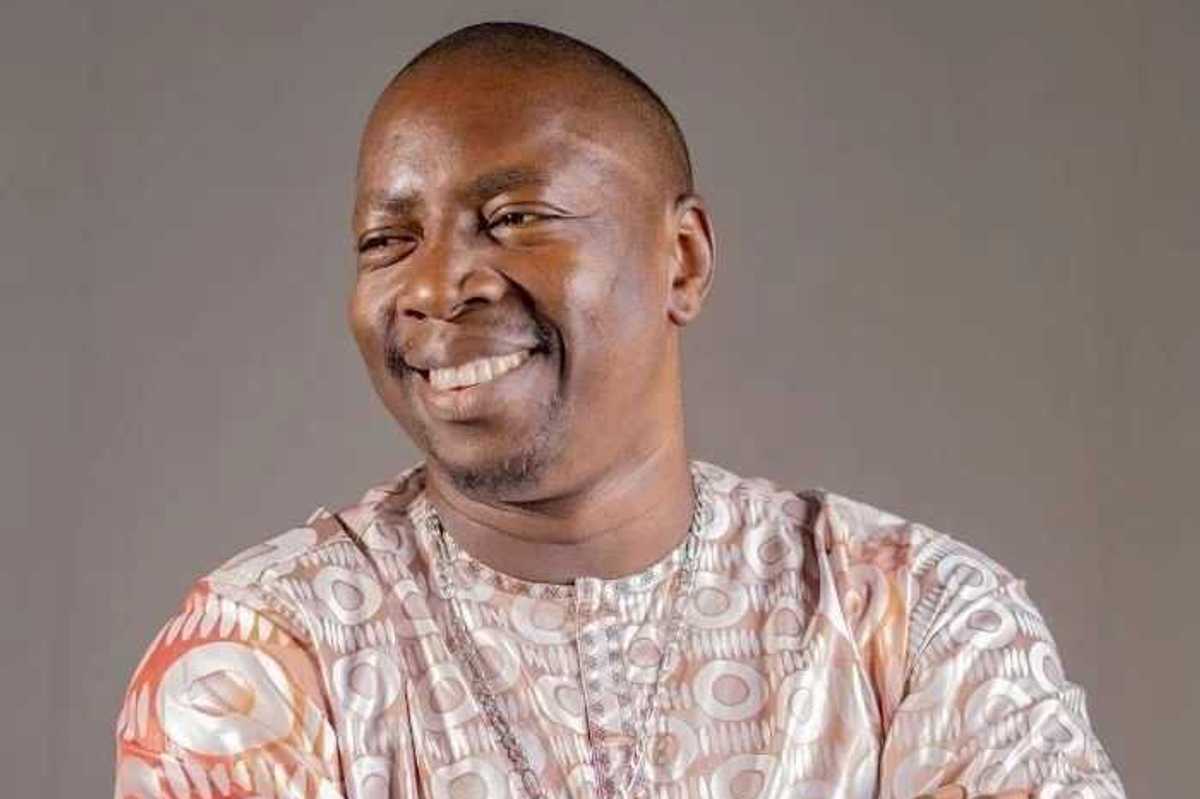
Vieux Farka Touré
Proivded

Desert winds rarely blow into the Berkshires, but on Nov. 5, they will carry the Malian blues and Moroccan Gnawa music to Race Brook Lodge.

That evening, Malian guitarist Vieux Farka Touré, often called “the Hendrix of the Sahara,” and Moroccan musician Samir LanGus will play at the lodge’s Event Barn in Sheffield, Massachusetts, at a benefit for the foundation Touré directs.

Keep ReadingShow less
google preferred source

Want more of our stories on Google? Click here to make us a Preferred Source.

google preferred source

Want more of our stories on Google? Click here to make us a Preferred Source.