Thank you!
Your support is sustaining the future of local news in our communities.

Documentary film about railroad resurfaces after 40 years

Documentary film about railroad resurfaces after 40 years

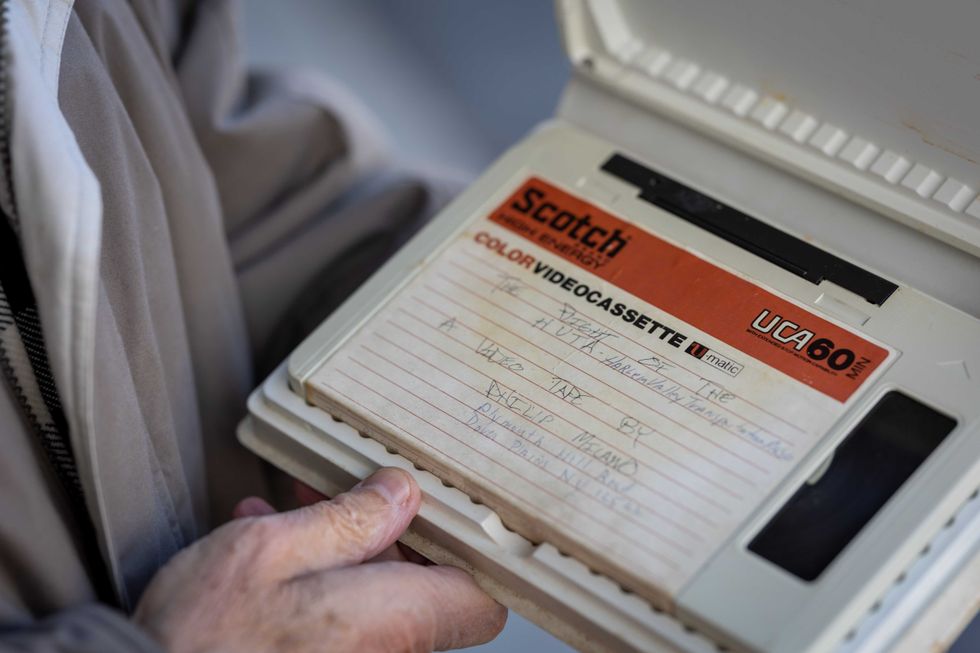
Filmmaker Philip Milano of Dover Plains holds the Scotch U-matic cassette containing his original 1970s documentary about the Harlem Valley Transportation Association.

Aly Morrissey

Long before the bustling Harlem Valley Rail Trail hosted runners, walkers and cyclists, a historic railroad ran through Millerton, connecting rural towns to New York City. The eventual dismantling of the railroad was met with criticism and pushback from residents.

That chapter of local history comes alive in a resurfaced documentary film that had been tucked away in an attic in Dover Plains for more than 40 years.

Philip Milano, the filmmaker and longtime Dover Plains resident, made the film as a student project during his time at New York University.

“It took me about a month to make,” Milano said. “I played all the music myself, lined up the interviews and edited it.”

The 28-minute film chronicles the efforts to retain passenger and freight rail service between New York City and Chatham, New York in the 1960s and 1970s.

Milano was contacted last year by a former Copake Falls resident who wanted to view the film for research. Skeptical that the old Scotch U-matic cassette – a bulky, professional-grade videotape used in the 1970s – would still play, Milano agreed to ship the only existing copy of his movie out west. To his surprise, it was successfully digitized.
Aly Morrissey

The video is slightly grainy with crisp audio. Footage shows the former Saperstein’s building – now Westerlind – and its famed railroad mural, along with shots of the old Sharon and Millerton stations.

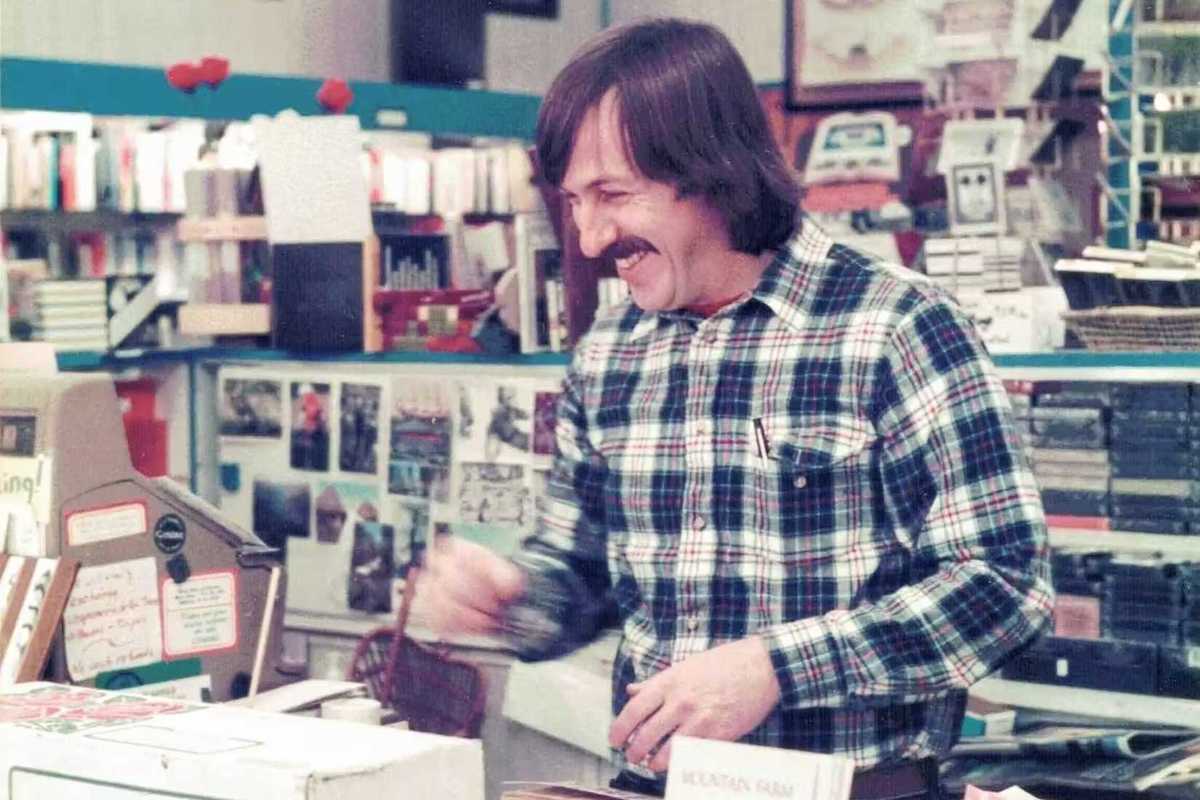
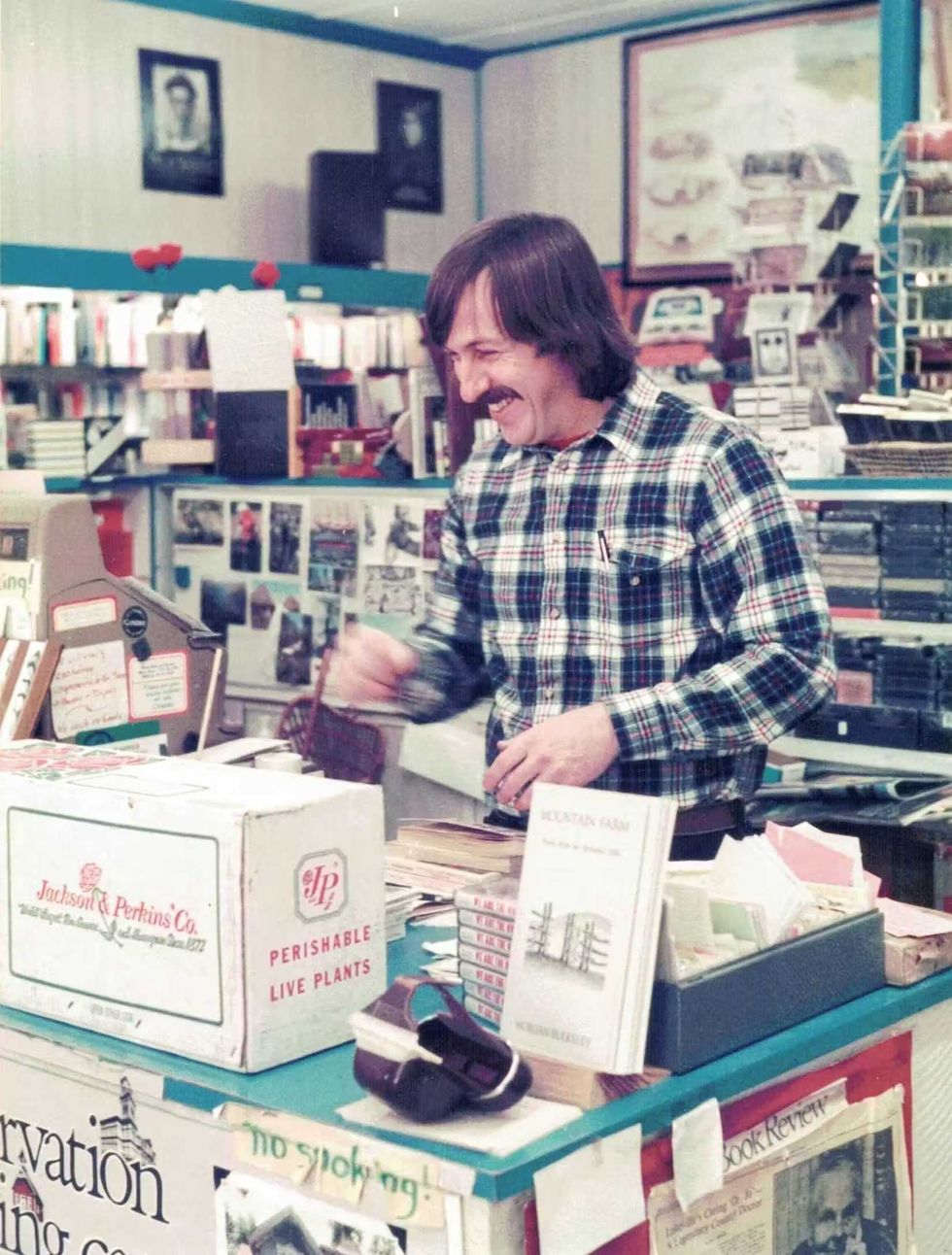
In an early scene, a young Holly Nelson – co-founder of Oblong Books – stands in her store and speaks passionately about the loss of rail service and its impact on rural businesses, farms and residents.

“It brings in the whole question of rural powerlessness,” Nelson said, warning that locals would soon become “highway hostages,” forced to drive gas-guzzling cars.

The late Frank Perotti, who served as the supervisor of North East for more than a decade, also appears, speaking about the loss of freight service affecting his dairy farm. “We see the loss in the economy since we’ve lost the service to the railroad,” he said.

The video aired on cable television, which was only available in Manhattan at the time. He watched the premiere from his aunt’s city apartment, surrounded by friends and bottles of wine.

“This must be what the Beatles felt like the first time they heard one of their songs on the radio,” he remembers thinking.

The film was also screened at The Moviehouse in Millerton for a one-night showing.

Though Milano didn’t pursue filmmaking after NYU, he stayed rooted in the area, opening Milano’s Restaurant in Pine Plains, which operated for 14 years. The location is now home to Back Bar Beer Garden.

Nearly 50 years later, Milano says he is content with how history unfolded. “If the trains had stayed, this whole area would look completely different,” he said. “In a way, I’m glad it didn’t happen because I still like bouncing along these scenic back roads. It’s one of the prettiest parts of New York.”

Latest News

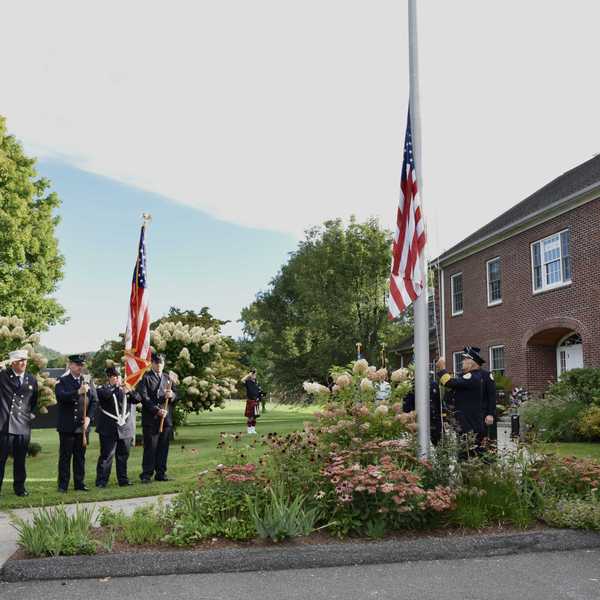
Millerton’s fire department marks 134 years of battling blazes

Millerton Fire Co. members monitor a fire at the Brown Cup Diner on Route 22. The diner would later be completely destroyed by the fire.

Archive photo

Millerton’s volunteer fire department has spent more than 130 years protecting the village, a legacy that began after a fire ravaged and destroyed a prominent hotel in 1891.

North East Fire District Commissioner Dave Vandebogart, who serves as the fire company’s historian, is himself a third-generation member of the Millerton Fire Company. He said Millerton’s rapid growth after the arrival of the railroad spurred the need for an organized fire department.

Keep ReadingShow less
New pool and poolhouse expected to open next year

A rendering of the planned pool and poolhouse shows a shallow, ramped entrance allowing access for people with disabilities.

Illustration Provided

Plans for the long-awaited community pool and poolhouse at Eddie Collins Memorial Park are moving into the construction phase, with village officials aiming to open the facility by summer 2027.

The Village Board of Trustees hopes to hold a ceremonial groundbreaking in July as part of Millerton’s 175th anniversary celebration. With contracts for electrical, plumbing and mechanical work now approved, construction is expected to begin in August.

Keep ReadingShow less
Millerton’s early days brought huge change to the community
Courtesy U.S. Library of Congress

The Village of Millerton was founded a decade before the Civil War during a time when railroads were transforming rural economies, the nation was expanding westward and tensions over slavery were mounting.

The first 25 years of Millerton reflected that era of rapid change, characterized by an almost overnight transformation from farmland to being a railroad hub.

Keep ReadingShow less
google preferred source

Want more of our stories on Google? Click here to make us a Preferred Source.

Kingston Guards bring baseball back to the basics

The Kingston Guards and the Bovina Dairymen

Schuyler Meyer
These aren’t your standard gym rats trying to relive their high school or college glory.

The Kingston Guards are playing ball the way it used to be played. To be specific, they’re playing baseball by the rules of 1864, the last full season before the Civil War. To them, it’s a purer form of the game, devoid of constant rule changes and all that pesky equipment like gloves, helmets and catchers’ masks. Sure, there are umpires, but they’re really there more to settle arguments than make actual calls.

The whole game feels less aggressive and more friendly. In fact, many of the players on the Guards and other teams in the vintage baseball scene came from softball leagues that had simply become too competitive. These aren’t your standard gym rats trying to relive their high school or college glory. More often, they’re history buffs looking for something a little more athletic than the synchronized marching of Civil War reenactments — though, to be fair, some of them are still Civil War reenactors.

Keep ReadingShow less
Hotchkiss Library of Sharon’s Book Signing Weekend returns

Hotchkiss Library’s Book Signing Weekend draws readers of all ages

Stephanie Stanton

For more than a quarter century, the Hotchkiss Library of Sharon has been connecting readers with some of their favorite authors at its signature Summer Book Signing Weekend, returning for its 28th year July 31 through Aug. 2.

The weekend is one of the library’s biggest fundraisers, attracting a wide range of book fans from across the region, as well as out-of-towners who make it a point to be there. Authors represent every corner of the literary world, from children’s books to nonfiction, poetry to historical fiction and even cookbooks. They also come from all over the country, though there is an emphasis on authors local to the area.

Keep ReadingShow less

More than coffee at Best Damn Espresso

More than coffee at Best Damn Espresso

Owners Asio and Angela Highsmith

Provided
Coffee means community, It’s a big part of the hospitality vision that my wife and I want to bring to the world.
— Asio Highsmith, Co-owner

Asio Highsmith, co-owner of the bright red espresso truck in Great Barrington, greets patrons with the kind of warmth and energy that can change the trajectory of a day. There is laughter, conversation and a genuine sense of connection. And the coffee is amazing. It’s clear that Best Damn Espresso’s popularity has as much to do with people as it does with espresso.

Despite becoming one of the Berkshires’ most recognizable small brands, its owners maintain a surprisingly low profile, focusing more on their craft than on self-promotion. “We didn’t move up here to be on Front Street,” said Highsmith. “We came because we love nature and wanted to start a new chapter of our lives.” That chapter began after years spent in New York City.

Keep ReadingShow less
google preferred source

Want more of our stories on Google? Click here to make us a Preferred Source.

google preferred source

Want more of our stories on Google? Click here to make us a Preferred Source.