“It is apparent that the one-size-fits-all requirements do not work.” —First Selectman Dave Barger
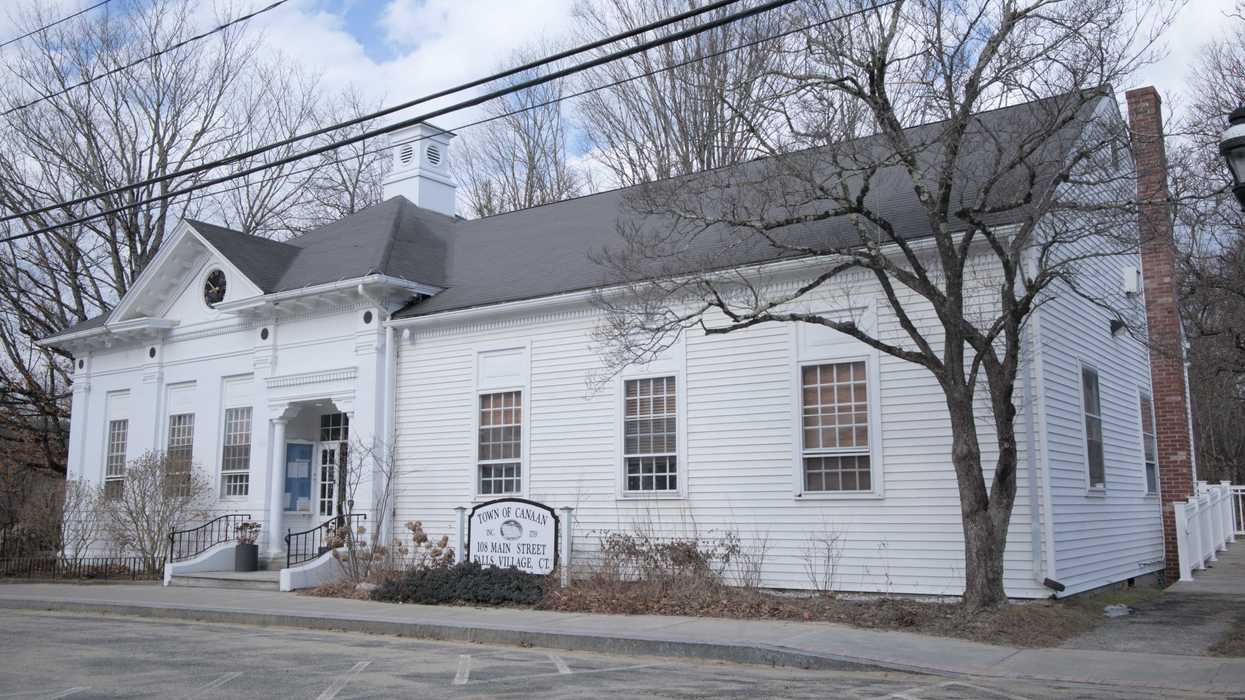
FALLS VILLAGE — The Board of Selectmen approved a letter from First Selectman Dave Barger to Secretary of the State Stephanie Thomas detailing concerns about early voting procedures at its meeting Monday, Jan. 12.
In the letter, Barger said that the financial impact on Falls Village and other small towns is considerable. “The cost of staffing, as well as the difficulty in finding poll workers to cover and operate polling places for additional days often exceeds the benefit, especially when voter turnout during these periods remains low. In our town, the cost for early voting was $8,200, with each early vote costing $115.75.”
Barger pointed out that in the most recent municipal election, only 70 — or 21% of the 326 total voters — voted during the 14-day early voting period. He wrote that the period also caused an “exponential growth in the responsibilities placed upon the Registrar of Voters.”
“In a small municipality where the Registrar’s role has been historically part-time employment, the increased responsibilities of scheduling and properly training poll workers, as well as changing technology and increased hours, have presented challenges for both the Registrars and their budgets.”
The letter concluded: “Early voting has been a very noble experiment, but with some serious and undue burdens for smaller municipalities. It is apparent that the one-size-fits-all requirements do not work.”
Town updates
Barger reported receiving a letter from a resident who slipped and fell on ice along Main Street, noting that the area had previously been salted and may have refrozen.
Tim Downs of the town’s highway department said crews have been operating at a heavy pace this winter, logging 55 hours of overtime per crew member and responding to 14 weather events in December alone.
Downs outlined the town’s snow and ice removal process, explaining that four staff members maintain six plow routes. Roadways are cleared first, followed by sidewalks, which are addressed as early as possible, ahead of business hours and the opening of the school. He added that certain areas with poor drainage are especially prone to refreezing.
Barger said a town meeting is expected to be held in late January. Agenda items are expected to include funding for a study of the Cobble Road bridge, an amendment or rescission of the Annual Report ordinance, and approval of a lease for a new business at the town-owned 107 Main St., formerly occupied by Furnace: Art on Paper.
Selectman Judy Jacobs said the board has received three inquiries regarding the vacant 107 Main St. storefront, adding that one proposal in particular appears to be a strong fit for the area.
Jacobs also updated the board on preparations for this year’s “America 250” commemoration of the signing of the Declaration of Independence.
The celebration will include a George Washington Ball at the Colonial Theater; Revolutionary War–era cemetery tours in June; and a series of Historical Society First Tuesday Talks focused on the Revolutionary period. Festivities will continue with a July 4 event on the town Green featuring a parade, live music, a public reading of the Declaration of Independence, and a cannon firing.




 Justine and Victor Valla in their studio with a painting of Victor’s,”Jonah and the Whale.” Robin Roraback


 A ceramic vase by Kathleen Heidemann.Provided
 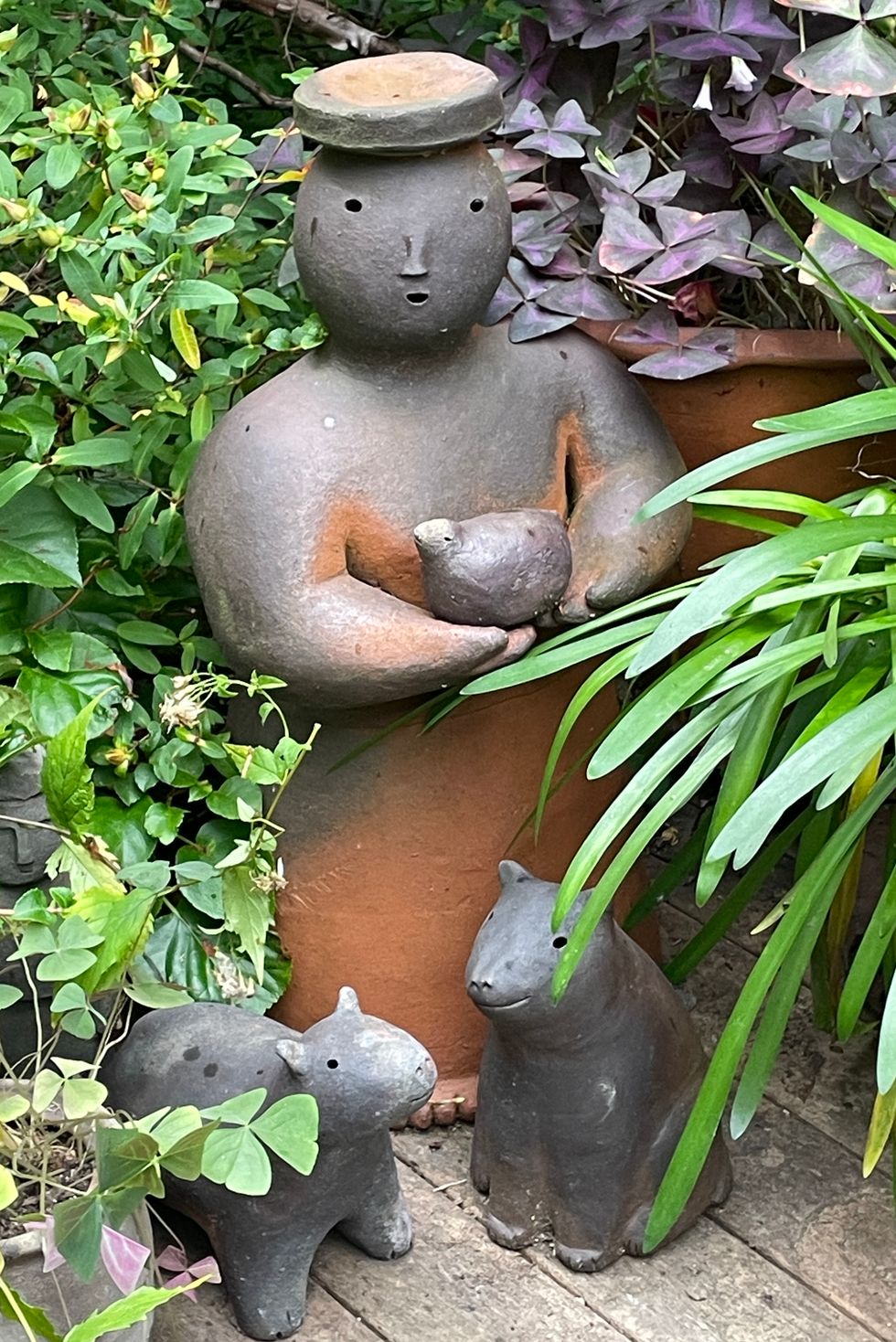 Joy Brown’s delightful ceramic sculptures.Provided