FALLS VILLAGE — Colder weather, overnight frosts and shortening days mean that most production on local farms slows considerably in November.
Tree fruit and most vegetables had better all be harvested and stored away; hay and grain for animal feed is stocked up in barns; hens lay fewer eggs; meat is in the freezer; and farmers set to the long-neglected tasks of fixing broken things, cleaning up the fields, analyzing sales, and perhaps getting a breath of rest.
There is one fresh beginning around the Thanksgiving season, however, for those of us growing vegetables: garlic. Most veggie plantings get scuttled into the ground at a breakneck pace in April and May; they take off immediately, rapidly doubling in size under the long hours of sunlight, and needing constant watering and weeding. But garlic gets its start with the unhurried energy of fall.
There are two types of garlic: hard neck and soft neck. Soft neck is the kind you sometimes get at the grocery store, with tiny cloves: It grows in warmer climates and can be braided, as you may have seen as decorations in Italian restaurants. Hard neck garlic is better adapted to grow in our region. It likes to go through a period of cold weather; it is the one vegetable that we plant during in the dark, liminal moments of autumn.
Most growers plant garlic from last year’s stock. It doesn’t grow well from seed, but each clove will grow a nice head, genetically identical to the one it came from. At Adamah Farm, at the Isabella Freedman Jewish Retreat Center in Falls Village, we set aside one-seventh of the heads we harvest each July. We select the largest heads for replanting, so that the genetics of our crop have potential for great yields.
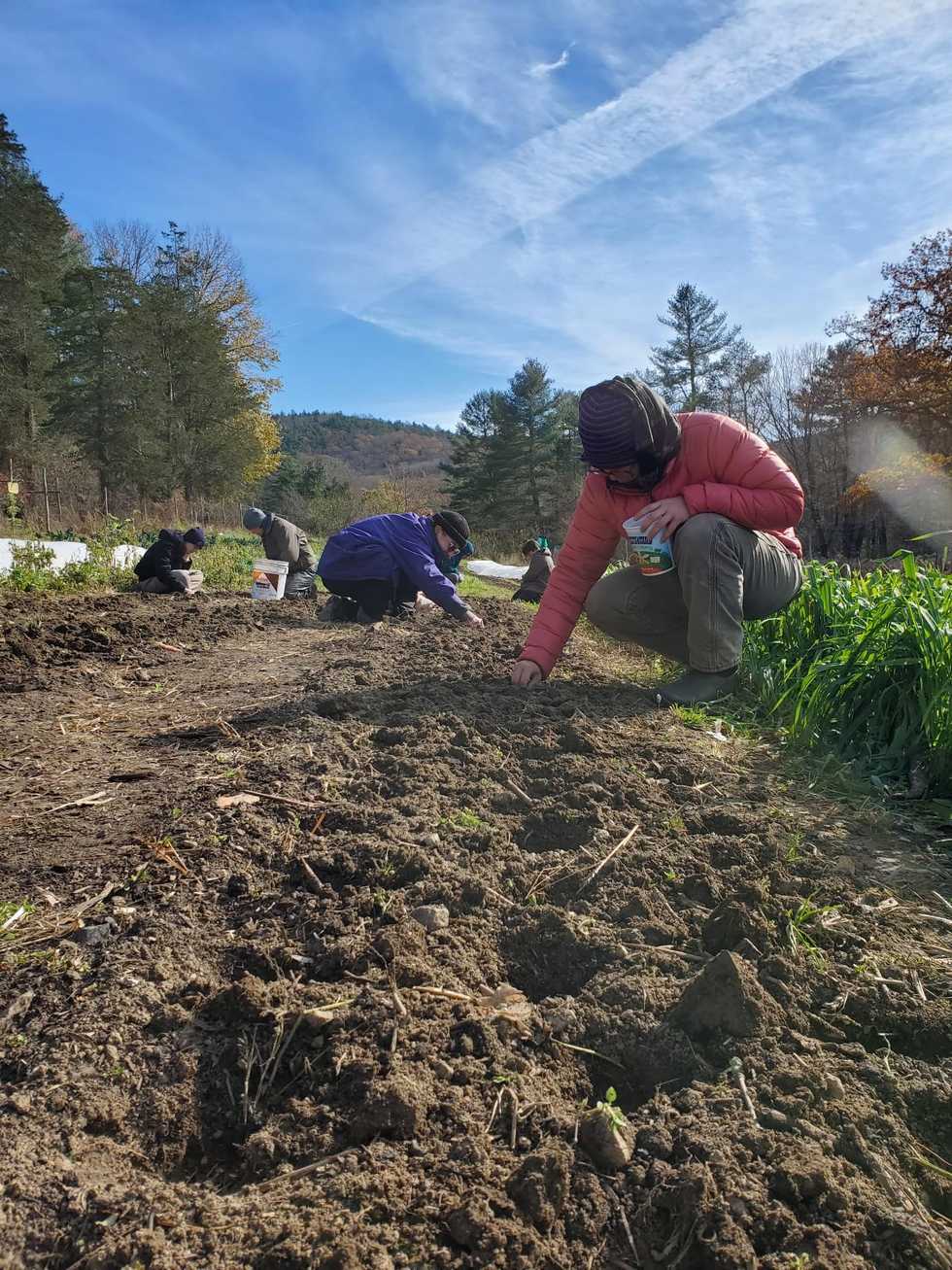
On planting morning, we gather the full farm community together and pop apart the garlic heads, filling our individual buckets with single cloves, warming our icy fingers every so often with breath and pockets, having chosen dexterity and the pleasure of feeling flaky garlic skins and smooth cloves against our fingers, to the awkwardness of trying to do the work in gloves.
In the low angle light and long shadows of late October, we’d prepared the garlic beds meticulously: They have been forked and covered in our farm-made compost.
Now, in November, we begin the planting together. With each clove we press into the soil, we offer blessings and intentions: for peace, for a healing planet, for living in harmony across difference, for abundance.
We then help a neighboring hay farmer clean out his barn, gathering bits that have fallen from his bales. Back at Adamah, we mulch the whole garlic planting with his hay. This will keep the soil temperature and moisture more even over the winter, and prevent weeds from taking root.
In the spring, each clove will send up the first green shoots in our fields. Over the summer, it will grow into a head. In June the plants will produce garlic scapes, the flower stalks of the plants which, left attached, will inhibit the head from sizing up. They also happen to be delicious, making them a perfect bonus harvest.
In mid-July, the garlic will be ready for harvest. We will sell and eat most, saving one-seventh to be planted when the temperatures and light and farmers next fall into that November rhythm.
Janna Siller is the Farm Director at Adamah Farm.
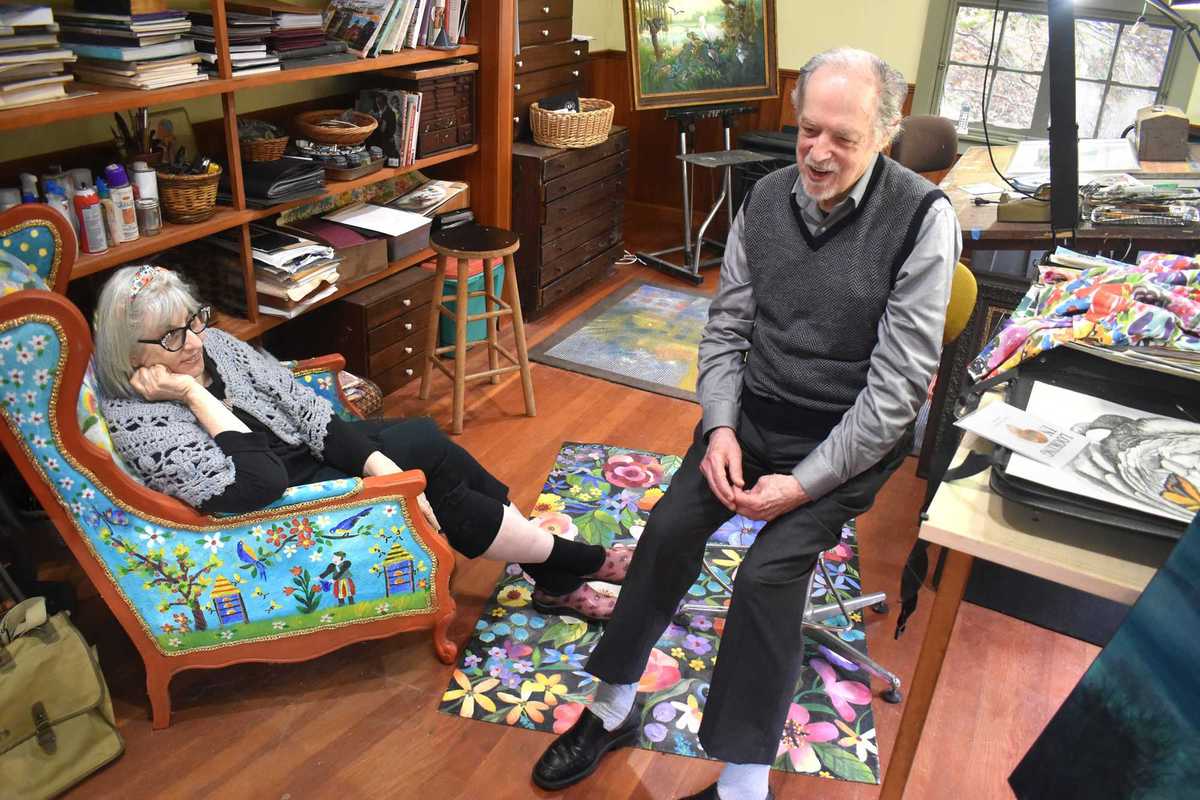
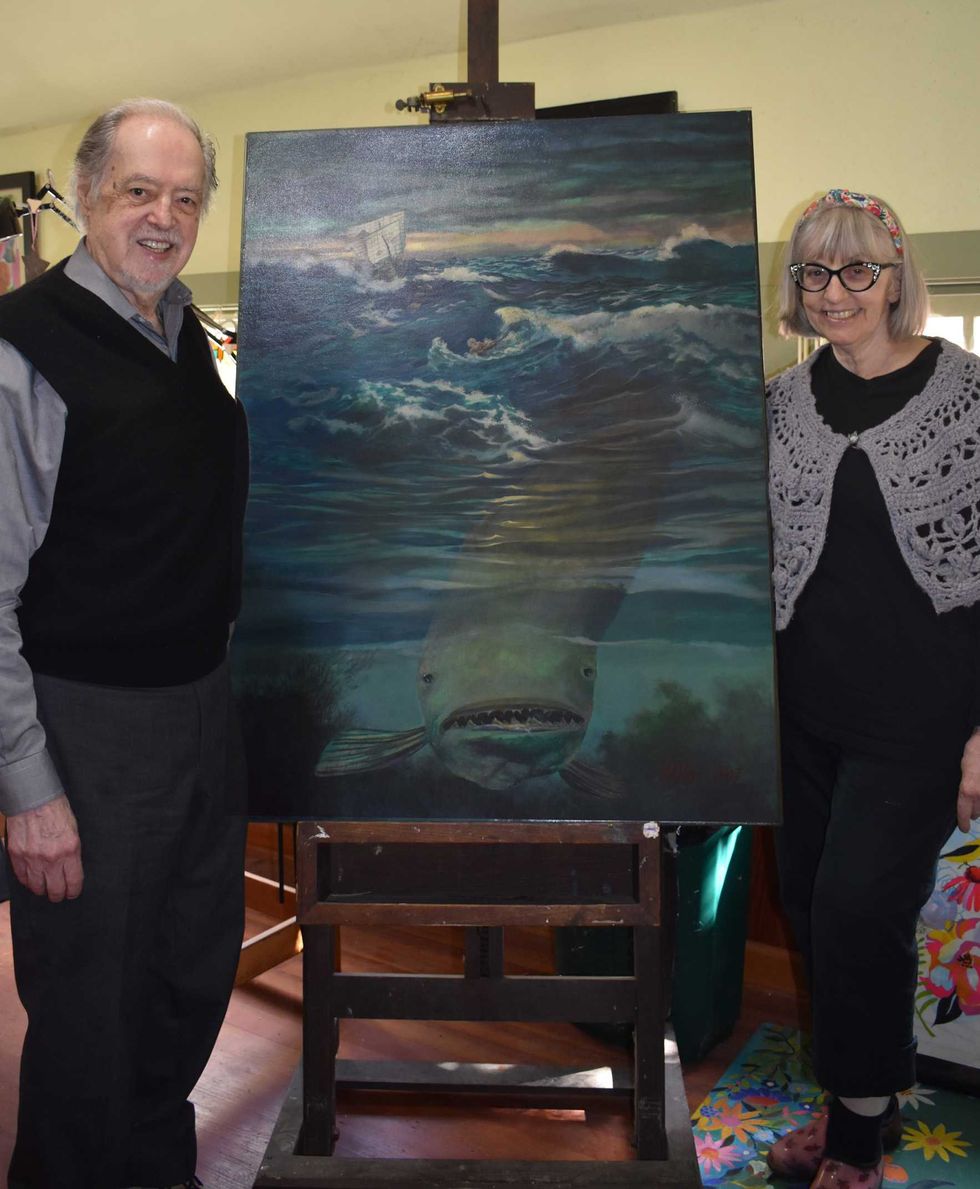 Justine and Victor Valla in their studio with a painting of Victor’s,”Jonah and the Whale.” Robin Roraback

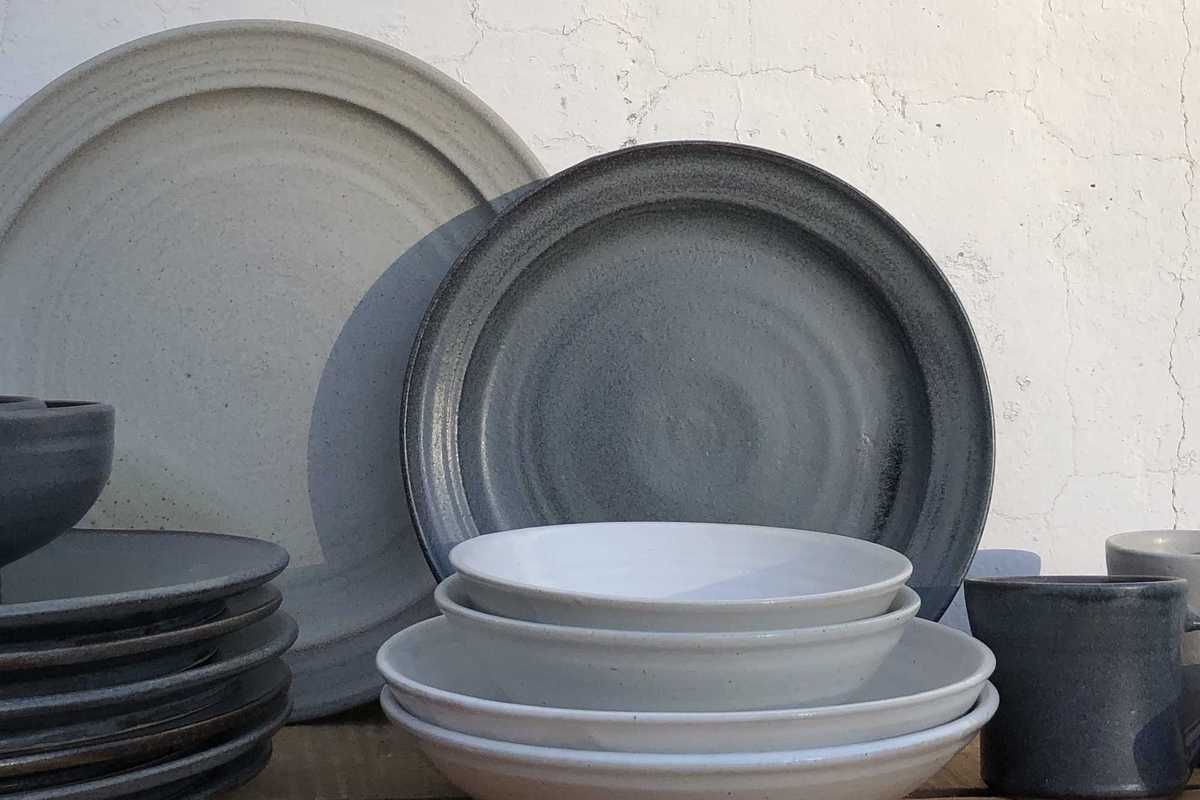
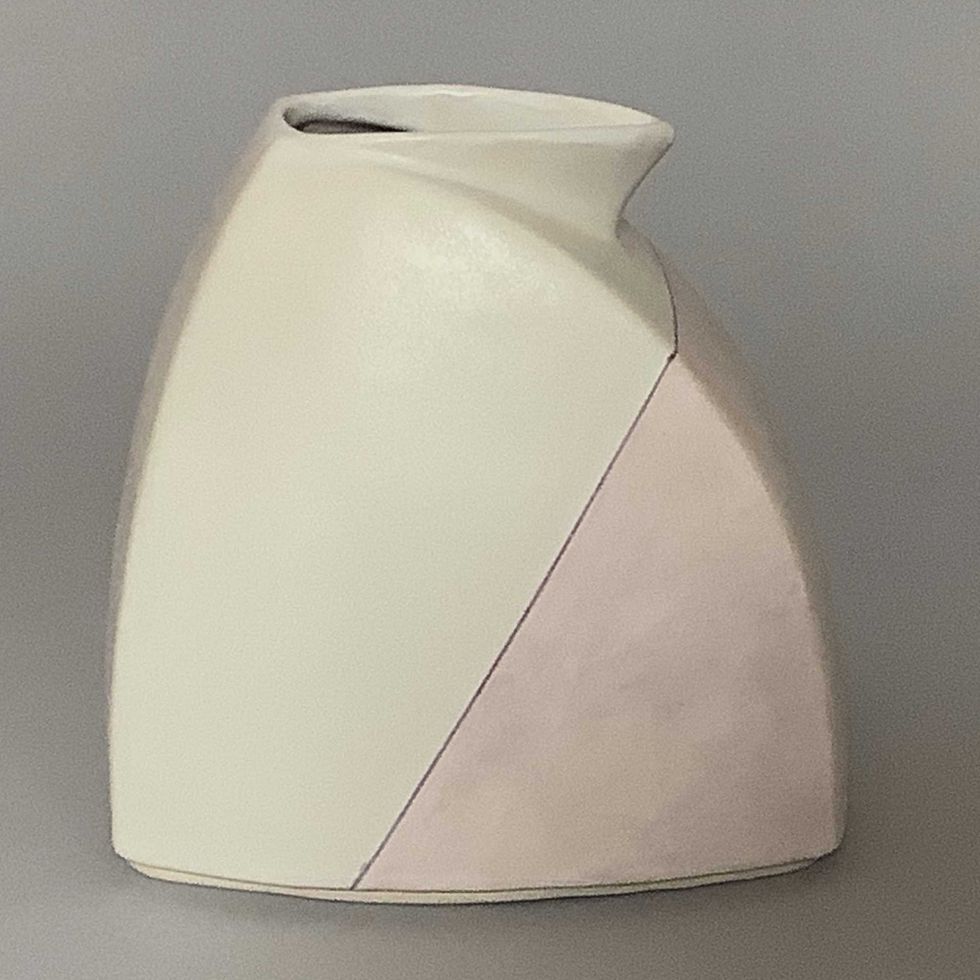 A ceramic vase by Kathleen Heidemann.Provided
 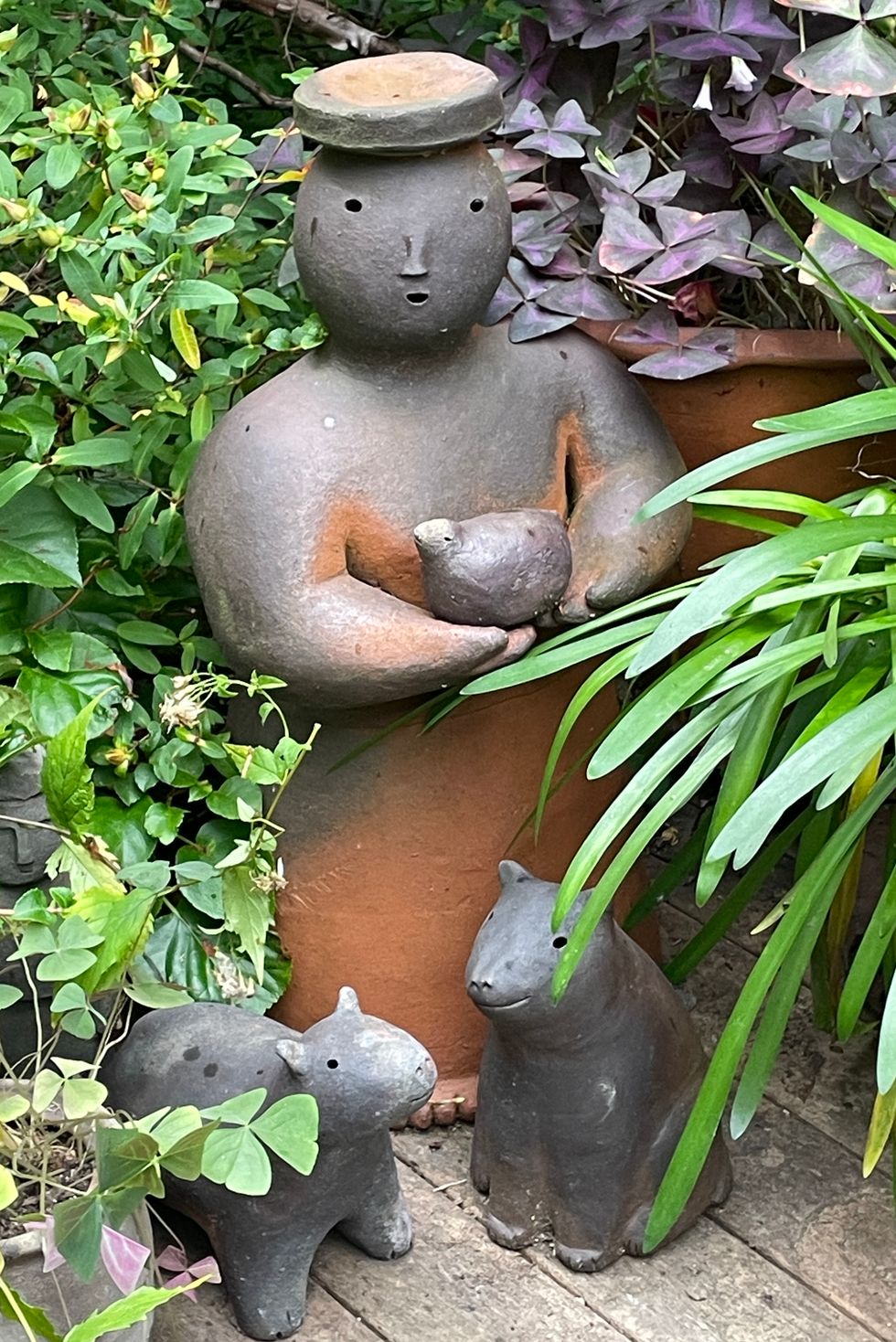 Joy Brown’s delightful ceramic sculptures.Provided