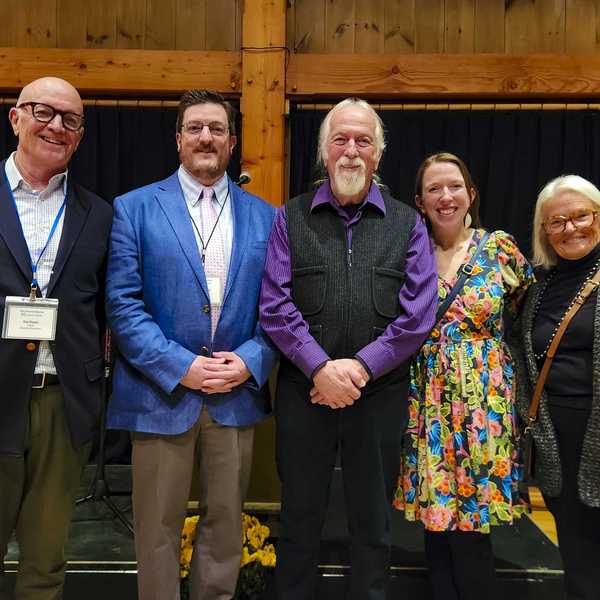
FALLS VILLAGE — Former college and pro basketball player Chris Herren came to the Region One school district Wednesday, Jan. 8 to talk about addiction and recovery.
Sponsored by Community Health and Wellness, the former Boston Celtics player spent the day at Housatonic Valley Regional High School, holding separate sessions with middle school and high school students, and then an evening talk open to the public.
At the latter, Herren told his harrowing story. He grew up in Fall River, Massachusetts, with an alcoholic father.
He excelled at basketball, and went to Boston College, where he encountered cocaine.
In short order, he was asked to leave BC.
He got a second chance at Fresno State, and played well enough to be drafted by the Denver Nuggets.
But the partying continued and progressed. After failing a drug test he was sent to his first rehab center, which didn’t take.
Nonetheless, in 1999, after finishing college and being drafted by Denver, married and with a son, he seemed to be okay.
Until an old acquaintance came over to his Falls River home with OxyContin pills, looking to make a quick $20.
Herren said he bought the pill mostly to get rid of the man. He took it almost as an afterthought, and thus began a long downhill trajectory.
By the time he got sober, he had been traded to the Boston Celtics, then cut; arrested numerous times for drug-related offenses; overdosed multiple times and was clinically dead for 30 seconds; and so on.
The beginning of the end came when retired NBA player Chris Mullin, no stranger to addiction and recovery, arranged for him to go to a hardcore treatment facility.
There were significant bumps in the road still ahead, but as of Aug. 1, 2008, Herren came into recovery and stayed.
His two oldest children, now in their mid-20s, decided to avoid alcohol and drugs on their own. His youngest child has only known him to be sober.
Herren runs a small rehab center now, and spends 200-250 days per year on the road giving presentations.
“The greatest gift ever is I’ve been able, for the last 16 years, to be a sane father. I’ve become the dad I wish I’d had.”
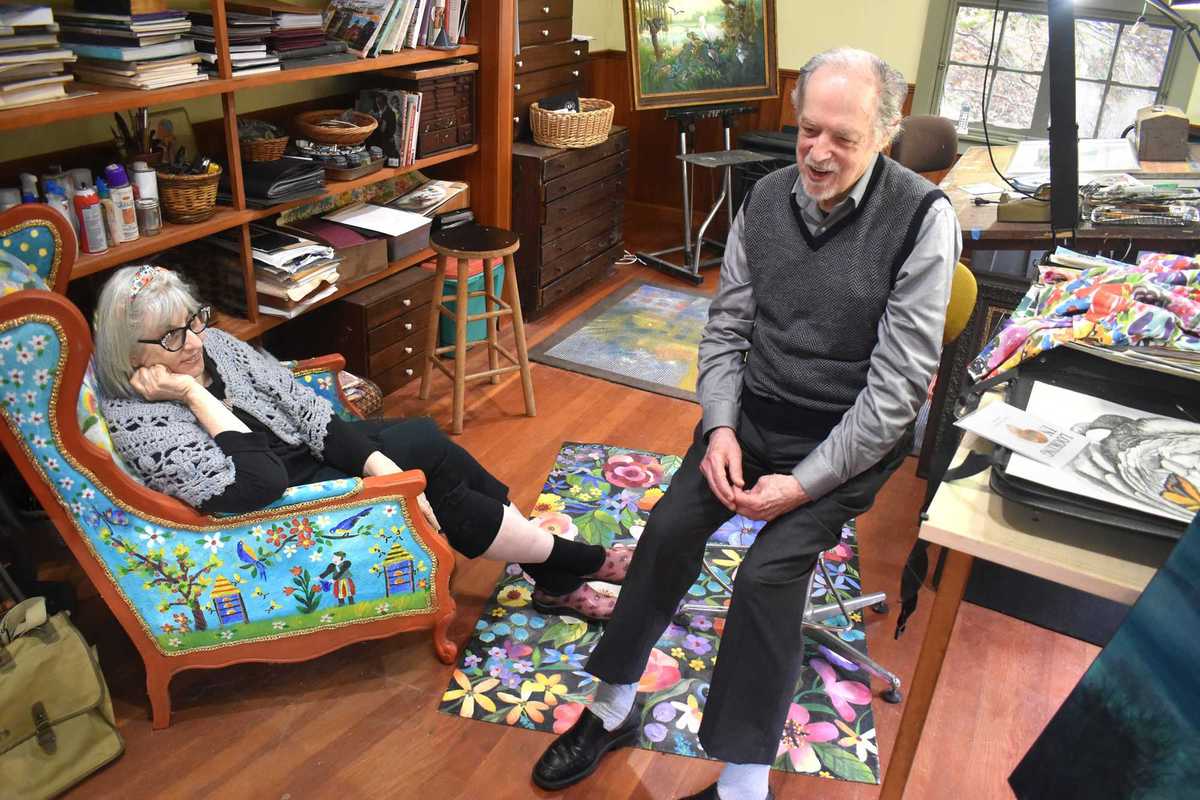
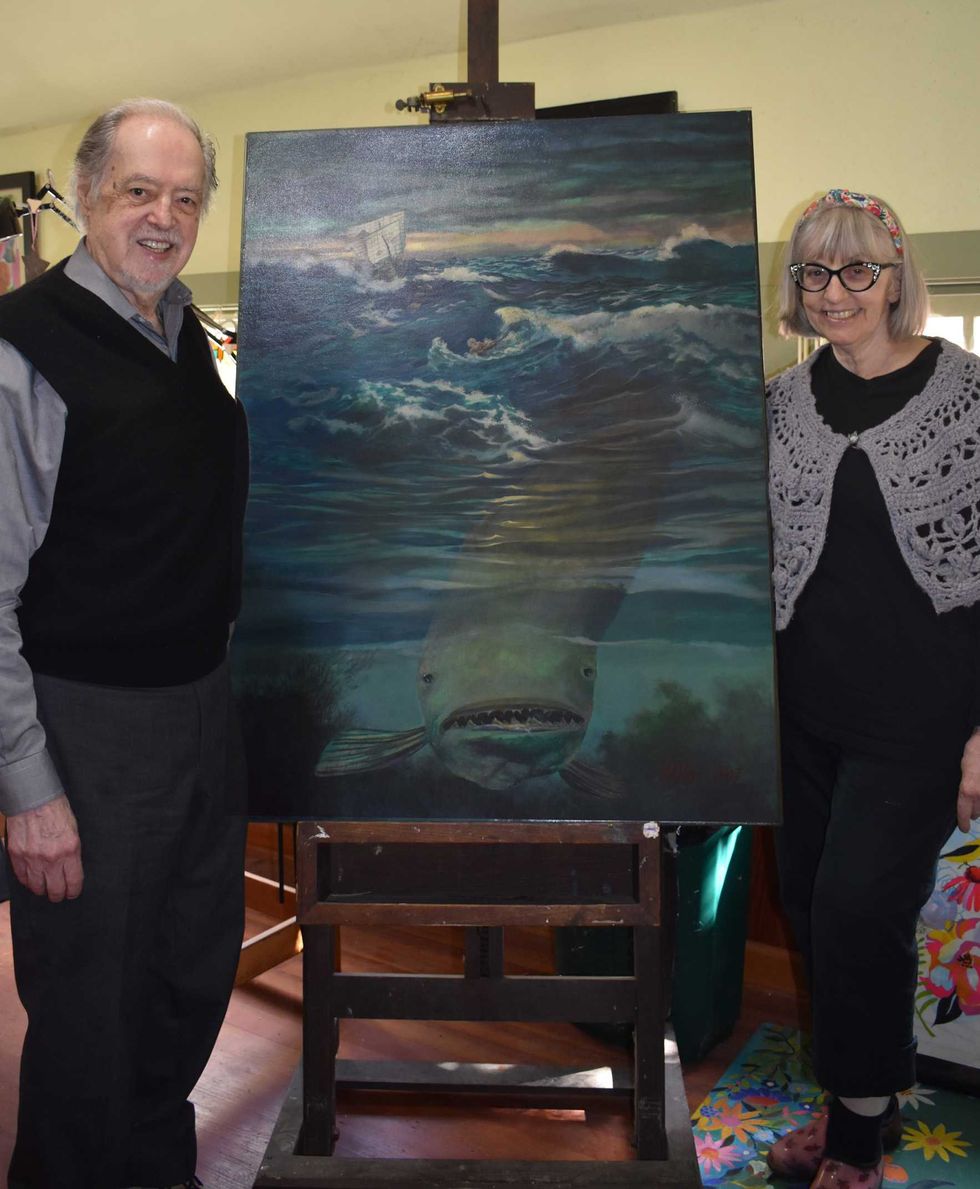 Justine and Victor Valla in their studio with a painting of Victor’s,”Jonah and the Whale.” Robin Roraback

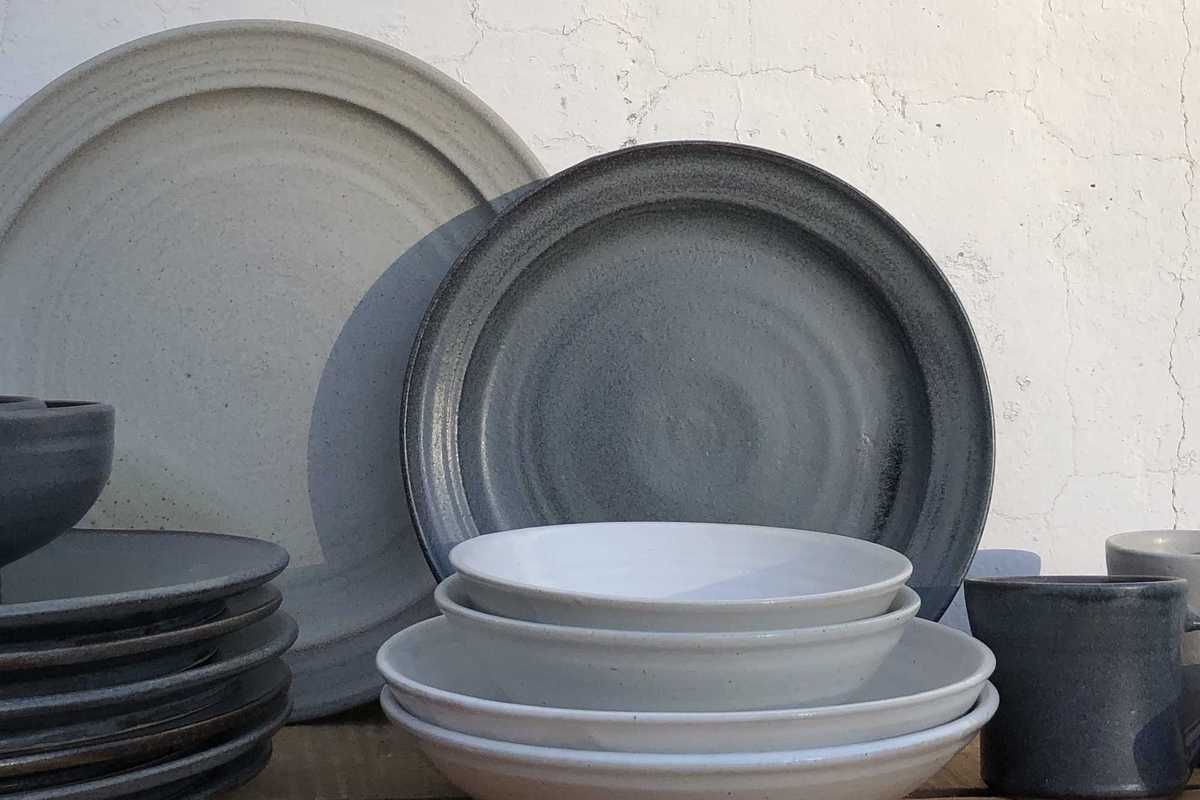
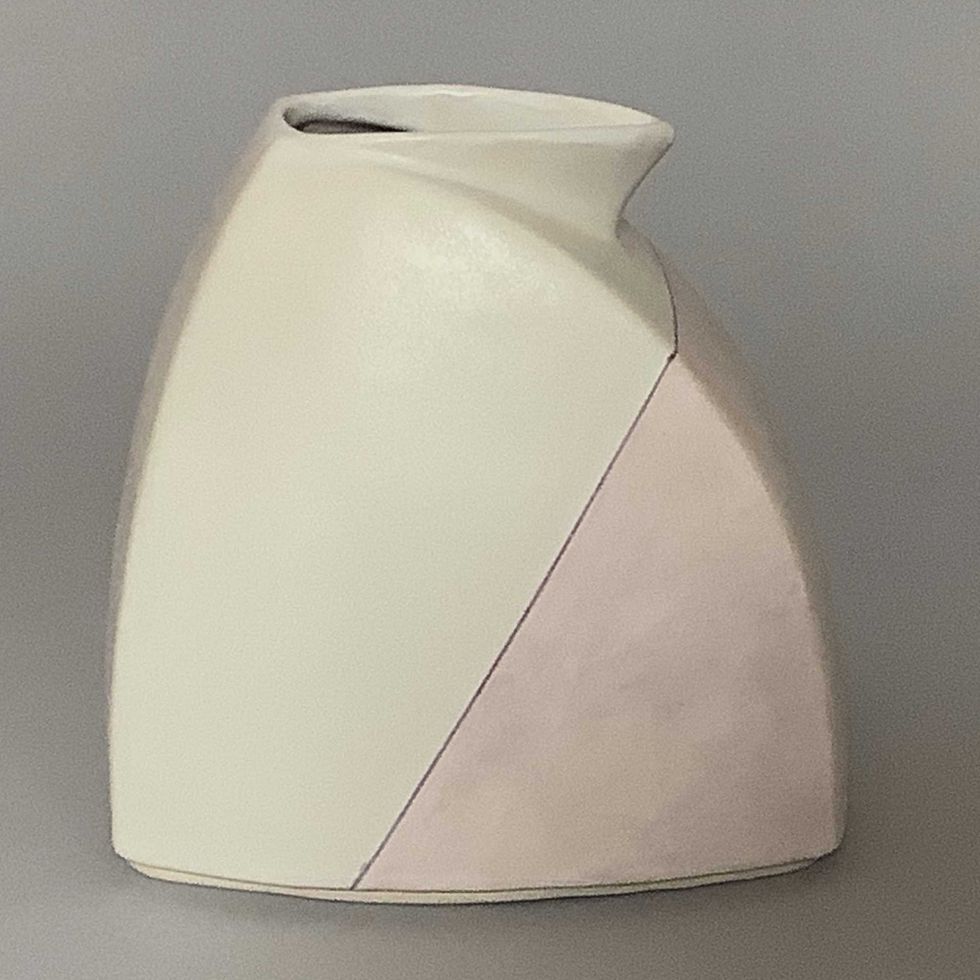 A ceramic vase by Kathleen Heidemann.Provided
 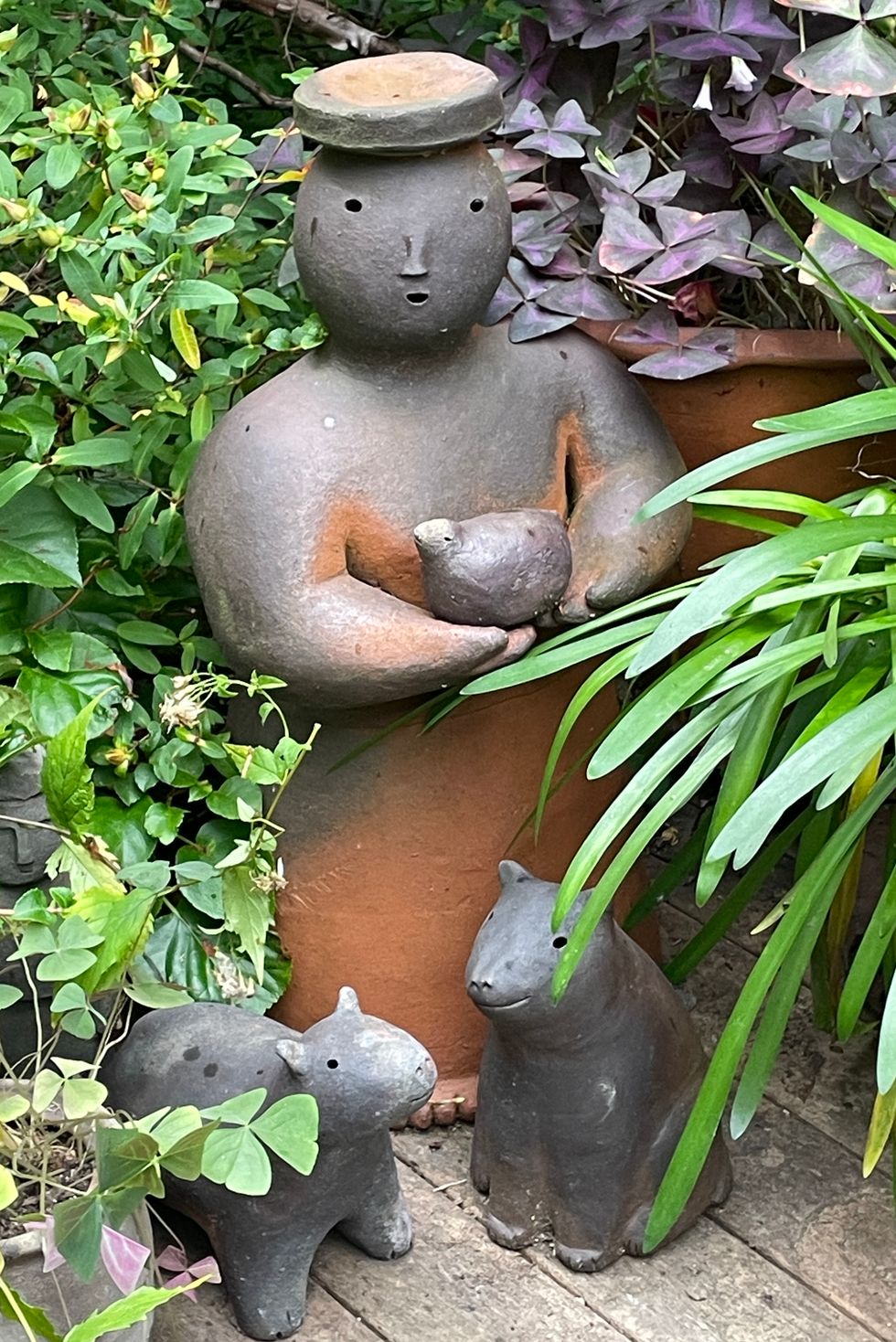 Joy Brown’s delightful ceramic sculptures.Provided