FALLS VILLAGE—More than a dozen people interested in forest management gathered at the Yale Forestry Camp in Great Mountain Forest (GMF) on Aug. 28 before heading into the woods to examine invasive species and ways to manage them.
GMF forester Kate Regan-Loomis; Peter Picone, a wildlife biologist with the Connecticut Department of Energy and Environmental Protection (DEEP); and Eileen Fielding, the recently retired director of Sharon Audubon and a GMF board member, led the group.
At the start of the hike, where a footbridge crossed a beaver pond, Fielding stopped and said, “Let me get my bird goggles on.”
She noted that by late August, the birds were no longer singing.
“They’re molting, eating bugs, fattening up for migrating,” she said.
“If it were May, you’d have yellow warblers, sparrows, lots of little migratory songbirds taking advantage of the abundant cover and insect life.”
Not all the birds in GMF are migratory, but a significant percentage are, Fielding said.
“We are standing in a nursery for tropical birds,” she told the group. “Lots of good habitat, lots of food, not too many predators.”
The group continued to a recently cleared four-acre area that had once been an apple orchard.
“There are still a few sad little apple trees around,” Regan-Loomis said.
The former orchard had become overrun with invasive plants, including multiflora rose, barberry, and bittersweet.
“It was pretty bad,” Regan-Loomis said.
Instead of using a brush hog, the area was cleared with a forestry mower. One participant described the machine as one that “chomps everything” without plowing the unwanted plants back into the soil.
Regan-Loomis said GMF will spot-treat the area with glyphosate rather than spray it broadly.
“We have a very light touch at our scale,” she said. “It’s unrealistic to think we’ll eliminate everything. We just want to manage it without backbreaking labor.”
When asked about the goal for the former orchard, Regan-Loomis replied, “I see open growing space for native plants.”
Along the trail, the group stopped several times to examine plants and discuss their roles in the forest.
Picone observed that Norway spruce, although not native, can provide habitat similar to that of native hemlocks, which have declined.
“It duplicates some of the habitat values,” he said.
At another stop, Picone said mountain laurel, a native shrub, provides winter food for deer but is toxic to many other animals.
 Peter Picone, a wildlife biologist, gives detailed instructions on how to combat invasives.Patrick L. Sullivan
Picone also identified invasive plants along the trail, including bittersweet and barberry. He said DEEP sometimes uses triclopyr, an herbicide that targets a narrower range of plants than glyphosate.
He, too, favored targeted treatment rather than indiscriminate spraying over a wider area.
When the group reached the former orchard, Fielding said, “For those of you from land trusts, this is your worst PR nightmare.”
People unfamiliar with forest-management practices may see a recently cleared area, think it looks devastated, and draw a negative conclusion, she said.
“It’s up to you to explain.”
The group included representatives of the Salisbury and Winchester land trusts and the Housatonic Valley Association, as well as a private woodland owner, a landscaper studying forestry, a Vermont man with several acres of long-neglected forest, and a New Preston man whose woods were overrun with multiflora rose.





 Tiffany Lemelin, shelter manager, brushing Marsala upon arrival.Provided
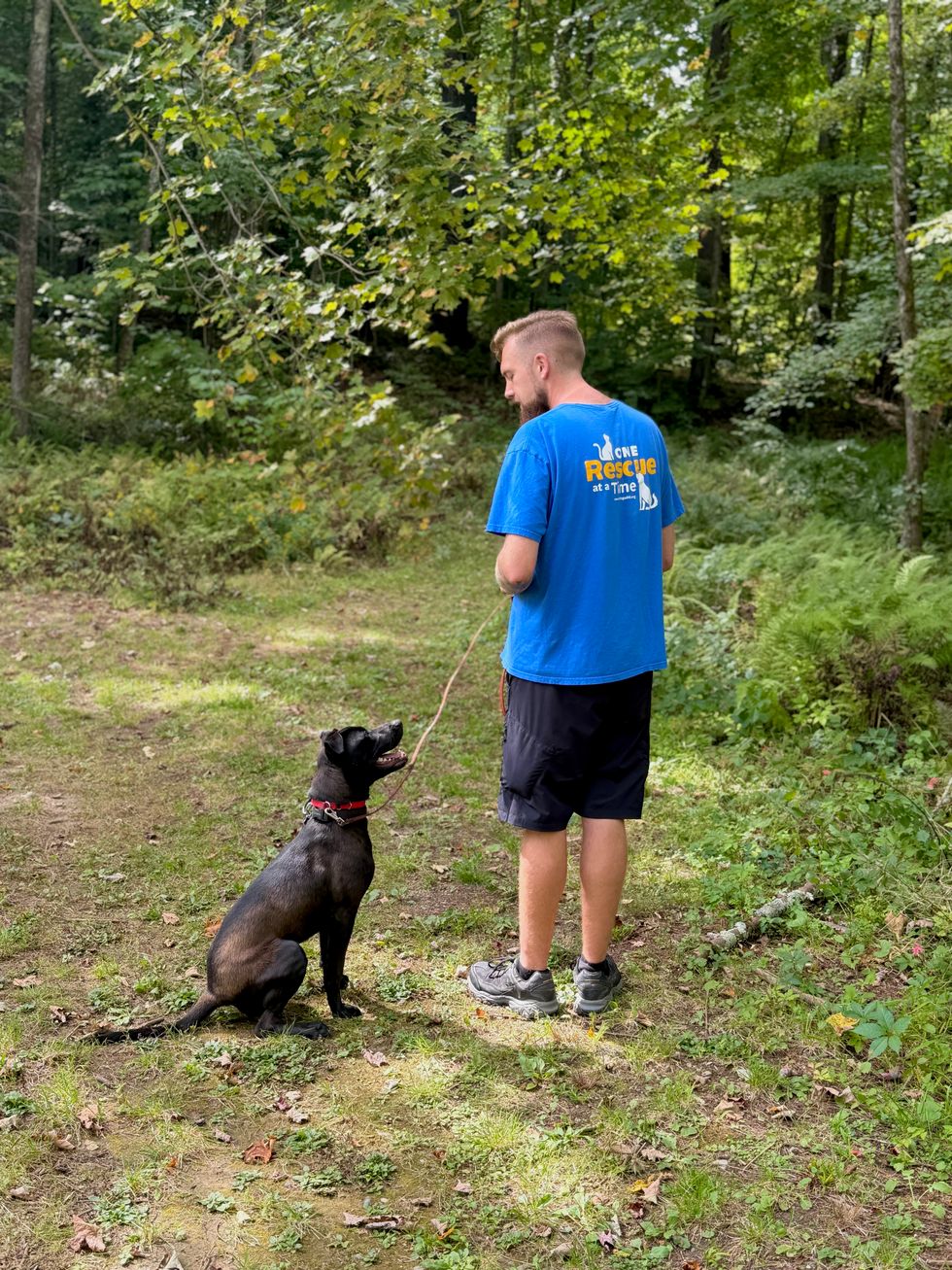 Michael DeBarba, certified dog trainer working with Marsala.Jennifer Almquist
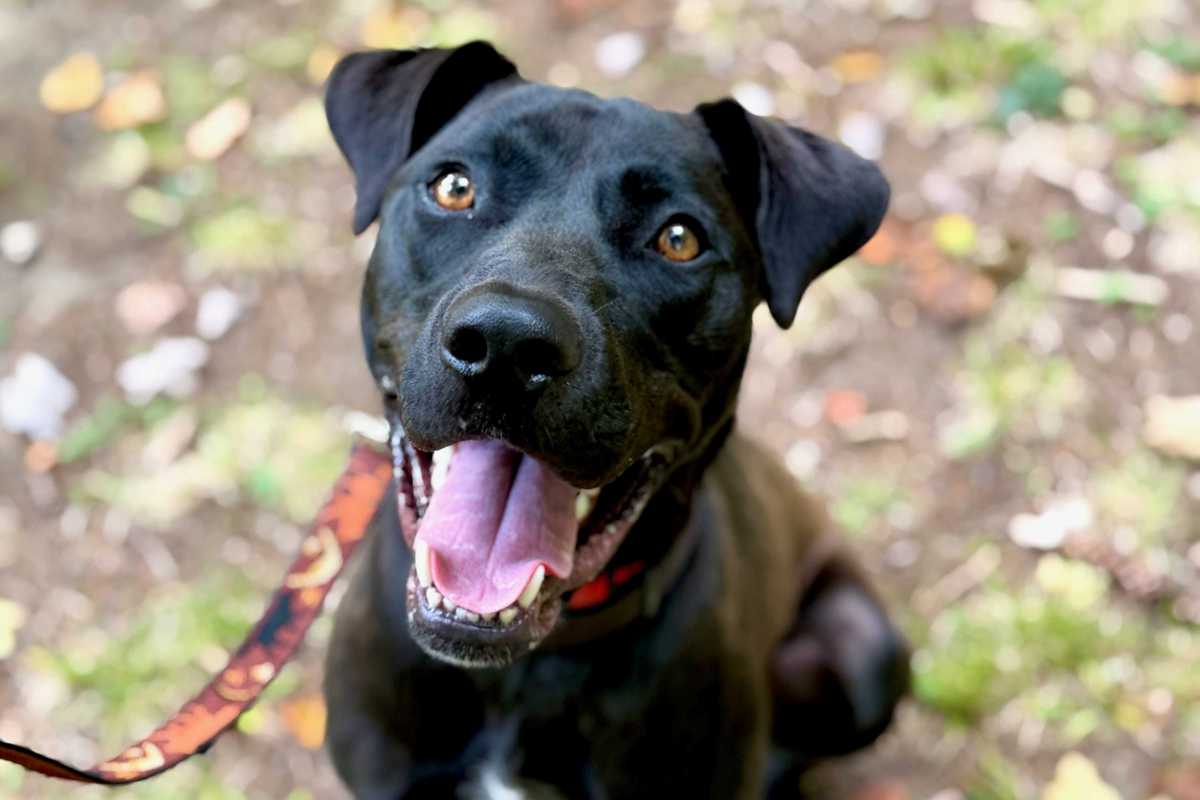
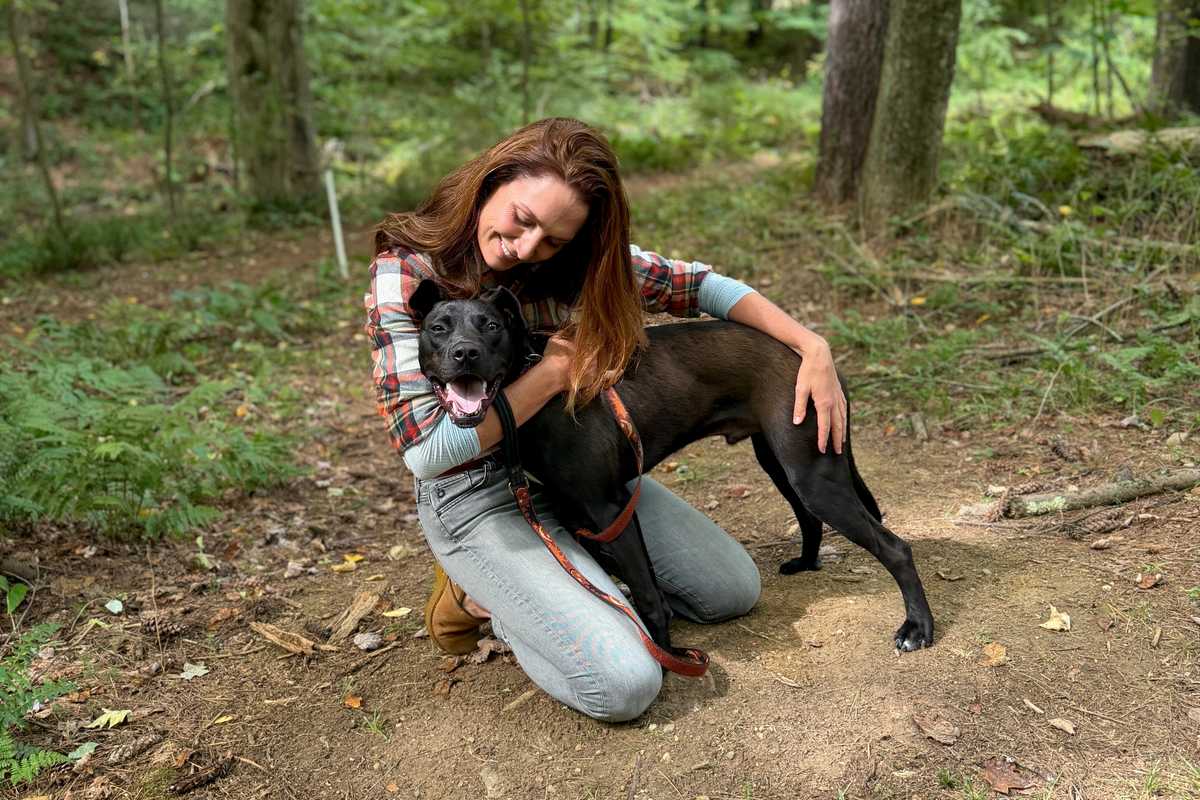 Marsala wins a heart.Jennifer Almquist
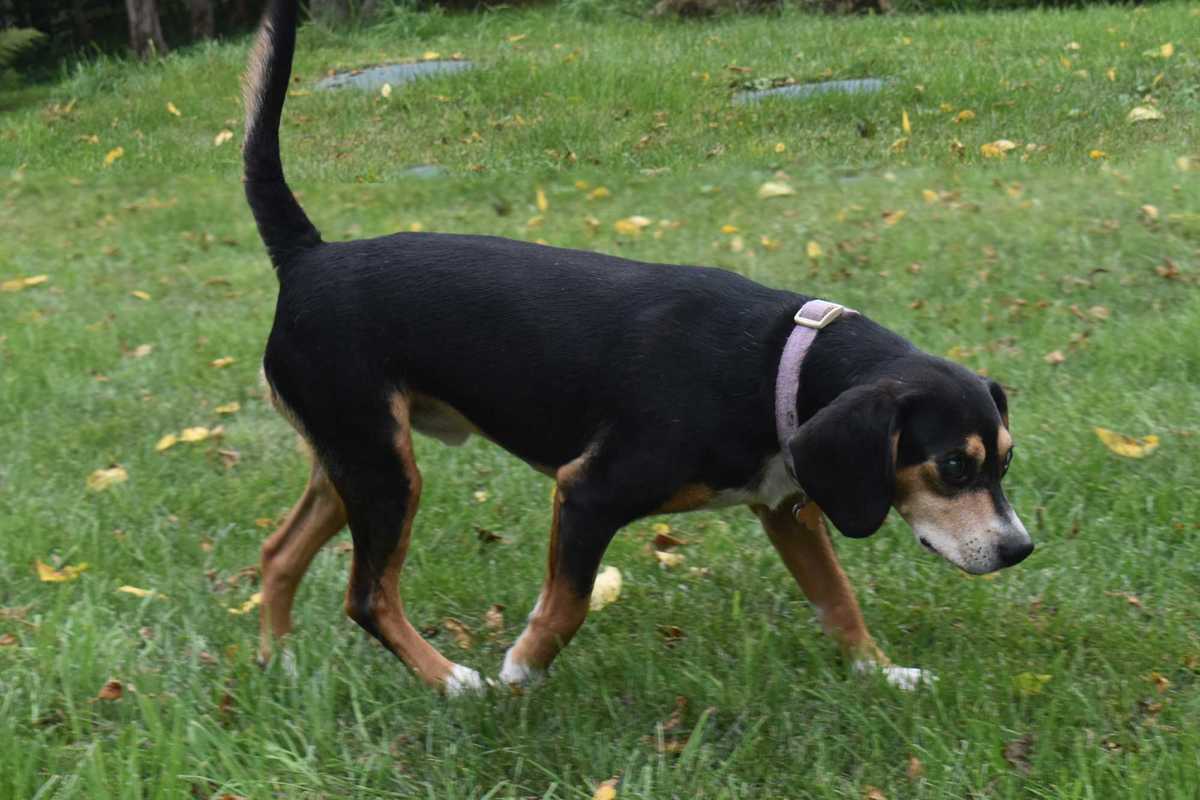
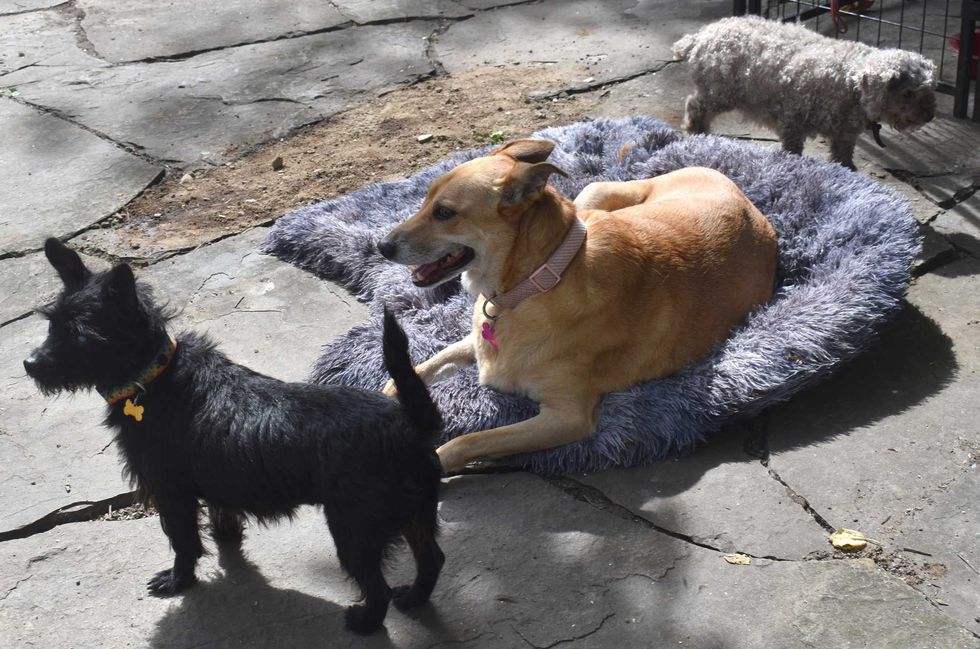 Sadie, center, a Carolina dog, plays with her friend Negra, a terrier mix. Bella Linda, the small poodle, has since been adopted.L. Tomaino
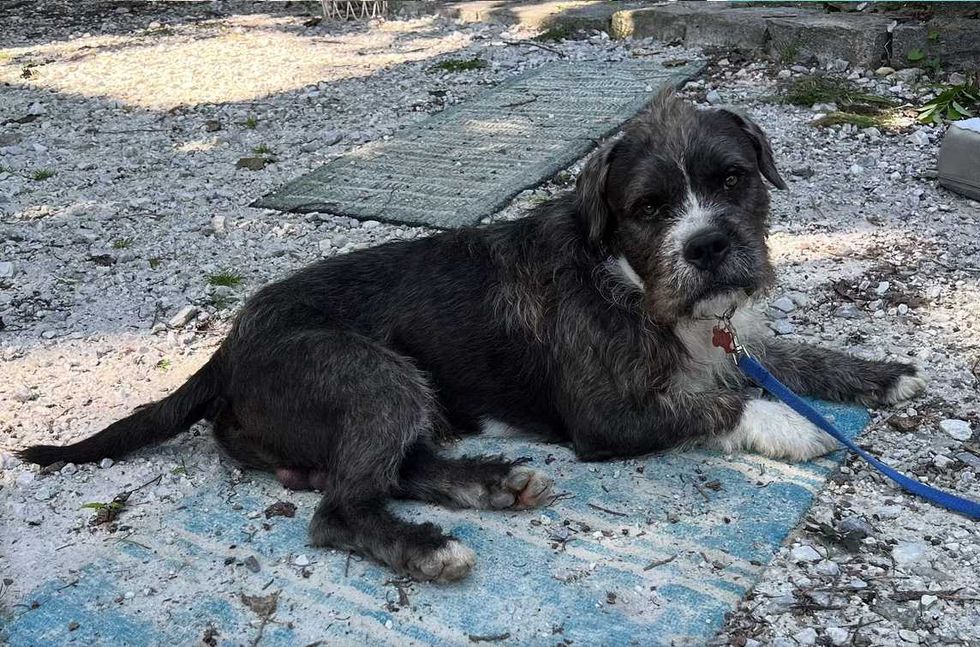 Wesley, a young, exuberant mix, is looking for an active home.L. Tomaino
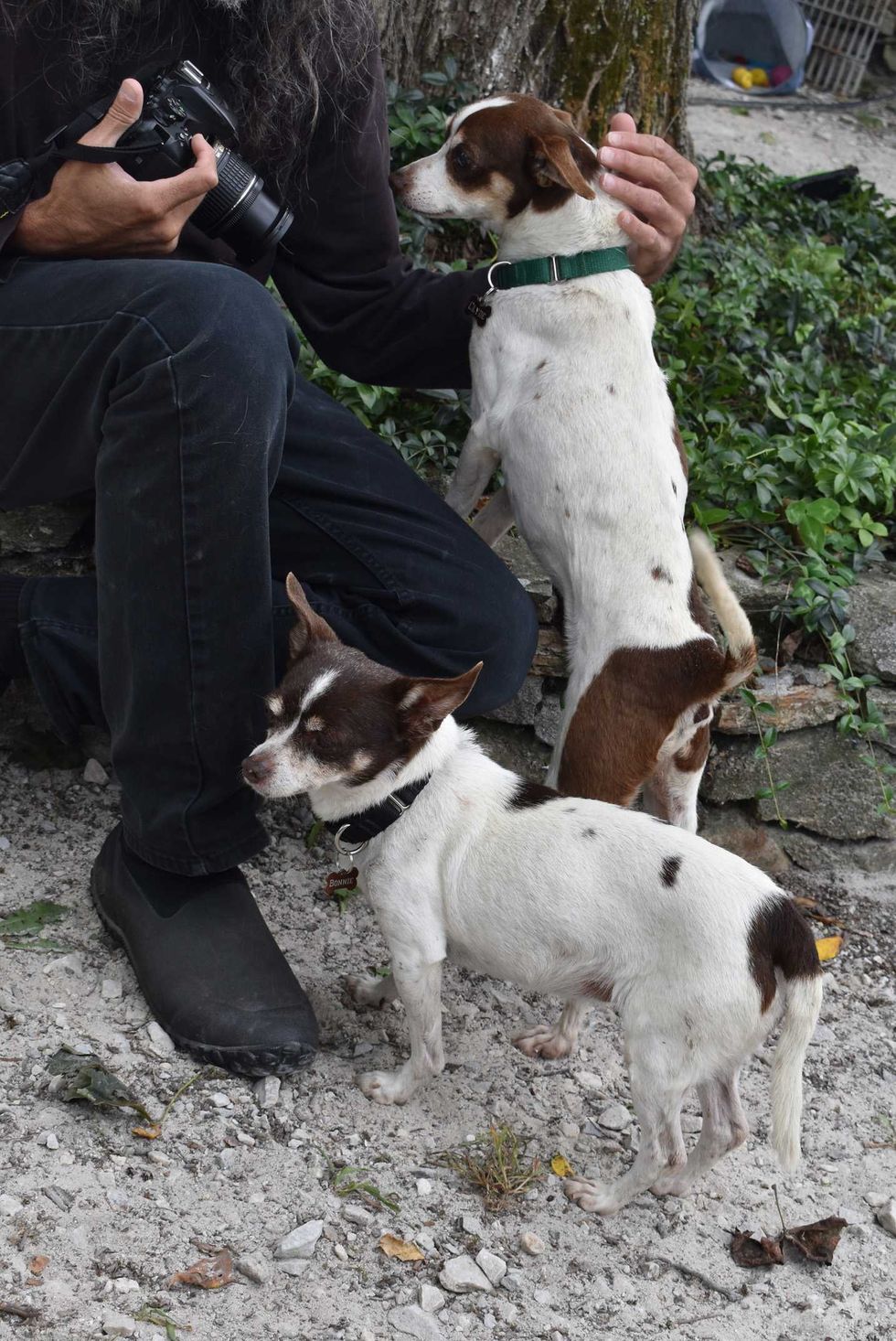 Bonnie and Clyde, an affectionate terrier pair.L. Tomaino
 Provided