

On a winter day in the early 1970s, Peter Warner, a young man dying of leukemia, lay in bed at Sharon Hospital, waiting in agony for his next dose of pain medication. Hospital rules insisted he could have it only every four hours. Not a moment sooner.
His mother, Claudia Warner, watched the minutes tick by while her son suffered. She realized that medical care was failing him, not because it couldn’t cure him but because it couldn’t, or wouldn’t, ease his pain.
Spurred by her grief and frustration—and having glimpsed at Yale New Haven Hospital what a new approach called hospice could offer—Warner began to push for drastic change in how dying patients were treated in our region. Together with two Sharon Hospital nurses, Louisa Lafontan and Donna DiMartino, she pioneered hospice care in the Northwest Corner.
Lafontan, who had helped build Sharon Hospital’s intensive-care unit, mentored DiMartino, and the two became lifelong friends. Inspired by Florence Wald, then dean of the Yale School of Nursing, who had brought hospice care to Connecticut from England, both nurses saw how medicine’s relentless focus on cure overlooked something equally important. “Sometimes people [could not] be cured,” says DiMartino. “They just wanted to be cared for.”
“When Louisa came back and began to talk about hospice, my ears went up,” DiMartino recalls. “All of us as nurses began to see there was a need, and it was right in front of us.”
Claudia Warner created a steering committee on hospice care in the Northwest Corner and recruited Lafontan to lead it.
Change nevertheless unfolded slowly. Like the rest of the hospital staff, the nurses had been trained according to the traditional ethos of Western medicine: save lives, extend them, restart them if possible. “Death didn’t happen in hospitals,” DiMartino says. “It was not an accepted part of life back then.”
As education in hospice care spread—Lafontan led much of the training in the Northwest Corner—health care providers began to understand the importance of treating pain aggressively. “We learned that dosage and timing needed to be for the patient experience,” says DiMartino. At the end of life, addiction to pain medication is not the primary concern; pain management and well-being are.
Medical personnel and volunteers spoke with families, pharmacists, and clergy, toured funeral homes, and learned that dying involves communities as much as medicine.
Medicare’s hospice benefit, enacted in 1983, expanded access but also transformed hospice from a grassroots movement into a more institutionalized system. Lafontan continued training nurses and volunteers and helped bring hospice into long-term care facilities. DiMartino eventually became hospice director at the Salisbury Visiting Nurses Association (now part of the Visiting Nurse and Hospice of Litchfield County), where she trained younger nurses.
Most end-of-life care still happens at home, where family members become the default caregivers. Yet while most people hope to avoid dying in a hospital, not every family can provide round-the-clock care. For decades, Lafontan and DiMartino imagined a place to fill that gap—for their patients and themselves, when the time comes.
In September 2025, East Mountain House (EMH) opened in Lakeville, Connecticut, bringing that vision to life. Housed in a private residence, EMH allows residents to receive hospice support while trained caregivers provide the daily physical care families often struggle to manage alone.
When the two nurses toured the facility together, they were struck by how closely it matched what they had imagined. “We couldn’t have imagined a better place,” says DiMartino. “There are rooms for families to stay, and staff who provide the care, which is monumental.” Nurses from Visiting Nurse and Hospice of Litchfield County check in regularly.
After retiring from nursing, Lafontan and DiMartino became hospice volunteers themselves, sitting with patients, listening to their stories, and giving families a chance to rest.
Both women recall a man dying at home who had a photo of an aircraft carrier on his wall. When they first met him, “he was sort of shrunken up, sitting there in a chair,” recalls DiMartino. By coaxing him to talk about the image, she learned that he had been a pilot whose job was training others to land on the carrier. “I watched his body change into a man who had this great story to tell.”
“When you’re really present with a patient, you [see] them in the whole breadth of their life,” says DiMartino of the human connection intrinsic to hospice care. “The end is part of life, and we’ll all get there. But every person’s life has meaning. You just have to [listen] and you’ll find it.”
To learn more about the origins of hospice in our region and hear an oral history with Louisa Lafontan and Donna DiMartino, visit
eastmountainhouse.org/history-of-hospice/

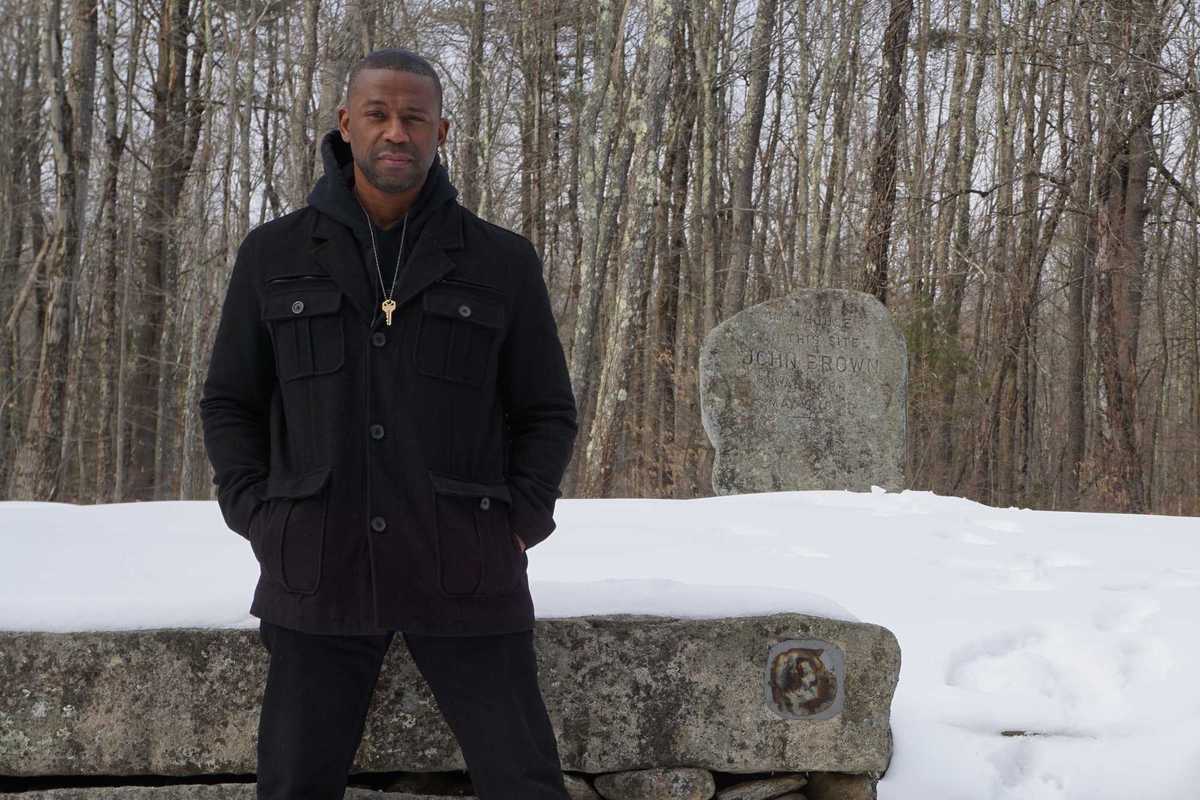
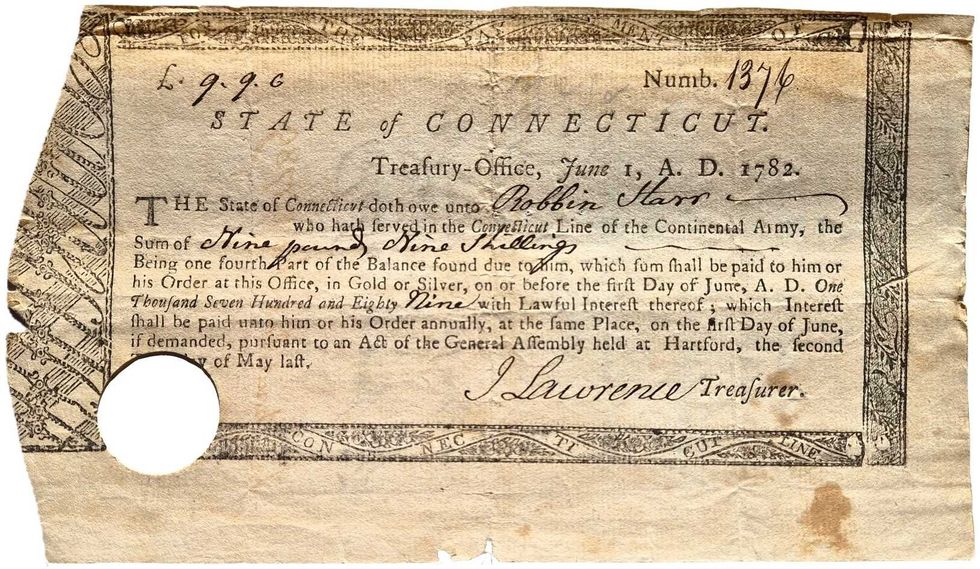 Pay Bill for Robin Starr’s service in the Continental Army.Courtesy the Alex Breanne Corporation
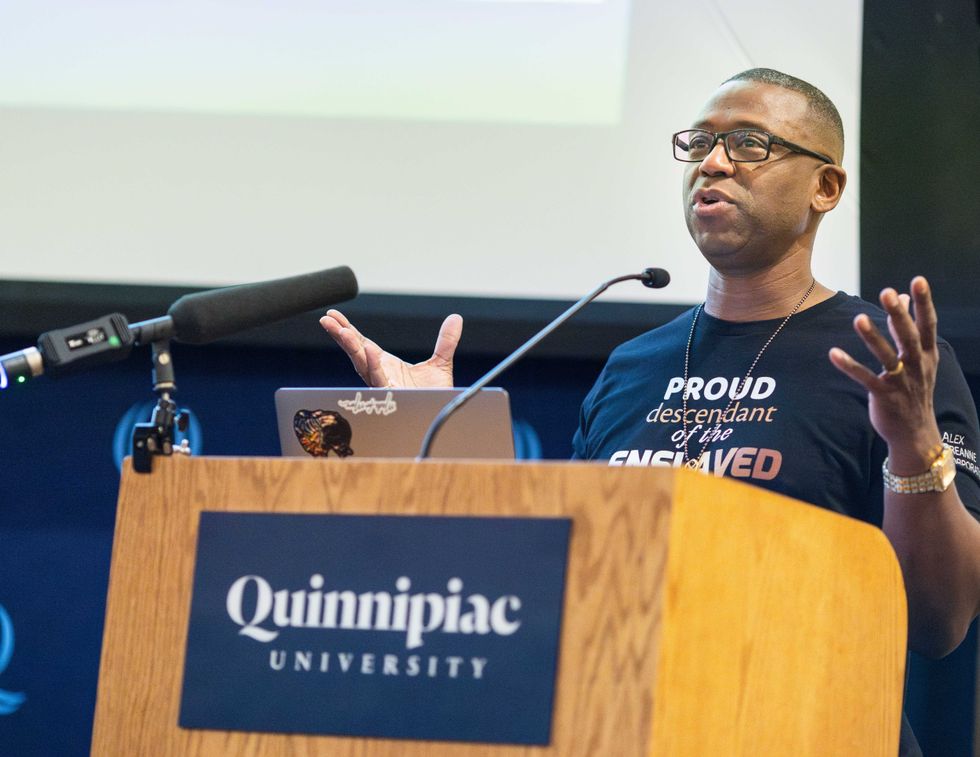 John Mills speaking at Quinnipiac University.Courtesy the Alex Breanne Corporation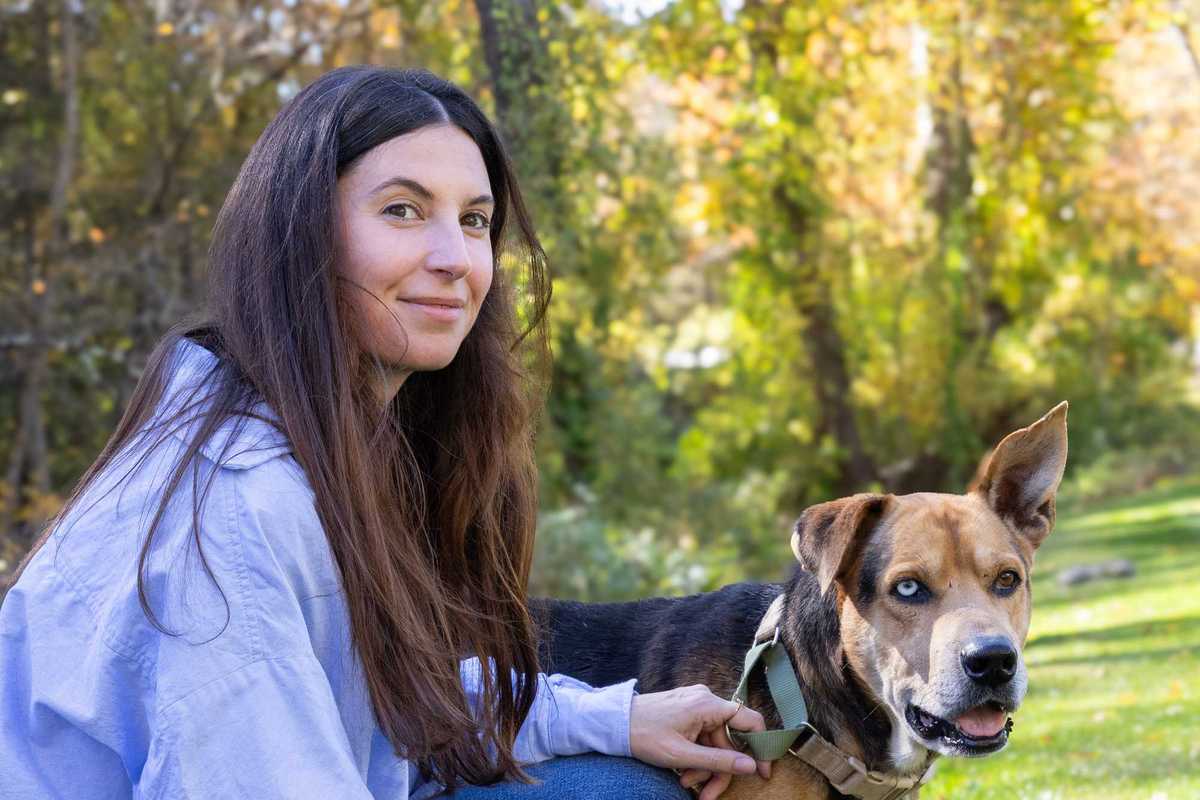
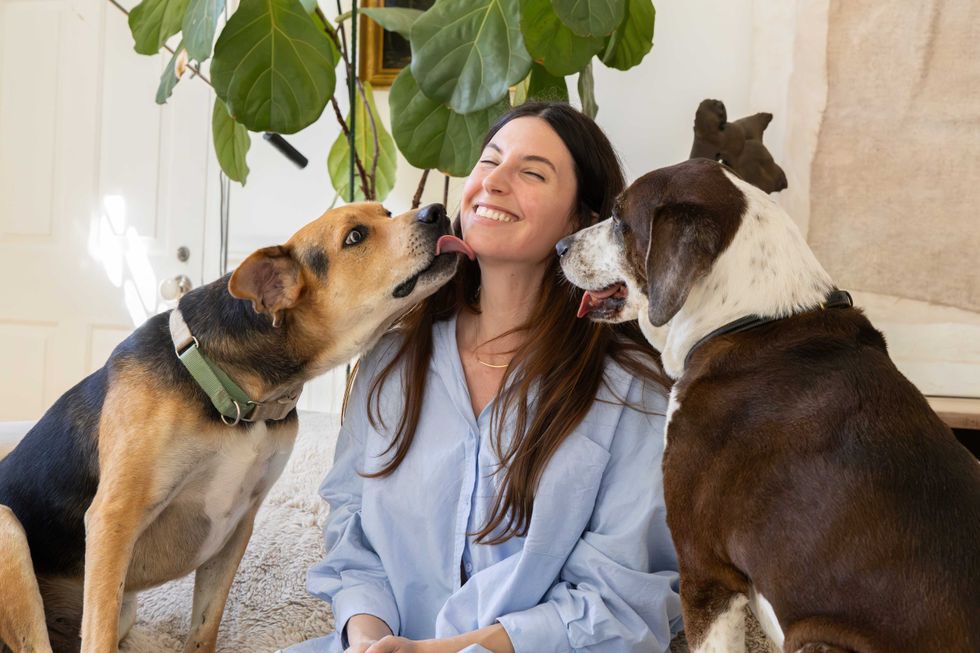 Stephanie Saetta,with her rescue dog George and Blue (left), a shepherd mix awaiting his forever home.Madi Long
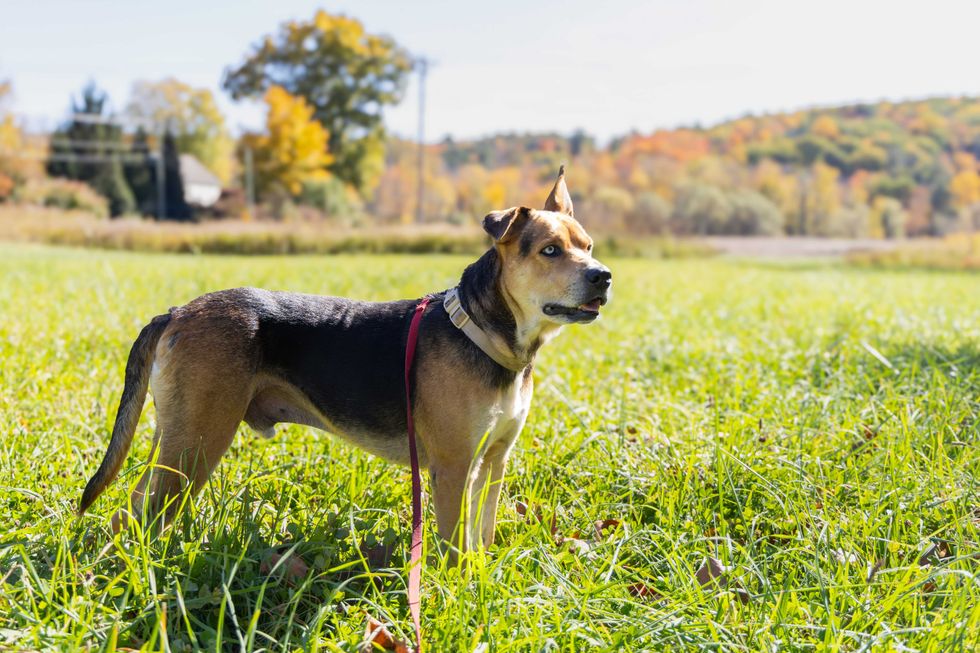 Blue, a 7 year-old Shepard mix, is waiting for his forever home. Madi Long

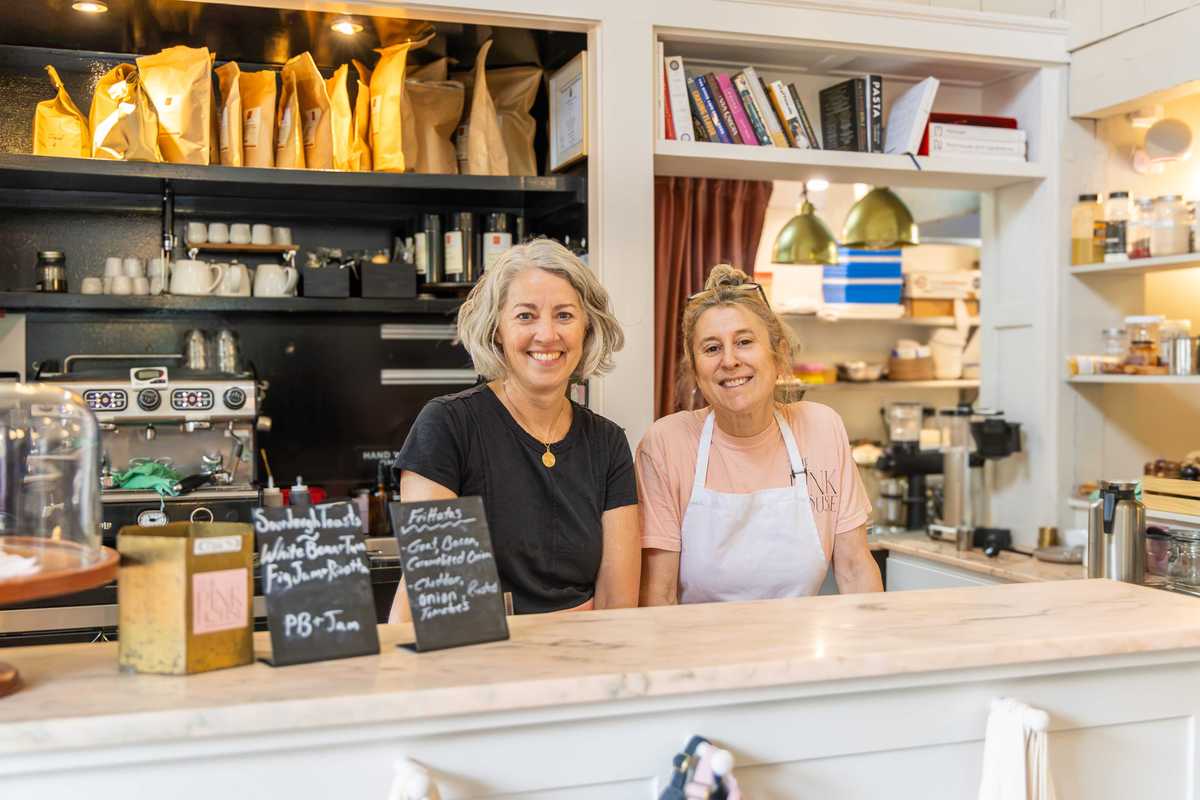






How hospice pioneers transformed end-of-life care in the Northwest Corner