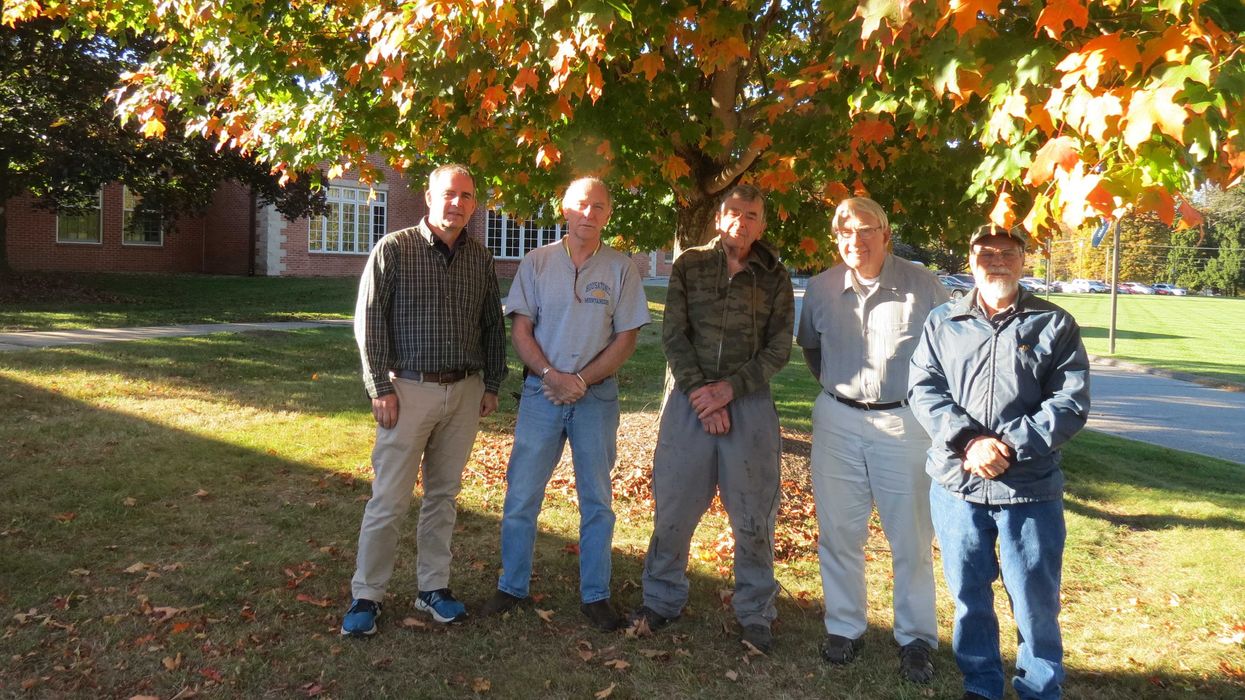
FALLS VILLAGE — Many forces contributed to Housatonic Valley Regional High School being named the most beautiful public high school in Connecticut by Architectural Digest in 2017. Among them was the Arboretum and Landscape Committee.
A committee of the Region One Board of Education, its members work to enhance the school’s campus with native plantings and outdoor learning facilities, often with the help of student and volunteer support. It manages the diverse, sustainable teaching arboretum and promotes class trees on the core section.
It receives $3,000 in the school budget and is the recipient of donations.
The school, which was built in 1939 as part of the work of the Civilian Conservation Corps and the Works Project Administration, sits on the shores of the Housatonic River and has been a great source of pride not just for the alumni and staff, but the community as a whole. Maintenance of both the building and grounds has been a high priority.
During a recent meeting of the committee, members talked about the plantings that have taken place on the main campus, as well as what is referred to as the “north campus,” which is near the tennis courts.
The impetus for much of the group’s work can be traced back to the white oak that stood on the property for more than a century before the school was built. There was great care taken to preserve it, but unfortunately on July 5, 2004, it was irreparably damaged in a severe storm.
A display about the ALC in the hallway near the library at the school states, “This tree, which symbolically remains the school’s signature logo and yearbook title, epitomizes the strength and resilience of our school community.” The tree was eventually replaced in 2007, but that incident prompted the initiative to encourage classes to purchase and maintain trees to enhance the beautiful environment, said member Tom Zetterstrom.
Now more than 24 classes have done so. The latest to sign on is the class of 1975, which just had its 50th reunion.
Dave Moran, chairman of the agricultural science and technology department and committee member, said those trees, as well as the campus as a whole, have become meaningful for many in the community. One family spread the ashes of their son who died in an accident around one of the trees. Many alumni come to visit to recall memories of their high school days. One alumnus just left $70,000 in her will to help in the environmental preservation of the campus.
“It really provides a lovely environment,” said Moran, talking about the beauty when the leaves are falling and the way the trees attract wildlife.
In 2020 the committee initiated the restoration of the school’s original façade landscape design to showcase its architecture. Members spoke of the some of the oldest standing trees, including a European cooper beech, for which they will be seeking professional arborist help to maintain. They will also be contacting the Connecticut Agricultural Experimental Station for advice.
Moran announced to the group that a dreaded spotted lanternfly has been found on a tree of heaven down near the river. An invasive species, they serve as a host to destructive insects and can wreak havoc on trees. Members said eradicating it should be a high priority and they will attend to the problem.
Committee members at the meeting each expressed their reason for serving. Kevin Wheeler, an alum, said preserving the outdoor environment “is extending the look of the brick and mortar and adds to the overall aesthetics. A lot of people have connections to trees.”
Zetterstrom, also a graduate of the school, said, “We’re building on the original design of the school and the brilliance of the CCC and WPA. It provides us with a sense of beauty, craftsmanship and community.”
For Chairman Ron Dower, another alum, the fallen white oak was a critical occurrence and he was very pleased to have it replaced. He talked of the school’s history, saying, “This campus served to bring together six towns.”
John Anderson, who has substituted at the school, said there are not a lot of arboretums left. “It’s important to me that the kids have a living lab around them and that indoor and outdoor classes can be integrated.”
Moran said, “The connection to landscapes and trees is very powerful. They have a large impact on a large number of alumni. Reunions often gather around their class trees. How meaningful to have kids come back to see their trees years later.”

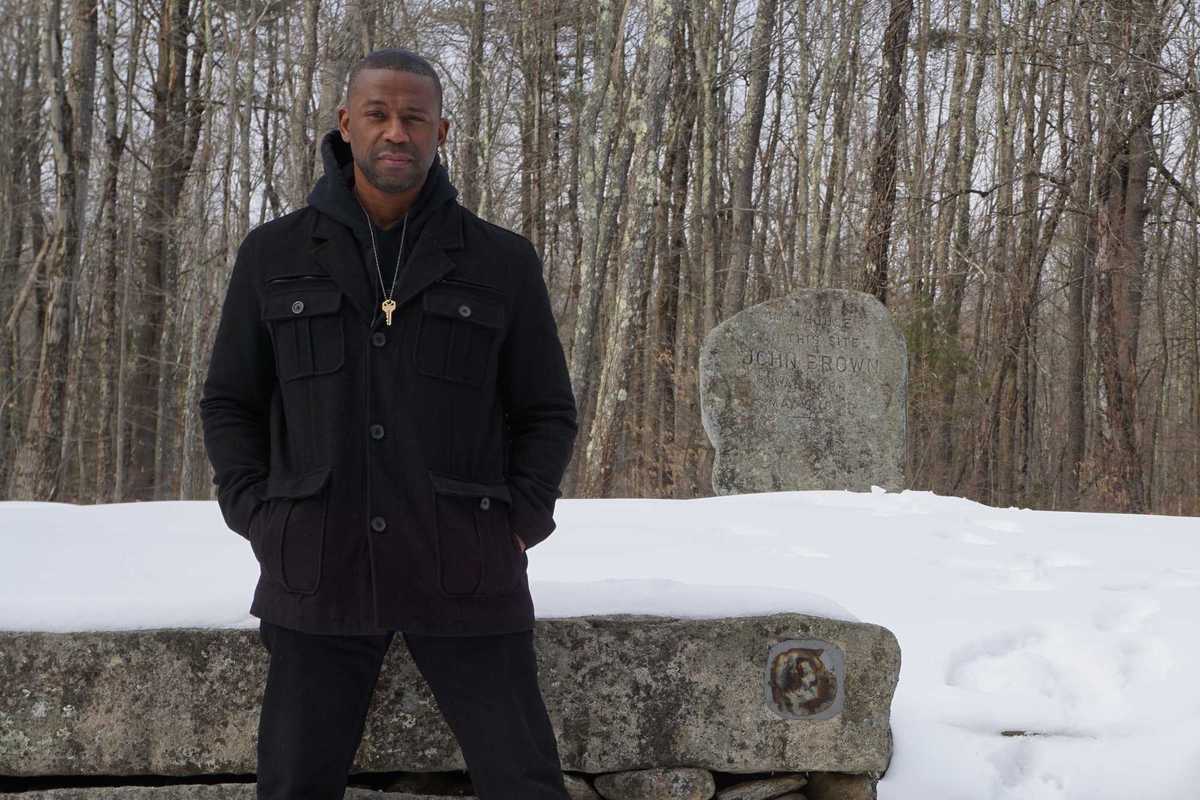
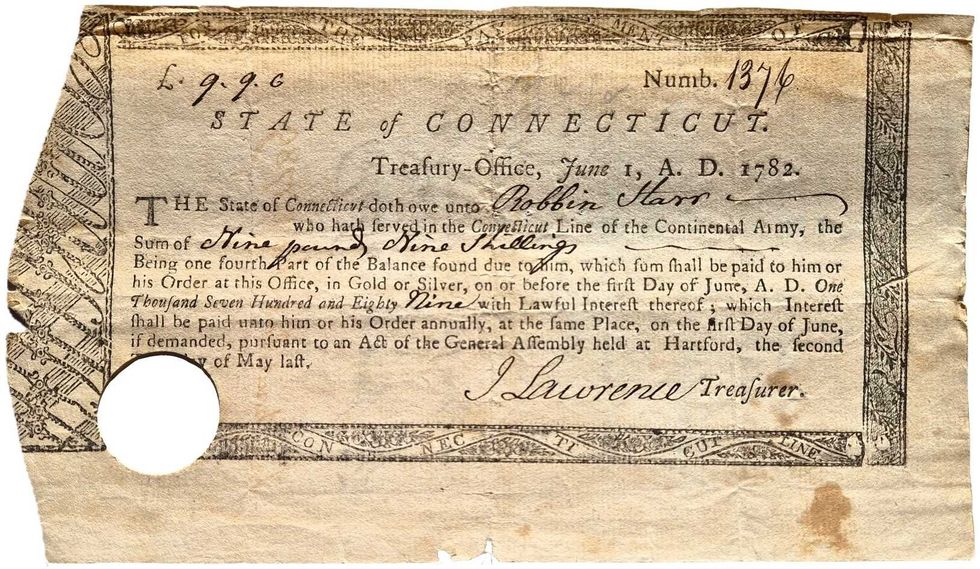 Pay Bill for Robin Starr’s service in the Continental Army.Courtesy the Alex Breanne Corporation
 John Mills speaking at Quinnipiac University.Courtesy the Alex Breanne Corporation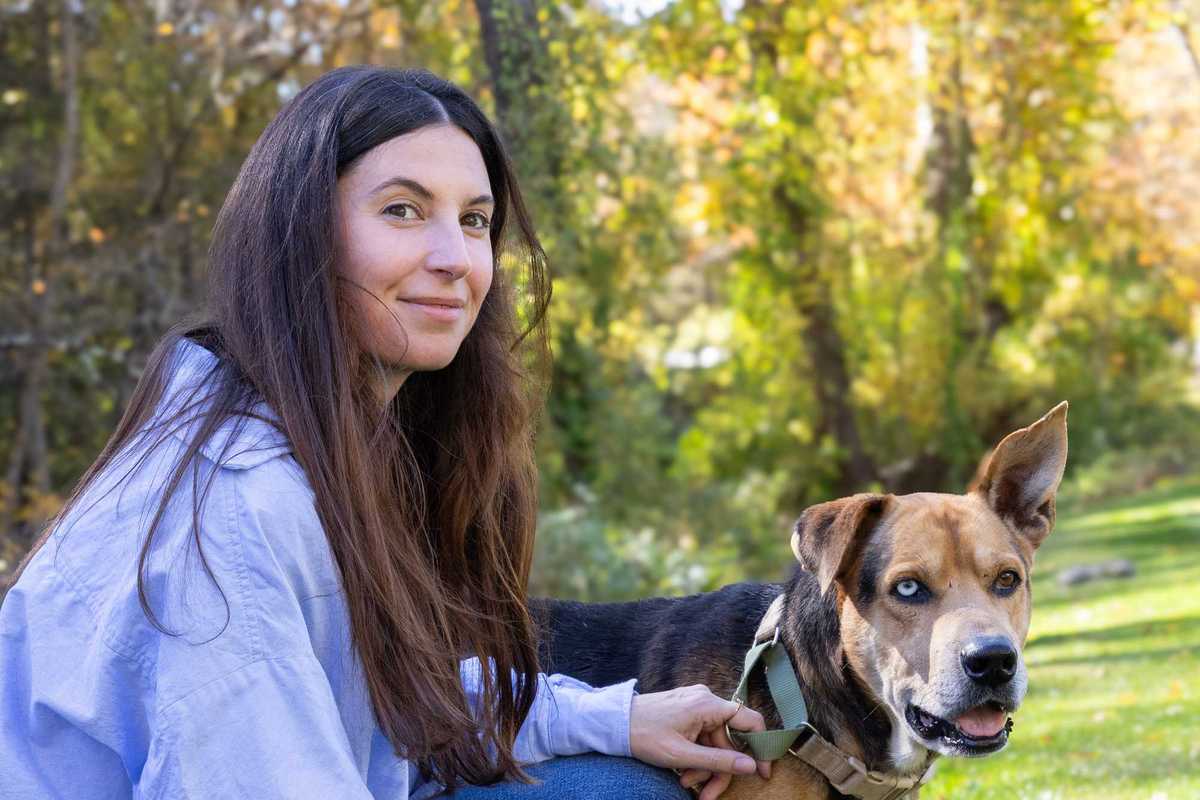
 Stephanie Saetta,with her rescue dog George and Blue (left), a shepherd mix awaiting his forever home.Madi Long
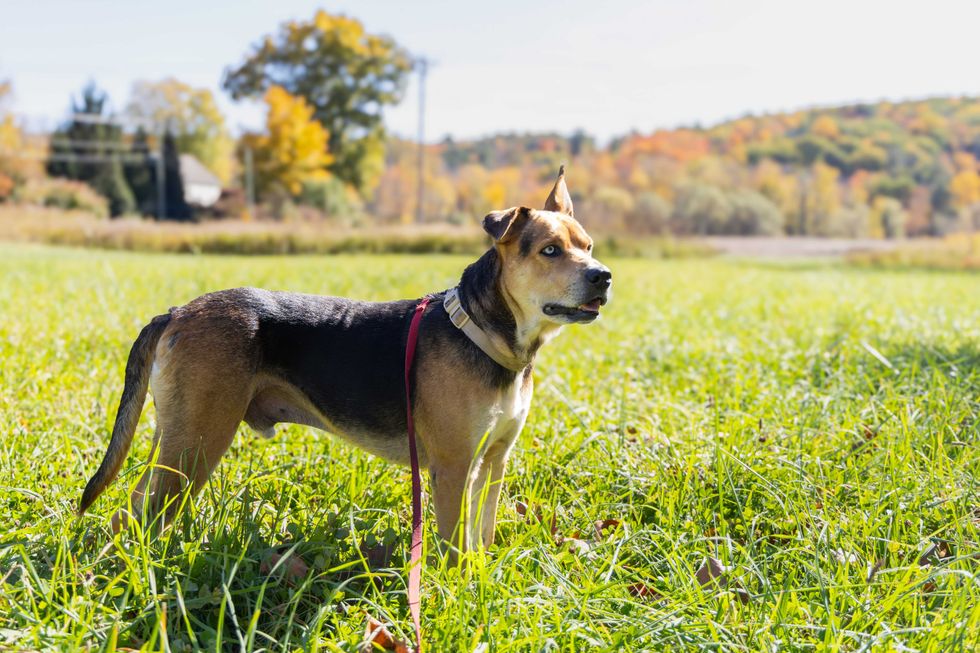 Blue, a 7 year-old Shepard mix, is waiting for his forever home. Madi Long