Don’t ever think this lake is not going to throw you a curve ball, because it will.
—Bill Barton, Outgoing TLA Senior Vice President
SALISBURY — Four years into the battle against hydrilla at Twin Lakes, members of the Twin Lakes Association received their strongest sign yet that the invasive plant may finally be yielding. Now, lake officials are placing greater emphasis on prevention alongside continued management, with a focus on protecting the lakes and making those efforts financially sustainable for the long term.
During the association’s annual meeting Aug. 8, TLA President Grant Bogle told nearly 90 people that no viable hydrilla plants have been found in East Twin Lake so far this season despite intensive aquatic plant surveys. But even if hydrilla appears to be retreating, its legacy is reshaping how the TLA prepares for the future.
“This is the first year we have not found a viable plant in the lake, so far,” Bogle said, before receiving enthusiastic applause from the packed pavilion at Camp Isola Bella in Salisbury.
“This is good news, but we can’t declare victory,” he cautioned.
With an eye toward the long-term health of Twin Lakes, members unanimously approved the charter for a newly established Twin Lakes Preservation Fund, or LPF, creating a permanent pool of assets intended to grow over time and eventually help shoulder the substantial cost of protecting the lakes from future threats.
From crisis response to permanent stewardship
The association has spent more than $1 million over the past three years combating the invasive plant and strengthening its lake-management programs. About 70% of that cost came from the Twin Lakes community, Bogle said, despite financial support from the town of Salisbury and the state.
“We rose to the occasion, which is great,” Bogle said, “but I am hopeful 10 years from now, should a crisis arise, future boards will have a little extra support.”
In written comments before the meeting, Bogle said hydrilla exposed how vulnerable the lake system is and how quickly the cost of confronting an environmental threat can escalate.
“Hydrilla is not the only nor the last threat that the Twin Lakes community will confront,” he said. “The scope of activities necessary to ensure the lakes remain healthy for generations to come require a sustained, science-driven approach, which is costly.”
The preservation fund already holds about $350,000 from private donations made this summer.
No formal fundraising goal has been established, but Bogle said approximately $3 million to $5 million would be needed to generate what the board considers a meaningful income stream over time, assuming withdrawals of around 5%.
The association expects much of the fund’s future growth to come from bequests through wills and trusts, while annual donations and grants support current operations.
TLA Secretary Erica Cohn, who has been coming to the area since 1981 and has owned property on Rocky Lane for more than two decades, said the board had discussed creating a preservation fund for years.
Hydrilla reinforced the urgency.
“Thankfully, the lake community responded and trusted the board to make the best decisions to preserve and protect the lake,” Cohn said. “We hope that trust continues with the preservation fund so when the next invasive threat appears, the board can move quickly again.”
Cohn said the TLA, which has about 770 members, hopes the lake community will include the LPF in estate planning, allowing it to grow across generations.
Protecting the ‘piggy bank’
Bogle called the LPF spending policy “probably the most important section” of the charter because it governs how the money may be used.
“The last thing you want is to have the piggy bank raided,” he told members, adding that restrictions cannot be so rigid that a future board is unable to respond quickly to an emergency. And so, changes to the fund’s stated purpose or spending policy will require membership approval.
The fund will be overseen by a three-person investment committee — two TLA board members and one at-large member of the lake community, preferably someone with financial expertise. Bill Barton, who stepped down from the TLA board Saturday after 20 years of service, has expressed interest in serving on the committee.
Jeff Bravin, a TLA board member and executive director of the American School for the Deaf (ASD) — which owns and operates Camp Isola Bella — pointed to the camp as an example of the stability an endowment can provide.
The ASD received island property from the Alvord family in 1963 along with funding that has since grown into an endowment supporting the camp.
Although annual fundraising remains necessary, Bravin said, the permanent financial foundation allows the organization to plan strategically — a model he believes could similarly benefit Twin Lakes.
“A permanent endowment gives future boards another important tool to proactively manage the lakes rather than relying solely on emergency fundraising or reacting after problems arise,” Bravin said.
A new financial reality
Even as hydrilla-control expenses decline, the association does not expect lake management to return to the less expensive model of earlier years.
Updated projections call for about $475,000 in spending in 2026, down from the $500,000 originally budgeted, largely because of lower treatment costs as progress against hydrilla continues. With projected income of $375,000, however, the association may still need to draw as much as $100,000 from reserves.
Members Saturday also unanimously approved a $450,000 budget for 2027, including $150,000 for treatment by Solitude Lake Management and another $150,000 forscientific surveys and lake-management work by Northeast Aquatic Research. Another $130,000 is budgeted for monitoring, harvesting, biomass removal and watershed work.
To cover those costs, TLA anticipates $100,000 in grant support, $75,000 from the town of Salisbury and $275,000 in dues and donations — the amount needed to balance the budget. About 70% of donors live around the lakes, Bogle said.
The numbers illustrate the balancing act confronting the organization: raising enough money to pay substantial annual operating expenses while building a permanent fund for needs that may arise years or decades from now.
A new line of defense
The absence of viable hydrilla this season does not mean the threat of another introduction has disappeared.
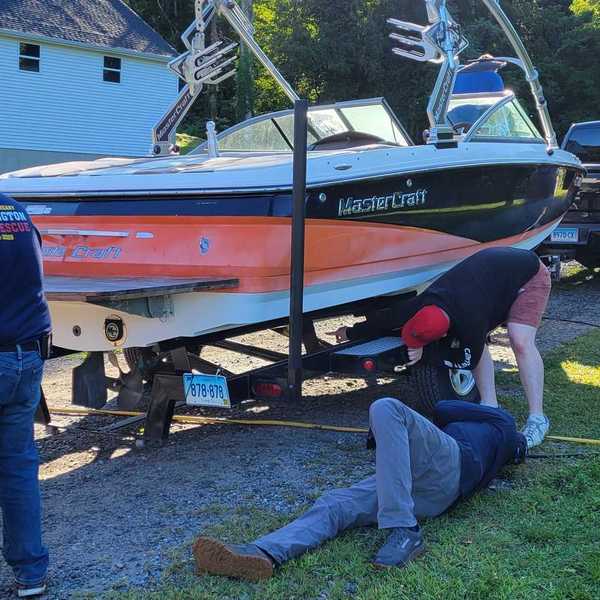
The TLA is working with Bravin and the American School for the Deaf on plans for a boat decontamination unit, potentially located on ASD property across from the old boathouse, a short distance from O’Hara’s Landing marina.
Bogle described the system as a high-temperature decontamination operation intended to prevent invasive aquatic plants from being carried into the lake on boats and equipment.
The association is awaiting a decision on a state-coordinated grant application that could pay for the purchase of the unit.
Its purchase price is not included in the proposed 2027 budget.
If grant funding does not materialize, Bogle said he would like the TLA to acquire a unit using existing assets or donations raised for the purchase.
The $50,000 monitoring line in the 2027 budget includes approximately $25,000 for existing boat-launch monitors, with the remainder representing a rough estimate of labor, fuel, maintenance and other operating expenses associated with a decontamination unit.
The concept could initially be tested for several years, primarily on East Twin.
It marks another evolution in the hydrilla response: as herbicide treatments decline, more emphasis can shift toward preventing reintroduction.
Beyond hydrilla
In written comments before the meeting, TLA Vice President of Lake Management Russ Conklin said intensive monitoring will continue in 2027, including extensive plant surveys and diver searches in deeper water.
“We will remain vigilant,” Conklin said.
The association may further reduce herbicide use in East Twin if findings from the remainder of the 2026 season support it.
But Conklin said hydrilla represents only one part of a larger ecological challenge facing Twin Lakes. “Our lakes are aging.”
Several years of water-quality monitoring, combined with data from the watershed study, point to increasing phosphorus and nitrogen levels.
The likely sources of many of those nutrients are along the shoreline, Conklin said.
“Once these chemicals build up in the lake, the options for addressing them are few, often impractical and very expensive,” he said.
Left unchecked, elevated phosphorus and nitrogen can contribute to anoxic — or oxygen-depleted — conditions and potentially toxic algae blooms.
While forces such as climate change are beyond the control of individual property owners, Conklin said there are several “knobs that we can turn.”
Among them are pumping septic systems every two years and establishing natural vegetative shorelines to filter pollutants and provide habitat. Conklin also encouraged homeowners to reduce unnecessary nighttime lighting as another way to support the broader lake ecosystem.
The steps may sound simple, he said, but collectively can have a significant impact. “The science is as clear as it is going to get,” Conklin said.
Governance grows with the mission
Members unanimously approved revised TLA bylaws, originally adopted in 1977 and amended Saturday for the seventh time.
“I remember when the bylaws were one page,” Barton said, gesturing toward the 11-page document distributed at the meeting.
The changes include staggered terms for directors and formal ex-officio board seats for representatives of the American School for the Deaf, Salisbury School, Twin Lakes Beach Club and O’Hara’s Landing marina.
The revised bylaws also require the board to submit the following year’s budget to members at each August annual meeting and allow the board to enter contracts consistent with the TLA’s mission and an approved budget without additional membership approval.
The changes, along with related governance policies, were developed with advice from outside legal counsel as the scope of TLA finances and fundraising has grown.
Former TLA President and current board member Carey Fiertz reflected on the transformation shortly before members cast their votes. The nonprofit, volunteer organization “has come a long way,” he said. “This is an exciting time.”
Fiertz said he was confident the community would continue stepping forward to protect Twin Lakes.
Minutes later, members unanimously approved the revised bylaws, preservation fund charter and 2027 budget.
The next generation
Saturday’s meeting also marked the end of Barton’s two decades on the TLA board.
Barton, the organization’s senior vice president, acknowledged “some sadness” in stepping aside, but used his farewell to remind members why vigilance and community involvement remain essential.
“Don’t ever think this lake is not going to throw you a curve ball, because it will,” Barton said. Hydrilla, he added, “was a beast,” but the association has confronted milfoil, the threat of zebra mussels and other challenges over the years, and new ones will inevitably emerge.
“It’s been a labor of love,” Barton said. “Local change happens on a local level.”
After the meeting, members filtered from the pavilion, some headed home while others remained for a picnic and the annual Twin Lakes Day celebration.
Among them was John O’Mahony of Pleasantville, New York, who was pleased to see the preservation fund charter approved.
“I have been coming to this lake since I was born,” said O’Mahony, whose aunts owned property at Twin Lakes when he was growing up. “I feel as though we have got to protect these lakes.”
O’Mahony then walked toward the small beach at Camp Isola Bella, where children splashed in the sparkling summer water — another generation beginning to form memories on the lakes the community had just voted to protect for those still to come.




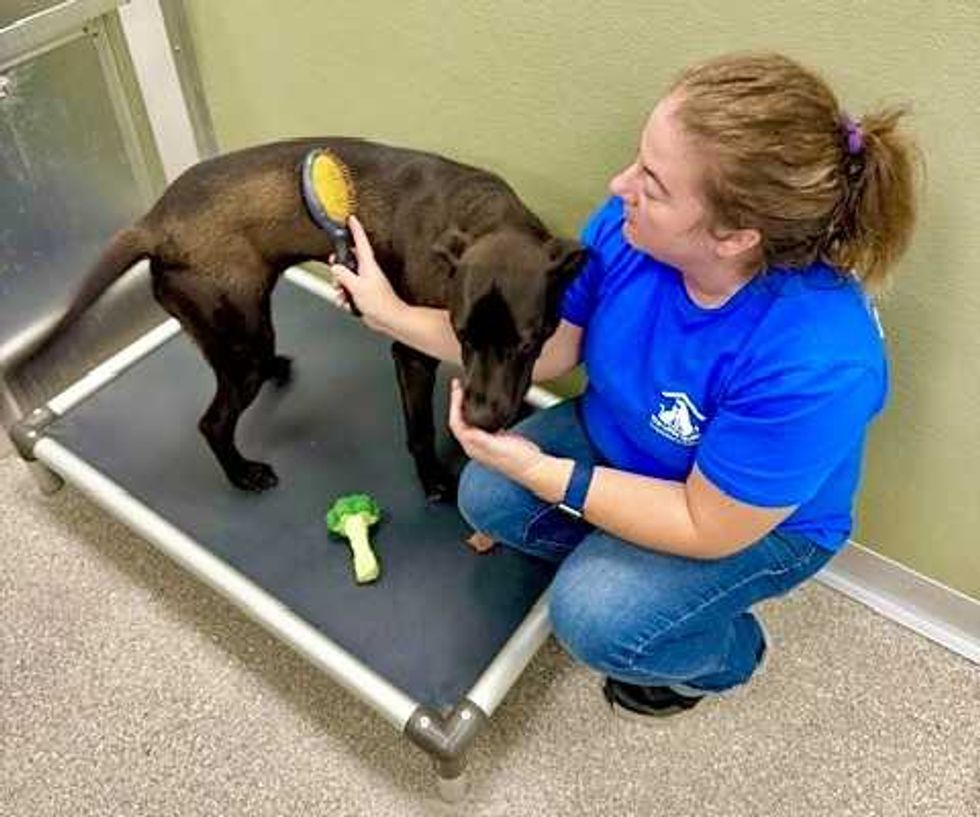 Tiffany Lemelin, shelter manager, brushing Marsala upon arrival.Provided
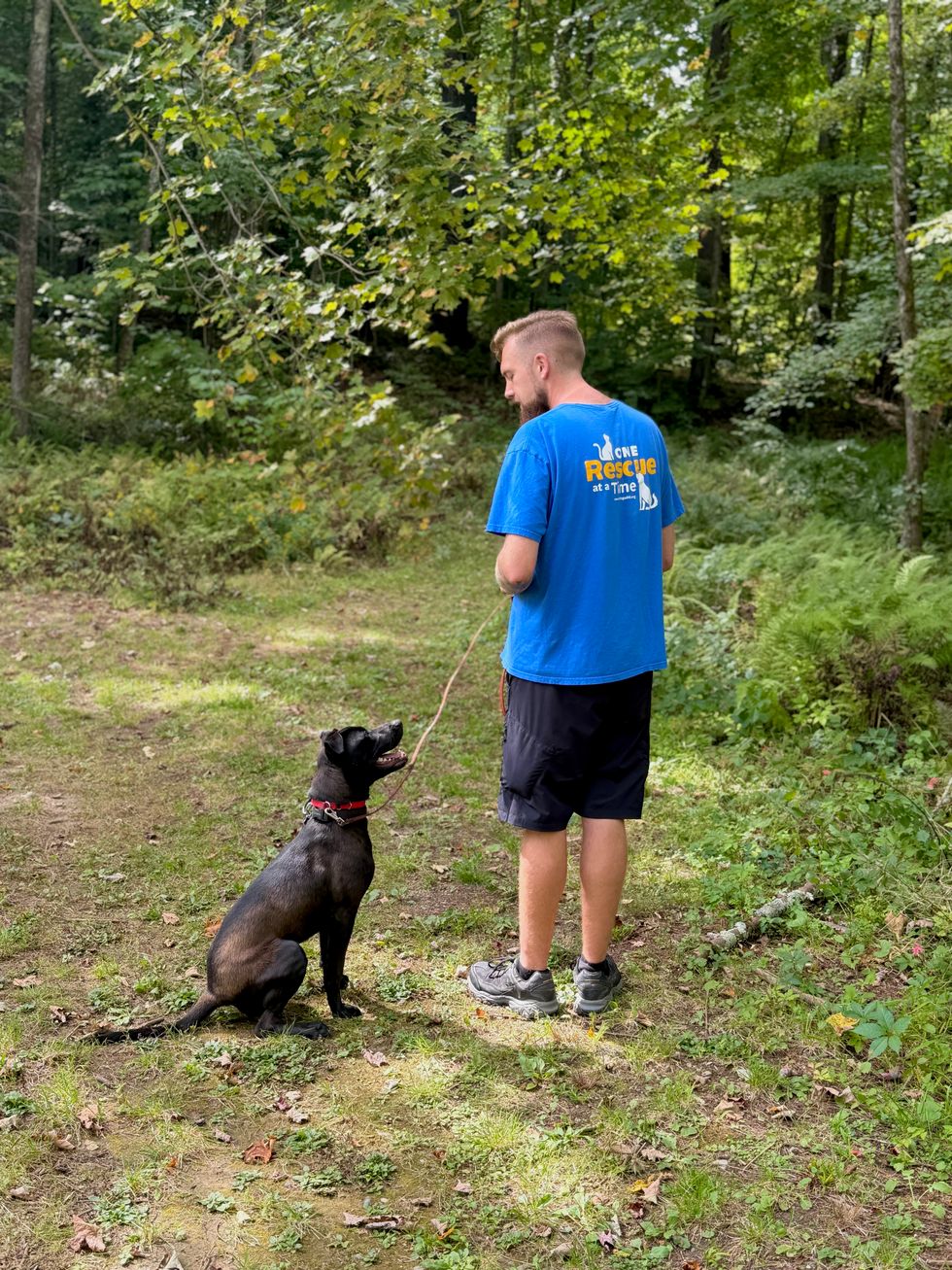 Michael DeBarba, certified dog trainer working with Marsala.Jennifer Almquist
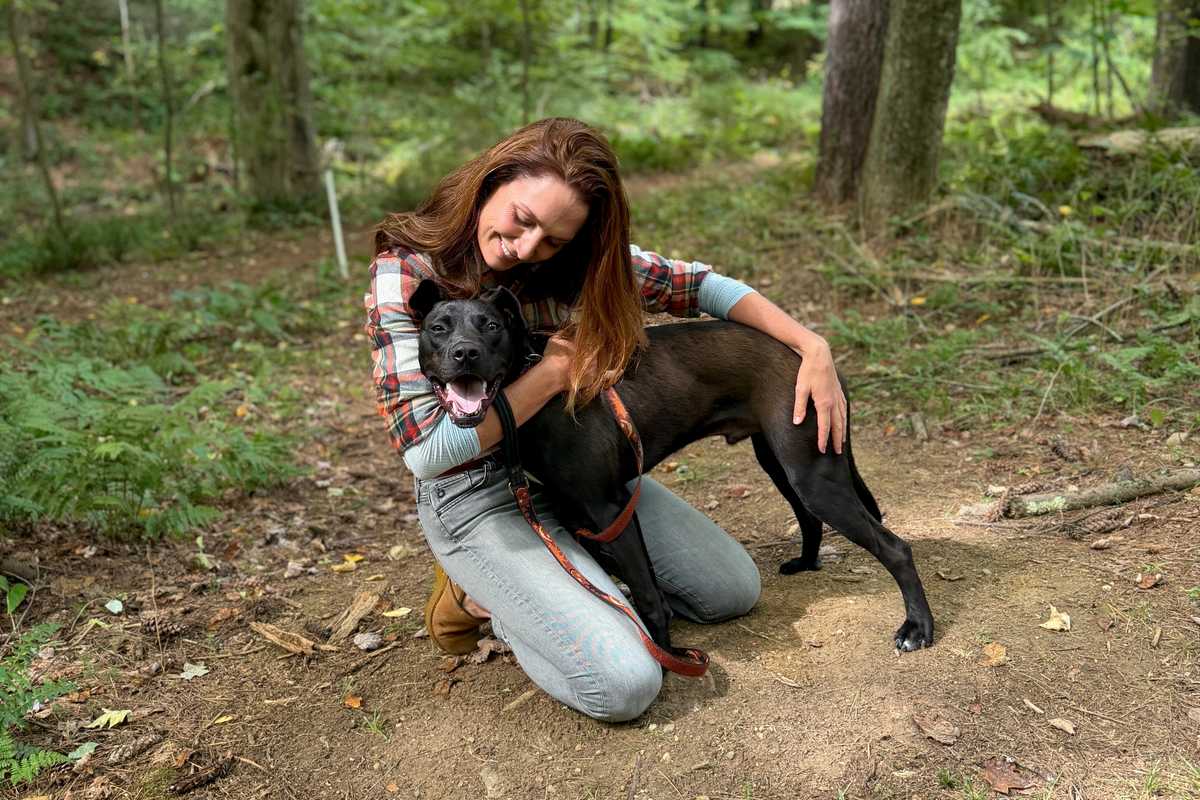 Marsala wins a heart.Jennifer Almquist

 Sadie, center, a Carolina dog, plays with her friend Negra, a terrier mix. Bella Linda, the small poodle, has since been adopted.L. Tomaino
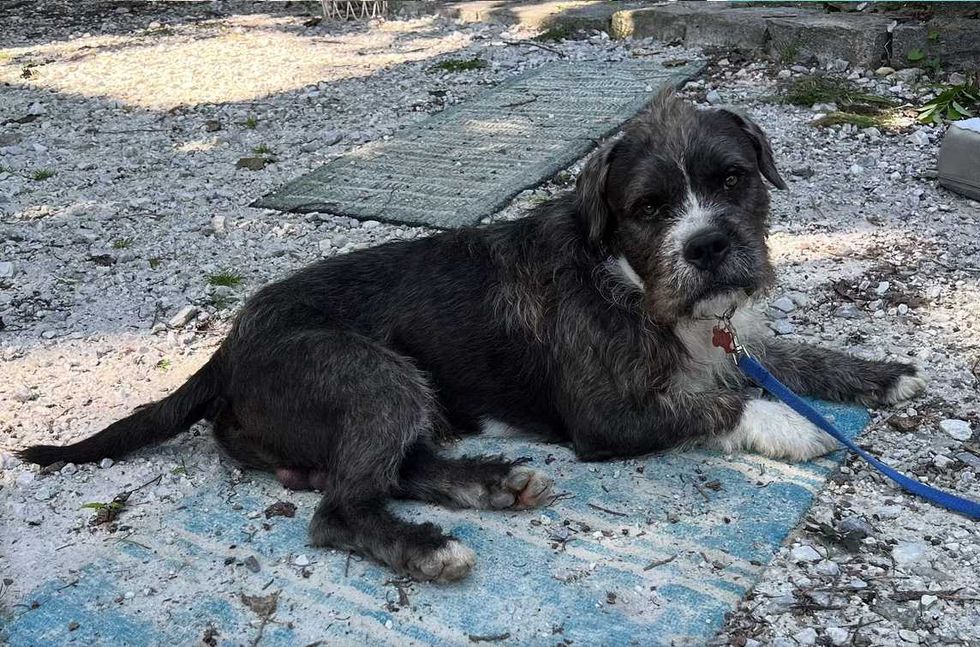 Wesley, a young, exuberant mix, is looking for an active home.L. Tomaino
 Bonnie and Clyde, an affectionate terrier pair.L. Tomaino
 Provided