FALLS VILLAGE — Jennifer Epstein Rudnick, a National Park Service ranger in Washington, D.C., and the author of “Search for the Signers: Visiting the Graves of the Signers of the Declaration of Independence,” said that finding the graves of the signers turned out to be more complicated than she initially thought.
For starters, it was by no means clear that the actual remains of some of the signers were actually beneath their gravestones.
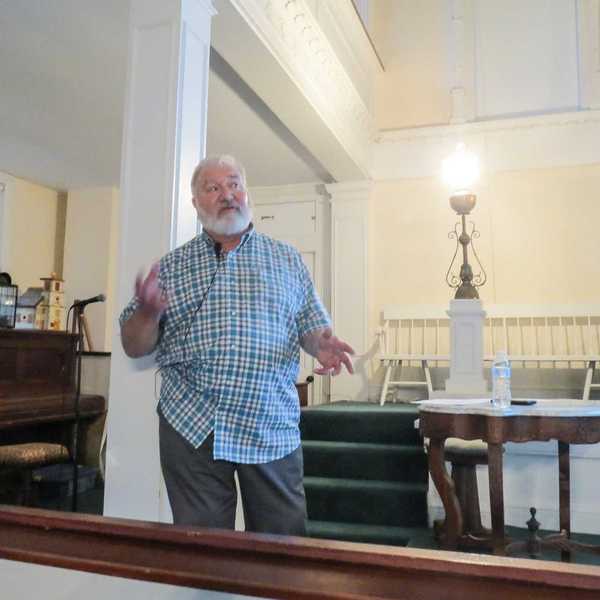
Rudnick spoke at the South Canaan Meetinghouse Tuesday, Aug. 4, as part of the Falls Village-Canaan Historical Society’s “First Tuesdays at 7” series of summer talks.
Rudnick is the daughter of The Lakeville Journal reporter Ruth Epstein and Ed Epstein, and grew up in Kent, attending Kent Center School and Housatonic Valley Regional High School (HVRHS).
At Gettysburg College, she met fellow historian Peter Vermilyea, who is the head of the Social Studies Department at HVRHS.
With the 250th anniversary of the signing of the Declaration of Independence, Rudnick said she came at the subject of the signers from a different angle.
“I wasn’t interested in them while they were alive,” Rudnick said. “What I ended up doing was looking for their graves. I figured I’d find them, take a photo. It wouldn’t be that hard.”
What began as an interesting but modest side project became more complicated.
“I realized that just because the stone was there didn’t mean the signer was in the grave.”
She offered some examples of irregularities she uncovered, starting with Thomas Jefferson.
Jefferson died on July 4, 1826, 50 years after the Declaration was adopted, and was buried at his home in Monticello in Virginia.
His remains are still there, beneath an impressive monument. His original headstone, however, is at the University of Missouri in Columbia.
Rudnick said the family graveyard at Monticello was plagued by visitors looking for souvenirs. They “chipped away at the original headstone” until it had to be removed.
The original eventually wound up in Missouri in recognition of one of Jefferson’s major achievements, the Louisiana Purchase, which included the territory that is now Missouri.
Closer to home, Roger Sherman of Connecticut is said to be interred in the Grove Street Cemetery in New Haven, where a headstone and monument bear his name.
But Rudnick quickly found a problem. “
“The cemetery opened in 1796. Sherman died in 1793. So where was he for three years?”
During her research, Rudnick found that while cemetery guides often provided the official version of who is buried where, cemetery caretakers sometimes told a different, more nuanced story.
In Sherman’s case, the caretaker told her that before the Grove Street cemetery opened, New Haven’s notables were buried on the town green.
As the town grew into a city and space became limited, graves and remains were moved. Mostly.
“He said there was no record of Sherman ever being moved “ to Grove Street, Rudnick said.
“He’s probably still on the green.”
In the case of Caesar Rodney of Delaware, the quest initially seemed straightforward. At Christ Episcopal Church in Dover, Delaware, there was a monument marking his grave.
Then Rudnick noticed a plaque on the cemetery wall stating that Rodney’s remains had been moved to the church yard in 1889 – more than a century after his death in 1784.
This time, it was the cashier at the gift shop and the local visitor center who provided the additional information.
As Rudnick bought a scarf bearing the names of all 56 signers, the cashier asked what brought her to the shop. After learning of Rudnick’s interest in Rodney, the cashier said “Oh, he’s probably not really there.”
“We think it’s a woman,” added the cashier as she completed the transaction.
Seeing Rudnick’s surprise, she elaborated.
When the remains were relocated from the family graveyard, those doing the moving were not sure if they had found Rodney. Popular opinion holds that it was a woman’s remains that were interred in Rodney’s new grave.
Rudnick asked if that was true, where was Rodney’s body?
“Under Runway Seven of the Dover Air Force Base,” she replied.


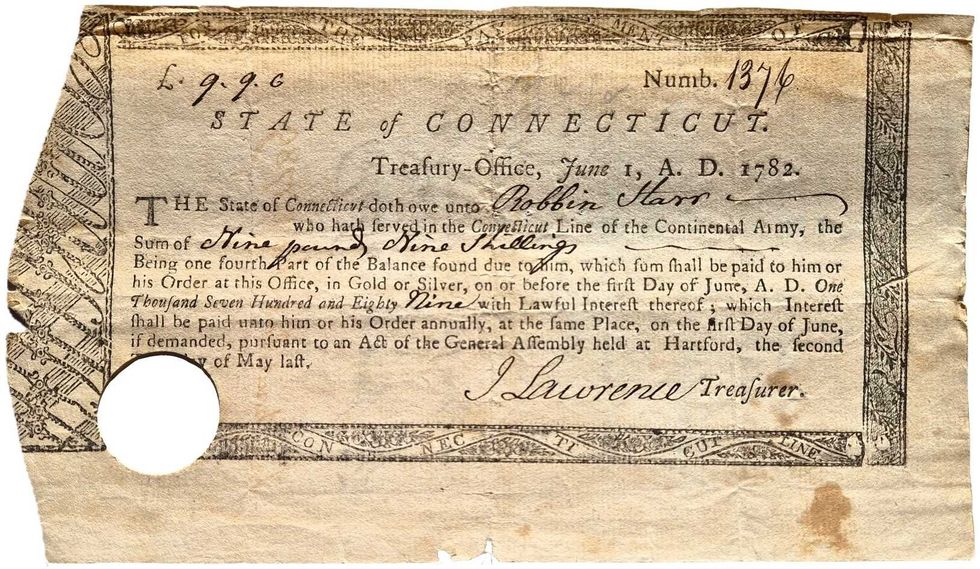 Pay Bill for Robin Starr’s service in the Continental Army.Courtesy the Alex Breanne Corporation
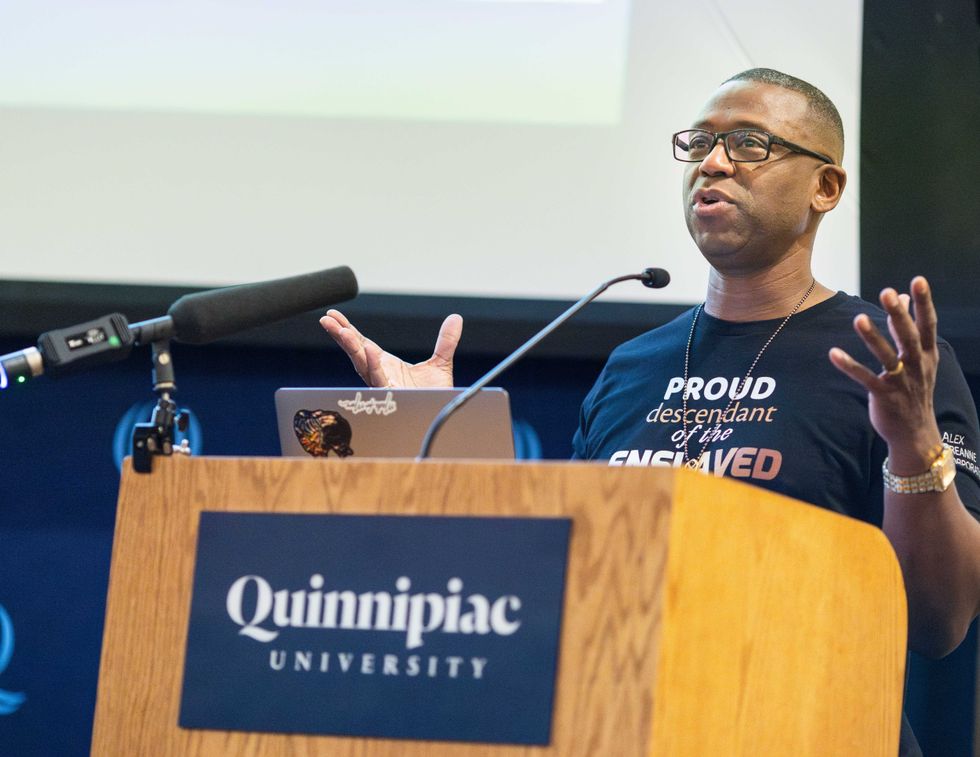 John Mills speaking at Quinnipiac University.Courtesy the Alex Breanne Corporation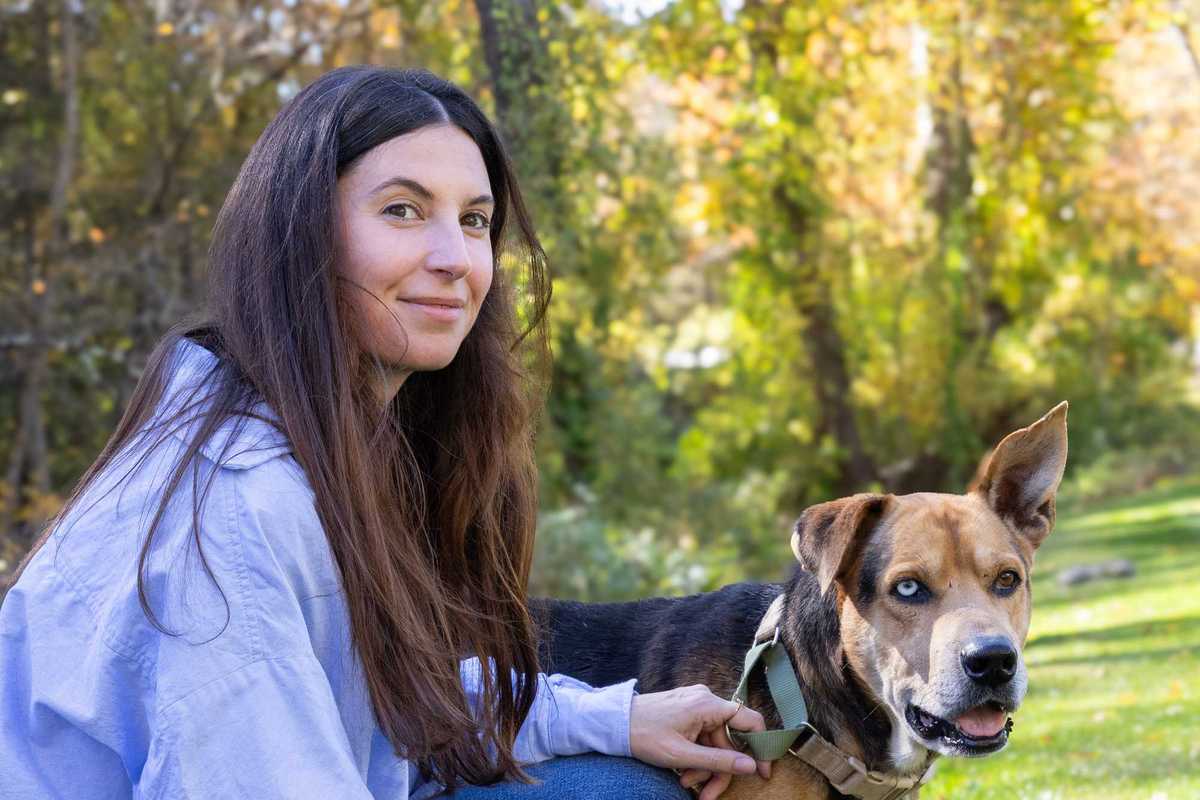
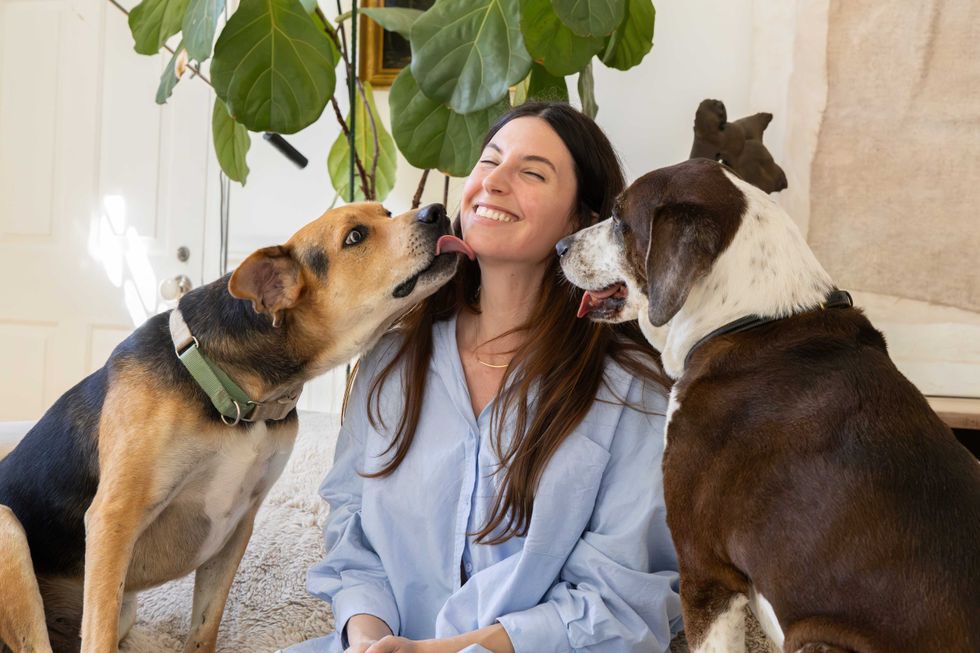 Stephanie Saetta,with her rescue dog George and Blue (left), a shepherd mix awaiting his forever home.Madi Long
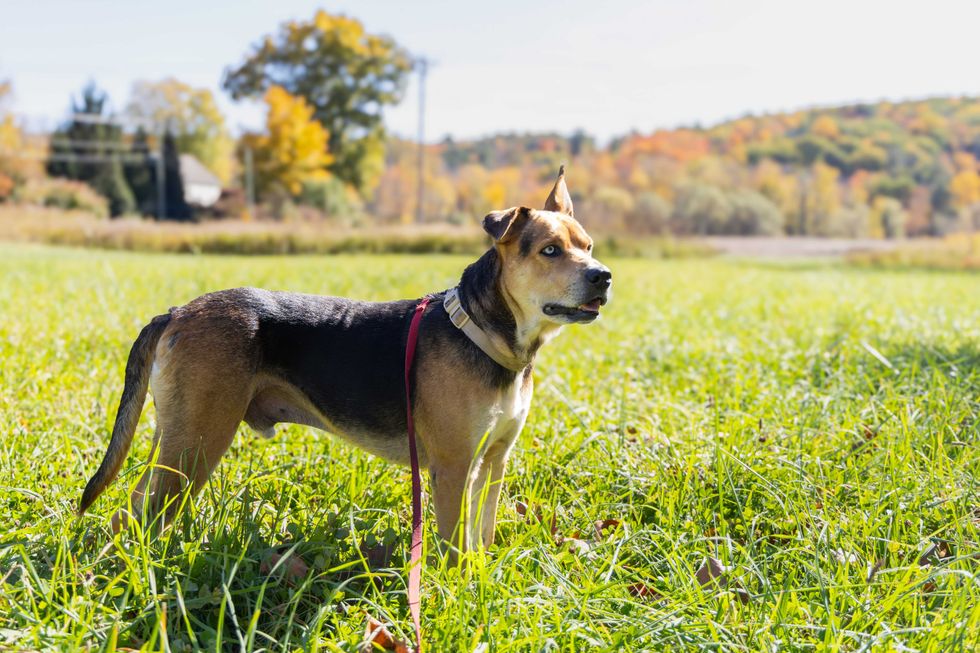 Blue, a 7 year-old Shepard mix, is waiting for his forever home. Madi Long