

Part of what’s been so magnetizing about the January 6th Committee hearings is the source video. You see footage of the crowd getting all riled up at the rally, then marching (some in military formation) upon the Capitol building, and then breaking into the Capitol, almost systematically. You observe the exultation and exhilaration of these lunatics: the screams, the costumery, the commitment, the sheer electricity.
These are people, you realize, seeking change — change and . . . more. A fundamental overthrow of government. Revolution seems so very near. You can watch them sensing they really might have, at the very moment they are being filmed, agency, pure, white hot: that their own actions can change things, shift power, change the American government — on this very day.
And why not? They are told so by the American president, the most powerful person in the world. Yes, they are building a gallows for the vice president. Yes, they are pepper-spraying National Guardsmen. And spearing police with flagpoles. They are criminals. Killers. But it’s action, they are taking action. Action for change.
The Big Lie, as it’s called, has a kind of batty nuclear energy packed into it. And the evil of the message gets amplified by the berserko right-wing ecosystem of information, which keeps every bit of it cycling around and around, powered by some kind of stanky Murdoch generator-centrifuge, looping it through the internet, radio and television 24/7.
Of the many lies that presidents, legislators and judges have told in my lifetime, the Big Lie may be the most nefarious. But almost all of the disgusting fraud and fakery that we encounter on the anti-progressive side is based on a lie. About nonwhites and non-men being second-class. About unregulated markets being able to solve all the world problems. About bleach stopping COVID. About our climate somehow ruining itself. And then there are decades, centuries, of giant lies about all the benefits of living in a totalitarian system, under apartheid, or under colonial rule. There are, in fact, a hundred big lies.
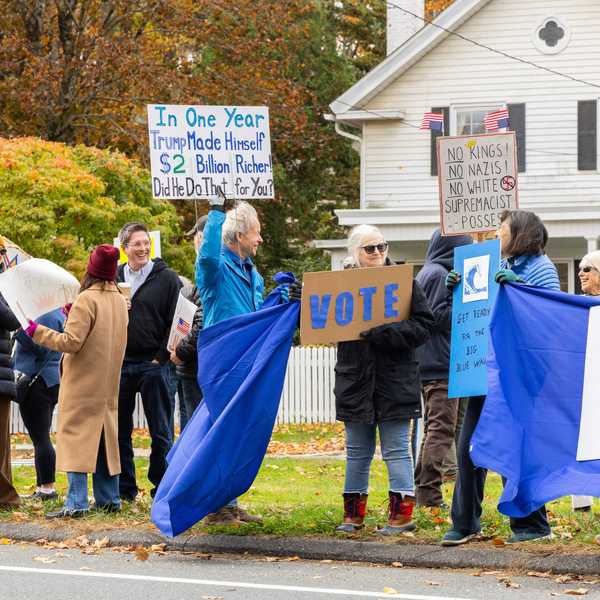
So as we stare at the screen, watching these yahoo crackpots ransacking the Capitol, I ask, why should we be ceding our sense of forward movement, progress, this exhilaration, to such people? Why shouldn’t we be marching, collectivizing, organizing, leading a charge as well — one that confronts all these wackos? Imagine, instead, our gathering on the Washington Mall. A march on the Capitol . . . but in support of facts! With placards, signs, and banners like: “Tobacco kills!” “The Earth is round!” “The sky is blue!” Our side needs to march — “Biden won!” — behind a movement called the Big Truth. I’m calling for — “Grass is green!” — fact marches! And truth rallies.
“COVID is real!”
Otherwise, everything is defensive at our end of the field. There are hearings, and there are courtrooms, there’s the process of due process and waiting for the arc of justice to bend. We need truth rallies! Fact marches! Now. This is the sense of collective action that the left and progressives had nurtured for decades. This is the real revolutionary spark for our side of battle.
This is the revolutionary power of a fact!
If we were marching, it would be covered by the media and thus, in turn, televisual, too. TV critic James Poniewozik wrote that “Trump got elected. But TV became president.” It’s really true. We have to get out there. The judge in Alex Jones’s Connecticut trial berated him for his behavior in the courtroom. “This is not your show,” she said. She was right. But, now we’ve let the show get away from us.
The show is now the video of maniacs storming Congress. The nine January 6th Committee hearings featured 30 hours of live statements and witness testimony — and clips from thousands of hours of raw video and audio. The volume of material that the January 6th Committee has had to sift through is unprecedented: according to one former committee staffer, 20 million items. And the volume of video — extraordinary. From the Capitol building’s closed-circuit cameras on January 6th alone: 14,000 hours. Fourteen thousand hours of video evidence — from one source! Then there’s the news camera footage, the cell-phone footage, the police body-cam footage, and more.
But the footage that I most want to see? Columbia University cultural historian Anthony Delbanco writes about the end of World War II, a time when, confronting their complicity in the Holocaust, people in Germany “wished not to see and not to know.” “When American troops reached the town of Gotha in central Germany in the spring of 1945,” he writes, “they found on the outskirts a ‘work camp’ complete with facilities for torturing and executing inmates unwilling or too weak to work. When the citizens of Gotha denied having known what was going on in the camp, General Eisenhower issued his now famous order that ‘all men, women, and children be turned out at bayonet point to parade through the camp and form work parties to bury the dead.’”
He made them march through the horror. O, how good it would be to make all the marauders convicted of crimes at the Capitol that day — and all of the Trump cabinet members and advisors who ordered them in — marching through the densest of the red states, admitting they lied and atoning, in public, for their complicity in the attack on democracy.
One day, video images and sounds will have footnotes, so we can verify video we see and audio we hear just like we do with the text we read. That will improve everything, just like print footnotes did for the progress of law during the 18th-century so-called Age of Reason.
Until that day, let’s get out there, in front of the cameras. “Gravity is real!” “The sky is blue!” Fact rallies! Spreading the Big Truth.
We could even use some of their signs — like, “Stop the steal!”
Start marching.
Peter B. Kaufman works at MIT. He is the author of “The New Enlightenment and the Fight to Free Knowledge” and a new book about knowledge institutions in the age of Trump.
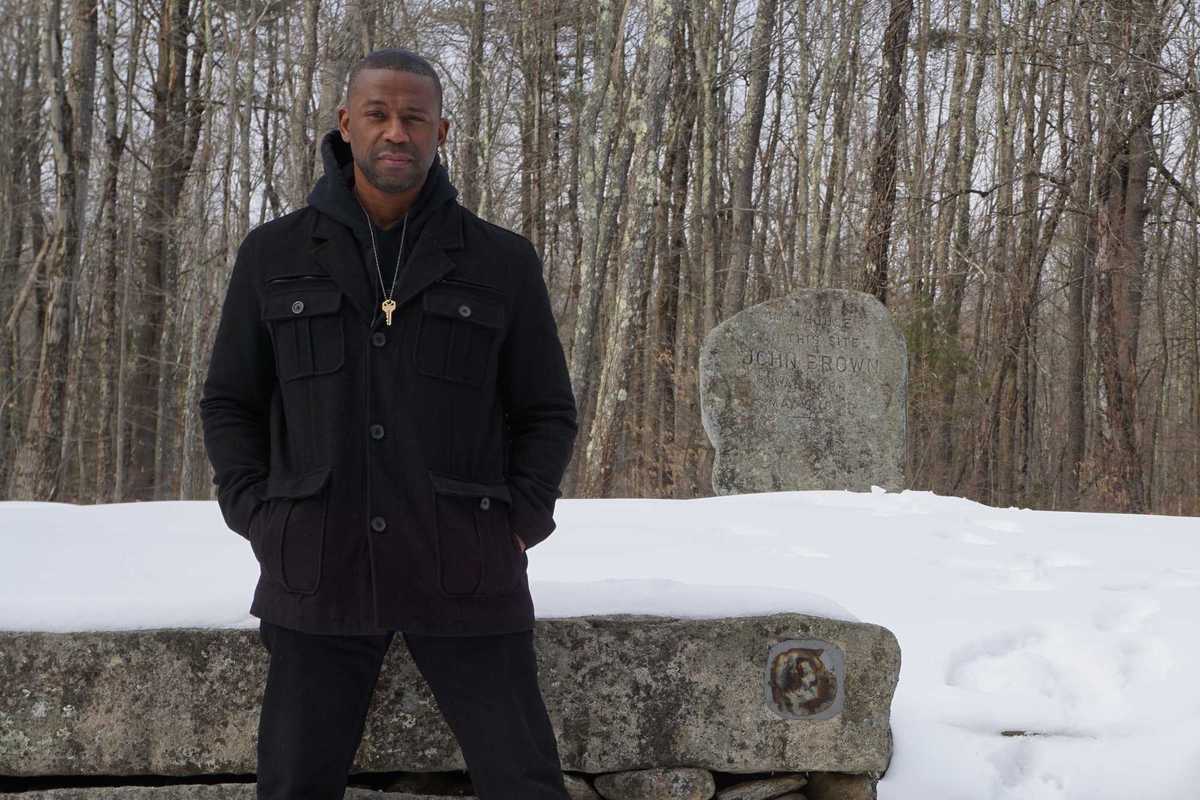
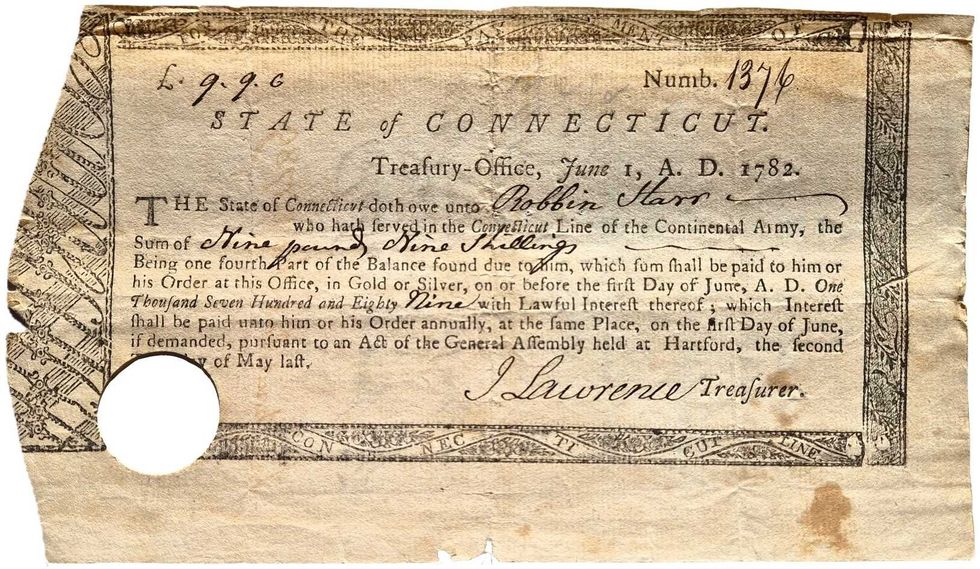 Pay Bill for Robin Starr’s service in the Continental Army.Courtesy the Alex Breanne Corporation
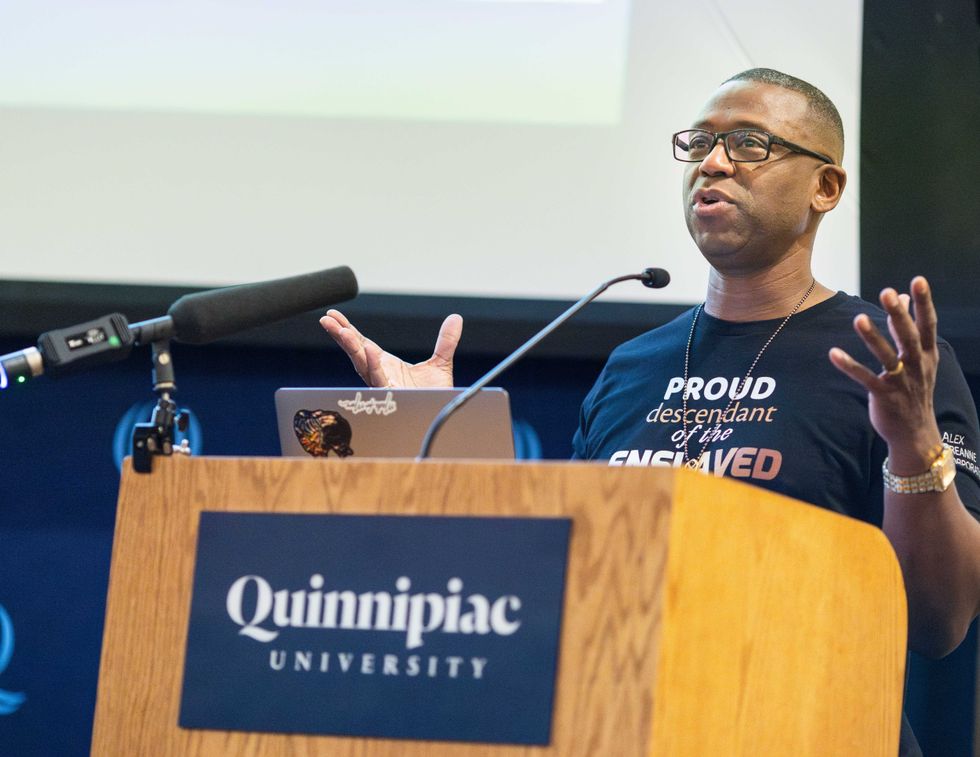 John Mills speaking at Quinnipiac University.Courtesy the Alex Breanne Corporation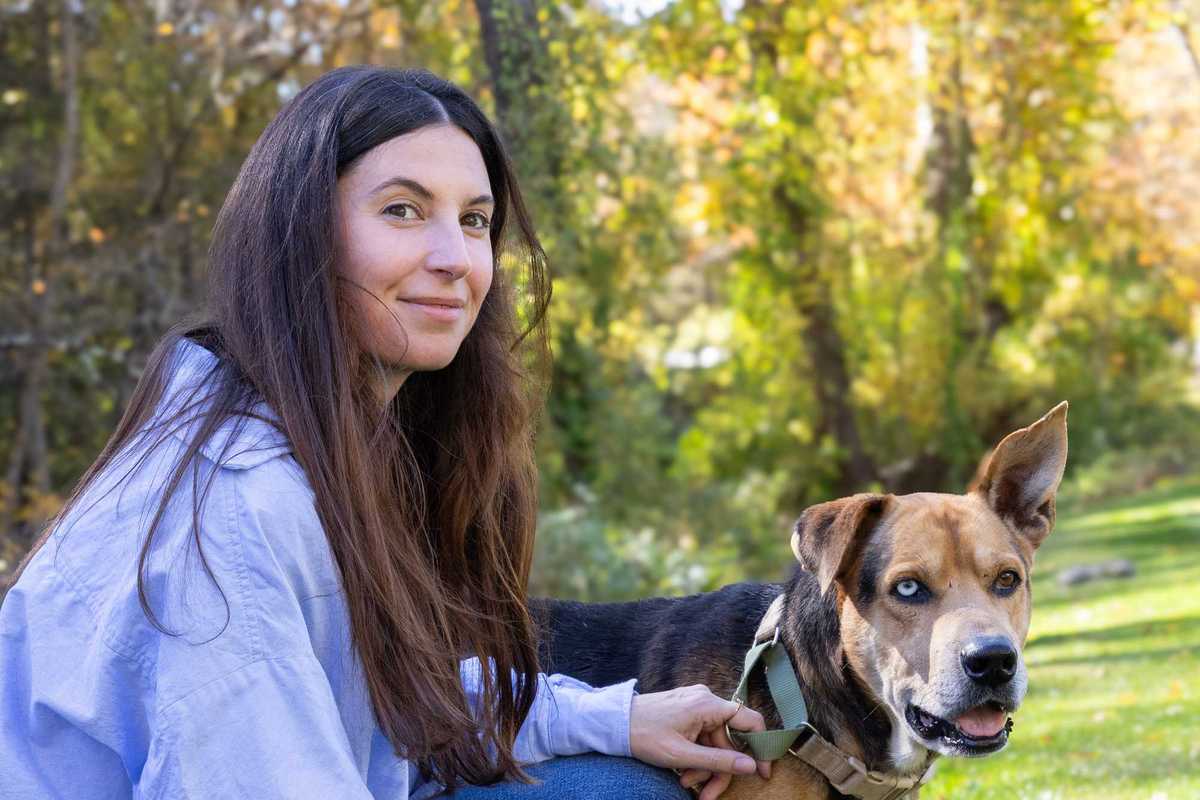
 Stephanie Saetta,with her rescue dog George and Blue (left), a shepherd mix awaiting his forever home.Madi Long
 Blue, a 7 year-old Shepard mix, is waiting for his forever home. Madi Long







The Big Truth