

In articles covering the June closing of the Materials Innovations and Recycling Authority (MIRA) plant in Hartford and in a recent editorial, The Lakeville Journal rightly identifies an imminent crisis with the disposal of Connecticut’s garbage. For over 40 years, Connecticut has been burning most of its garbage within the state at any one of five waste-to-energy plants (incinerators), all of which are aging and declining in efficiency. With the MIRA plant closing and the others over capacity, much more of the state’s garbage will be transported out of state. There is a way for area households and businesses to take positive action on this problem: make less garbage.
Diverting food waste from the garbage hopper is one obvious solution. Nearly a quarter of all landfill space is taken up by food waste. Annual food waste per person is over 200 pounds. Additionally, food waste is wet and heavy; it increases the weight of each load of garbage. There is a $105 per ton tipping fee right now and that figure will likely increase as the need for landfilling rises. When wet, heavy food is part of the garbage going to an incinerator, it decreases the efficiency of the high-temperature burn system. And when that wet, heavy food is part of the garbage dumped at a landfill, methane gas is released as food waste decomposes in anaerobic conditions. It is a waste disposal situation that needs fixing.
The manager of the Salisbury/Sharon Transfer Station with the support of the towns’ First Selectmen and the Transfer Station Recycling Advisory Committee (TRAC) decided to test the waters of a food waste diversion program with a small pilot program. They found an eager group of residents from the two towns to give it a try. Currently, 120 households in Salisbury and Sharon are participating in a pilot food waste program started in May of 2021. By all accounts, those in the pilot program have discovered how little garbage they produce and how little that garbage smells. From the pilot group alone, close to 12 tons of food waste (including meats, leftovers, and dairy), has been diverted from the station’s garbage hopper. The totes of food waste are collected and hauled to a licensed commercial composting facility in New Milford.
Imagine what our area could do if all the food-generating institutions – from restaurants, schools, and nursing homes to the hospital – were to take part in food waste diversion. Those businesses and institutions need strong encouragement to explore their options, so if you can do so (as parent, teacher, employee of health care facility, administrator, board member, or concerned citizen), make yourself heard.
There is a chance for our corner of Connecticut to make a big impact on reducing the amount of garbage trucked away for disposal. There are several strategies and ideas under consideration: expanding the current pilot program to all Salisbury and Sharon residents who want to participate, encouraging institutions to develop food waste diversion plans, exploring in-vessel composting equipment, supporting the development of a northwest-corner commercial composting facility, coordinating collection with neighboring towns to reduce hauling costs, and promoting backyard composting. Whether food waste finds its way to nonprofit businesses feeding hungry people, to farmers who feed their animals, or as is most common, to commercial composting facilities, the result is always better than food waste in the garbage. For the pilot group at the Transfer Station, the food waste becomes nutrient-rich compost which replenishes the soil of Connecticut farms and gardens.
The biggest challenge in implementing food waste diversion is making it economically sustainable. The State of Connecticut, through the Department of Energy and Environmental Protection, is committed to helping meet that challenge, but Salisbury and Sharon have not received grant money to date in order to develop a larger-scale program.
Until there is better news about an expanded food waste program in Salisbury and Sharon, or development of programs in nearby towns, do whatever you can to make less garbage. It is a non-political and civic-minded action to take.
Barbara Bettigole is Chair of the Transfer Station Advisory Committee. As a certified UCONN Master Composter, she has visited classrooms, farmers markets, and fairs to share information and demonstrate backyard and worm composting. She lives in Lakeville with her husband Rob.

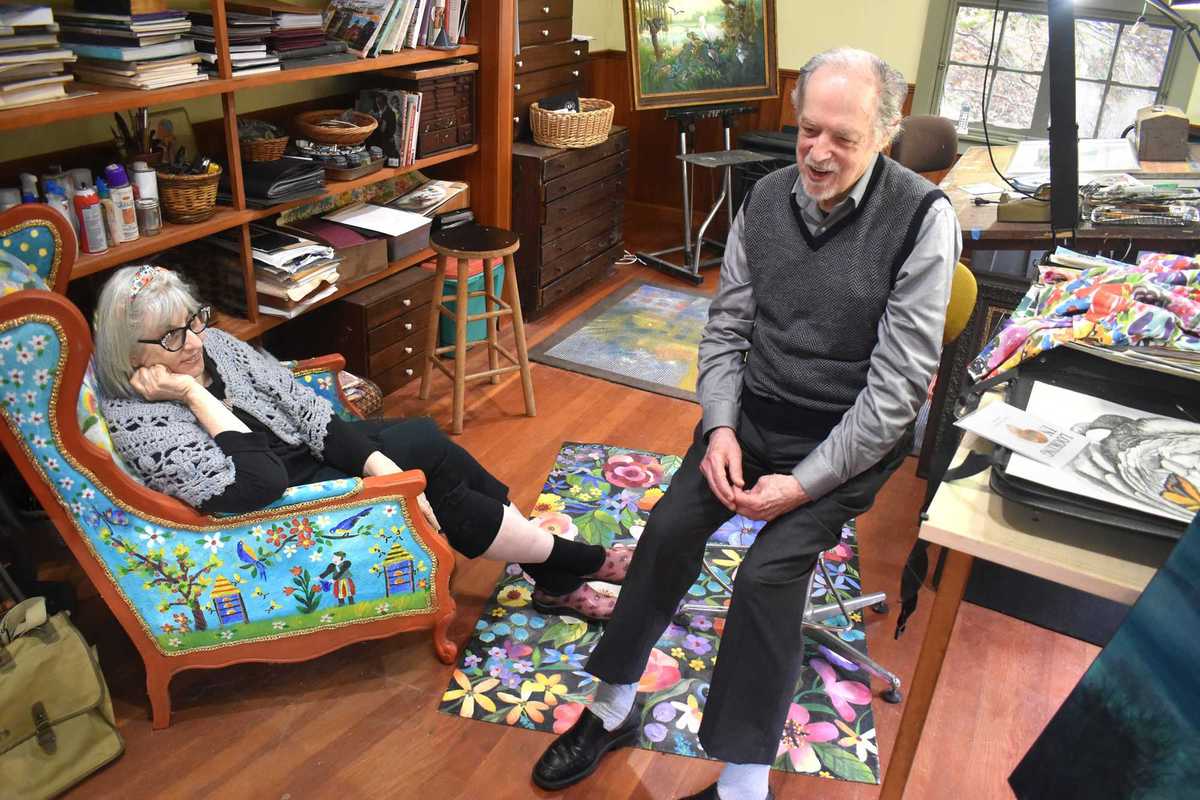
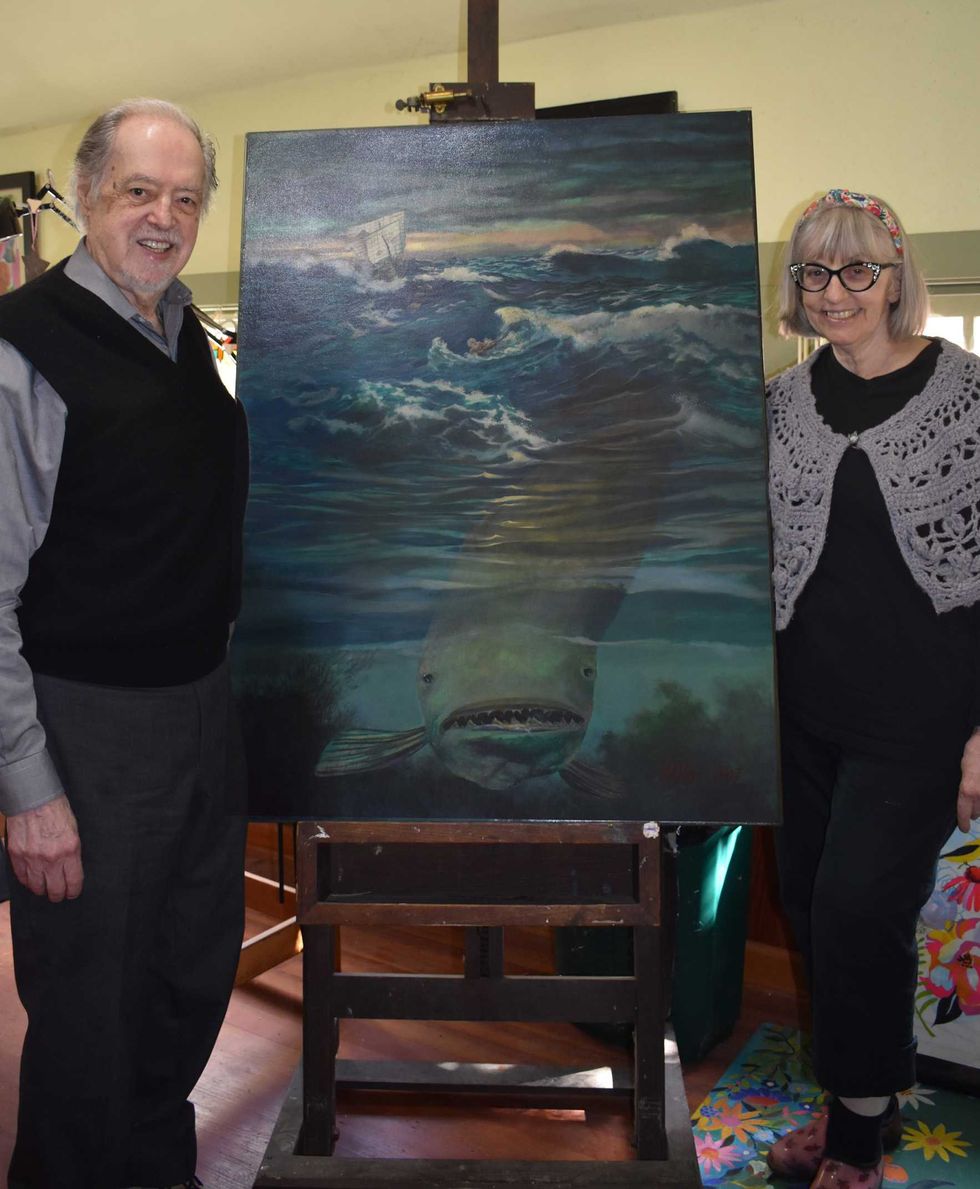 Justine and Victor Valla in their studio with a painting of Victor’s,”Jonah and the Whale.” Robin Roraback

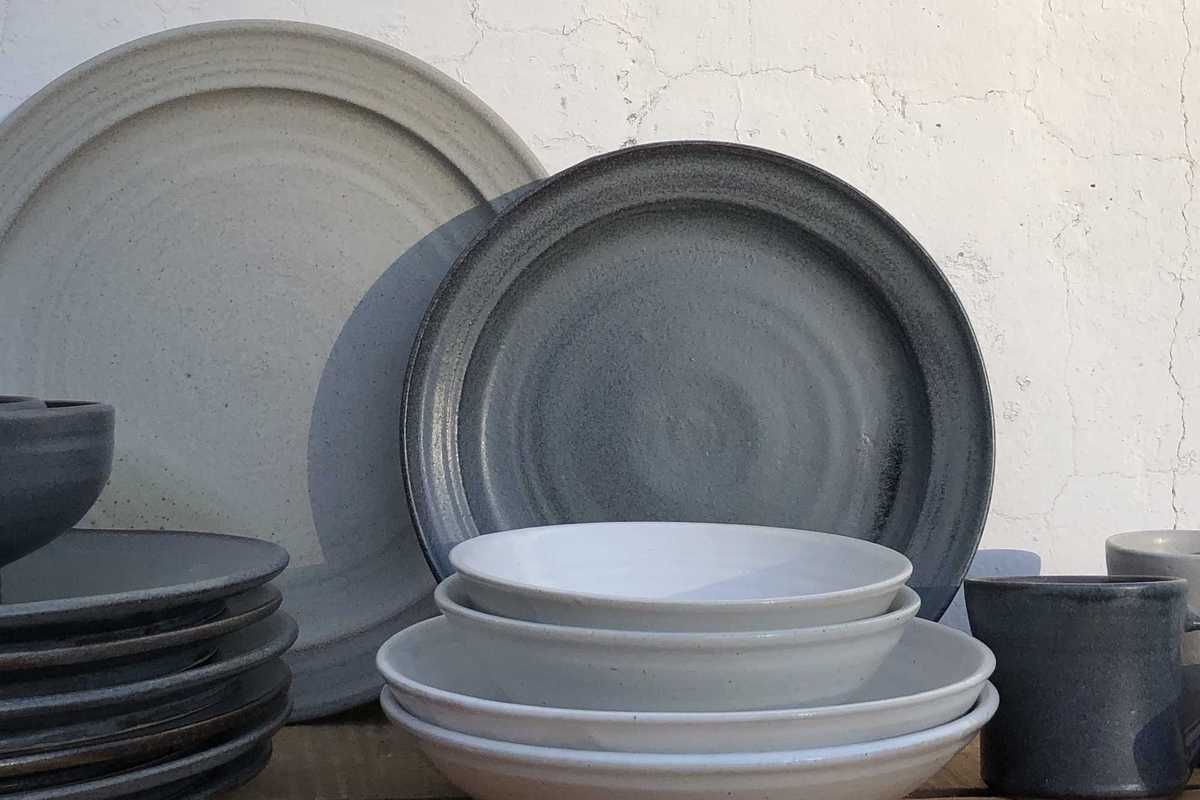
 A ceramic vase by Kathleen Heidemann.Provided
 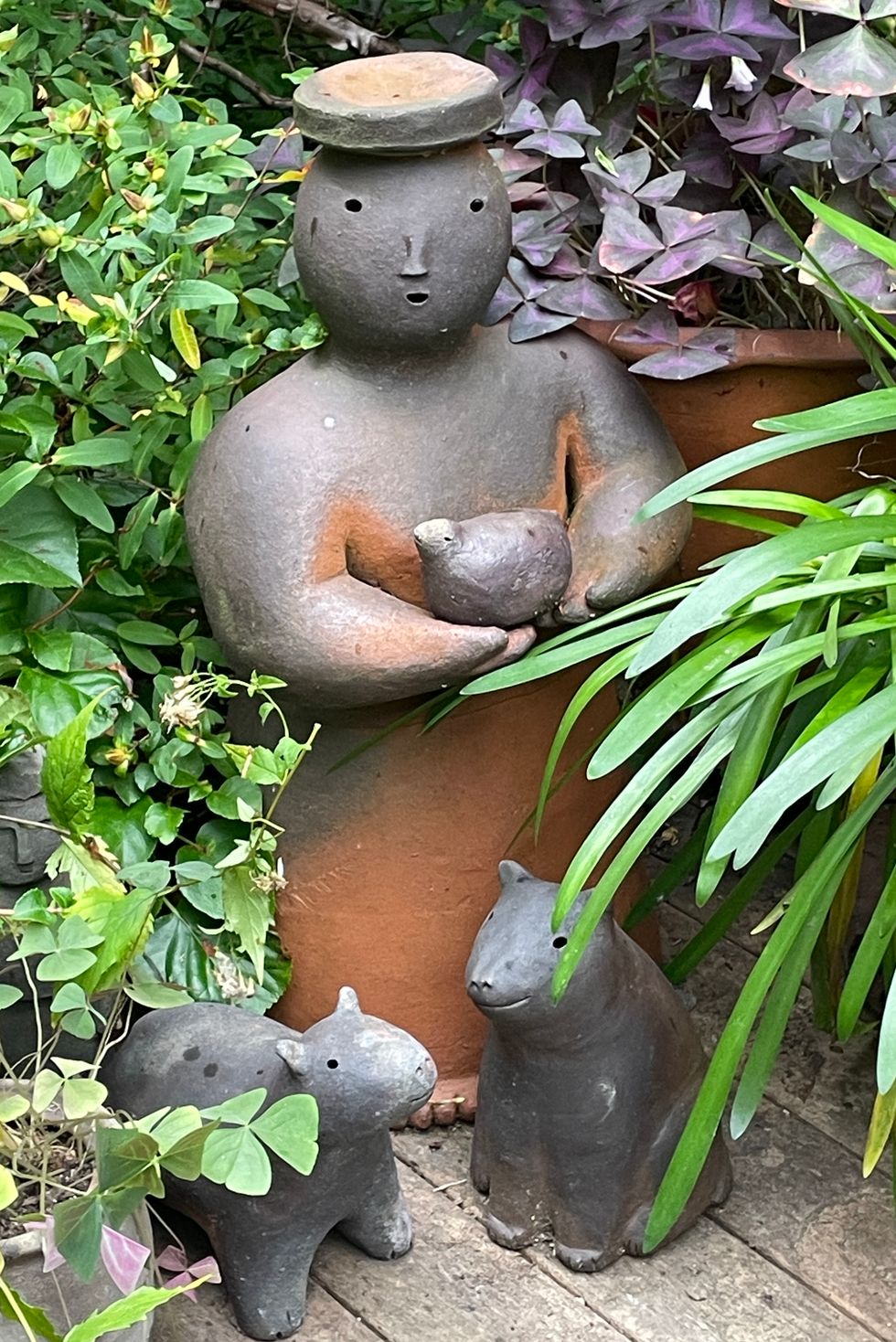 Joy Brown’s delightful ceramic sculptures.Provided
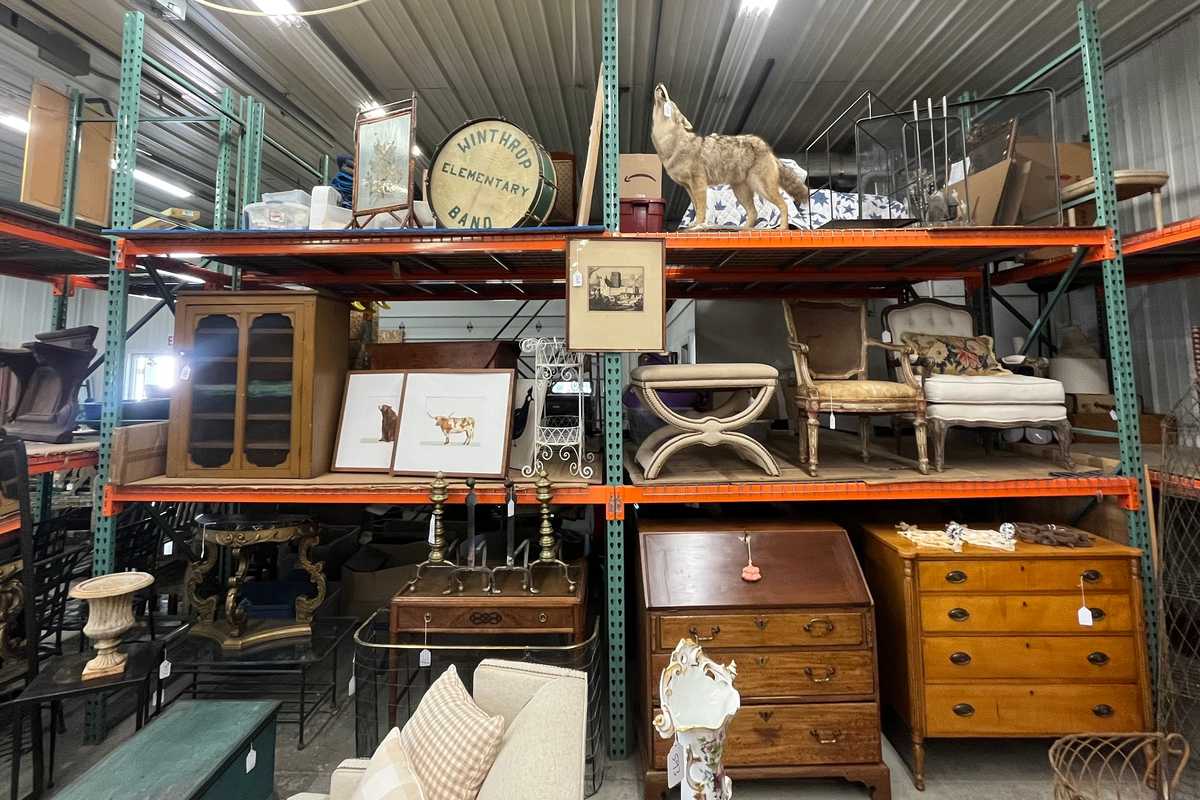
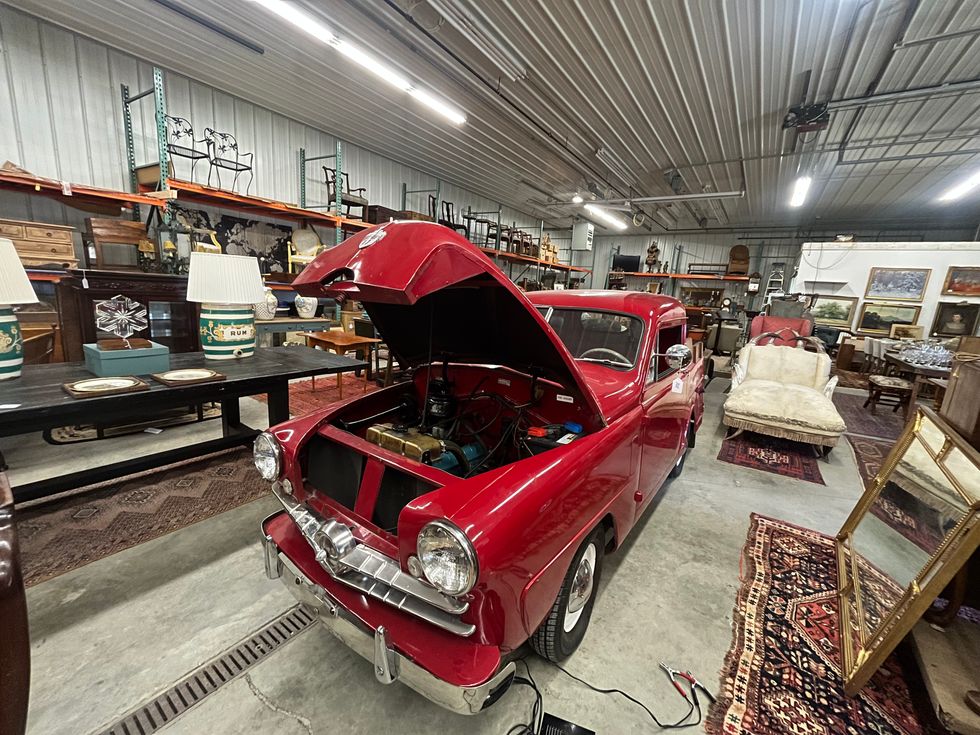 Hundreds of items at Stateline Auctions, including a candy-apple-red Crosley pickup truck.D.H. Callahan



Food waste collection
Make Less Garbage, Part I