Historian Betsy Strauss has compiled letters from Harlem Valley soldiers (most of them from Amenia) that were sent home from the front.
Thanks to Strauss and North East Historical Society President Ed Downey of the Downey Family Archives for these letters.
These are edited sections of those letters, which can also be found at www.ameniahs.org, and in The Millerton News and online at www.tricornernews.com.
Charles Benham explained why so many put their lives on hold and traveled across the sea to fight “The War to End All Wars.”
He wrote that in the night, Germans had dropped bombs that lifted “the roof off all houses in the vicinity … one belonged to an old woman who had recently lost her two only sons in the war. So you see there are worse things than living in America just now — it is something that every soldier here is glad of, that their people are spared some of these incidentals of modern war.” (Sept. 28, 1918)
A thoughtful Benham wrote that he was exposed to British and French, who “seem to think quite differently;” and to “groups of soldiers with their big turbans … in fact, every species of man on the face of the globe.”
Watching German prisoners, he concluded, “I had somehow gotten the feeling that I was going to see some kind of two-horned monsters in the ones over here. But I have seen some mighty fine and apparently brainy men among them.” (Sept. 2, 1918)
No matter their feelings, fear and death were constant companions as these Doughboys from rural America passed through barren landscapes and down lonely roads.
In his War Diary, Willard Joray wrote of a “spooky atmosphere” with “abundant” dead horses and entire villages destroyed, with only a church standing to “tell the passer-by where once lived human beings.” (Sept. 25, 1918)
After seeing a British scout plane crash, he mused, “As they came down I wondered what they were thinking about — if they were thinking. They were both killed.” (Sept. 13, 1918)
Joray wrote further of the random fates of those fighting a war. Searching for wine in a village but finding only milk, he marveled, “We were only out of the town two minutes when six bombs were dropped, killing several French women and completely wrecking two homes.” (Aug. 24, 1918)
Just before the armistice, two town of North East soldiers, William J. McLaughlin and John K. Smith, were killed within miles of one another. McLaughlin’s sister received the following letter from a fellow Marine:
Dear Mrs. Diegnan:
Am writing you as a friend of your brother. We promised to write for each other. He was killed Nov. 1, at 6:30 a.m. just as he went over the top, on the Meuse and Argonne front.
He had just fired a machine gun barrage for the infantry to advance and then we started forward. He was leading us through a storm of German shells when he was hit. I was only 30 feet behind him and when I got to him it was all over.
So thank God he didn’t suffer and he was not mangled like so many.
He had charge of my squad since the St. Mihiel drive. After all he went through it seems hard to think that there were but 10 days more, and this his fate.
I have a remembrance which he got in Chateau Thierry and will mail it to you. He carried it ’til he went into the last drive, and gave it to a teamster to keep for him but I have it now.
His friend, Guy E. Moore
P.S. Please accept my deepest regards from the 77th company. Mrs. Diegnan, many have paid the price but none more brave than he. He was loved by his company.
In many letters, soldiers tried to send home a cheerful picture of conditions.
Joray wrote, “Such a golden dreamy day. The towering beeches are in their autumn dress. I endeavor to dream myself back to the Berkshire hills. How wonderful they must be at present.” (Oct. 5, 1918)
But in his War Diary, Willard Joray made the day-to-day privations clear.
“Arrived at St. Genevieve. Found the town in terrible condition, but inhabited. I am sleeping in a dirty room on the floor tonight. I understand that many spies are operating in this town.” (Sept. 5, 1918)
“Heavy firing all night and today. Cold rain and the mud is ankle deep. I have wrapped my ankles and legs with burlap which helps some.” (Sept. 12, 1918)
“I will never forget this morning… We were all wearing our gas masks. Couldn’t see a foot ahead of me. The roads are nothing but sticks and logs laid down… Dawn finds me propped against a poplar tree and I sleep. We are all very tired and very dirty.” (Sept. 16, 1918)
Ten days before the Armistice Joray wrote, “Oh! What a wretched barren country. The trees have been mowed close to earth by a severe barrage and the roads are in terrible condition. We are dead tired and it’s an easy matter to fall asleep leaning against a wagon wheel. Flashes along the horizon warn us that we are to have a taste of something before long.” (Nov. 1, 1918)
The soldiers thought often of those waiting for them to return.
Clifford Reed wrote: “Sunday, 2:45: that means it is a quarter of nine at home. I wonder what you are doing. Maybe you will take a spin in the Buick and go to Millbrook. I wish I could be with you, but I never mind. I sure will make up for lost time when I get home… You are continually in my thoughts, and I am praying that God will be with you until I come back to you. I know you must worry a lot, but, little Mother, I assure you that I am in good hands, and am in good spirits, as well as in good health…Your ‘soldier boy’ is well and happy.” (April 1918)
He sent another letter assuring his mother that, “I am feeling fine and all that worries me is that you are worrying about me. Don’t do it, Mother Reed. Your boy is all right. Have Pop take a cottage on one of the lakes and go there and have a good rest. He could go back and forth in the car, the same as we did a couple of years ago… My thoughts are with you all the time. How I love you all and am hoping the time when I can be with you again will soon come.” (July 17, 1918)
Finally, his hopeful words: “We hear good news every day now and everyone seems to think that our work ‘over here’ may soon be over and we will be on our way back to the good old U.S.A. before long…then what won’t I do to those old-fashioned fritters and maple syrup that mother makes and homemade sausage and pancakes won’t go so bad either.” (Oct. 5, 1918)
The armistice was signed a month later, at 11 a.m. on Nov. 11, 1918.
‘Glad news’ from France in 1918
This is a portion of a letter from the Downey Family Archives written by James Downey, uncle of North East Historical Society President Ed Downey (originally printed in the Millerton Telegram on Dec. 22, 1918).
Somewhere in France, Nov. 12, 1918
Dearest Mother and all,
We have at last received the glad news that Germany has accepted our peace terms, which I am certain will mean the end of the war. I well realize that this is not news to you, but you can bet it is welcome news for us. We have done some awful fighting during this past few weeks and that is what really brought it to an end; had they not come to terms as soon as they did, we would soon be in Germany.
The weather has been fearful for advancing but that little worried us. We marched in mud up to our ankles over the country which they hurriedly left behind. We are now located near a town which they left a few days ago; they left a large amount of jam and bread, besides large quantities of other things. We are enjoying ourselves on their bread and jam, which is not half bad. It indeed tastes good for we have been practically living on iron rations since we started the drive, which is about two weeks ago.
You should see us going along the road eating green cabbage, turnips, beets, carrots and all other kinds of other vegetables that they left in the gardens behind. This noon we had cabbage, boiled bacon, crackers, good American bread and coffee … They have large fields of cabbage and other vegetables so we never have to worry about something to eat.
Since we started this drive we have slept in all kinds of places. The first day it was cold and rainy and we hiked until 11:30… the traffic was tied up and we were stuck on the road on a steep hill … on account of moving the infantry up in trucks to overtake the Germans, who we have since learned left in railroad trains, blowing up the tracks after they left.
When we could not move any farther and as we were all muddy and wet, we decided to find some places to stay for the remainder of the night. The ground was too wet to pitch a tent, so two other fellows and myself went into an old house that was practically all knocked down from shells… I made a bed out of boards and machine gun ammunition, as that was the only thing I could find to lay on, for that house had been formerly used as a German machine gun nest.
I awoke at 3, nearly froze to death for my feet were wet when I went to bed. Someone just said roll pack so I will finish later. God only knows where we are going, but I believe we are started for our long journey home.
Hoping to be with you all by Christmas, I will close with love and kisses.
Your Loving son,
Jim
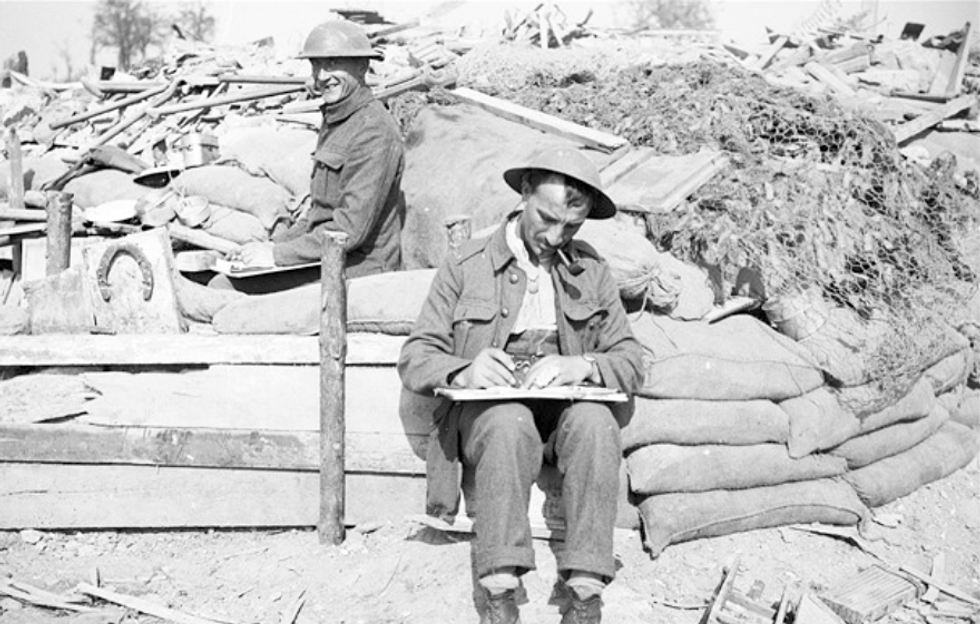
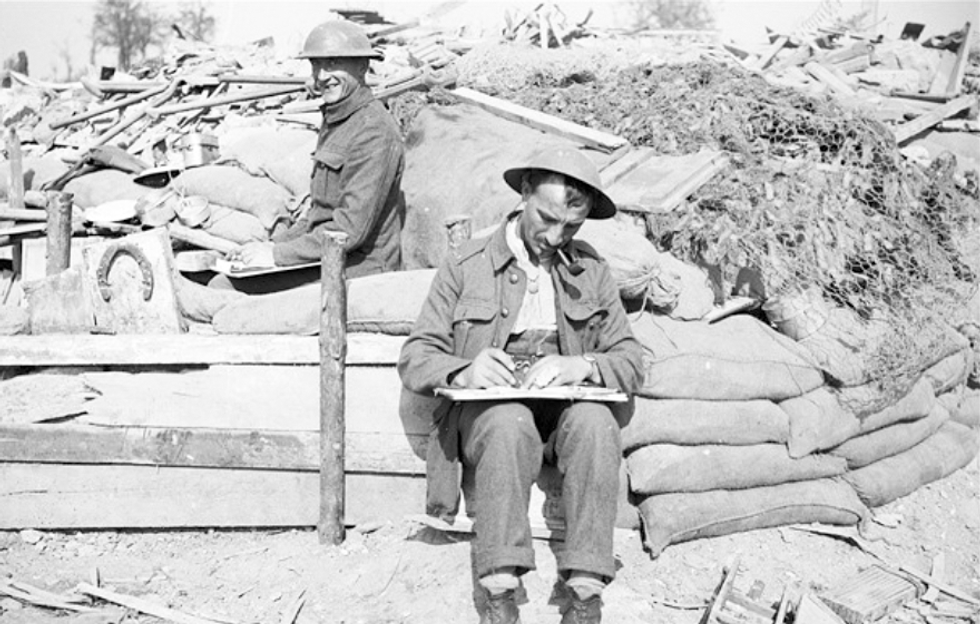
One of the small miracles of World War I (and later wars as well) was that soldiers were able to send letters home from the front (and receive replies from their loved ones) even though they were often sent from trenches and bombed-out villages. Letters sent home by Dutchess County soldiers were compiled by historian Betsy Strauss. Photo submitted
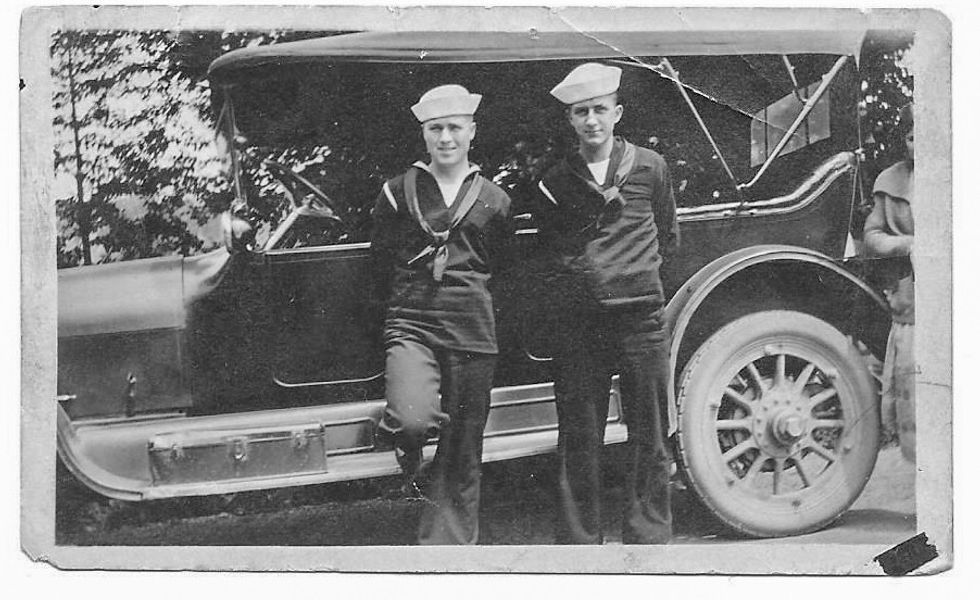
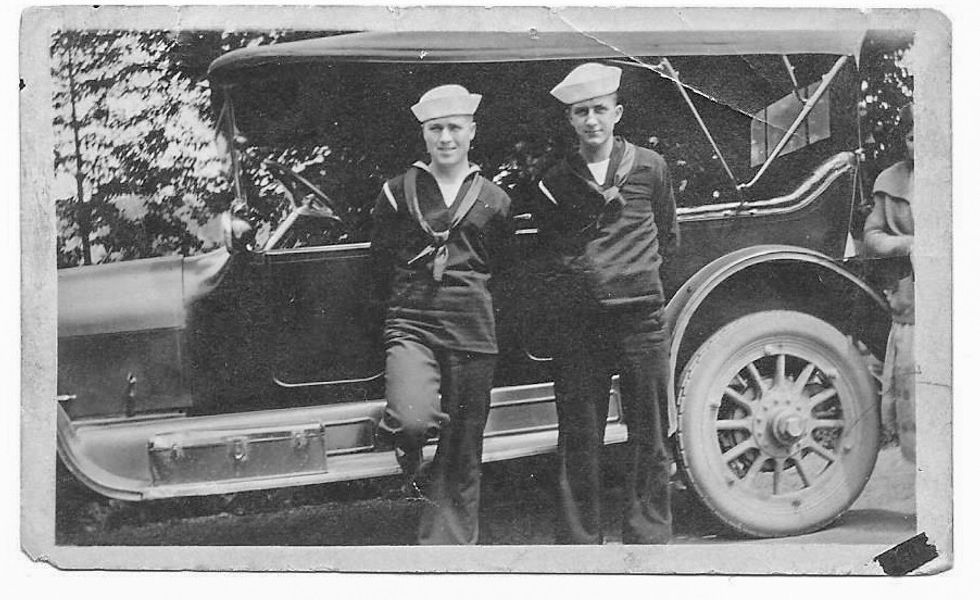
Millbrook’s Francis Dean and William Kain, before they left to serve in the Naval Coast Defense Duty, two of approximately 10 young men from the village in the Army or Navy. From The Millbrook Roundtable July 17, 1917, thanks to Jack Dean, New York, N.Y., and the Millbrook Historical Society Archives. Photo courtesy Jack Dean
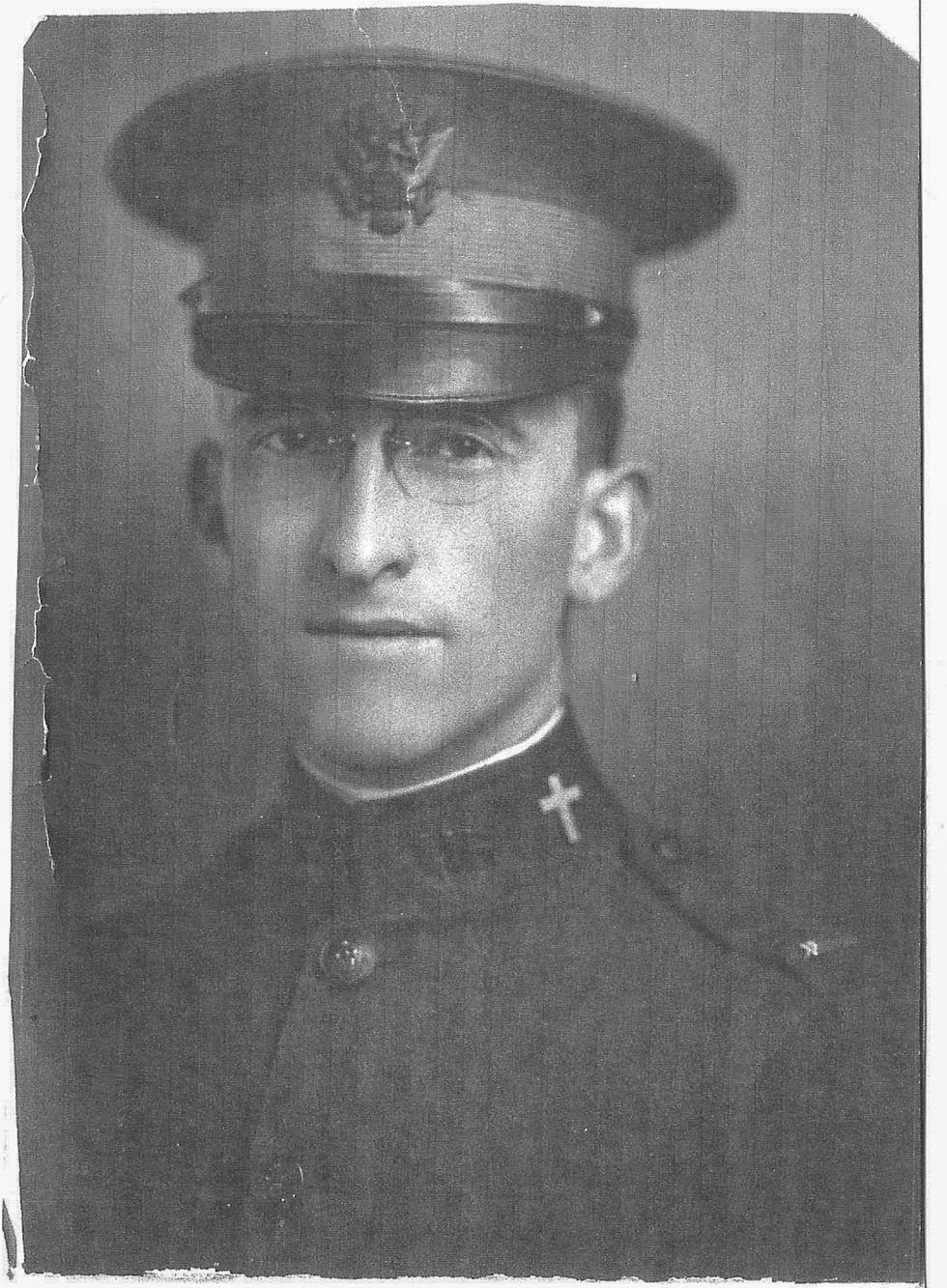
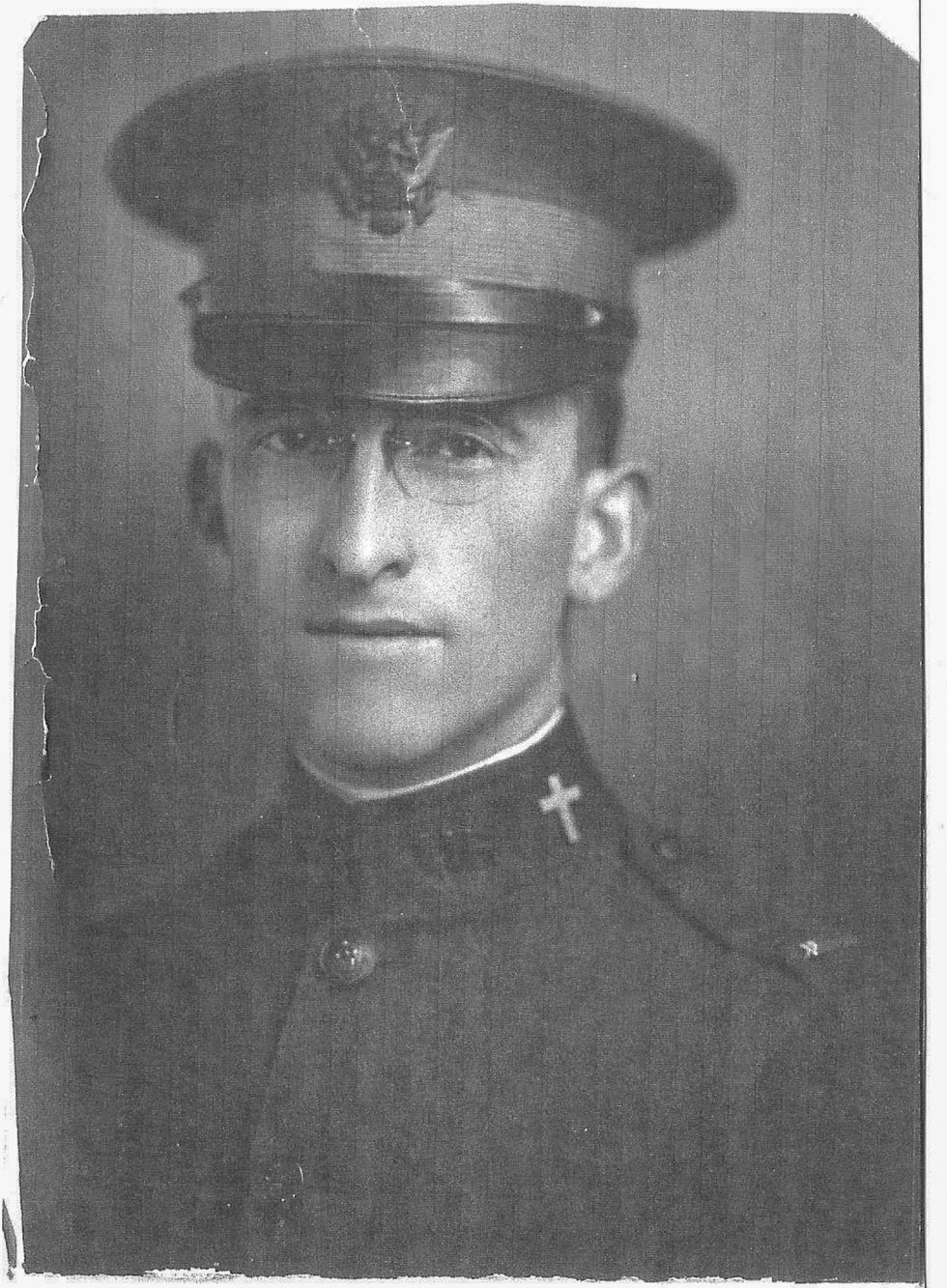
World War One’s youngest chaplain, First Lt. Thomas Henry Dean, above, grew up in Millbrook and attended local schools. He was ordained as a priest in 1917, a year early because of the war and appointed chaplain in August 1918. Photo and information thanks to Millbrook Historical Society Archives volunteer Jack Dean. Photo courtesy Jack Dean
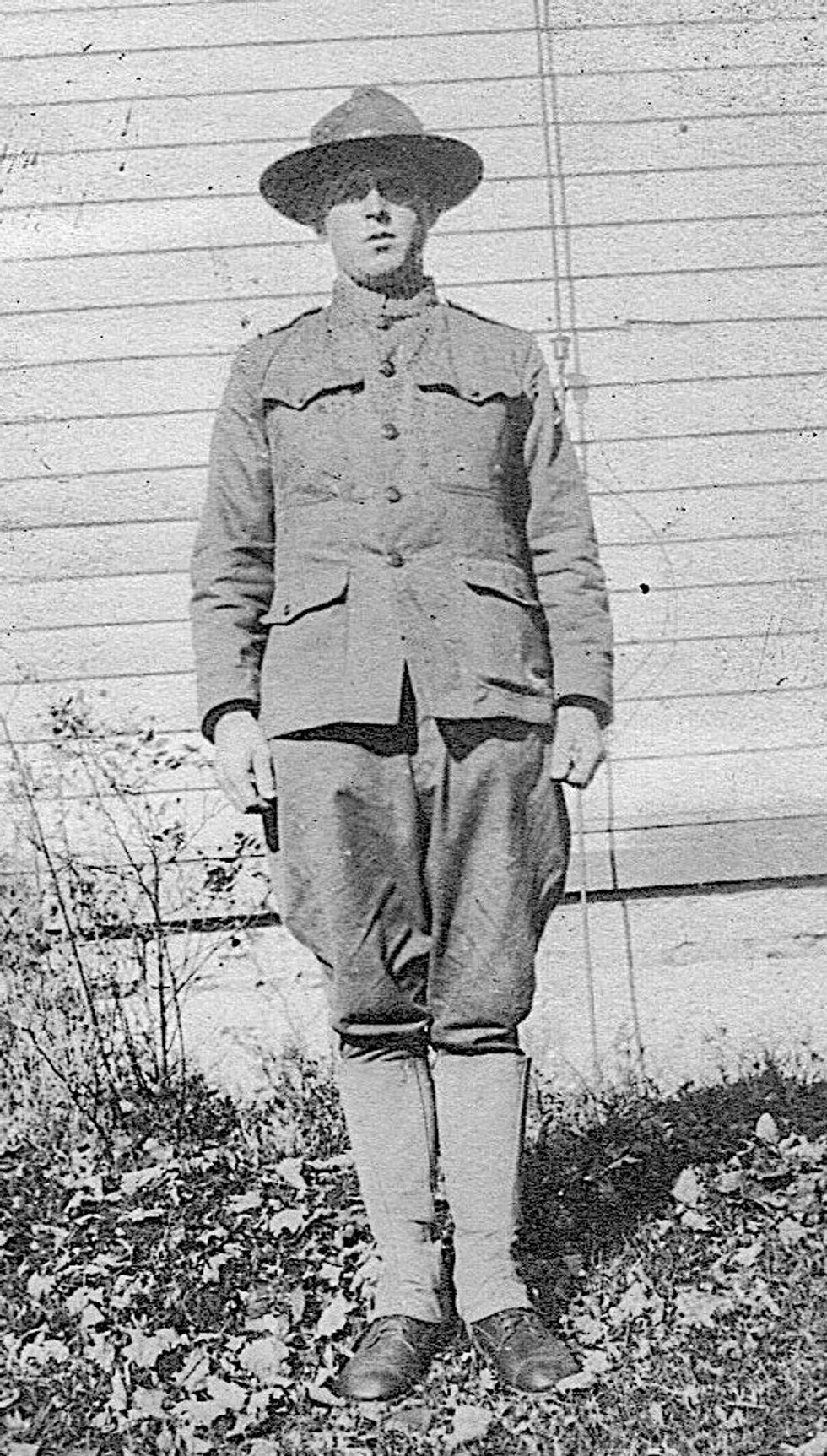
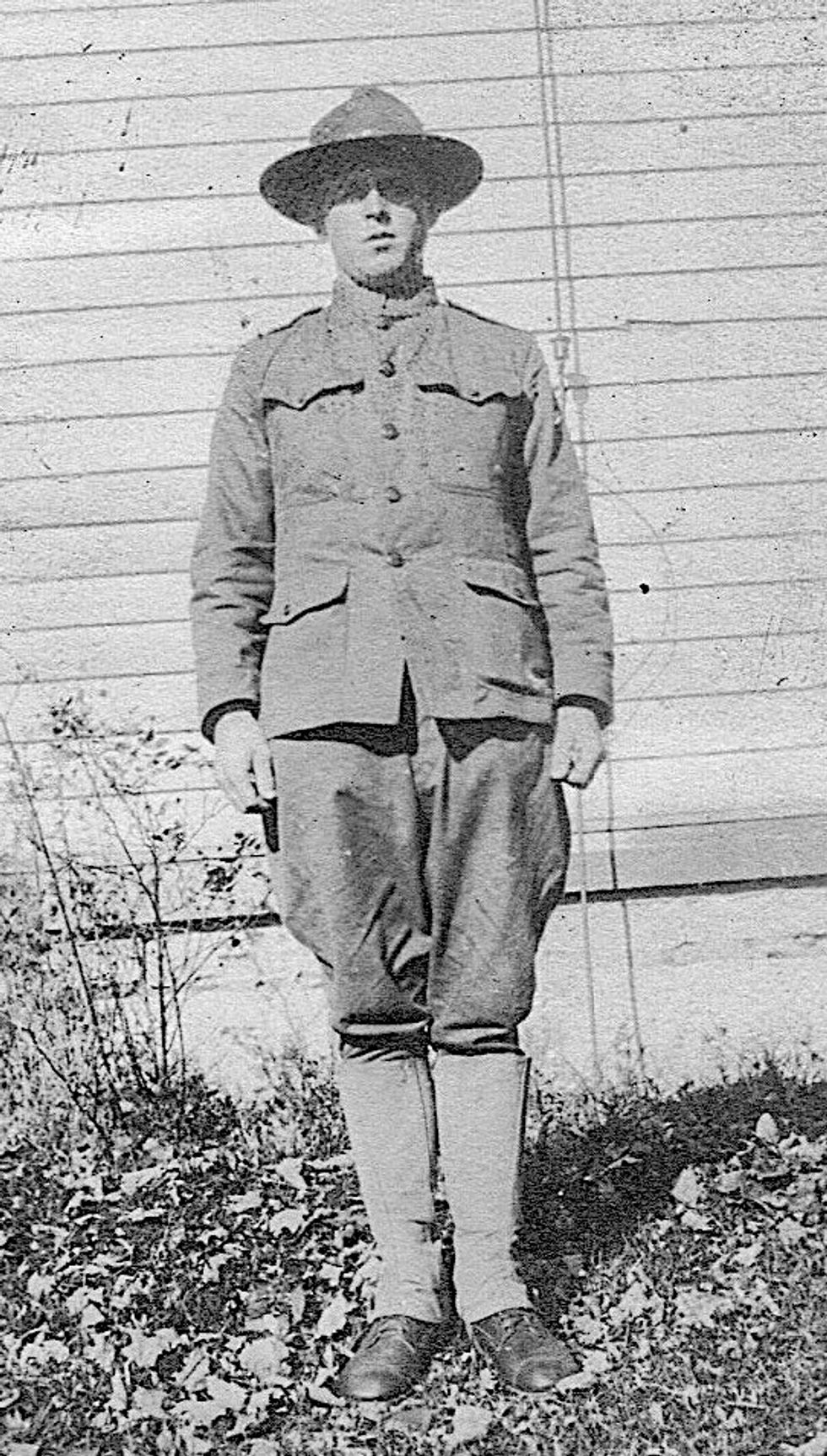
Soldiers such as Cliff Loper (father of Ray Loper), above, wrapped their legs in burlap to try and keep them warm and dry despite the cold and mud.





 Models walk the organic runway at HVSFW. Ilan Harel
 Susan Schneider, owner of Shandell’s, creates a variety of products with marbleized surfaces in her Ashley Falls studio.L. Tomaino