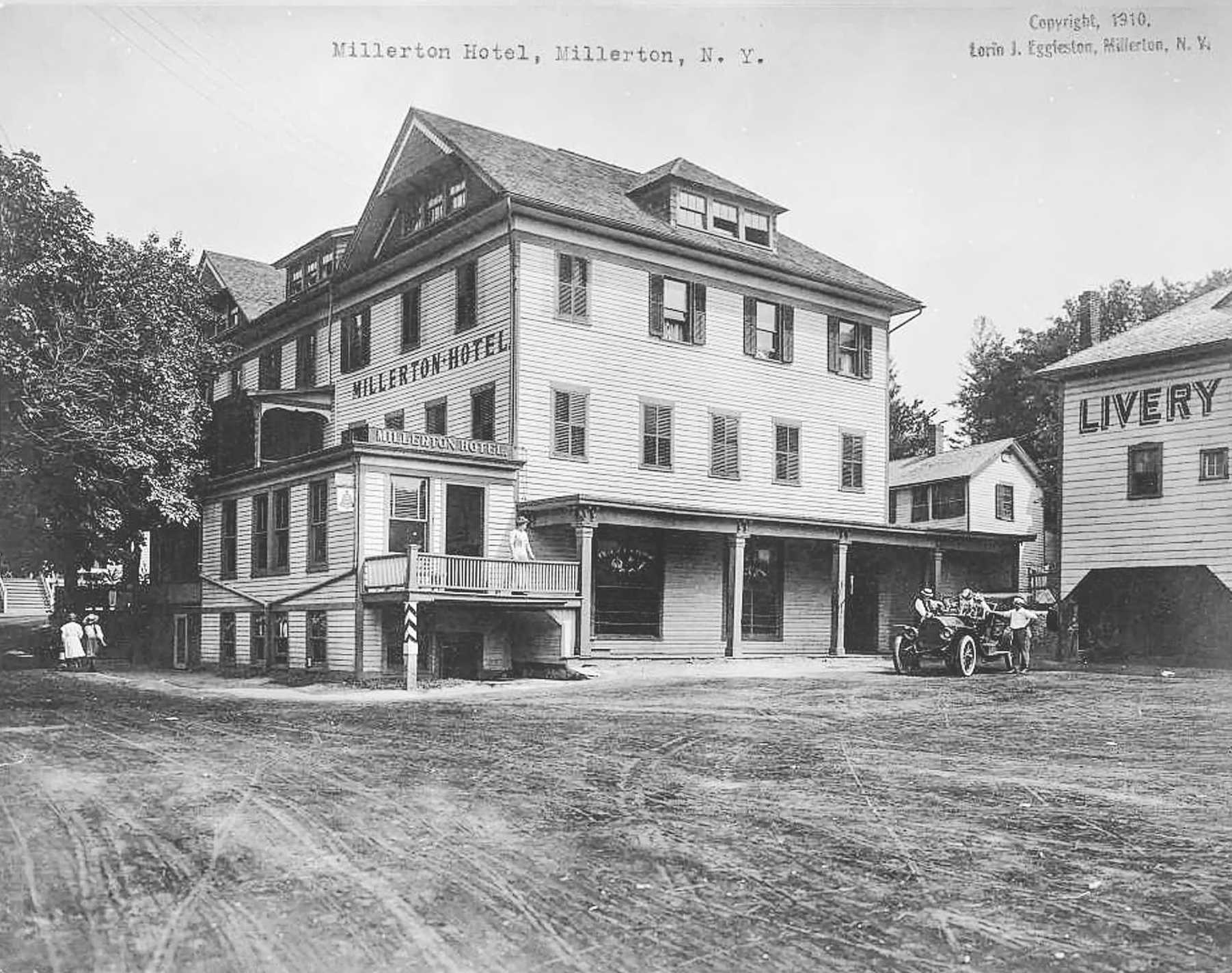
The Village of Millerton was founded a decade before the Civil War during a time when railroads were transforming rural economies, the nation was expanding westward and tensions over slavery were mounting.
The first 25 years of Millerton reflected that era of rapid change, characterized by an almost overnight transformation from farmland to being a railroad hub.
According to “A Beckon Call to a Village,” a 2001 history compiled by former North East Historical Society president Diane Thompson, leaders in the already-established Town of North East understood the opportunity a rail line could bring.
A meeting was held at the Wakeman House, home of local farmer Walter Wakeman, where a small group of men began laying out plans for a village that did not yet exist.
Wakeman himself played a crucial role, selling a 66-foot strip of his farm – nearly half a mile long – to the railroad. Additional acreage followed to accommodate a depot, engine house, sheds and extra track.
Civil engineer Sidney Miller is credited with bringing the railroad to what would later be known as Millerton in 1851. According to historical documents, he was so well regarded that the village was named in his honor.
On Sept. 1, 1851, the first train rolled into Millerton.
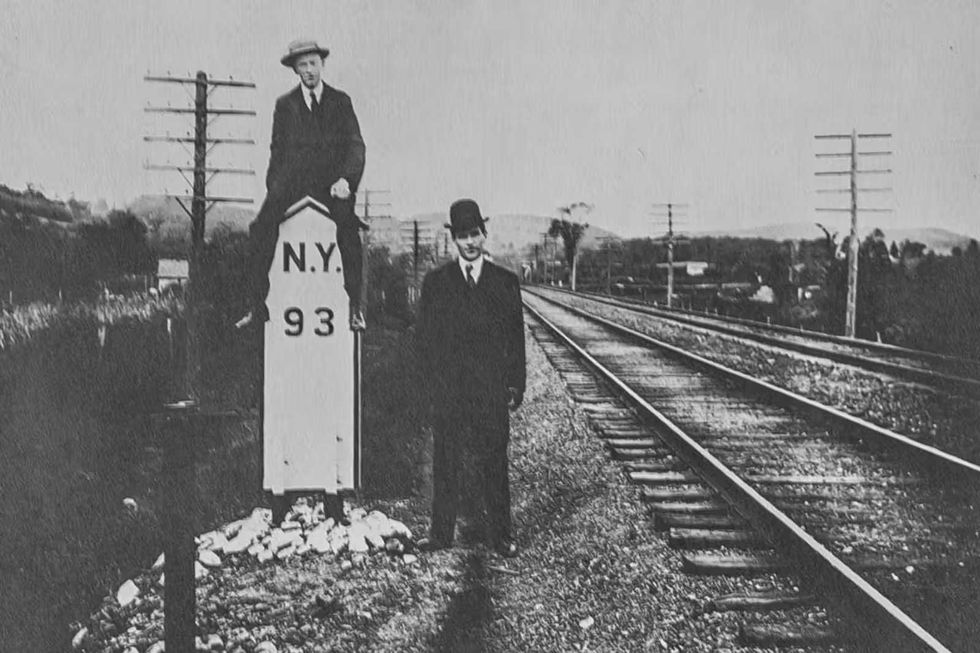 Two men pose with a mile marker noting the distance from Millerton to New York City.Courtesy U.S. Library of Congress
Iron production also played a key role in Millerton’s early growth. In 1854, the Millerton Iron Company established a major foundry in the area known as Irondale.
By 1882, the plant employed about 150 workers and by 1890 it was producing up to 12,000 tons of pig iron annually. The raw iron was used to manufacture cast-iron products, including railroad car wheels.
Irondale grew into a small industrial hamlet with a general store, grist mill and post office.
With the railroad established, Millerton quickly expanded. In 1852, just one year after the first train arrived, the Millerton Hotel was erected on North Center Street behind what is now the Oakhurst Diner. Built by Alexander Hawley, Alexander Trowbridge and James Winchell, the two-story building catered to rail passengers and visitors.
The hotel was later acquired by A.J. Pulver, who modernized it. For roughly 50 years, it stood as a symbol of Millerton’s growth before being dismantled in 1936. Its materials were salvaged during the Great Depression.
That early period saw the construction of a Greek Revival-style commercial building that housed E.W. Simmons & Co., Millerton’s first general store. Opened in partnership with Harvey Roe of Spencer’s Corners, the store sold groceries, lumber and building supplies.
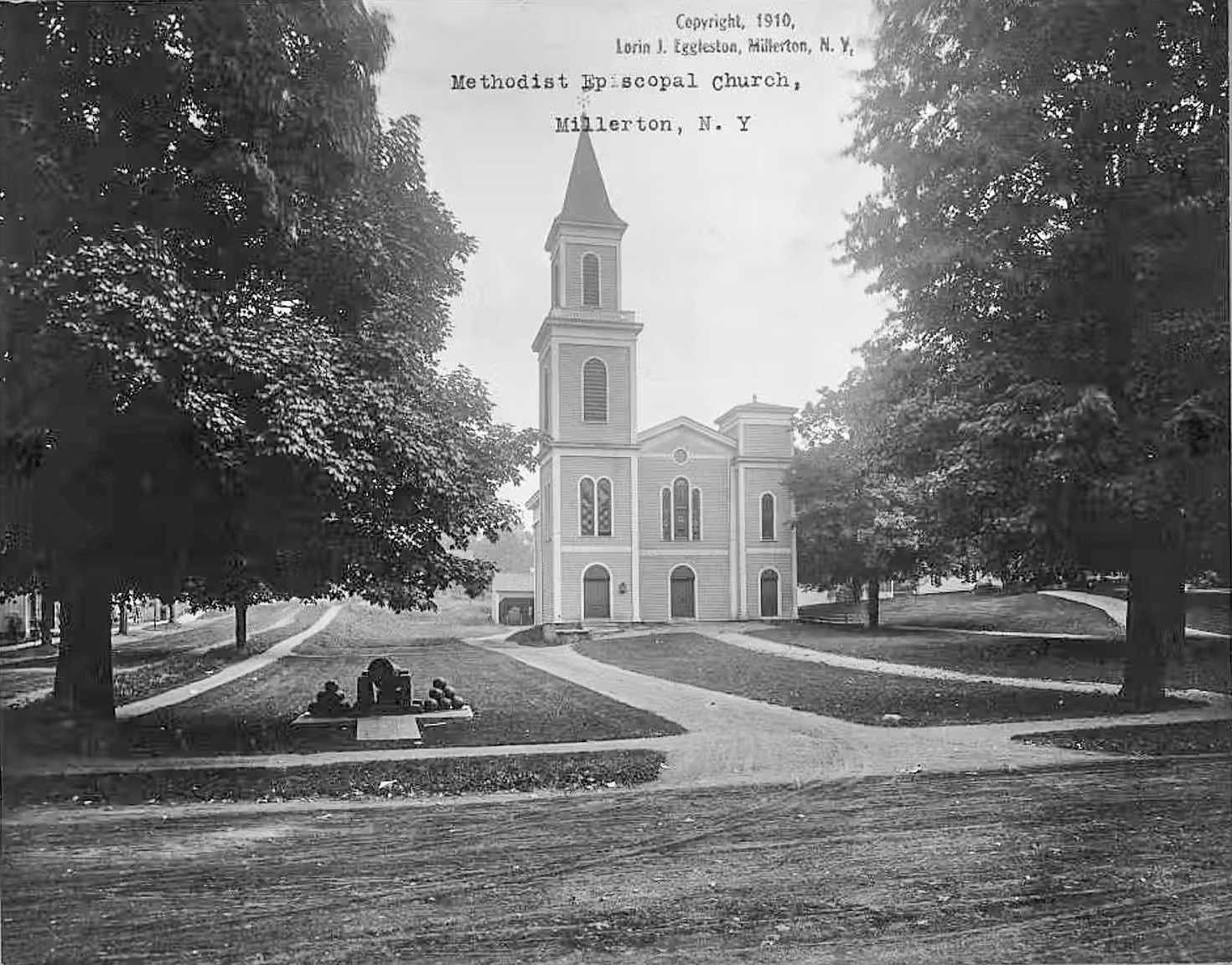 A historical photograph depicts Millerton’s Methodist church on Main Street ca. 1910.Courtesy U.S. Library of Congress
By the mid-1860s, Millerton’s commercial district continued to expand. In 1865, prominent builder Ambrose Beers constructed an Italianate-style carpenter shop that would later become home to Dewitt “Dewey” Husted and his wife. For 18 years, it operated as a confectionery and bakery. It later served as a sporting goods and furniture store, and after a 2008 renovation is now home to Elyse Harney Real Estate.
By 1875, Millerton was formally incorporated and recognized as a municipality. Kneeland J. Munson became the village’s first mayor.
In just 24 years, Millerton had transformed from farmland to railroad outpost to incorporated village, with even greater expansion waiting in the decades to come.



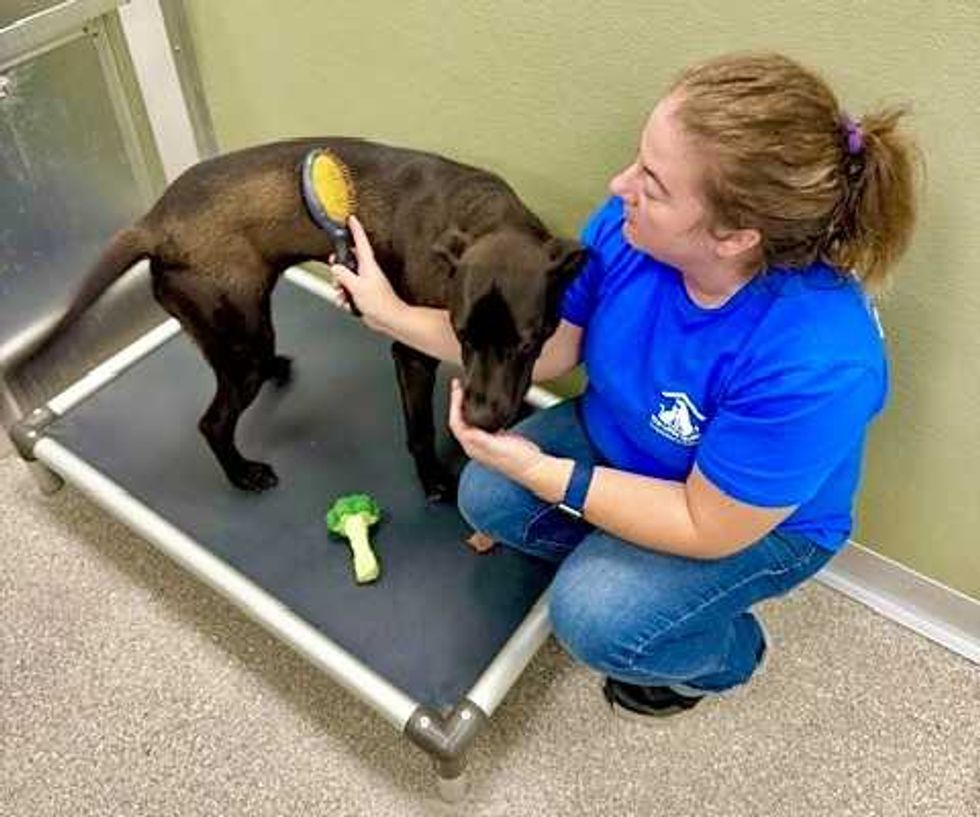 Tiffany Lemelin, shelter manager, brushing Marsala upon arrival.Provided
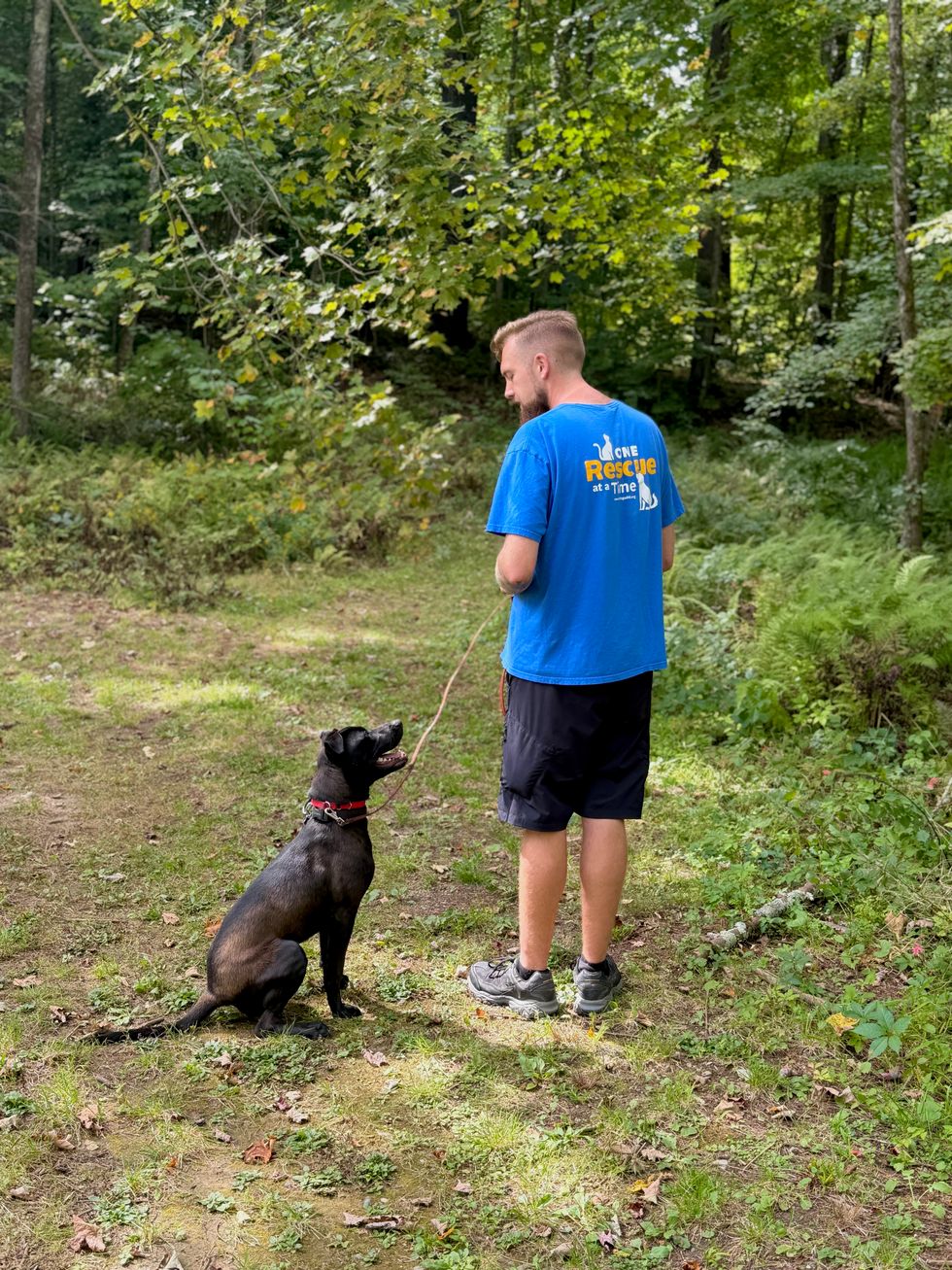 Michael DeBarba, certified dog trainer working with Marsala.Jennifer Almquist
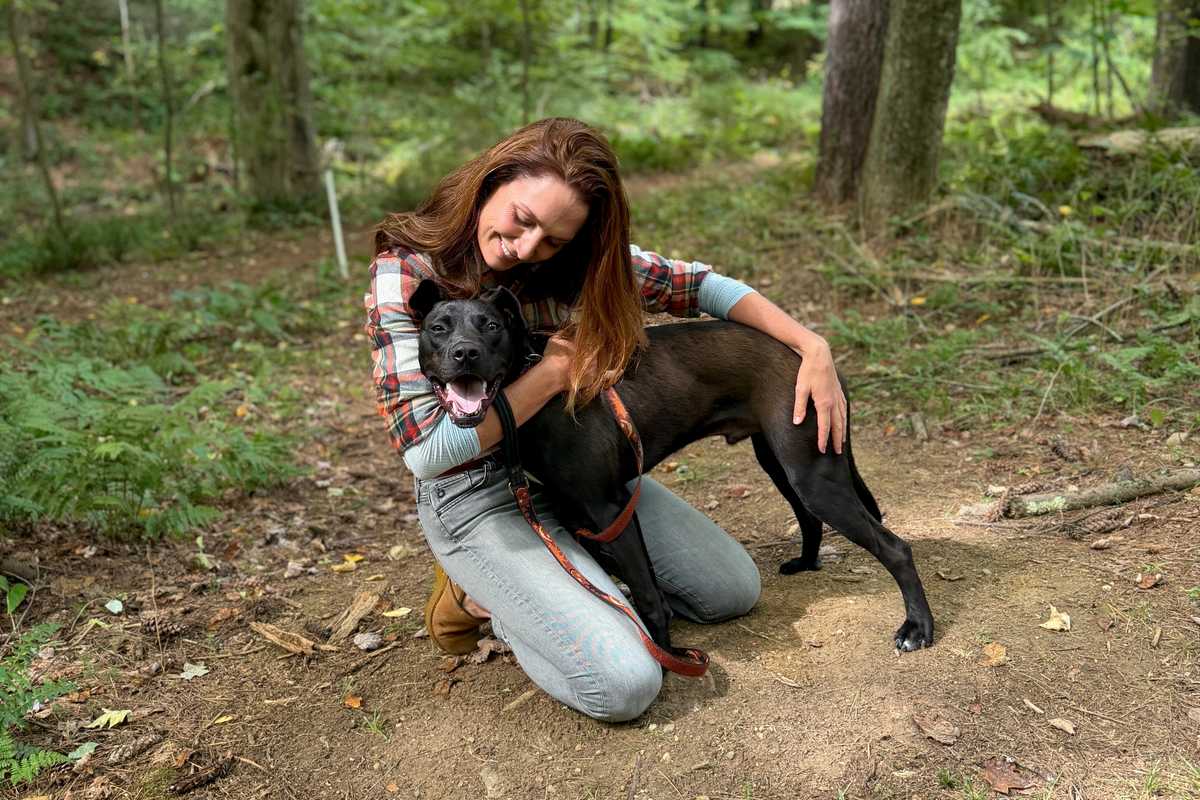 Marsala wins a heart.Jennifer Almquist
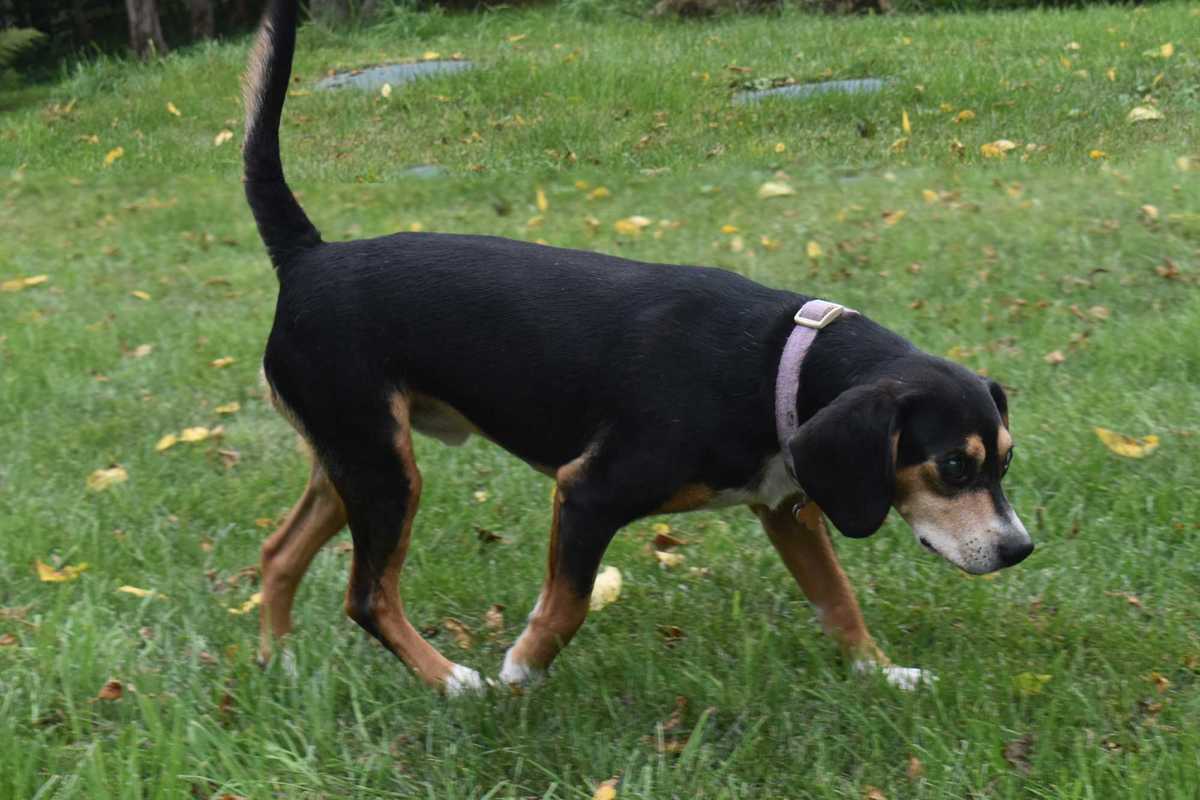
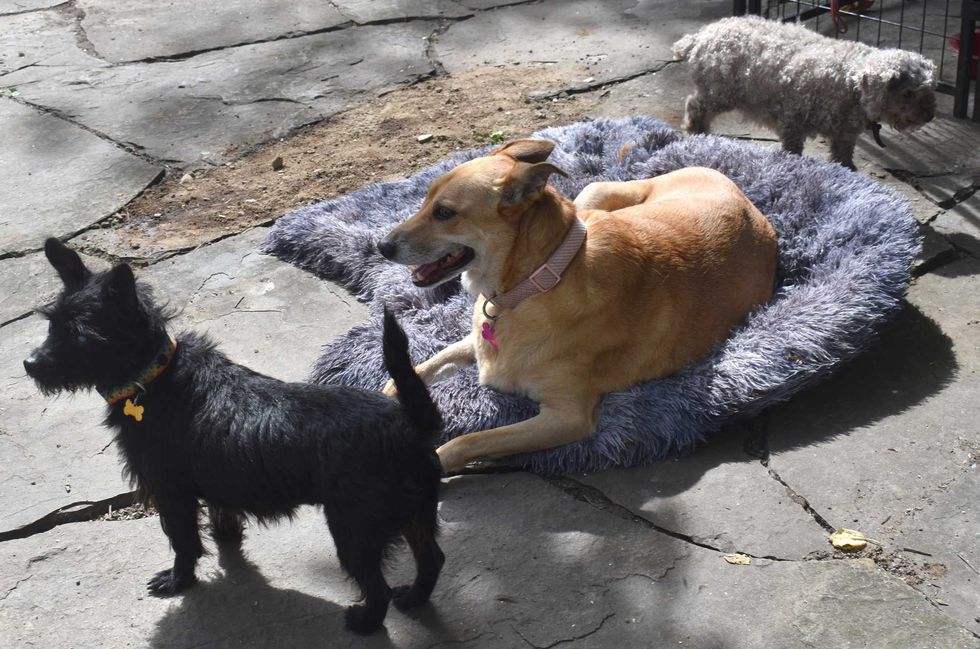 Sadie, center, a Carolina dog, plays with her friend Negra, a terrier mix. Bella Linda, the small poodle, has since been adopted.L. Tomaino
 Wesley, a young, exuberant mix, is looking for an active home.L. Tomaino
 Bonnie and Clyde, an affectionate terrier pair.L. Tomaino
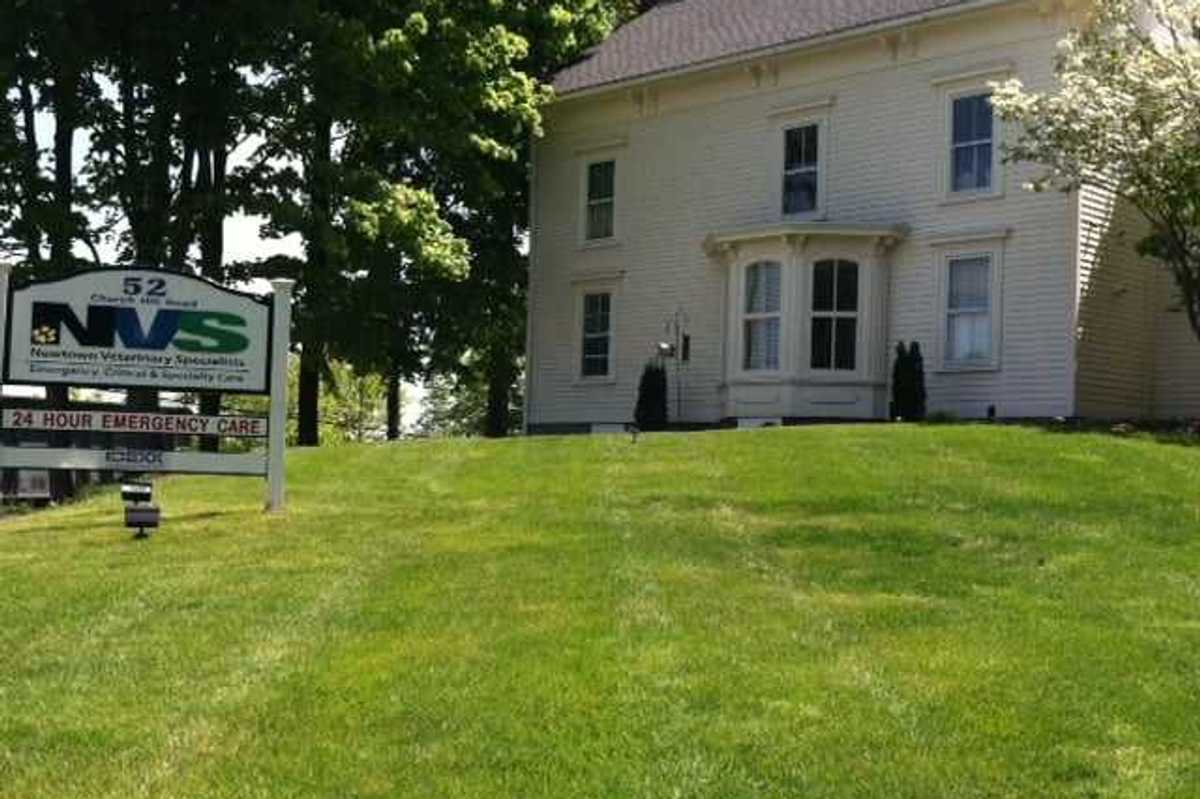
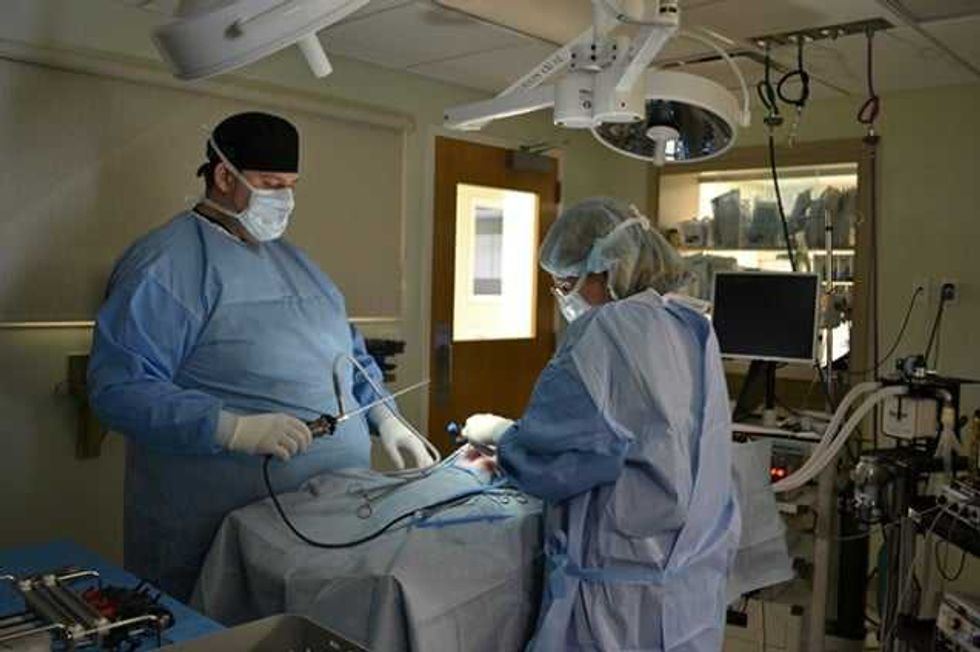 Provided