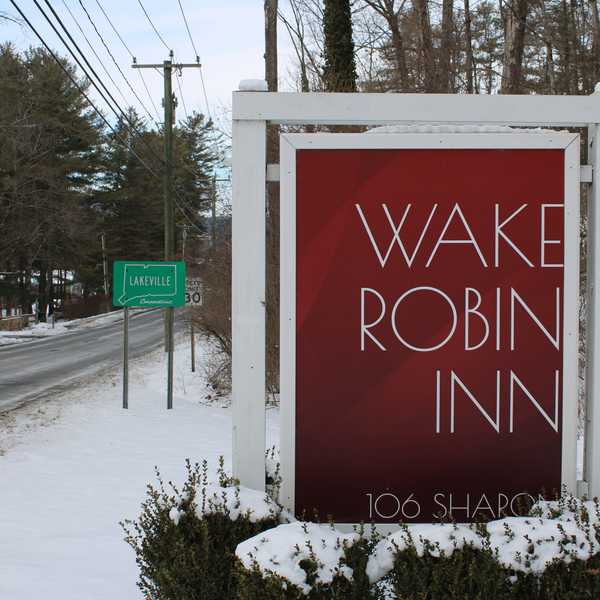
LAKEVILLE — Sound was the focus in the Planning and Zoning Zoom room last week, which aired for nearly five hours across two more sessions of the public hearing on the proposed Wake Robin Inn expansion.
On Tuesday, Aug. 12, and Thursday, Aug. 14, the Planning and Zoning Commission held special meetings to continue the hearing, but with the express purpose of addressing potential noise pollution resulting from the proposed redevelopment. Concerns about sound – music, party sounds, car doors, and construction clamor, among other potentially “nuisance” noise-makers — have been among the most widespread of the complaints against the project since Aradev LLC submitted its first application to P&Z last fall.
During the Aug. 12 meeting, the Commission brought in acoustics expert Herb Singleton of Springfield, Massachusetts-based sound engineering firm Cross-Spectrum Acoustics to present his third-party review findings of a study commissioned by Aradev as part of their revised application this spring. Singleton was largely approving of the study, conducted by Sudbury, Massachusetts-based outfit Cavanaugh Tocci Associates, lauding the study’s data-collecting methods as “tilting the analysis towards protecting the community.”
Specifically, he referred to Cavanaugh Tocci’s study period, which spanned late February through early March of this year, as a season with lower background noise levels due to reduced bird and insect sounds, thus producing conservative results. He also complimented the group’s decision to perform a “more than adequate” number of measurements from locations on the property that are likely to receive more sound impacts than its fringes.
The core of each study was to estimate whether the noise produced by the development would create a “nuisance” for the surrounding community, as outlined in the town’s zoning regulation 803.2 for special permit: “the use shall not create a nuisance to neighboring properties whether by noise, air, or water pollution; offensive odors, dust, smoke, vibrations, lighting, or other effects.”
Despite some methodological suggestions for analyzing sound impacts, Singleton’s assessment agreed with the Cavanaugh Tocci study’s findings: that the redeveloped Inn — whether by music, traffic or other potentially disruptive sound sources — would not create nuisance-level noise pollution.
The neighbors disagreed. “Lakeville is not Ibiza,” said Wells Hill Road resident Aimee Bell, who was the first to speak during the public comment section of Tuesday’s meeting. The reference to the Spanish island, which is famed for parties that span multiple days, was borne from concern about Aradev’s announcement of all-day, low-level music at the Inn’s proposed seasonal outdoor pool earlier. The proposed pool music became a topic of concern for many residents who spoke over the course of both meetings.
“Rural communities such as Lakeville are fragile ecosystems,” Bell continued, arguing that the Inn’s presence in the neighborhood would disrupt its peace.
Bill Cruger, who is a plaintiff in a pending lawsuit against P&Z in protest of a May 2024 zoning change, said that Section 800 of the town’s zoning regulations is expressly intended to “protect the abutters and neighbors” from noise beyond what they are used to on their property.
At the Thursday meeting, Barbara Hockstader, John Franchini and Greg Wilmore emphasized that a petition against the development, which had gathered 461 signatures as of that date, is clear evidence that the village feels the project will indeed be a nuisance.
It is the role of the P&Z to ultimately determine whether or not a proposal will create a nuisance for the community. “Yes, nuisance is subjective,” said P&Z Chair Michael Klemens in response to an earlier question from Julie Norwell as to how to define the vague term.
The hearing was continued to Tuesday, Aug. 19, and is set to close on Sept. 9 unless a further extension is granted.




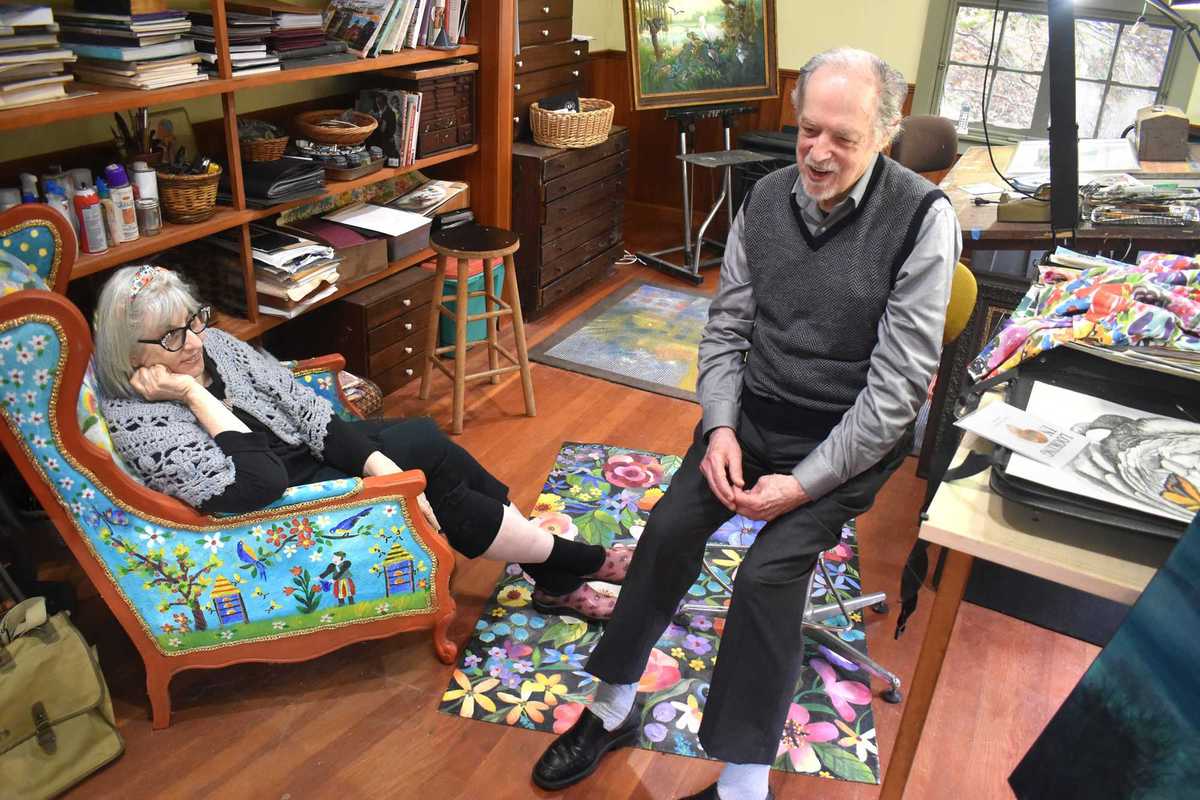
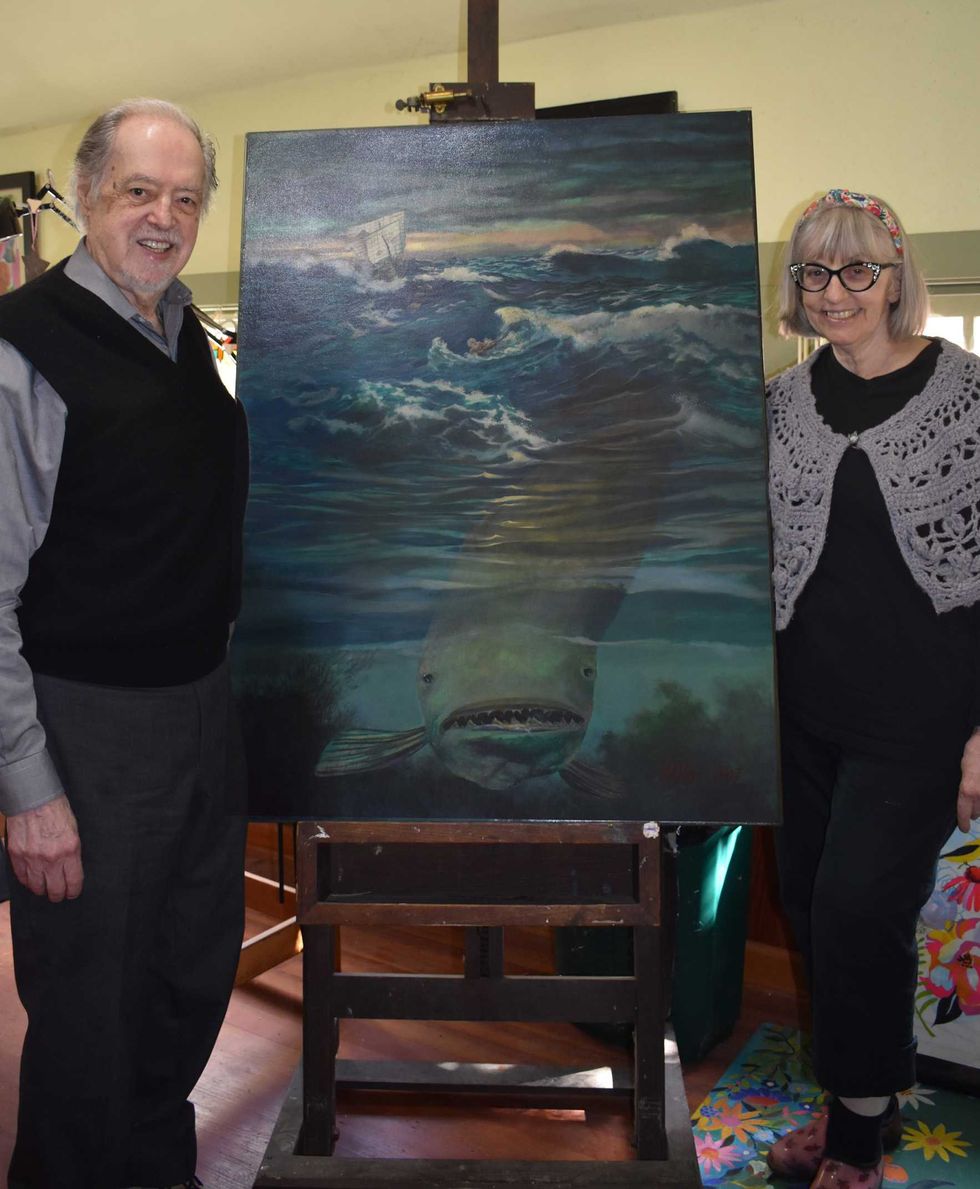 Justine and Victor Valla in their studio with a painting of Victor’s,”Jonah and the Whale.” Robin Roraback


 A ceramic vase by Kathleen Heidemann.Provided
 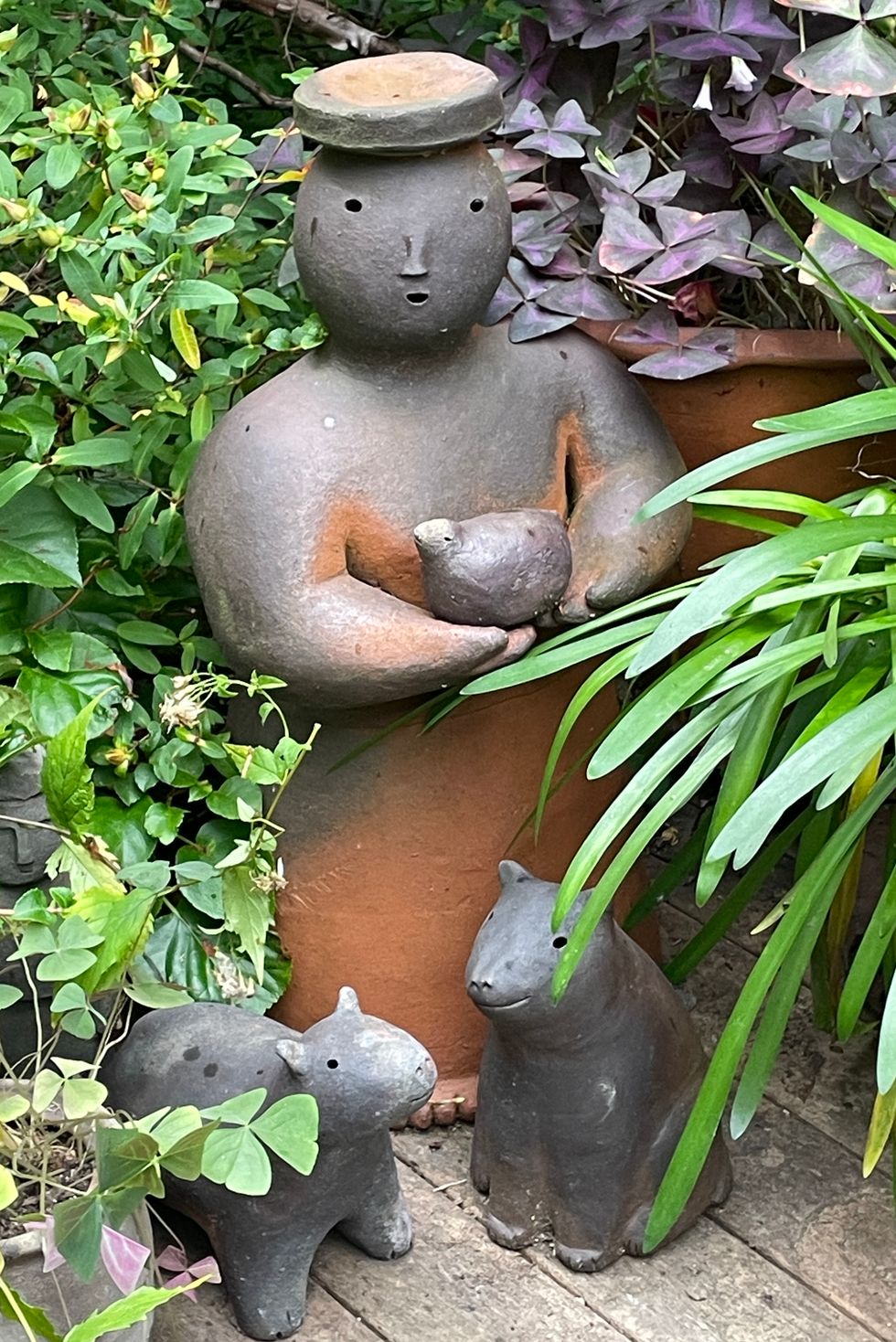 Joy Brown’s delightful ceramic sculptures.Provided