NORTH CANAAN—In the middle of summer, the Douglas Library Board of Directors held a cocktail party, quietly celebrating a significant milestone in the life of what is said to be Connecticut’s fourth-oldest public library.
The library reached its 200th anniversary in 2021, but the celebration was delayed because of the continuing Covid pandemic. So, finally, in July 2022 the institution was belatedly feted as it moved steadily into its third century of service to the community.
The little library found its origin in a bookish bachelor, William Douglas, who spent his evenings reading beside the fireside in his “Lower City” home. Lower City was located on Route 7 where Geer Village is found today and, until 1858, was the site of the Town Hall, a number of coaching taverns, as well as numerous homes.
Douglas died in 1821, aged only 48. His short life was to have lasting impact on the town, however, as his will reflects the importance of books in his life and his interest in sharing them with the town.
Among the provisions made for his estate was that “one moiety” (one-half) of his library be given to his friend, John Faxon, and the other to Leman Church. He further ordered that his executor should buy for Seth Andrews “… as a small testimony of my respect and esteem … the works of Doctor Benjamin Franklin.”
But his biggest bequest was reserved for the town itself. He set aside $800 (the equivalent of $20,251 today) to establish a library. He decreed that $400 would be for the purchase of books and $400 for an endowment to build a future collection. The collection was to be housed in the old Town Hall, a building close to the Douglas home and one he knew well as his father, Benajah, was Town Clerk there for 29 years.
The 1823 regulations governing the institution stipulated that books could be loaned to people who paid 10 cents for membership. If two people wanted the same book, the right to “draw” the book went to the highest bidder. Douglas Library became a true public library only in 1895, when books were circulated for free.
Douglas’s home, built in 1761, still exists—albeit much altered—beside the road leading into the Canaan Country Club, but the old Town Hall burned in 1915, some 57 years after it ceased its municipal function. The original town divided into North Canaan and Canaan (Falls Village) in 1858 and the division created problems in deciding what to do about the library.
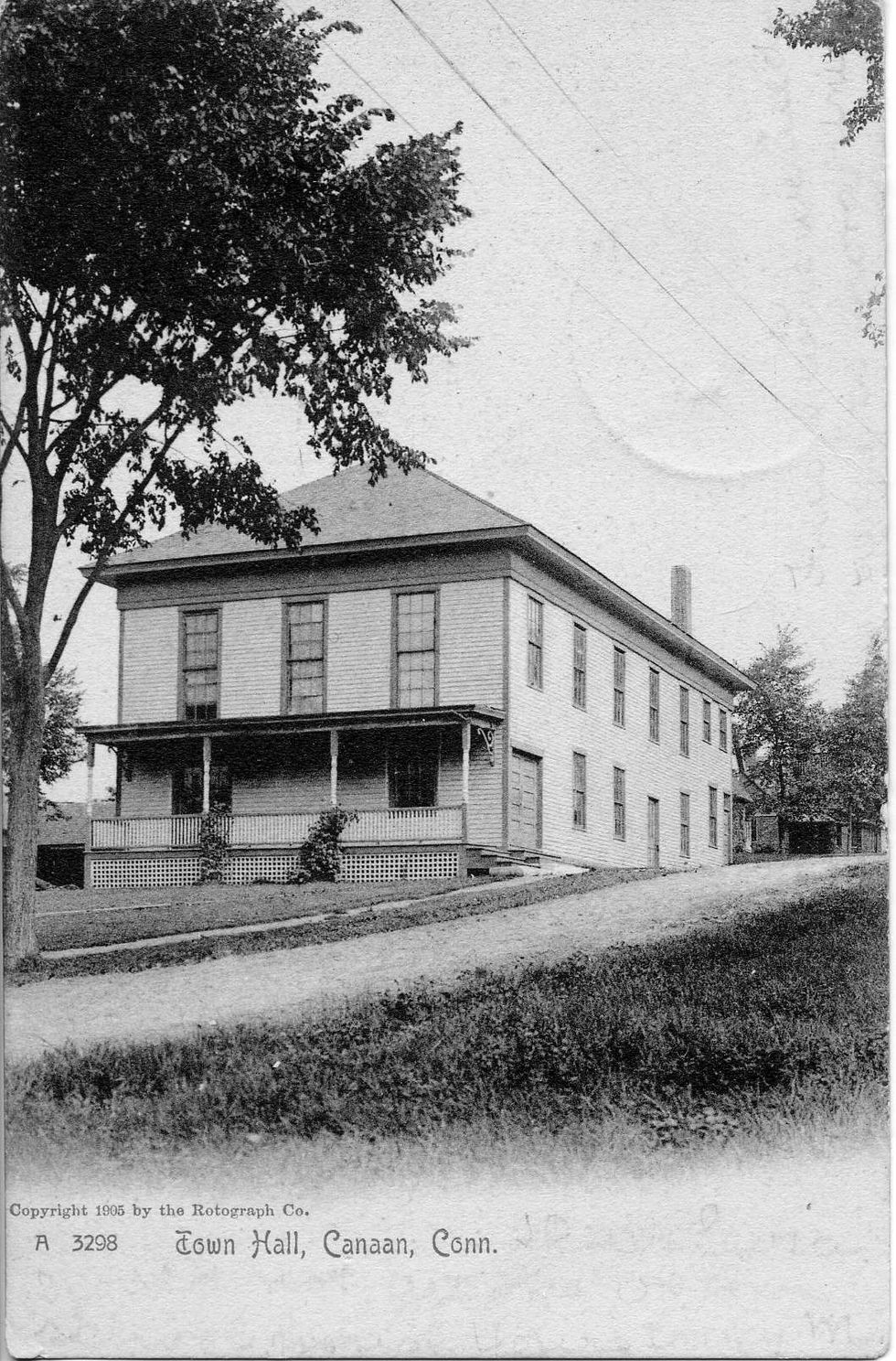
In 1830, a lawyer’s opinion stated that the library, which had been given to all in the town, could not be broken up. The books were moved to a town hall built for North Canaan, but it was not until 1890 that the town was allowed to buy out Falls Village’s interest.
Ironically, this transaction took place just as Douglas Library was to move to its first dedicated building. In that year, Mrs. Edmund Lawrence erected a small brick building on Railroad Street, next to today’s Heavenly Spa and Nail Salon. The library was soon squeezed in this location and town father Samuel Eddy negotiated the purchase of the late Hattie Peet’s home on Main Street.
The Peet building was purchased through subscriptions from some of Canaan’s most influential citizens and was given to the town with provisions that the municipality maintain it.
It has remained in that location from 1927 until today, enjoying modest building expansions and improvements over the years. Today, the library serves as a hub for community life, including providing computer access, public programs, and story times for tots.
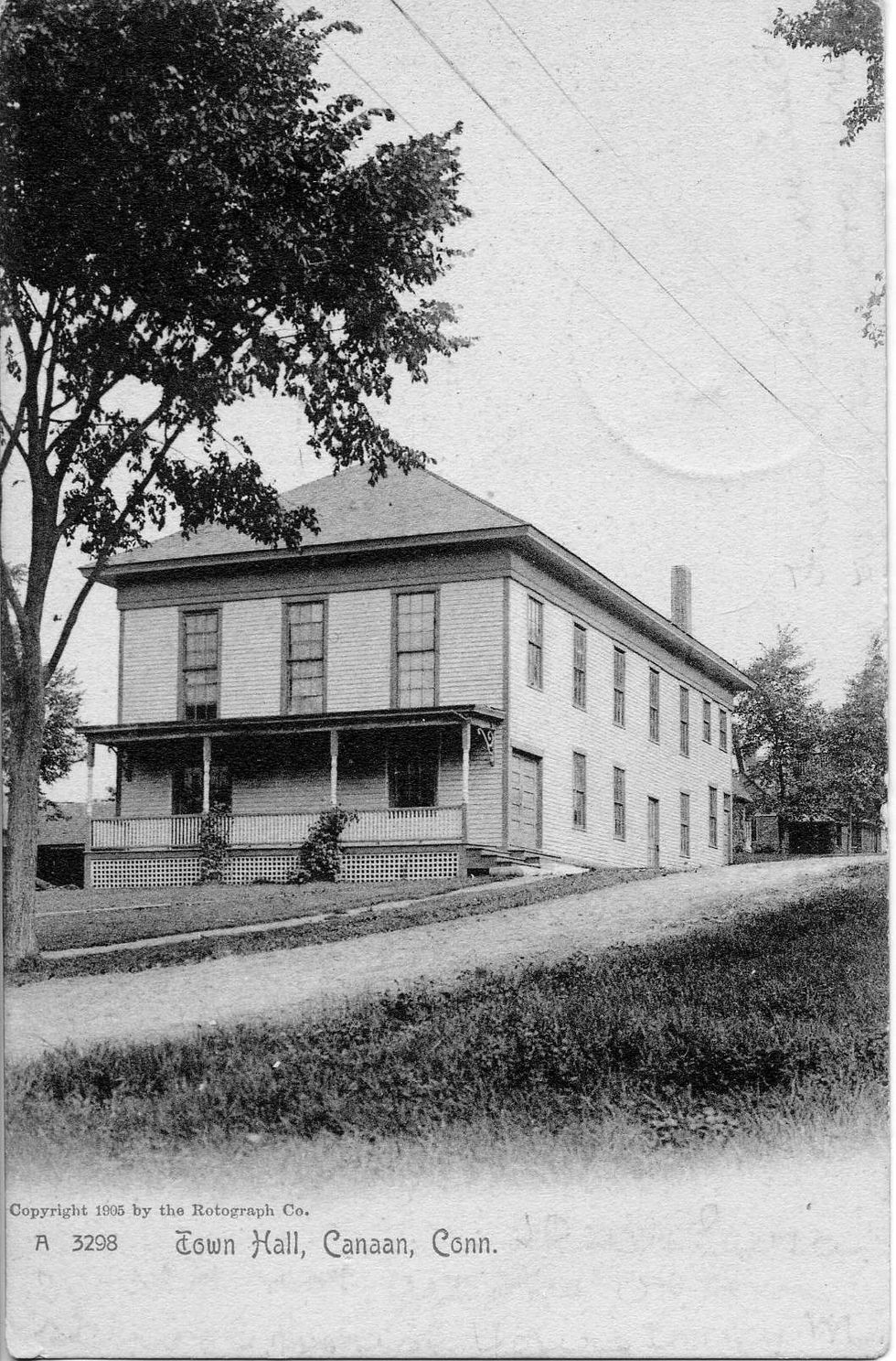
The 1858 North Canaan Town Hall, built after the towns of North Canaan and Canaan (Falls Village) separated. It was located behind the Doughboy on Granite Avenue. All the library’s books were housed here, instead of breaking them up. Courtesy of the Canaan History Center
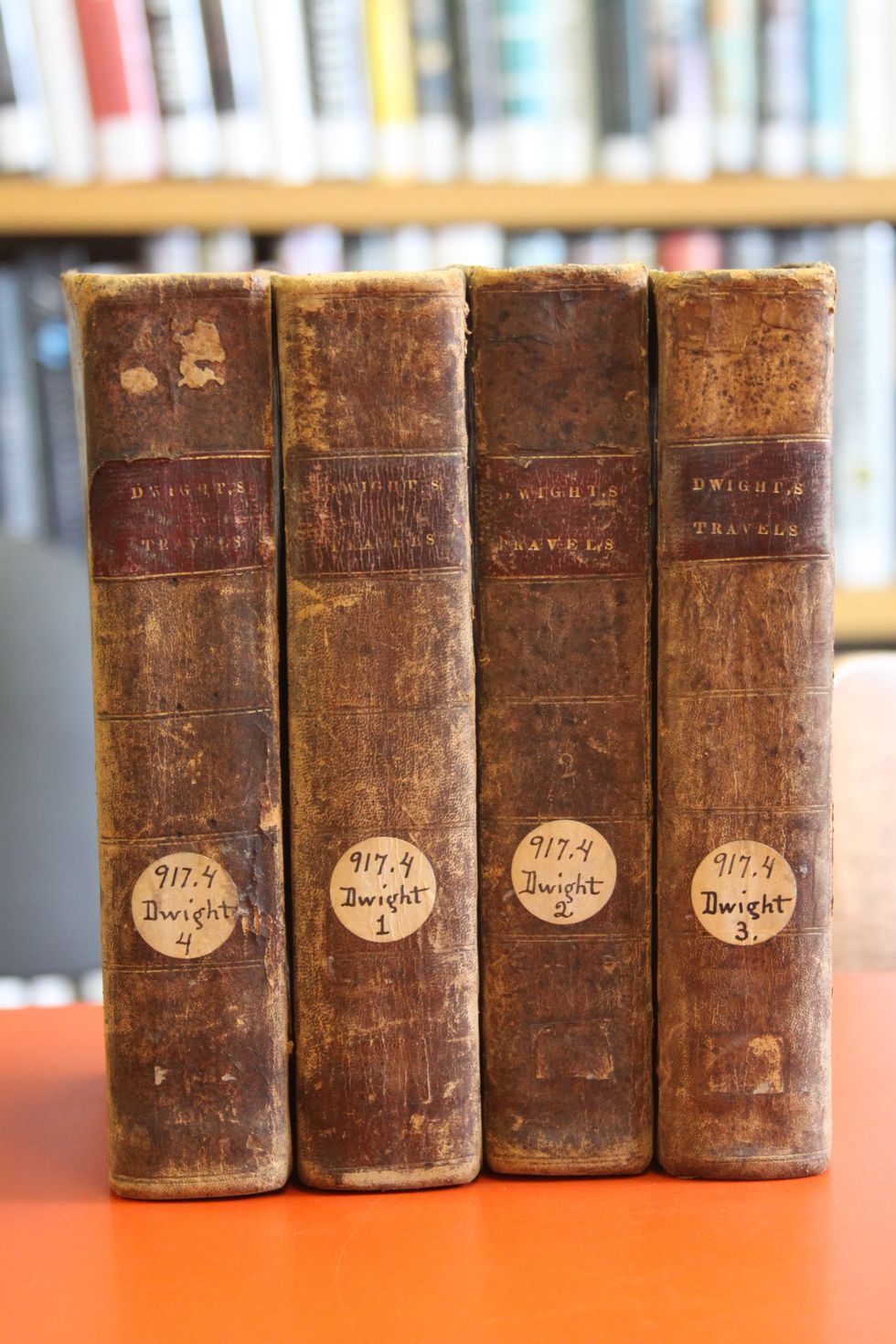
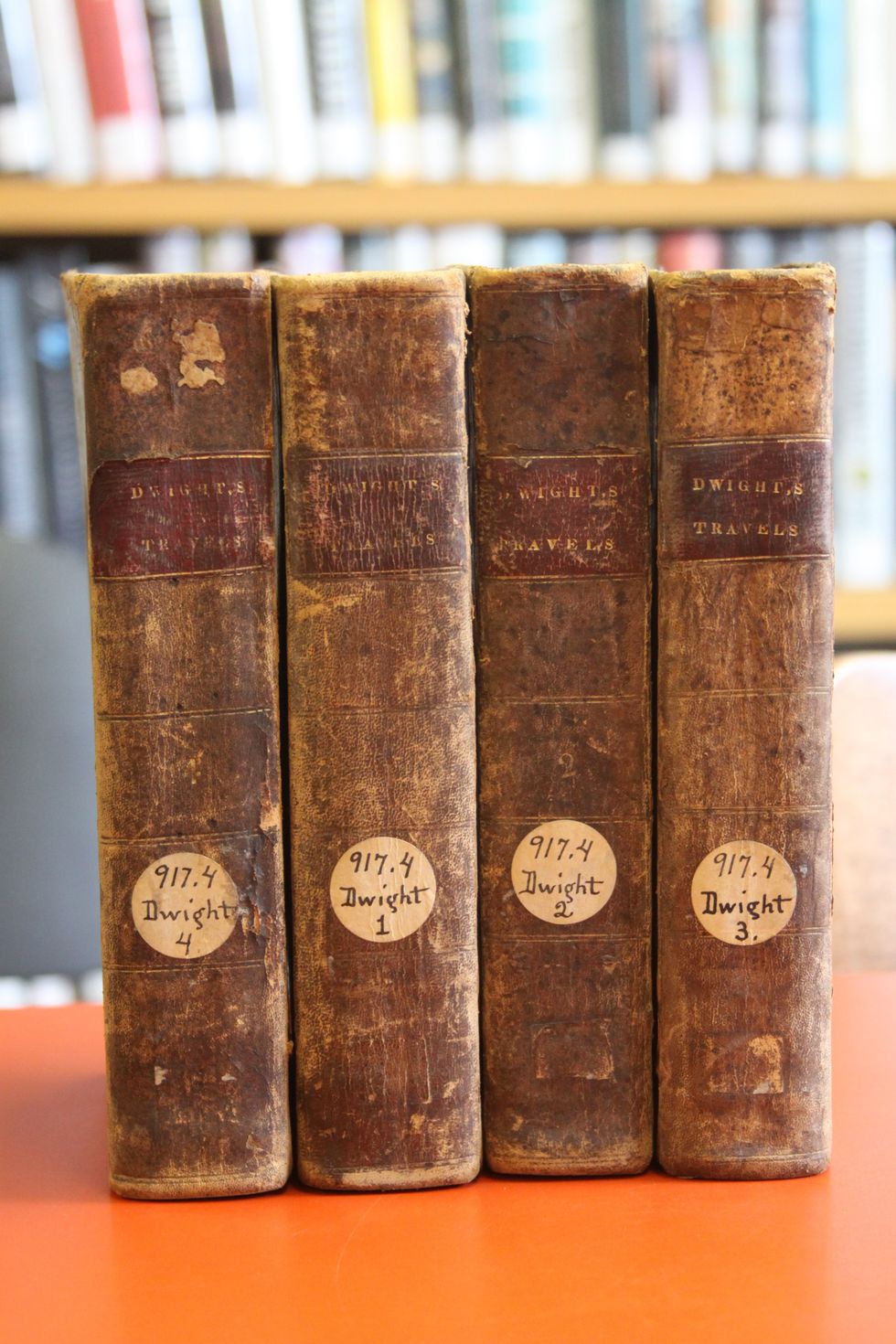
The first four books purchased for Douglas Library in 1821, “Travels in New England and New York,” by Timothy Dwight, president of Yale College. They are still in the library’s collection, though not circulated. Photo by Kathryn Boughton

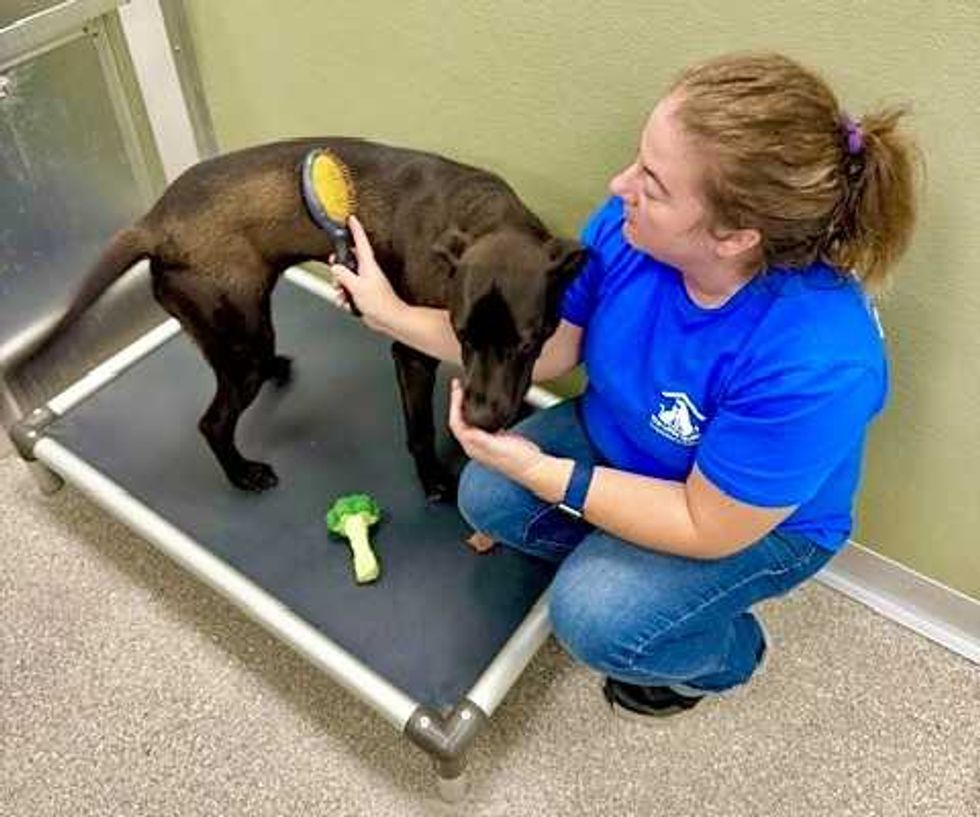 Tiffany Lemelin, shelter manager, brushing Marsala upon arrival.Provided
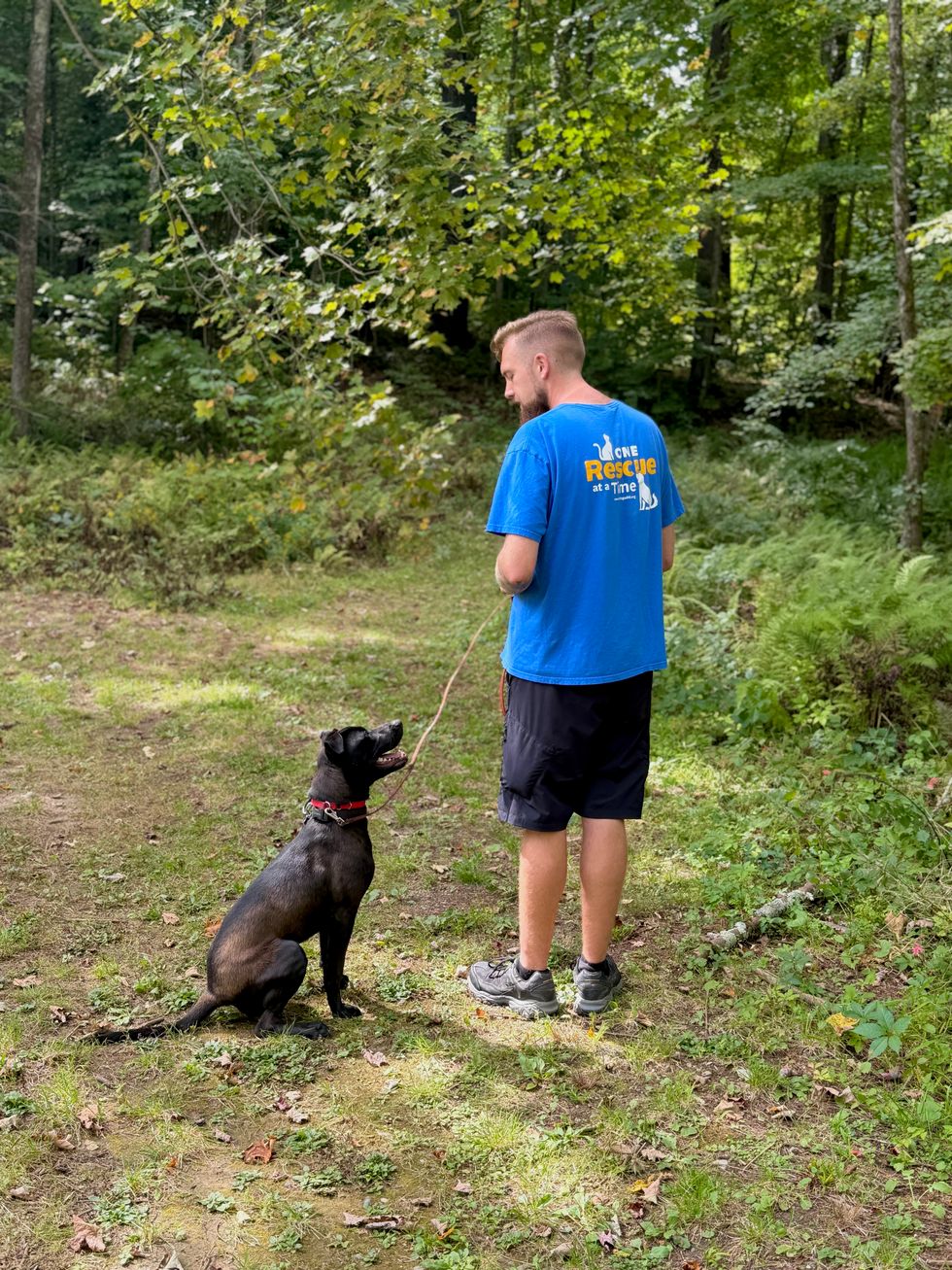 Michael DeBarba, certified dog trainer working with Marsala.Jennifer Almquist
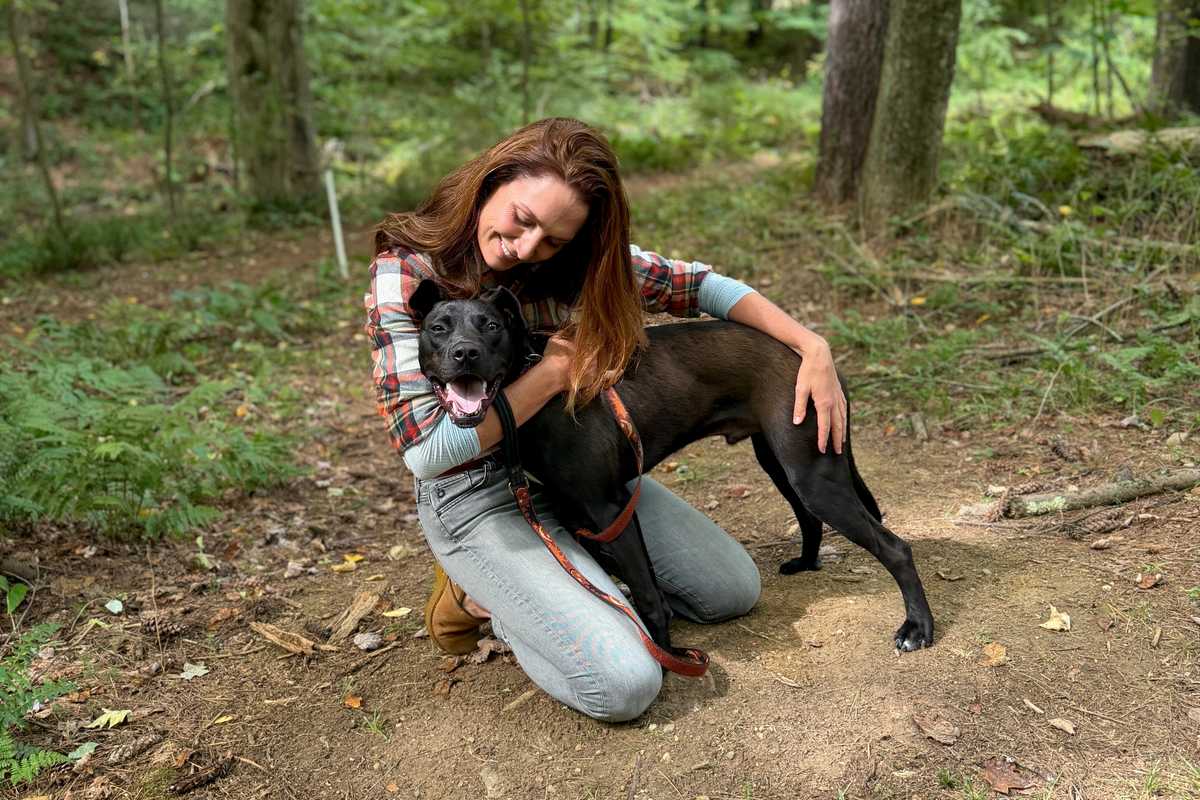 Marsala wins a heart.Jennifer Almquist
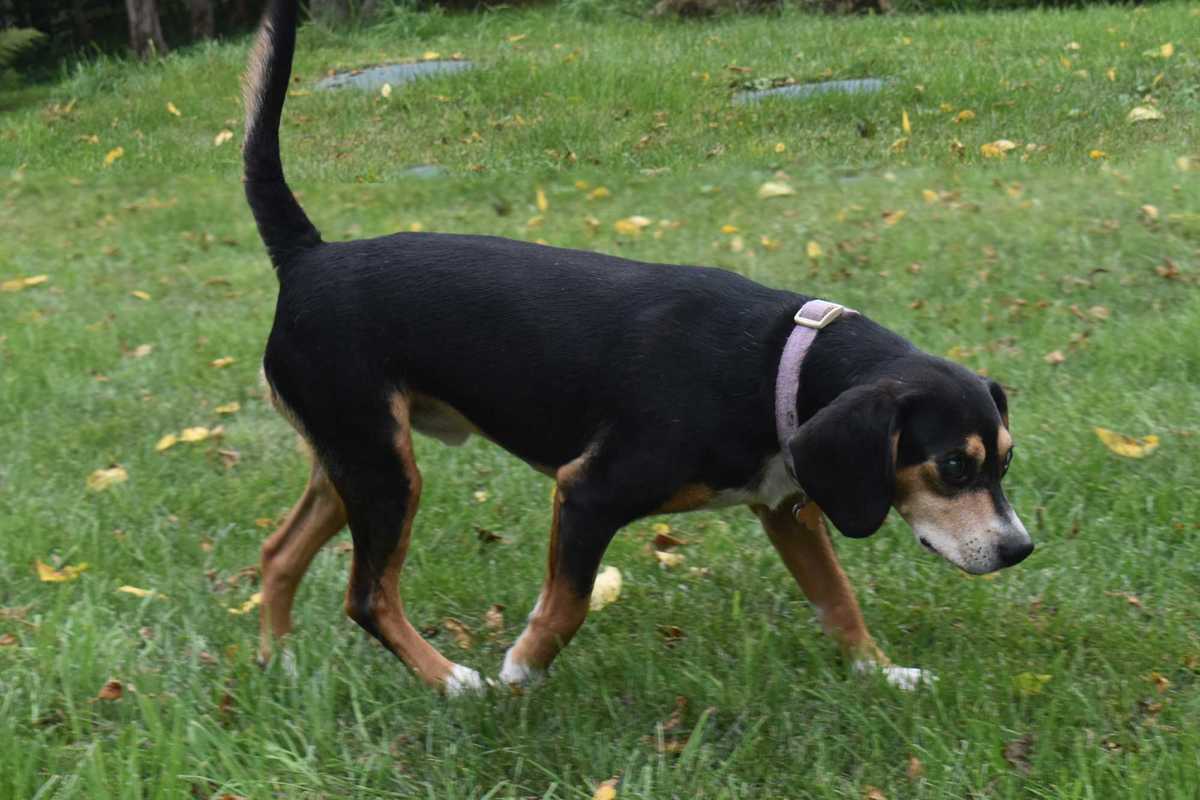
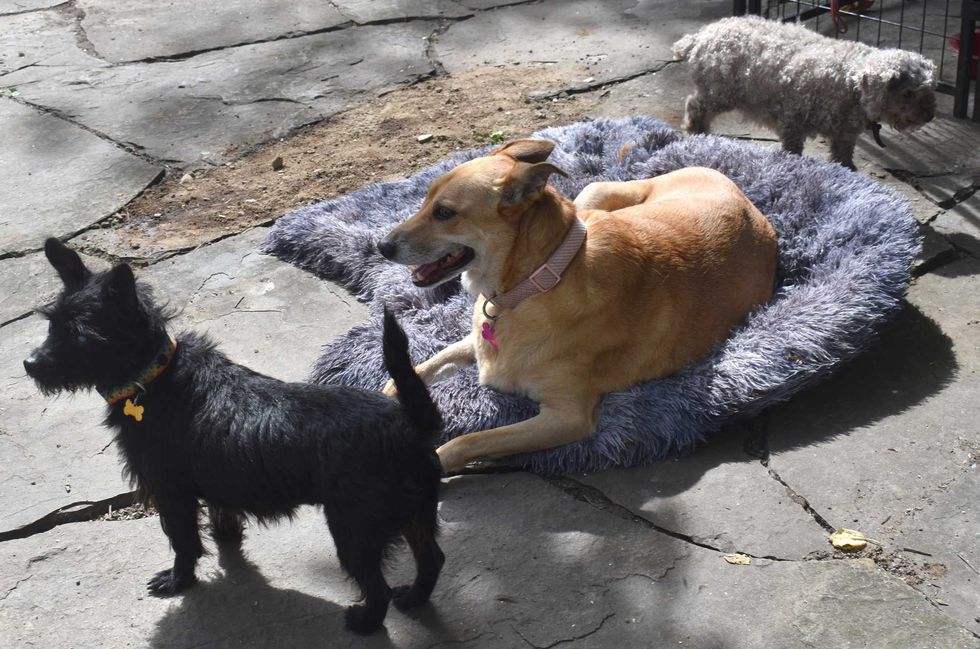 Sadie, center, a Carolina dog, plays with her friend Negra, a terrier mix. Bella Linda, the small poodle, has since been adopted.L. Tomaino
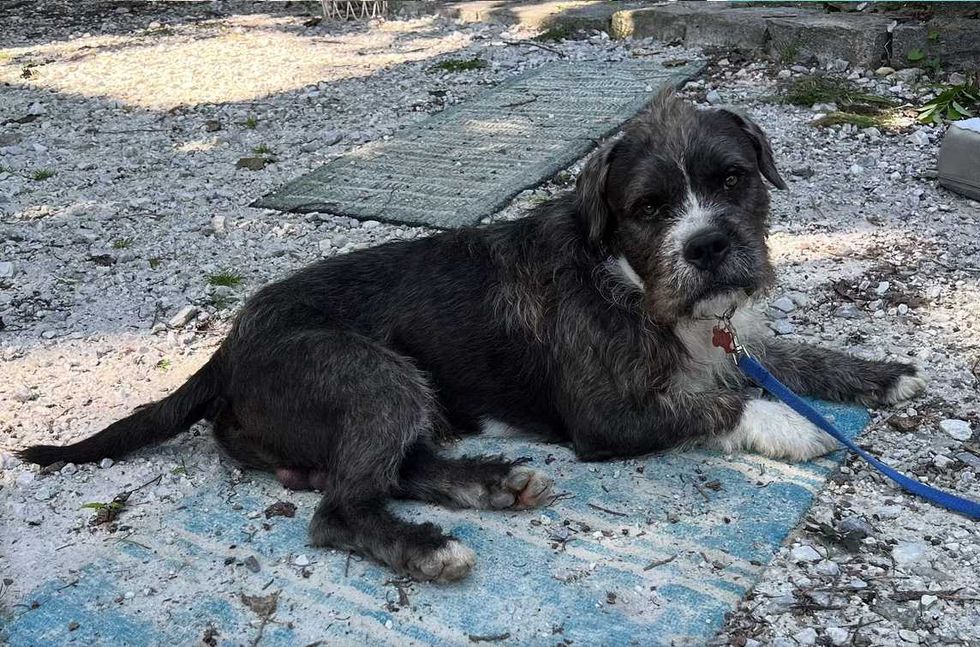 Wesley, a young, exuberant mix, is looking for an active home.L. Tomaino
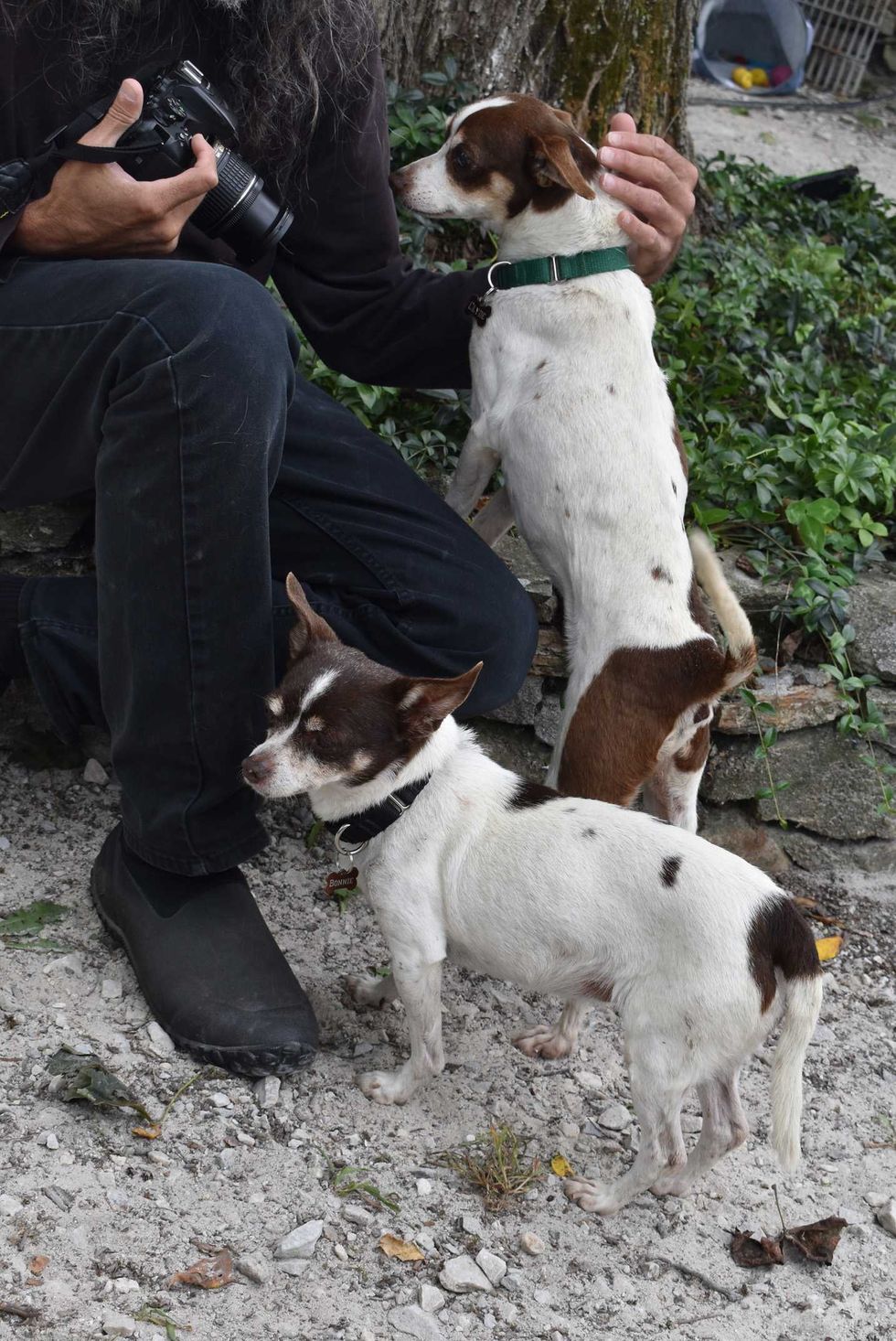 Bonnie and Clyde, an affectionate terrier pair.L. Tomaino
 Provided