Our visit to Hancock Shaker Village
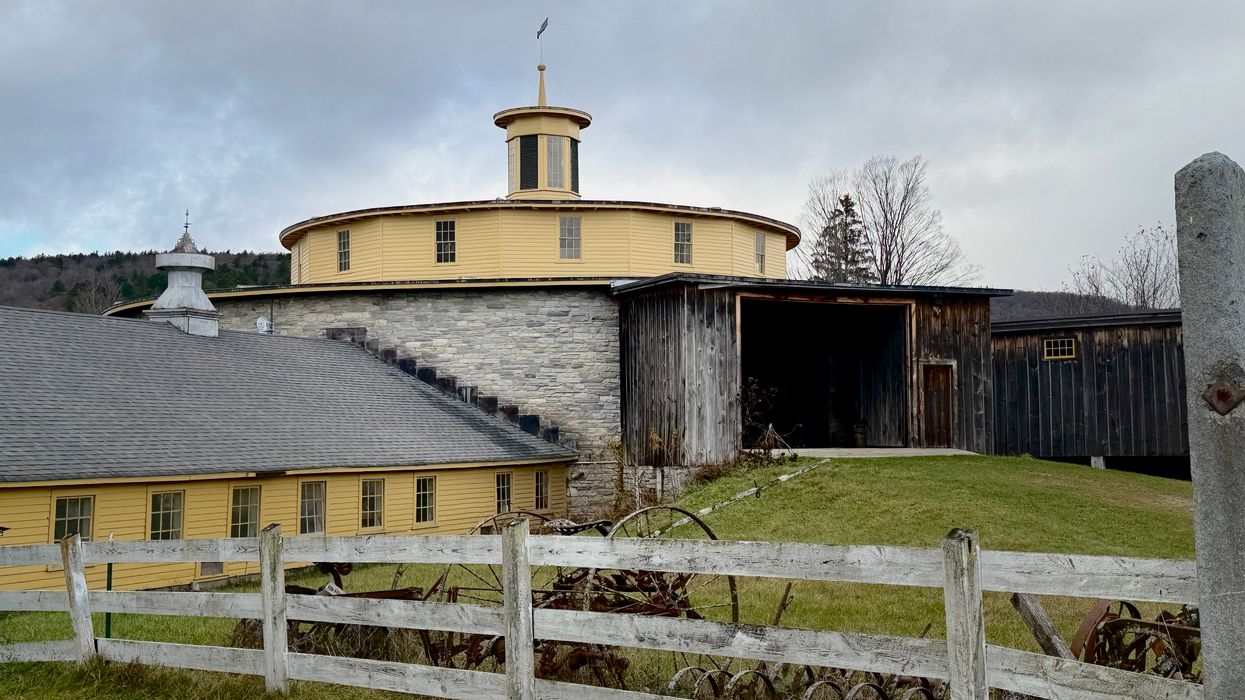
The Stone Round Barn at Hancock Shaker Village.
Jennifer Almquist

My husband Tom, our friend Jim Jasper and I spent the day at Hancock Shaker Village in Pittsfield, Massachusetts. A cold, blustery wind shook the limbs of an ancient apple tree still clinging to golden fruit. Spitting sleet drove us inside for warmth, and the lusty smells of manure from the goats, sheep, pigs and chickens in the Stone Round Barn filled our senses. We traveled back in time down sparse hallways lined with endless peg racks. The winter light was slightly crooked through the panes of old glass. The quiet life of the Shakers is preserved simply.
 Shakers referred to their farm as the City of Peace.Jennifer Almquist
Originally founded in England, the Shakers brought their communal religious society to the New World 250 years ago. They sought the perfection of heaven on earth through their values of equality and pacifism. They followed strict protocols of behavior and belief. They were celibate and never married, yet they loved singing and ecstatic dancing, or “shaking,” and often adopted orphans. To achieve their millennialist goal of transcendental rapture, we learned, even their bedclothes had to conform: One must sleep in a bed painted deep green with blue and white coverings.
Shakers believed in gender and racial equality and anointed their visionary founding leader, Mother Ann Lee, an illiterate yet wise woman, as the Second Coming. They embraced sustainability and created practical designs of great utility and beauty, such as the mail-order seed packet, the wood stove, the circular saw, the metal pen, the flat broom and wooden clothespins.
Jennifer Almquist
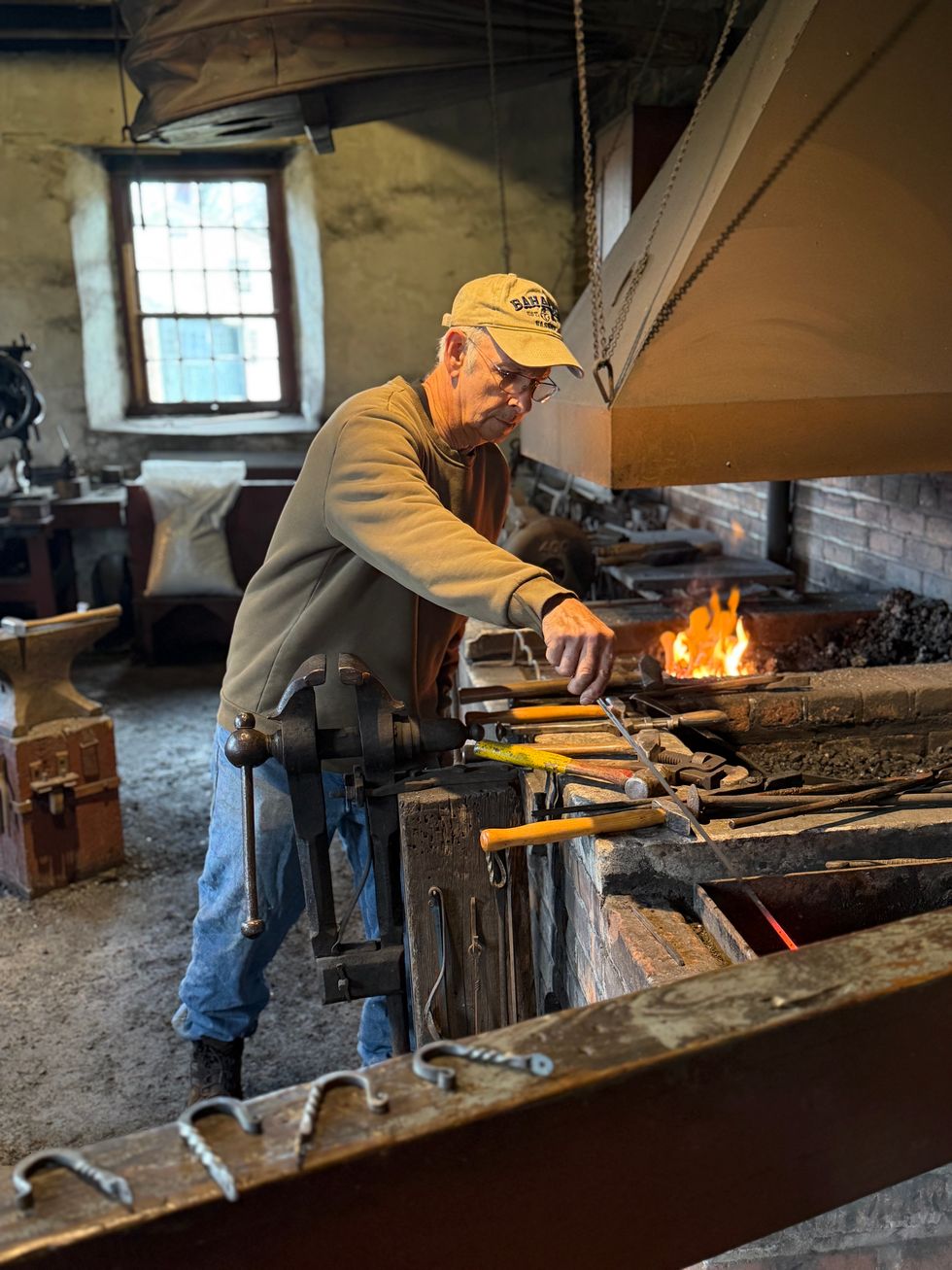
Blacksmith Peter Kergaravat at work.
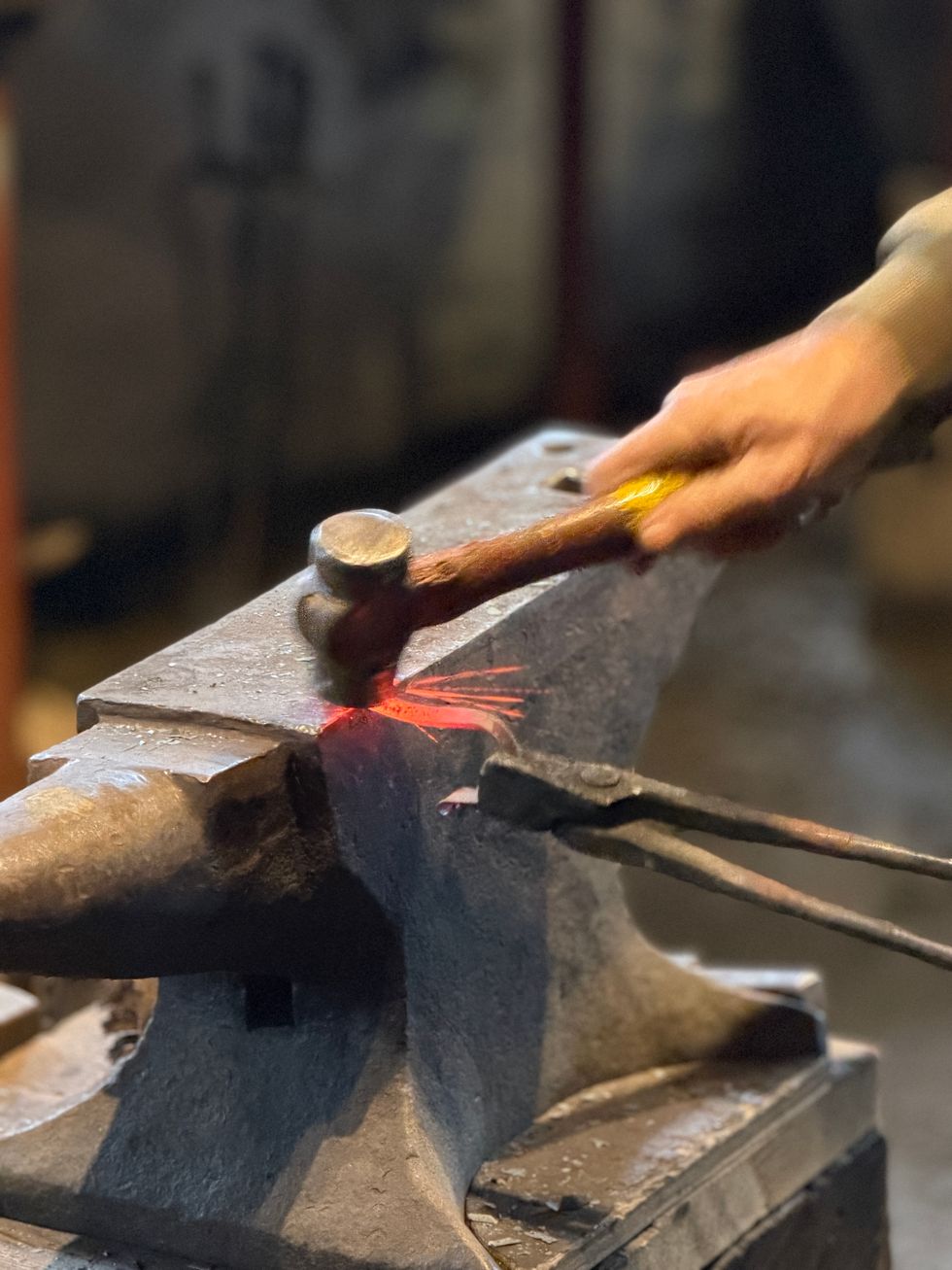

Burning coal smelled acrid as the blacksmith fired up his stove to heat the metal rod he was transforming into a hook. Hammer on anvil is an ancient sound. My husband has blacksmithing skills and once made the strap hinges and thumb latches for a friend’s home.
Shaker chairs and rockers are still made today in the woodworker’s shop. They are well made and functional, with woven cloth or rush seats. In the communal living space, or Brick Dwelling, chairs hang from the Shaker pegs that run the length of the hallways, which once housed more than 100 Shakers.
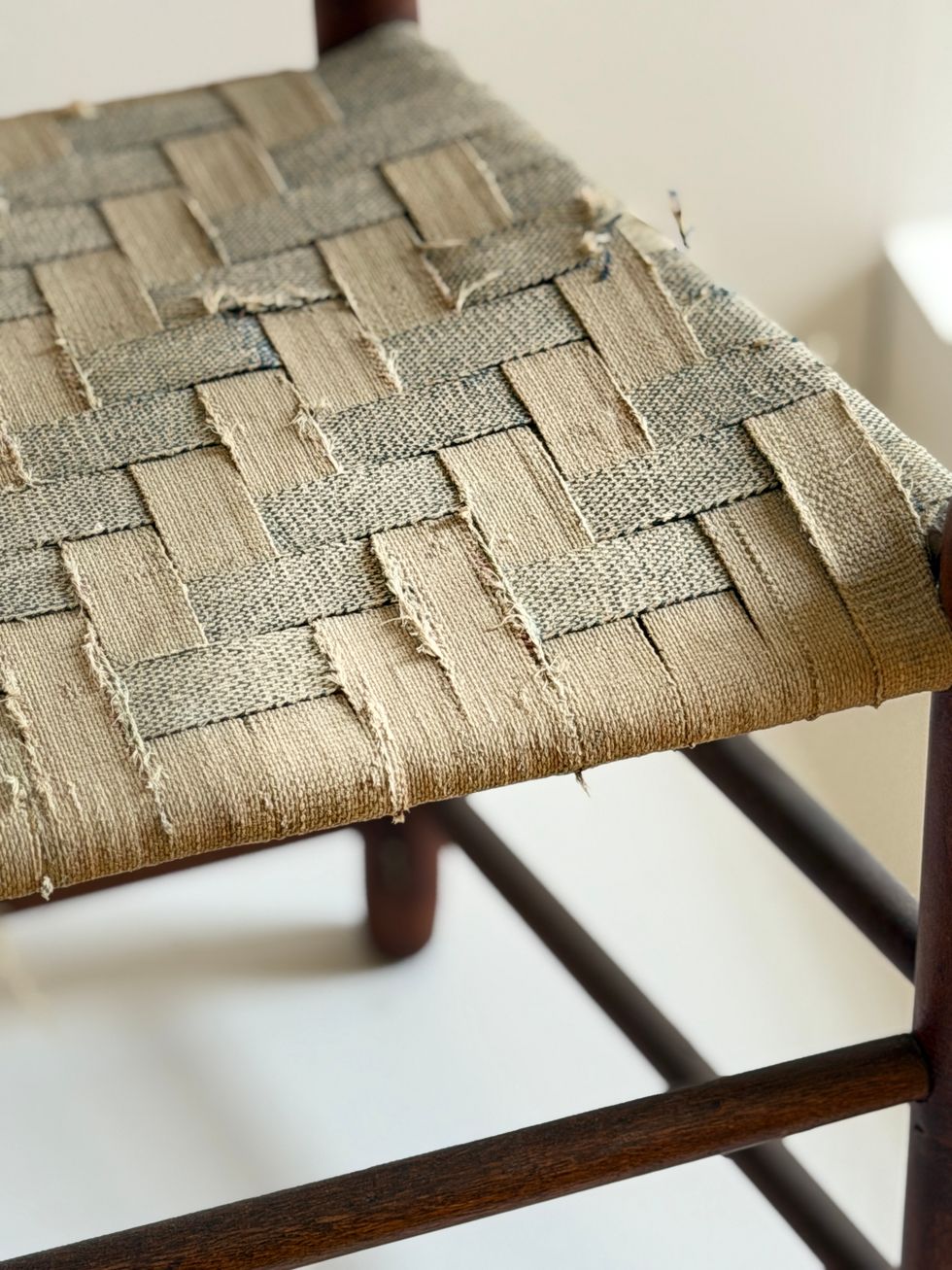 A Shaker chair.Jennifer Almquist
In 1826, the 95-foot Round Stone Barn was built of limestone quarried from the land of the 3,000-acre Hancock Shaker Village. Its unique design allowed a continuous workflow. Fifty cows could stand in a circle facing one another and be fed more easily. Manure could be shoveled into a pit below and removed by wagon and there was more light and better ventilation.
Shakers called us the “people of the world” and referred to their farm as the City of Peace. We take lessons away with us, yearning somehow for their simplicity and close relationship to nature. One Shaker said, “There’s as much reverence in pulling an onion as there is in singing hallelujah.”
A sense of calm came over me as I looked across the fields to the hills in the distance. A woman like me once stood between these long rows of herbs — summer savory, sage, sweet marjoram and thyme — leaned on her shovel brushing her hair back from her eyes, watching gray snow clouds roll down the Berkshires.
More information at hancockshakervillage.org
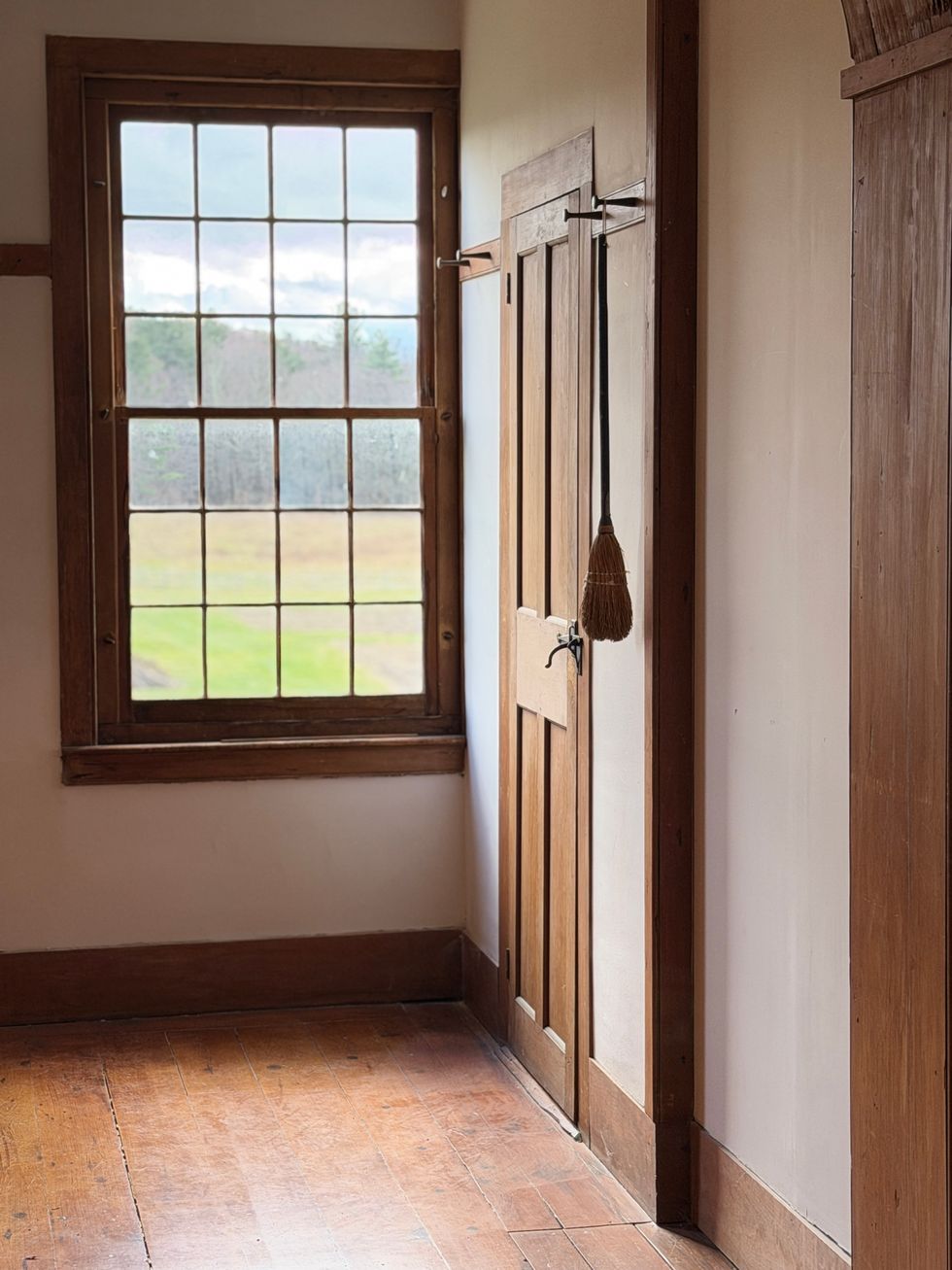 The Shakers embraced practical designs of great utility and beauty.Jennifer Almquist


According to Patrick Trettenero, executive director of the Stissing Center, “This year’s programming is inspired by our commitment to bring people together through the shared experience of arts and culture. It’s a lively mix of musical styles — from roots, classical, world, rock and jazz — to our always-popular singer-songwriter series, with more than 50 music events to choose from.”
In addition to music, the season includes theater and dance. Highlights include the Hudson Valley Puppet Slam and the Roundtop Burlesque Revue, along with dance performances ranging from flamenco to Irish step. A film series will showcase the indie comedy favorite Hundreds of Beavers and a live-score screening of the beloved silent Charlie Chaplin classic The Kid. The season also includes free programs for children all summer, along with community events and family-friendly fare.
The 2026 season also marks the launch of The Grace Note, an intimate venue located downstairs at the Stissing Center that will serve as an inviting and informal entry point to mainstage shows. The Grace Note will be open every Friday night and will feature singer-songwriters, stand-up comedy, jazz quartets, play readings, storytelling and more.
 Natalia Zukerman will open the series at The Grace Note, the new space at The Stissing Center on Feb. 13.Sarah Blodgett
The venue is part of the center’s commitment to offering a place for locals and visitors alike to gather and discover new work, hear familiar voices in new ways and enjoy a great night out in the neighborhood. The Grace Note opens Feb. 13 with a performance by local singer-songwriter Natalia Zukerman, who is also the Lakeville Journal and Millerton News’ arts, lifestyle and engagement editor. Her masterful musicianship and storytelling blend folk, blues and Americana with wry humor and emotional clarity, creating an experience that feels both personal and expansive. Zukerman said, “I’m honored to be opening the season in this beautiful new room at The Stissing Center. The Grace Note opens up lots of creative opportunities for the Center, for performers and for our community. It’s thrilling.”
“We are very intentional about this season and the launch of The Grace Note,” Trettenero added. “Our goal is simple: to make the Stissing Center a place for people of all backgrounds and perspectives to come for great arts experiences, to support outstanding artists and to offer a place for connection and shared humanity through the arts.”
The full season schedule and tickets for all events are available at thestissingcenter.org or by calling 518-771-3339.