I just put the skeletons away — literally — into their neatly labeled Halloween plastic bins, along with the faux cobwebs, flickering lanterns and haunted houses that feature tiny tea lights. As I closed the lid, I found myself eyeing — albeit hesitantly — the Christmas décor.
We just voted, and now I’m sprinting toward Christmas? Too soon? Maybe. But before you judge, hear me out.
As an interior designer with a seasonal division, decorating restaurants, hotels and client homes fills the calendar long before December’s first flakes fall. While many of you are still working your way through leftover trick-or-treat candy, I’m busy fluffing garlands, steaming bows and untangling strings of lights that somehow tie themselves into sailors’ knots. Full inventory assessments are underway, batteries and extension cords are being tested, and by Thanksgiving or shortly after, every wreath, tree and ornament will be perfectly placed.
As for my own holiday décor? Well, it’ll likely go up somewhere between Black Friday and Christmas Eve, when I’ll be tiptoeing through my living room at 2 a.m., stringing lights and hoping I get even half of it up before I run out of time.
This year, I’m seriously considering pulling a page from my freshman daughter’s and college-aged niece’s book. Their bedrooms in our home are already little winter wonderlands — soft fairy lights, flocked mini trees, cozy throws, flannel sheets and all the sparkly magic of the season. It’s less “Santa’s Workshop” and more “quiet snow globe” — peaceful, pretty and brimming with cheer.
And honestly, who couldn’t use a bit more of that?
Truth be told, there’s some science behind it. Studies show that people who decorate earlier tend to be happier. Psychologists say it triggers nostalgic feelings, releases dopamine — the “happy hormone” — and brings back joyful memories from childhood. In other words, twinkling lights really do make life brighter.
Still, not everyone’s on board with decking the halls before the bird’s even in the oven. So, in the spirit of balance, let’s do a deep dive into the pros and cons.
The Pros of Decorating Early.
Longer enjoyment: You’ve spent time, energy and maybe a small fortune on décor — why not enjoy it for more than three weeks?
Less stress: Getting it done early means you can actually relax come December. Imagine that!
Instant cheer: The world feels a little kinder under twinkle lights.
Creative freedom: You’re not rushed. You can style and restyle until it feels just right.
Built-in motivation: Once it’s up, you’ll want to keep everything else organized and tidy. (It’s the decorator’s paradox.)
The Cons of Decorating Early.
Holiday burnout: Start too soon and you might be ready to take it all down before Santa even arrives.
Thanksgiving confusion: A turkey centerpiece under mistletoe just feels ... conflicted.
Peer pressure: Not everyone’s thrilled about jingling bells before mid-November.
Storage shuffle: Early decorating means the Halloween bins and Christmas bins battle for garage space.
Power bills: All those early twinkle lights can add up — financially and electrically.
For me, it’s a toss-up. I’m not hosting Thanksgiving — I do a big bash in October for our traditional Canadian Thanksgiving — so we’ll be at my in-laws’ here in Lakeville. That might give me just the breathing room I need to lean into the sparkle a little sooner.
But really, in the end, it isn’t about when the décor goes up — it’s about what it stirs inside us. The scent of pine, the glow of soft lights, the little moments that slow us down and remind us what we’re grateful for. Whether in November or December, if your holiday décor fills your home with peace and your heart with joy, that’s perfect timing.
Kerri-Lee Mayland is an Emmy award-winning news anchor and designer. She lives in Lakeville.

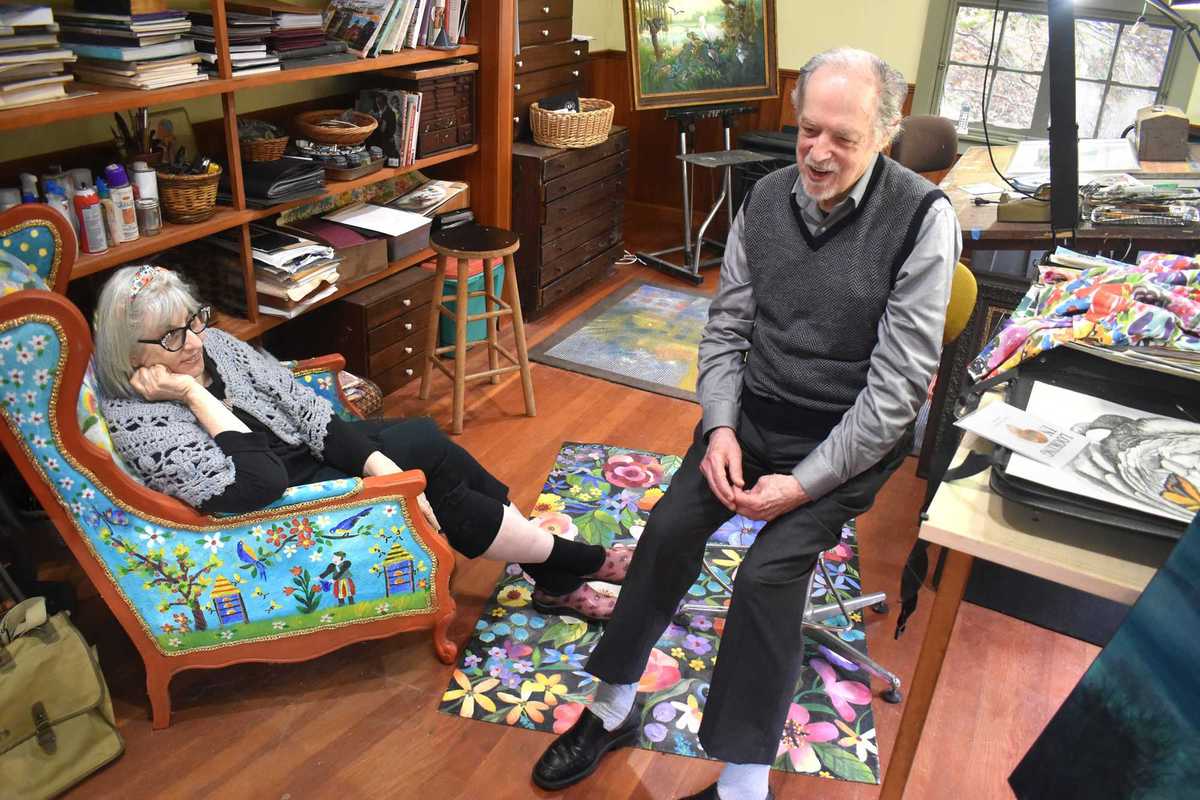
 Justine and Victor Valla in their studio with a painting of Victor’s,”Jonah and the Whale.” Robin Roraback


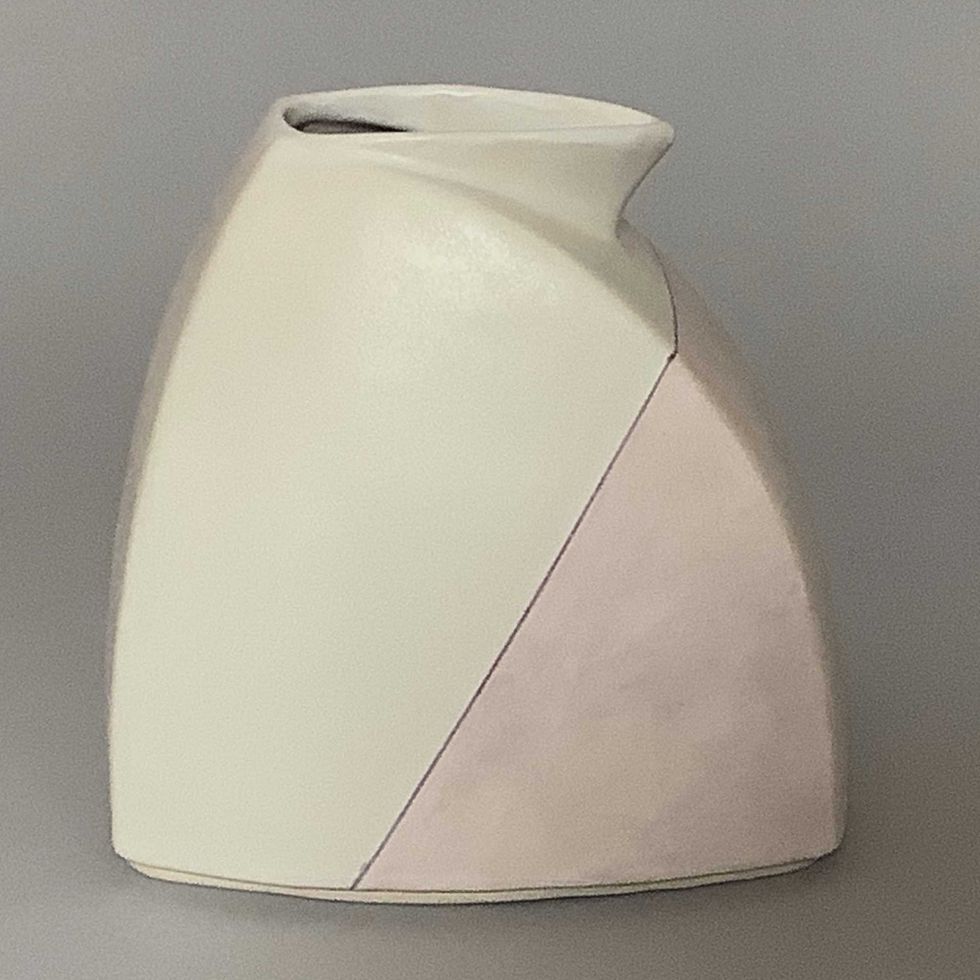 A ceramic vase by Kathleen Heidemann.Provided
  Joy Brown’s delightful ceramic sculptures.Provided