Thank you!
Your gift keeps The Lakeville Journal in our towns.

Scoville speech yields pro tips for podcasting

Scoville speech yields pro tips for podcasting

Mary O'Neill

Patrick L. Sullivan

Mary O’Neill gave a detailed presentation on how to set up and run a podcast. She spoke at the Scoville Memorial Library Sunday, May 19.

O’Neill and Main Street Magazine’s Thorunn Kristjansdottir have run the Main Street Moxie podcast for three years now. The pair interview interesting people throughout the Connecticut-New York-Massachusetts area. The interviews are about 50 minutes, and come out once a month, with a couple of breaks for holidays.

“We tell positive stories about people and places,” O’Neill said.

The format is “conversational,” she added.

She had the equipment she uses. A directional microphone with a filter over it, to cut out the “p” sounds. Each person gets their own mic to speak into.

An external hard drive.

A digital recorder, at about $300 the most expensive piece of kit.

And she uses Audacity, a sound editing application, and a hosting service called Buzzsprout.

Sometimes guests are interviewed remotely, and Zoom is used for that.

From soup to nuts, it all adds up to $600-$800 or so.

O’Neill said it can be done cheaper. “You can use your phone.”

But this is the routine she and Kristjansdottir have settled into.

Other tips: “Batch” your podcast episodes. “People like to binge.” She recommended having three episodes ready to go when the podcast starts.

Know your guest. O’Neill said good research ahead of the interview makes for better questions and a smooth interview.

Don’t be a perfectionist. O’Neill admitted to being a perfectionist herself, and said it took a while for her to realize that “good enough” is a perfectly acceptable goal.

O’Neill emphasized that she learned much of what she now knows about podcasting on the fly, from YouTube videos and from experimenting with the equipment and applications.

She also said once a format is determined, “stick with it.”

“People are creatures of habit.”

Main Street Moxie podcasts can be found by going to www.mainstreetmoxie.press.
Latest News

All things local at The Local

All things local at The Local

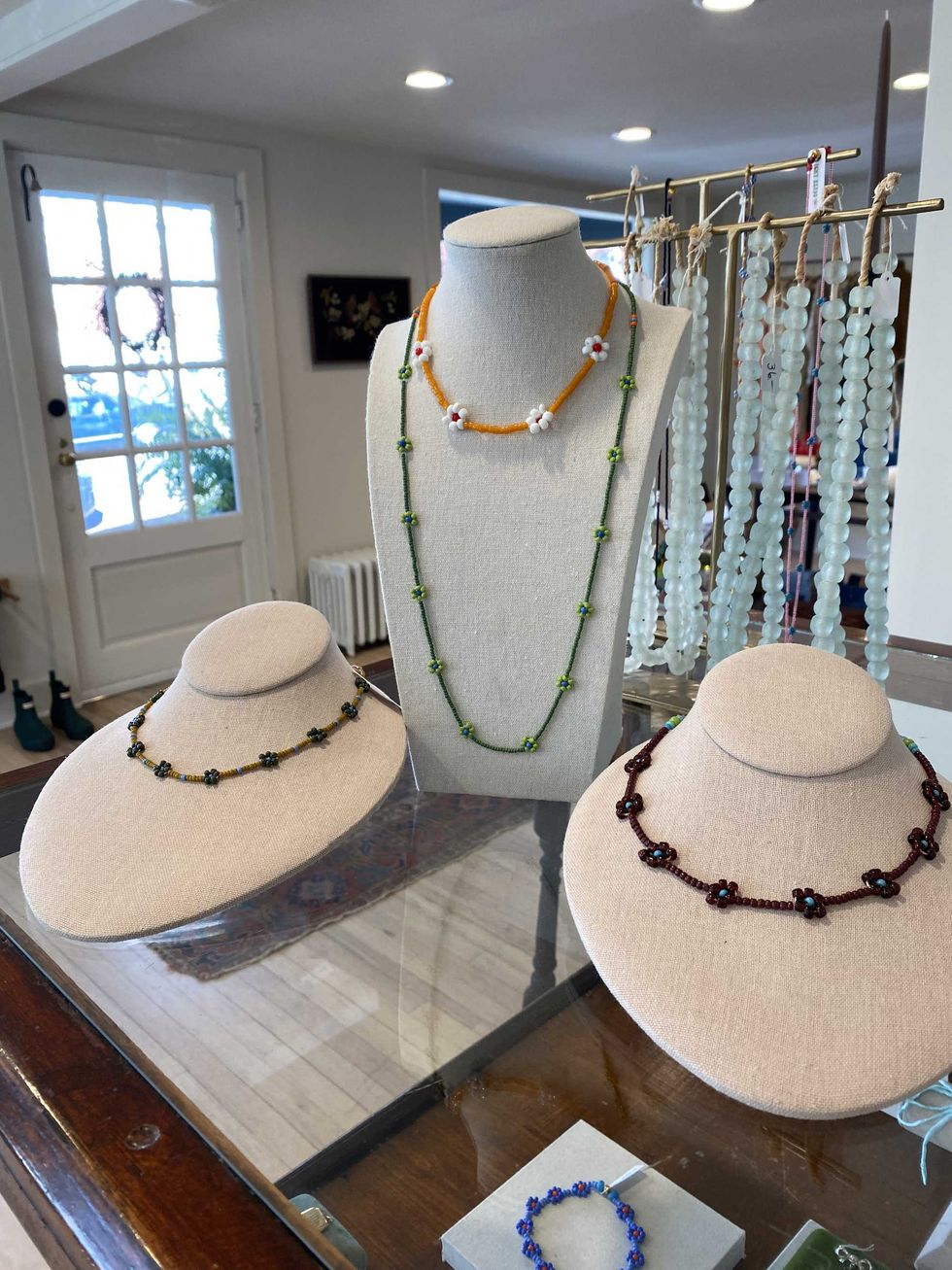
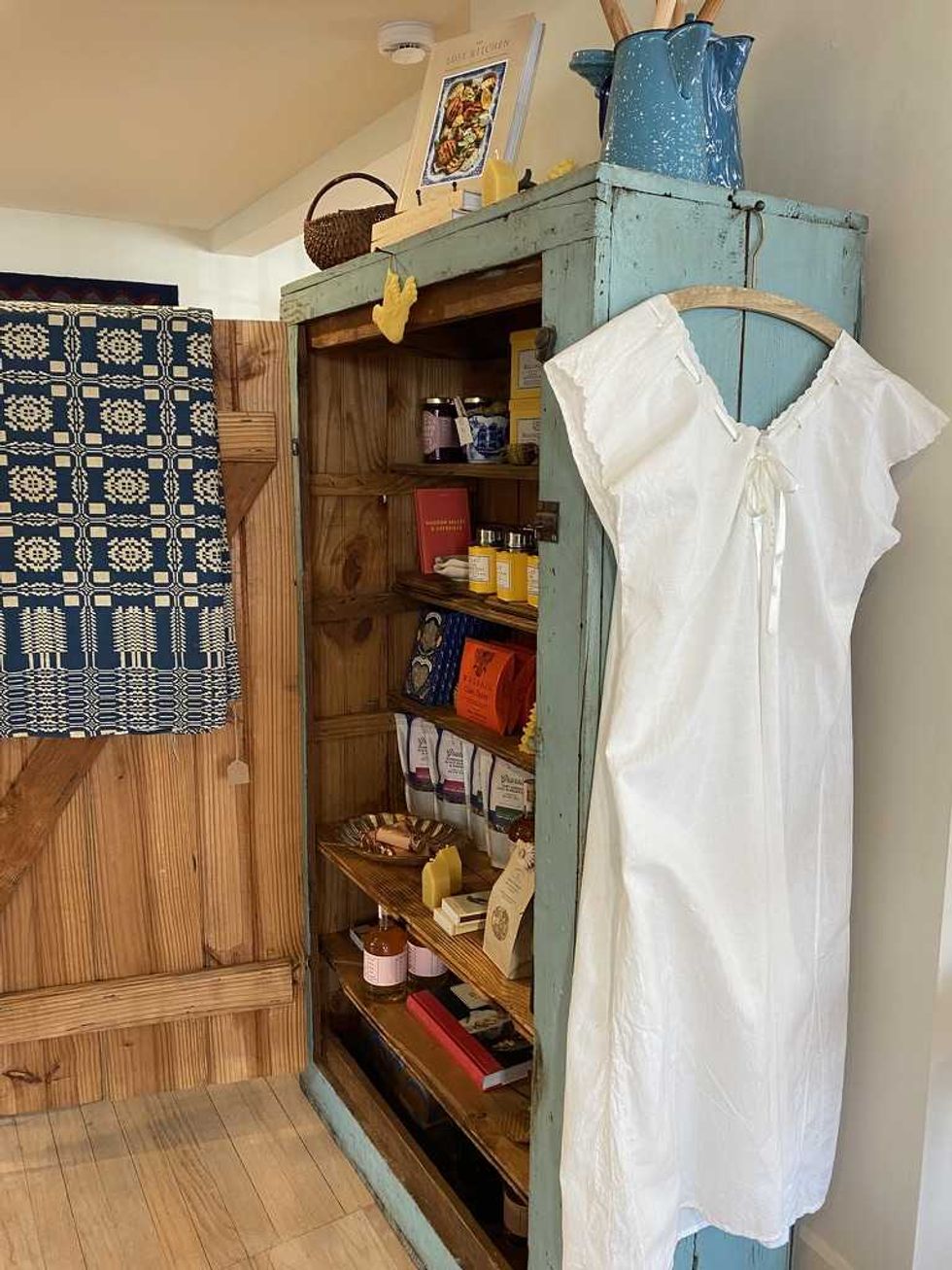
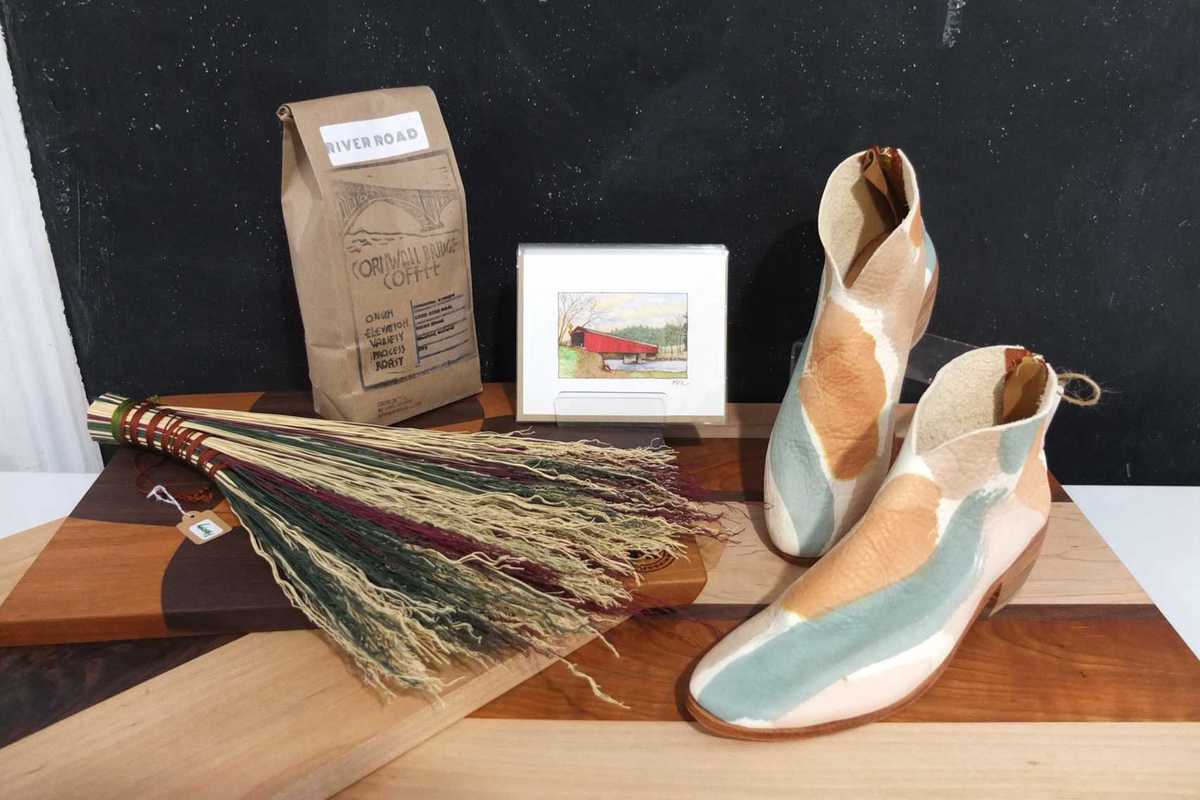
The Local offers a selection of handmade crafts from shoes to notecards.

D.H. Callahan

In the heart of West Cornwall, up the hill from the covered bridge and right by the train tracks, sits The Local, a beacon of the community filled with locally made goods and crafts. The Local is a nonprofit shop created to showcase the craftsmanship of the area. Owned by the Hughes Memorial Union, whose goal is to create shared spaces for the Cornwall community, the shop is run by the ever-tenacious and perpetually welcoming Libby Mitchell, who seems to have personal relationships with everyone who contributes.

The Local invites all kinds of craftspeople and creators who live or work in the Northwest Corner to contribute whatever they happen to make. The crafts are complemented by a wide variety of ingredients from local farmers and producers and a scrumptious array of prepared foods from chefs, bakers and cottage kitchen cooks with something special to share. Since the store is only open on Fridays and Saturdays, those prepared foods are always fresh and always delicious.

Keep ReadingShow less
Hand-knit warmth at Whistle Stop Boutique

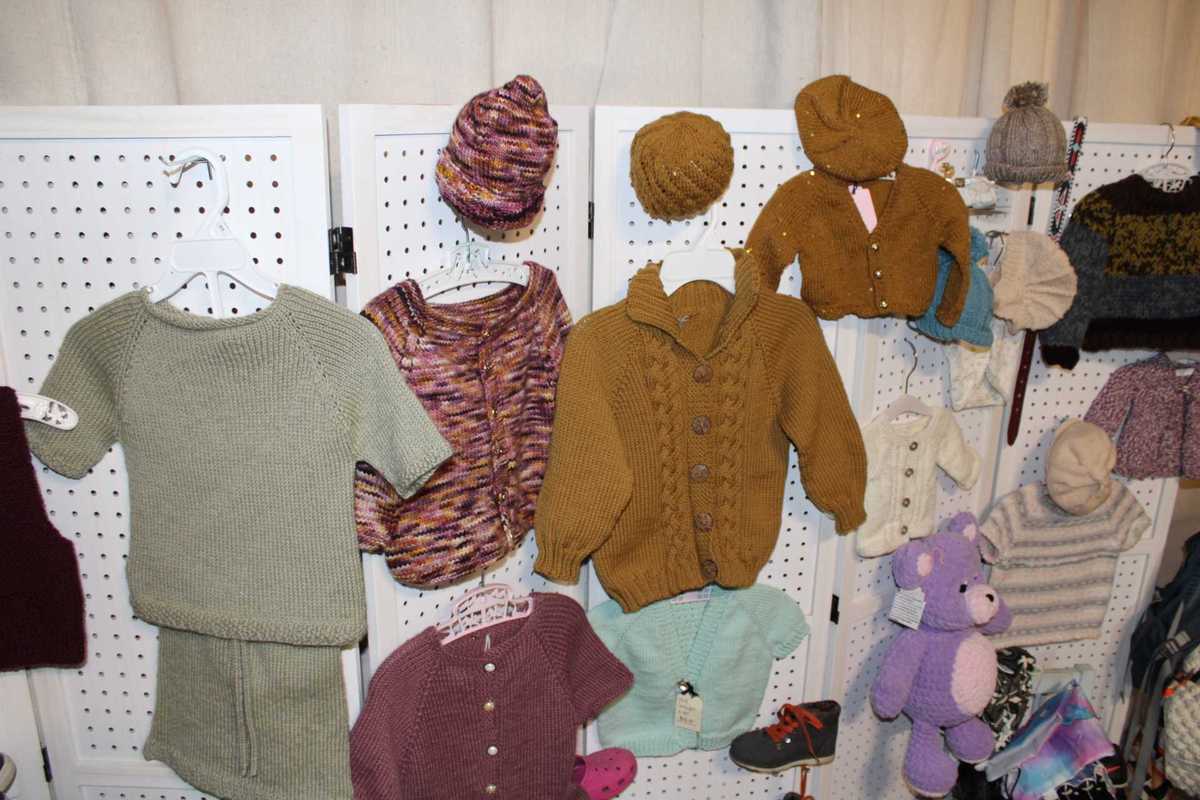
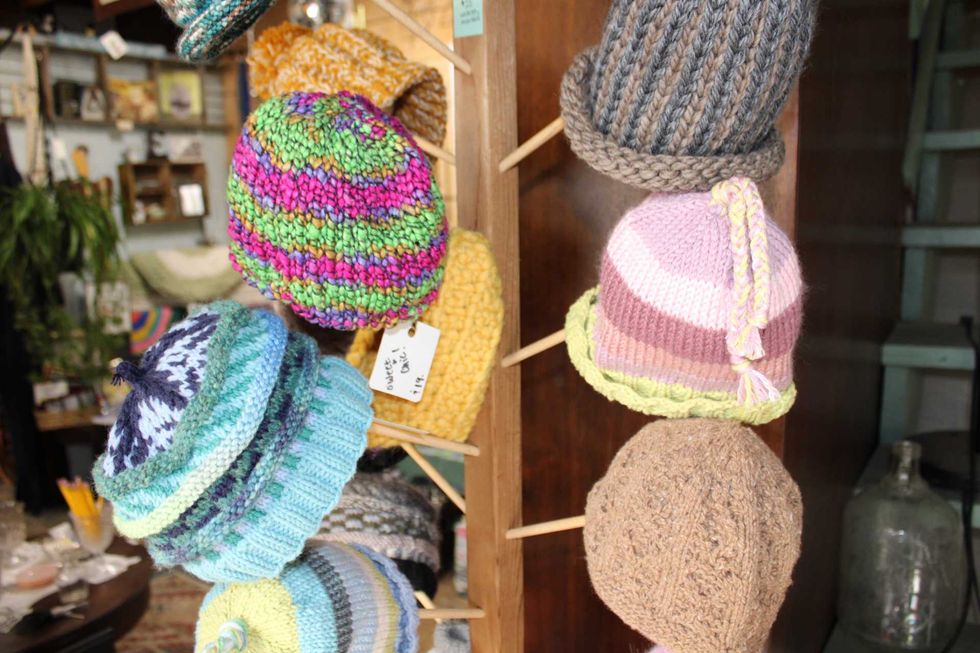
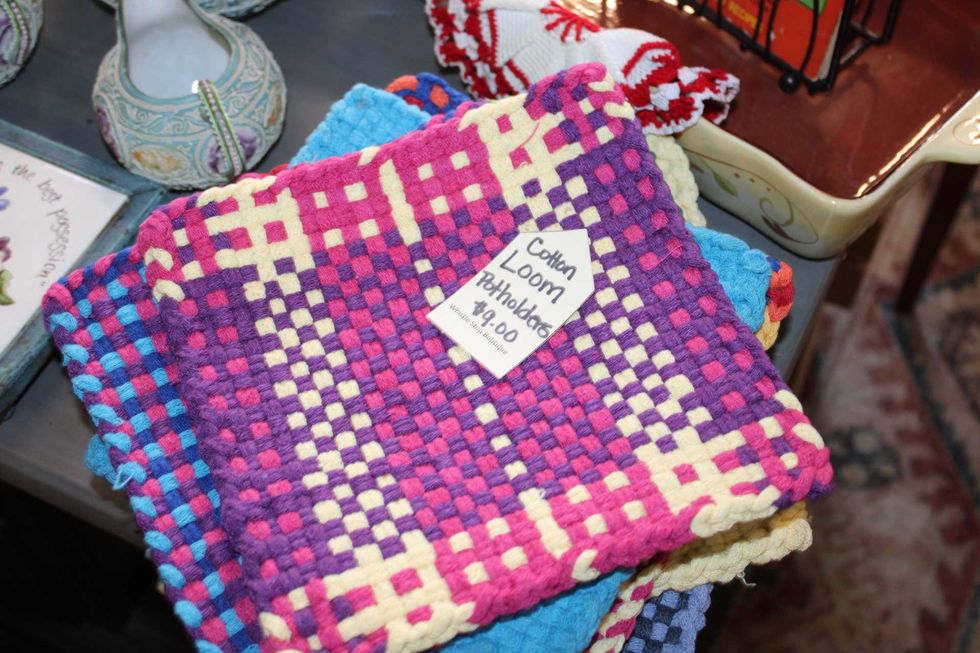
Hand-knit hats, mittens and potholders at Whistle Stop Boutique.

Graham Corrigan

After shopping for the kids, consider stopping next door. Whistle Stop Boutique is just steps away from Cedar Closet and offers a variety of clothing and accessories for adults and children. Its specialty is hand-knit winterwear. Proprietor Naomi Calabro and her sister, Denice, make everything from hats ($25) and purses ($6) to sweaters and blankets ($35 to $60).

There are also mittens for adults ($27) and children ($13), along with potholders ($13). The boutique carries plenty of other items not handmade by the Calabros, including workwear, vintage clothing and unique household goods.

Keep ReadingShow less

A little luxury for everyone on your list

A little luxury for everyone on your list

Potterwork bud vases.

Provided

Geraldine Woodruff grew up in Scotland and brought her extensive retail experience at Heal’s of London, Conran’s and Pottery Barn to Litchfield County when she opened her boutique in 1992.

Terston began as a home accents store and has since expanded to include a curated collection of women’s apparel, including sumptuous sweaters, jewelry, accessories, dresses and warm coats. The bright, welcoming emporium features soft music and inviting scents to soothe the senses.

Keep ReadingShow less
google preferred source

Want more of our stories on Google? Click here to make us a Preferred Source.

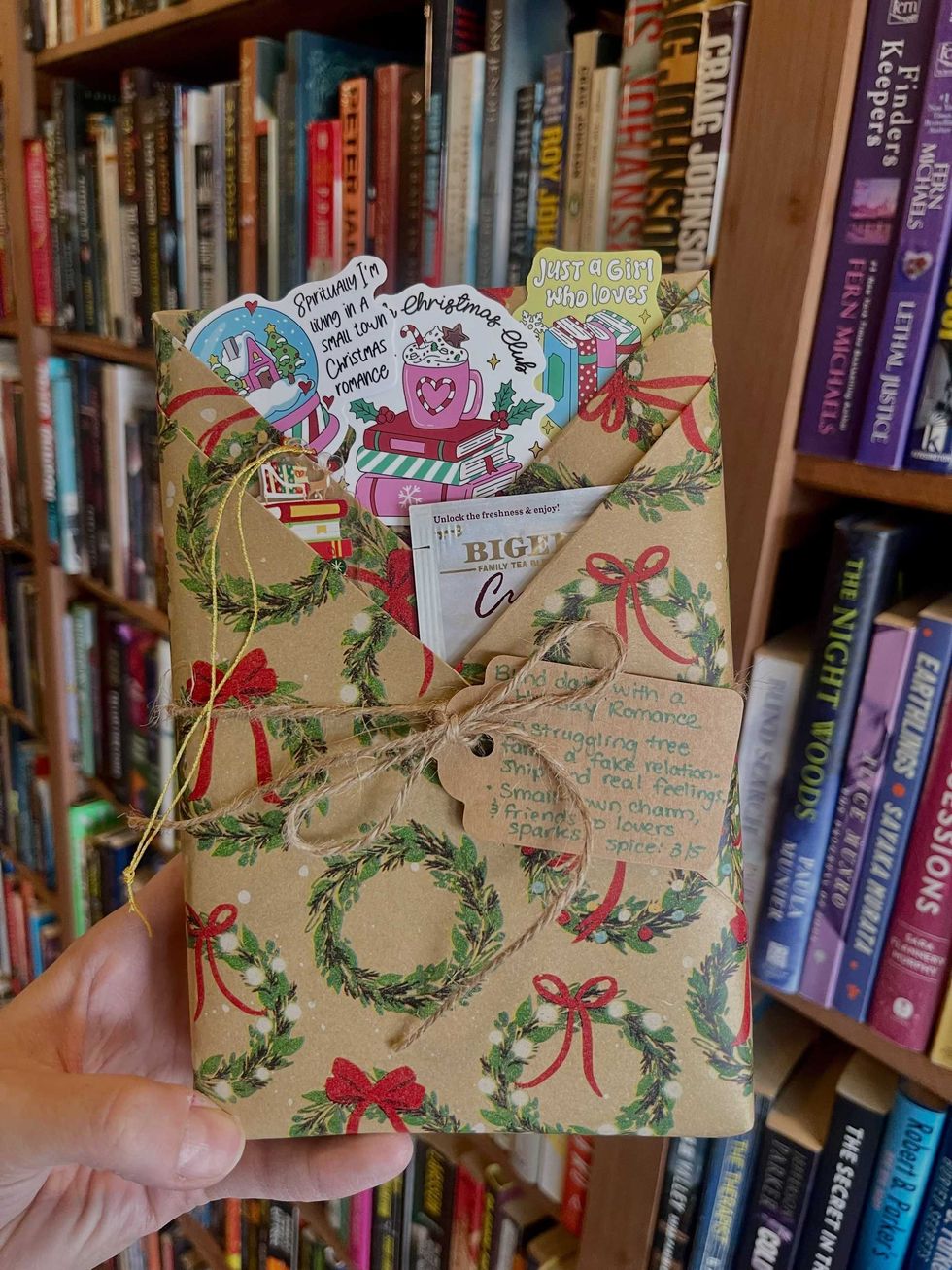
A little something for every reader at Whistle Pig Books

Used books for readers of all ages and interests.

Emily Peterson

Co-owners Emily Peterson and Thom Wilson describe Whistle Pig Books as “tucked into a cozy little space at 62 Main Street in North Canaan.”

The used bookstore offers hundreds of books for readers of all ages and interests. With paperbacks priced at just $2 and hardcovers at $4, there’s something for everyone, especially holiday shoppers looking for affordable and thoughtful gifts.

Keep ReadingShow less
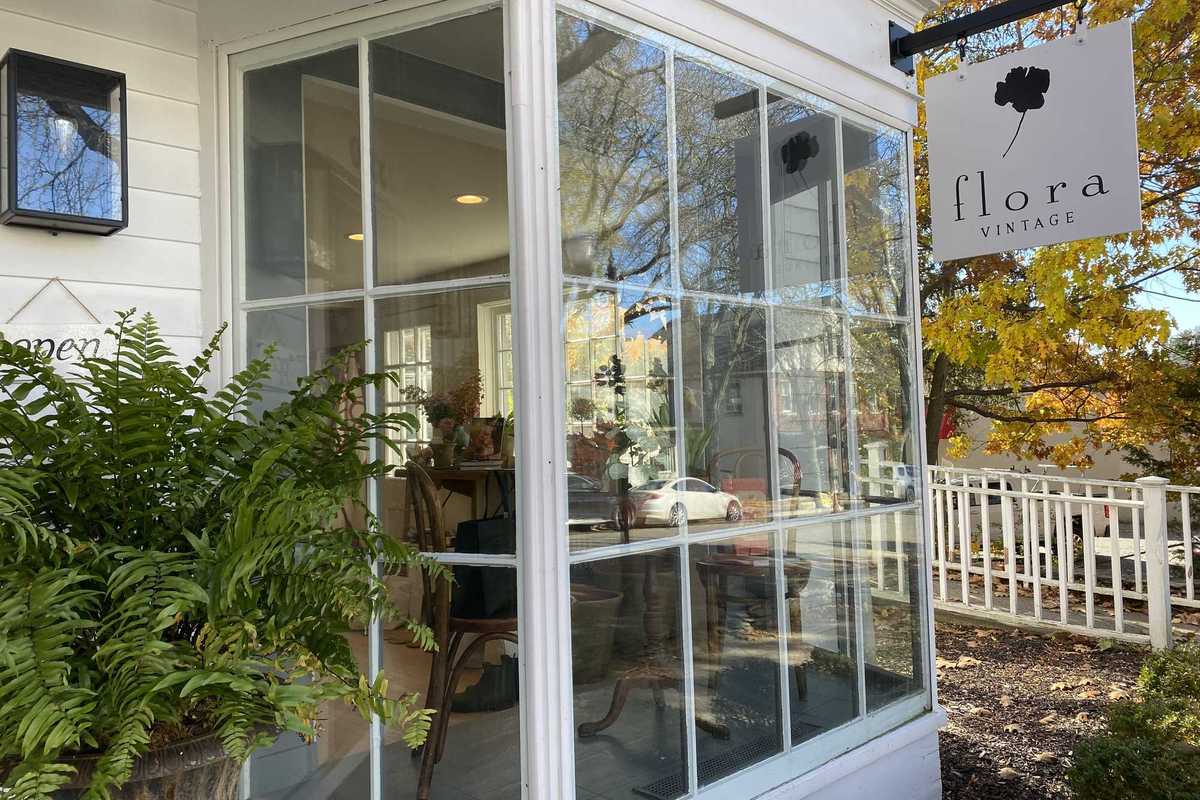
Gifts with a past, treasures for the present at Flora Vintage
Leila Hawken

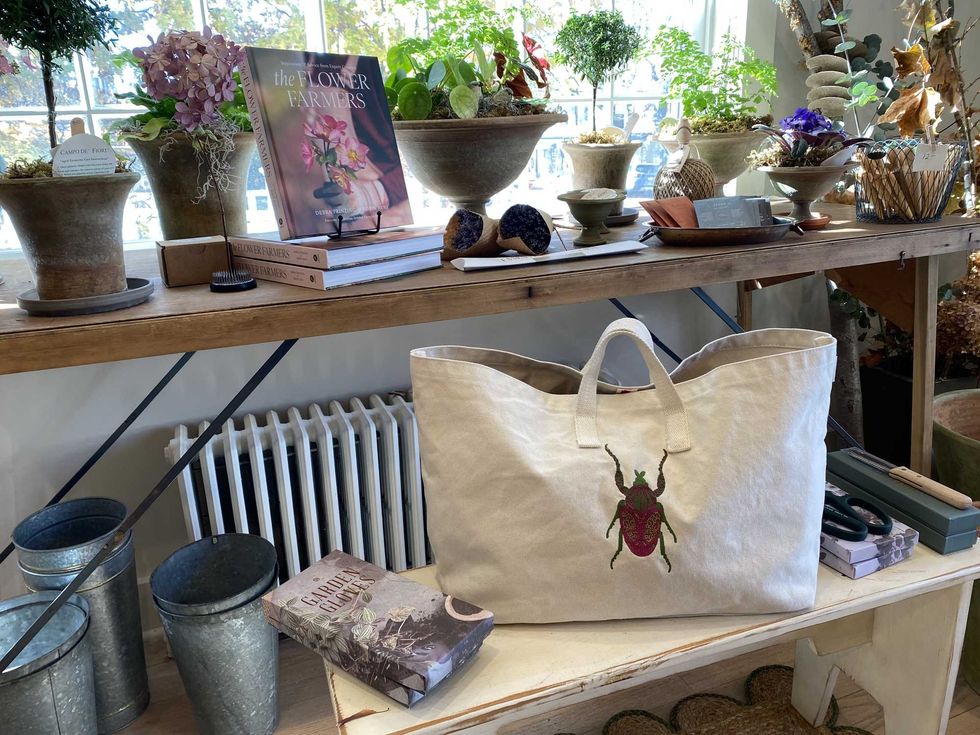
Flora Vintage offers the thrill of discovery as shoppers find something unexpected and delightful to bestow upon friends and family as holiday gifts. Newly opened on Franklin Avenue in Millbrook, the welcoming shop is definitely worth a look.

Owner Brooke Savona has devoted years to traveling, collecting and connecting with creative minds in fashion, design and art. The result is a business rooted in nostalgia, craftsmanship and care for clothing and objects that will become heirlooms.

Keep ReadingShow less

Chelsea Miller’s handcrafted knives

Chelsea Miller’s handcrafted knives

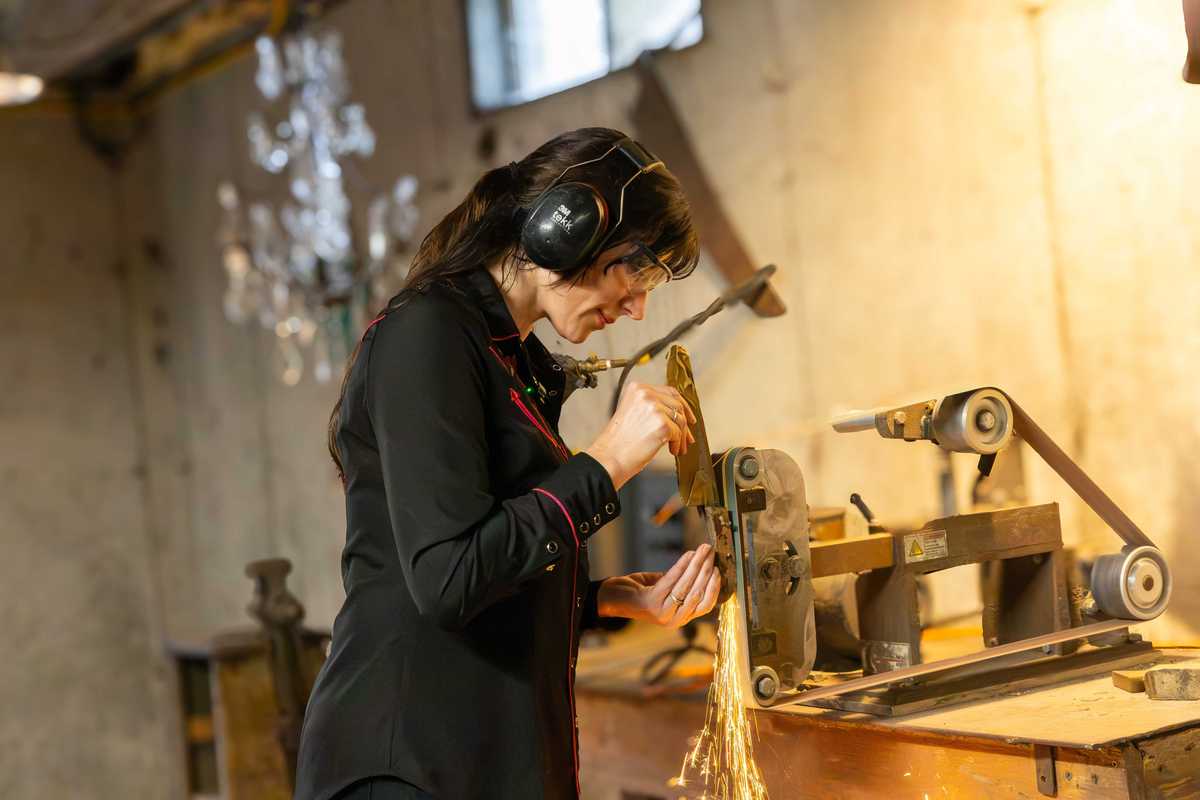
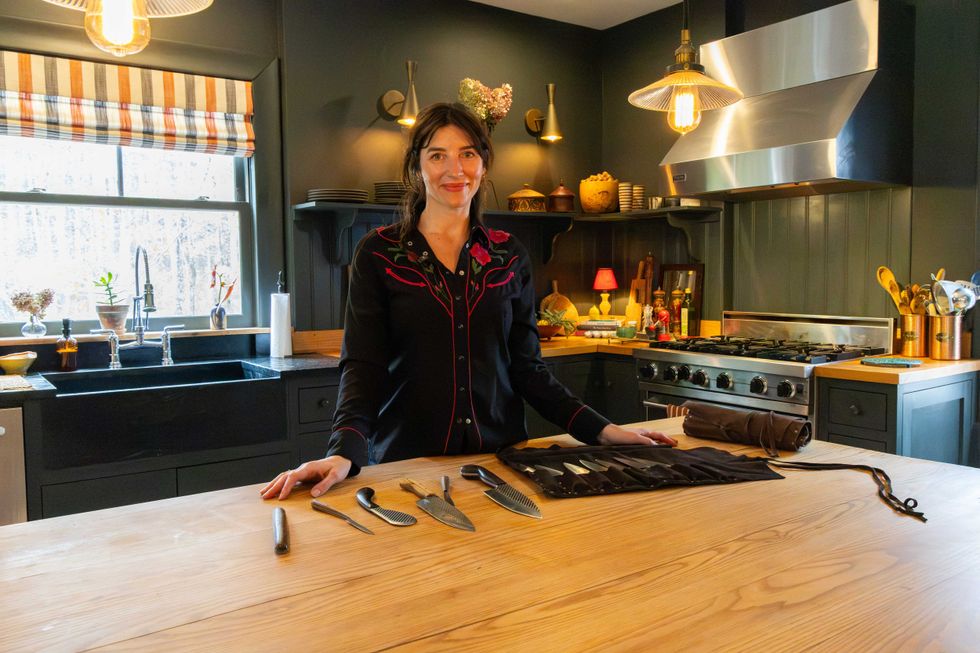
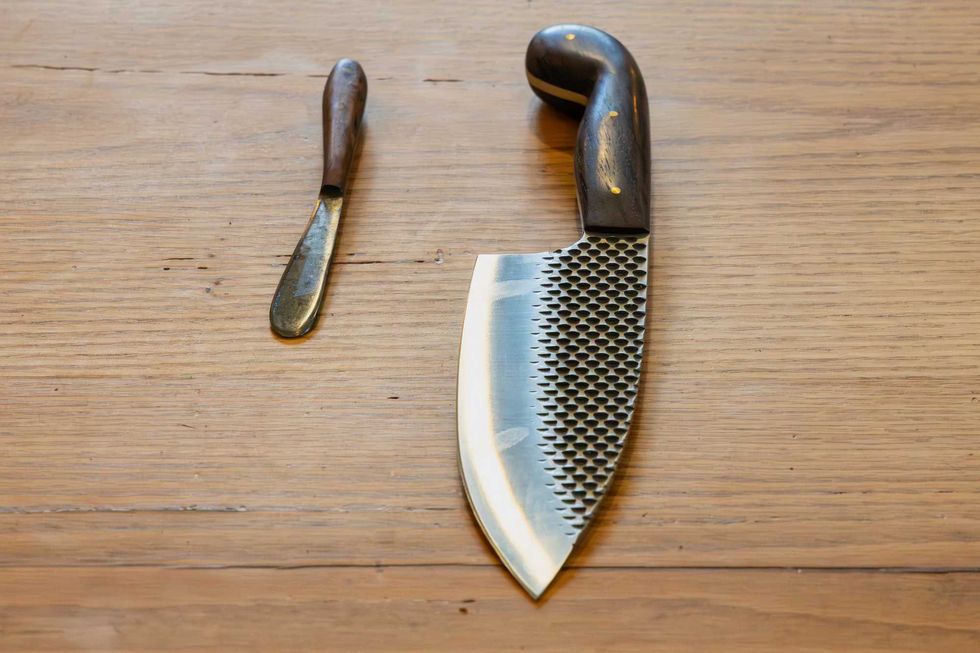
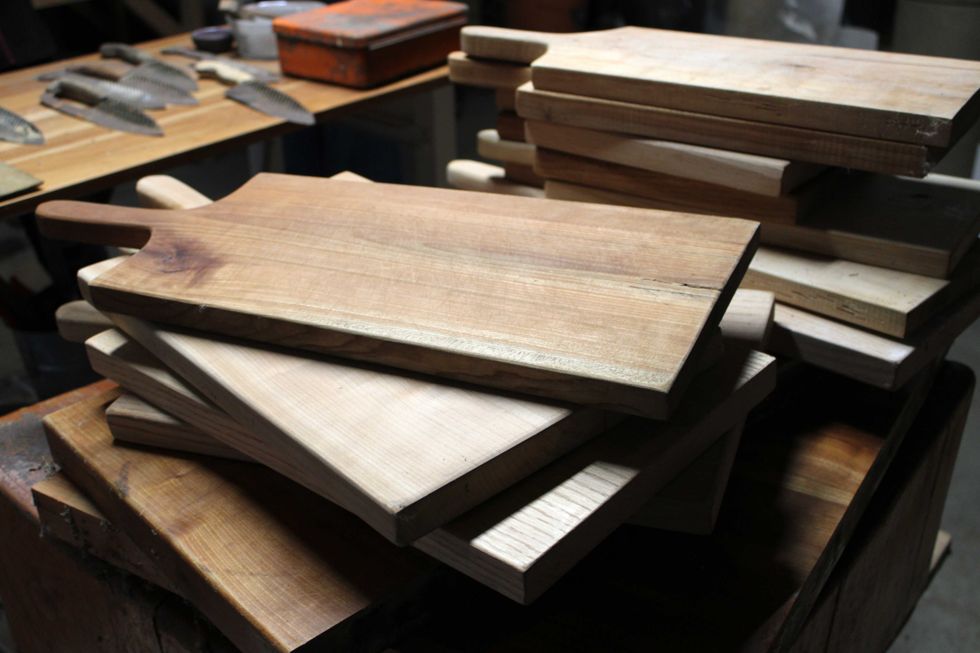
Chelsea Miller’s knives are made by hand in Falls Village.

Madi Long

Raised in rural Vermont by a carpenter-blacksmith father, Chelsea Miller grew up surrounded by tools and materials that could be transformed rather than thrown away. But it wasn’t until 2011, when Miller’s father became seriously ill, that she found her own way into the family workshop.

“I was living in New York. My dad got sick, and I was just ... trying to figure out what it is I wanted to do with my life,” Miller said. “I just really needed to come back to my center and work with my hands.”

Keep ReadingShow less
google preferred source

Want more of our stories on Google? Click here to make us a Preferred Source.

google preferred source

Want more of our stories on Google? Click here to make us a Preferred Source.