These early spring days of fluctuating temperature can have an effect on your tire pressure and thus on your fuel mileage.
When the outside temperature drops 10 degrees Fahrenheit, the air pressure inside your tires goes down about one or two pounds per square inch. According to the EPA, a tire that is under-inflated by only two pounds per square inch can cause a 1 percent increase in fuel consumption.
It can make a difference of three or four miles per gallon. That’s at least 36 more miles to the average tank of gas. At one tank of gas per week, you could be adding 1,872 free miles in a year!
Check your tire pressure and add the necessary air to keep up recommended levels. The correct tire inflation is found on the vehicle placard found on the driver’s doorjam or in the owner’s manual. All tires must have a DOT number on the lower sidewall to be legal. Radial tires, being more rigid, give you about 4 percent better mileage than bias-ply tires. Low Rolling Resistance Tires, most manufacturers agree, have poorer wet traction, poorer handling and lower tread-life than the tires recommended for your car.
Katherine Freygang is the chair of the Cornwall Energy Task Force.


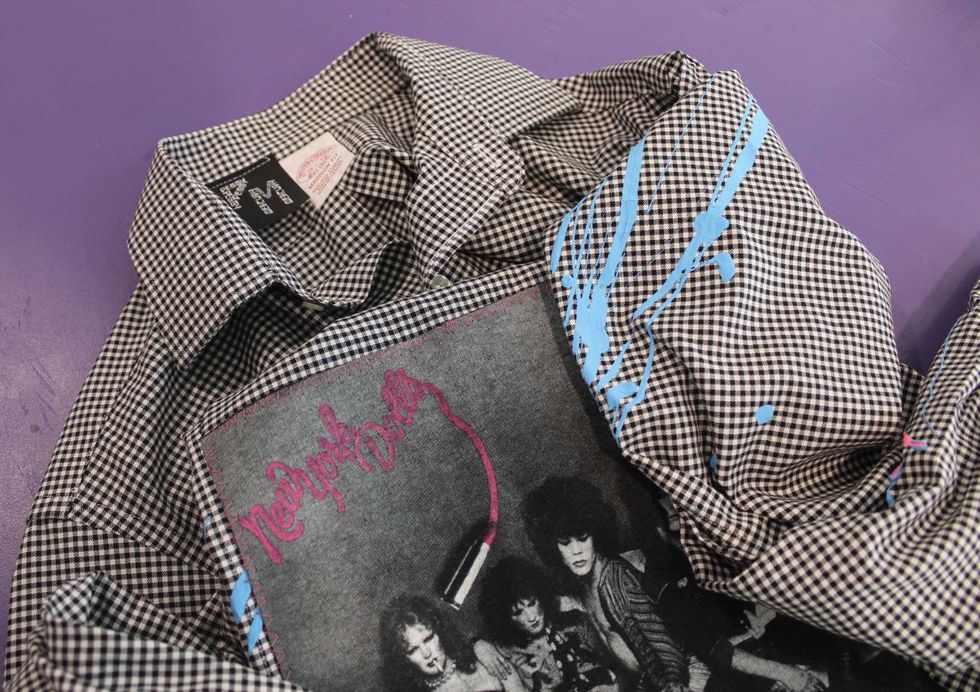 Classic styles, bold colors, and creative concerts make up the “Imaginary Concerts” line at Peggy Mercury.Provided
 Shirts from Peggy Mercury’s first fashion line, “Imaginary Concerts,” hang on display.Provided