In 2014, President Barack Obama called it “the most vital piece of infrastructure that needs to be built in the entire country”. In 2026, New York’s Senator Charles Schumer said Gateway was “the largest public works project in America”. Perhaps because of its decades long timetable (2022-2038) and its physically low-lying nature, it is not well known to Northwest Corner residents.
Begun in 2011 as a project to improve that crucial part of the Boston-to-Washington Northeast Corridor(NEC)rail system between Newark, NJ and New York, NY, the need for Gateway became considerably more apparent in 2012 with the damage to the “North River” pair of tunnels beneath the Hudson River. The two parallel single track tunnels opened back in 1910, suffered widespread damage from Hurricane Sandy and were in need of major repair and renovation as well. The basic idea of the Gateway project was to build two new single track tunnels adjacent to the original North River ones, then rebuild the original pair and throughout the entire construction process attend to the myriad repairs and improvements to bring the whole area’s rail service up to modern standards. The improvements are expected to double train capacity.
It took nearly a decade to line up both funding from federal agencies and the state governments involved and to complete regulatory filings. In 2021, the project was formally approved by the federal government and work officially began in 2023. The total cost was estimated (in August 2021) to be $16.1 billion. The new tunnels are scheduled to be completed in 2035, the re-construction of the original in 2038.
The Gateway Project is the central, most congested portion of what is commonly known as the NEC which extends from Boston to Washington, DC (with plans eventually to extend to Maine and Florida). Each day Amtrak carries more than 750,000 passengers on its trains. Its tracks also carry eight commuter rail company lines and several freight lines. NEC has developed a program of high speed trains, one of which, the Acela reaches speeds of 160 MPH along parts of MA, RI, and NJ; trains only await funding for improved track beds for the faster trains.
The NEC, from Boston to Washington, of which the Gateway Project is the centerpiece, runs through nine states and the District of Columbia; all of which politically, are Democratic. All of the Federal funding for the project was legislated under the Biden administration’s 2023 Infrastructure Investment and Jobs Act. President Biden himself was a major supporter of rail travel. President Trump, never a fan of trains, has several times tried to block or reduce federal funding for Gateway. Under the funding agreements the states of New York and New Jersey each are responsible for a quarter of the overall costs with the Federal government paying for half of the cost. The Department of Transportation, under President Trump’s direction has been withholding scheduled payments to The Gateway Development Commission over feeble excuses with the result that Gateway runs out of money by February 6th and must lay off its staff of over 1,000 workers and shut down the entire project unless Trump directs the Transportation Agency to continue funding the project forthwith. “As this lawsuit makes clear, President Trump has illegally frozen congressionally appropriated and contractually obligated funding for Gateway,” said Senator Schumer. “This lawsuit would be unnecessary if President Trump did the right thing for New York and New Jersey and lifted his arbitrary freeze”.
Recently, the parts for two giant hole boring machines arrived from Germany and are in the process of being assembled near the point at which they will start their operations of digging down to and boring two enormous side-by-side tunnels beneath the Hudson River.
While the two new tunnels will be the centerpiece of Gateway, there is much more to this giant construction project. Penn Station in Manhattan and Penn Station in Newark are the ultimate destinations of the new tunnels, both some distance from the Hudson. Particularly in these extremely congested areas, constructing manageable train routes from tunnels to stations for both trains and passengers will be a formidable task.
Between the Hudson and Newark are more than a dozen rail bridges that need revisions or repairs to be a functioning part of the overall system. And there are countless appurtenances and tracks that must be re-aligned. The above ground portion of the project is very large and includes storage yards for trains in New Jersey and Long Island.
Not only the smooth functioning of rail transportation along the Eastern Seaboard depend on the successful resolution of the Gateway project. So also does the modernization of the American railroad industry. Plans across the country for enormous improvements, including new modern routes, High -Speed trains and more are waiting for this “kick in the pants” that a project like Gateway can help provide.
On February 6th, The New York Times reported that President Trump was ready to make a deal with Senator Schumer to release the withheld funds for the Gateway project if Schumer would support re-naming Penn Station and Dulles Airport after Trump. (Would this even be legal?) Stay tuned.
Architect and landscape designer Mac Gordon lives in Lakeville.

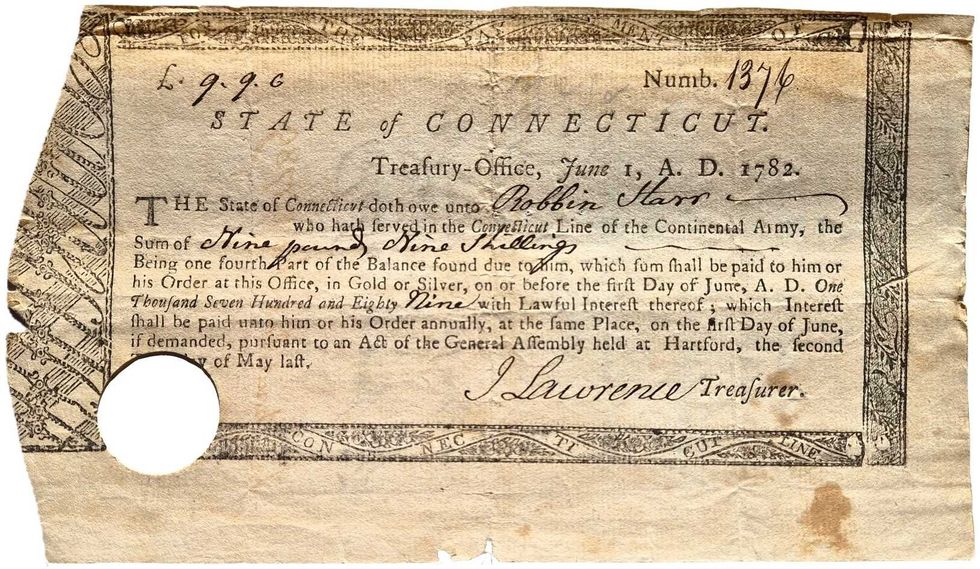 Pay Bill for Robin Starr’s service in the Continental Army.Courtesy the Alex Breanne Corporation
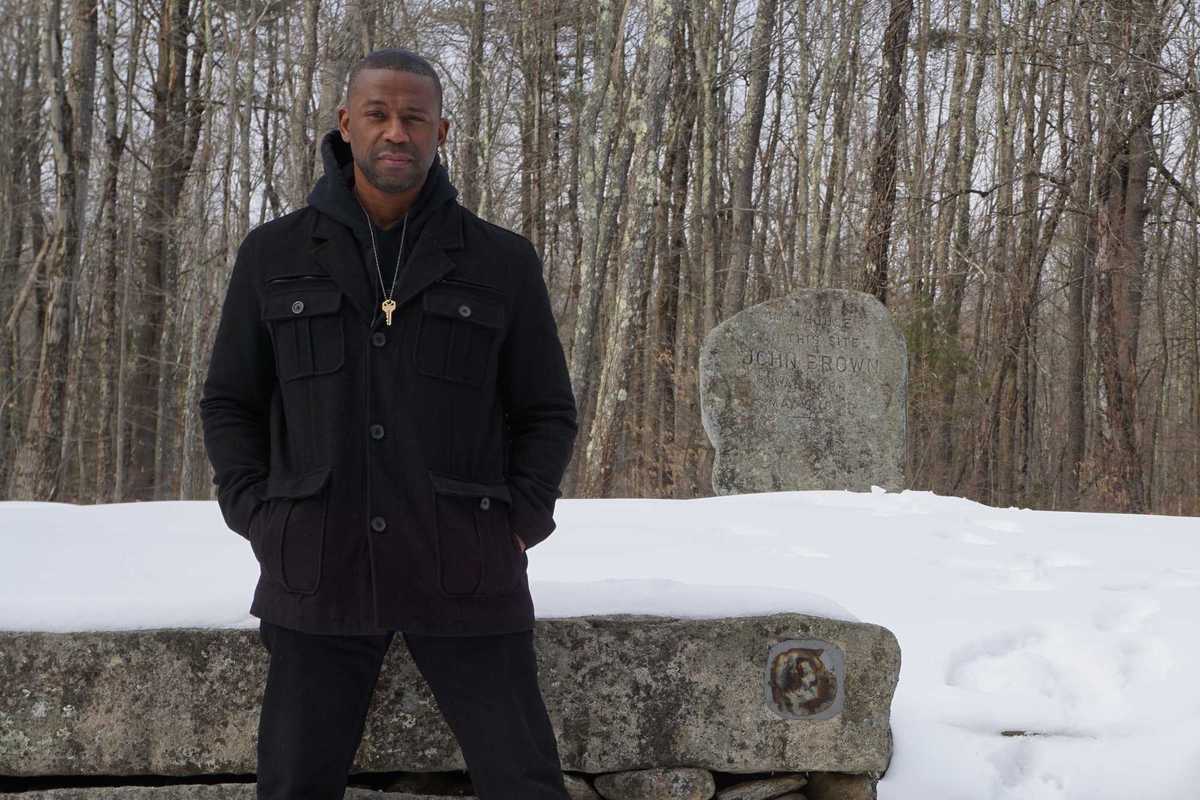
 John Mills speaking at Quinnipiac University.Courtesy the Alex Breanne Corporation
 Stephanie Saetta,with her rescue dog George and Blue (left), a shepherd mix awaiting his forever home.Madi Long
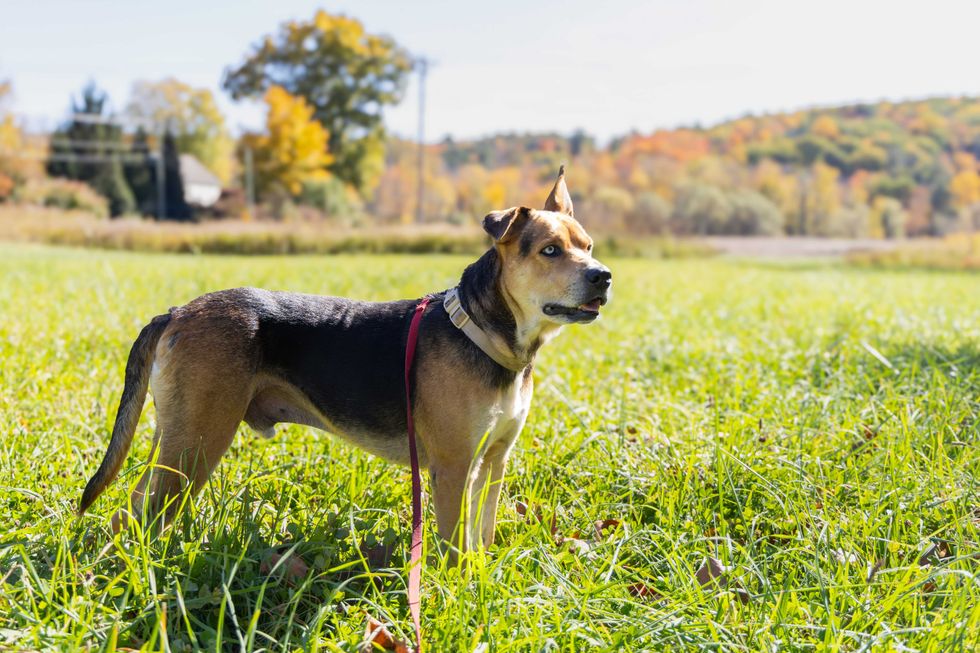 Blue, a 7 year-old Shepard mix, is waiting for his forever home. Madi Long