Thank you!
Your support is sustaining the future of local news in our communities.

When a kitchen island isn’t the answer

When a kitchen island isn’t the answer

Kitchen islands remain popular gathering spots, but they’re just one of many ways to create a functional, welcoming kitchen.

Kerri-Lee Mayland
Here in the Northwest Corner, many homes were built long before oversized islands became fashionable. Trying to squeeze one into a modest kitchen can leave the room feeling cramped instead of comfortable.

If you’ve ever hosted a party, you’ve probably noticed the same thing.

You can spend hours setting a beautiful dining table, fluffing pillows in the living room and arranging fresh flowers in the entry. Guests arrive, compliment your home, and then, almost without fail, everyone ends up standing in the kitchen.

If there’s an island, that’s where they’ll gather.

Kitchen islands have become the social center of many homes, but while they feel timeless, they’re actually a relatively modern invention. In colonial, Georgian and Victorian homes, you were much more likely to find a freestanding harvest table, butcher’s block or sturdy worktable in the middle of the room than a built-in island.

Don’t get me wrong. Islands are wonderful in the right space. They provide extra storage, generous prep space and casual seating. In many newer homes, they’re built right into the floor plan, and if there’s room, homeowners often dream of making them even larger — or adding a second one.

But here in the Northwest Corner, many homes were built long before oversized islands became fashionable. Trying to squeeze one into a modest kitchen can leave the room feeling cramped instead of comfortable.

Sometimes the better answer isn’t another cabinet. It’s borrowing an idea from the past.

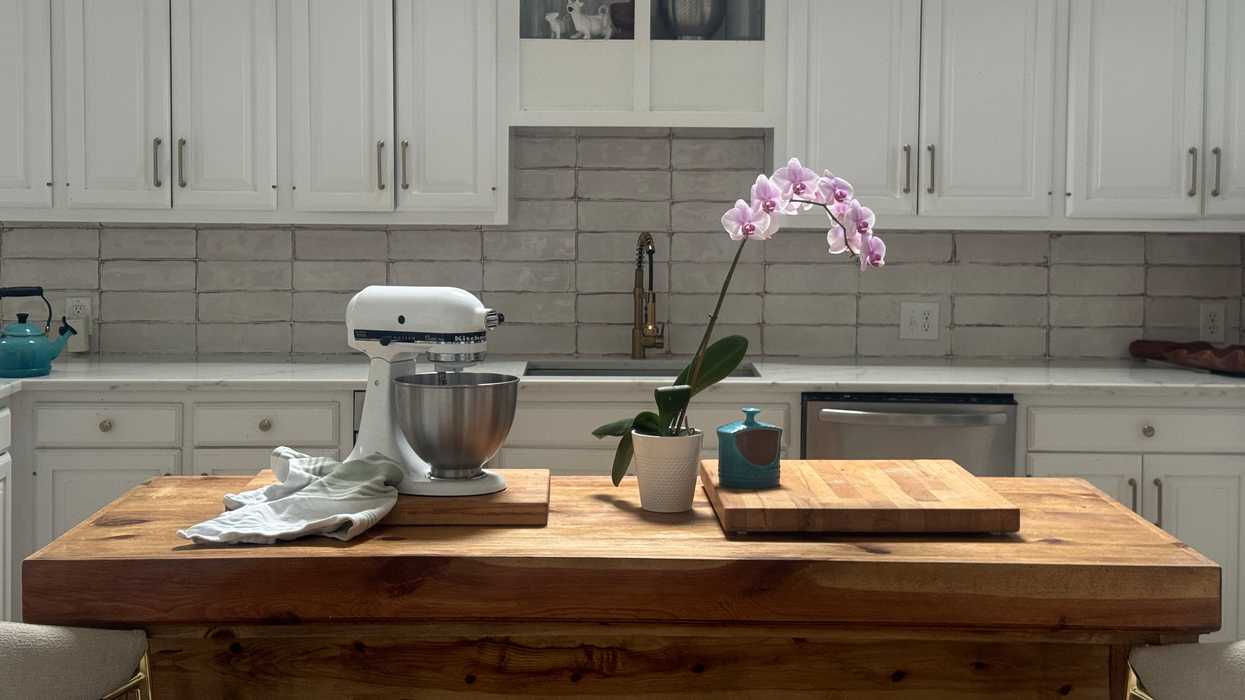
When I recently gave my own kitchen what I affectionately call a “Band-Aid renovation,” I changed everything except the cabinets. I installed new countertops, a backsplash and lighting, but the biggest transformation came from what I removed.

Out went the island.

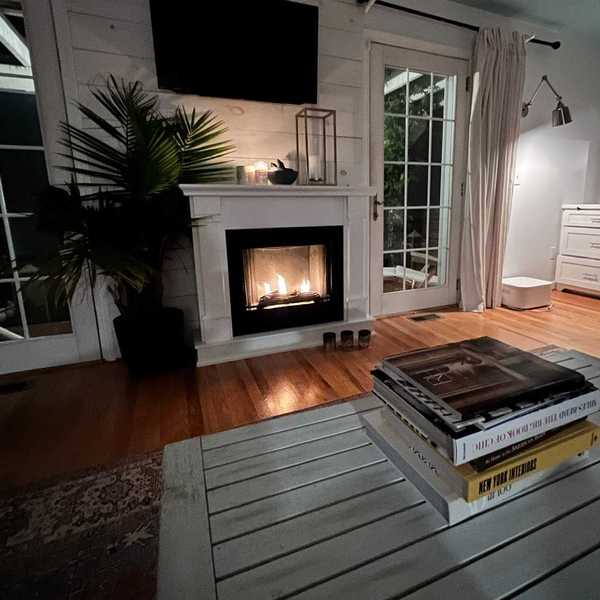
In its place, I brought in a rustic wooden worktable with deep drawers for onions, garlic and potatoes, plus an open shelf below for pots and pans. The tabletop has become my everyday prep station, while a small overhang allows friends to pull up a stool and chat while I cook. The warm wood also breaks up long stretches of identical cabinetry and stone, making the room feel instantly warmer and more collected than constructed.

If space is tight, think vertically, too. A ceiling-mounted pot rack above a farmhouse table frees valuable cabinet space while adding character. Woven baskets suspended overhead can hold herbs, linens or dried flowers, creating texture where there might otherwise be another expanse of countertop.

The beauty of a freestanding piece is its flexibility.

A butcher’s block on locking casters moves wherever you need it. A vintage library table becomes a holiday baking station. A worktable found on Facebook Marketplace can roll into the dining room during a party and double as a buffet.

I’ve helped clients do exactly that. Rather than spending thousands on a custom-built island, we’ve found beautiful antique or secondhand pieces, added wheels and created kitchens that feel personal instead of predictable.

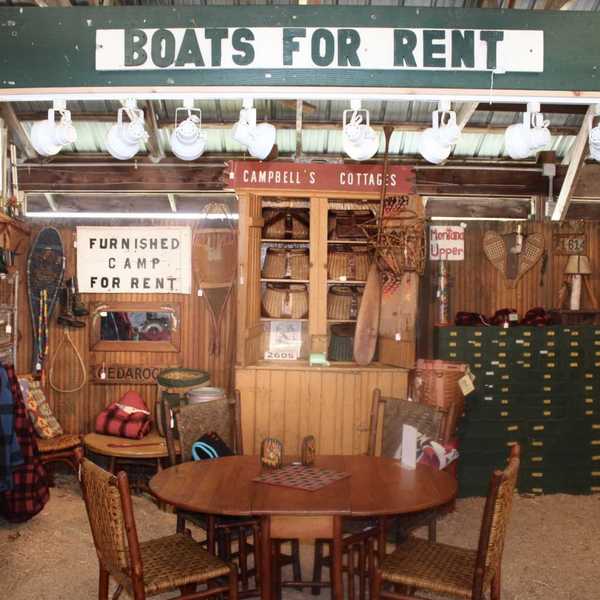
We’re fortunate to have wonderful antique shops throughout our region, and they’re worth visiting often because inventory is always changing. Estate sales, Facebook Marketplace and even a grandparent’s barn can uncover pieces with far more character than anything ordered from a catalog. Their worn edges, scratches and patina tell stories no brand-new cabinet ever could.

Another option is something we don’t see nearly enough anymore: a kitchen table in the middle of the room. Not one tucked into an eat-in nook, but a true worktable where meals are prepared, homework is spread out, cookies are decorated and conversations naturally unfold.

The kitchen island isn’t going anywhere, nor should it. In the right home, it’s a terrific solution. It’s simply not the only one.

Whether the centerpiece of your kitchen is a marble island, a weathered farmhouse table or a rustic workbench on wheels, the goal has always been the same: create a place where people naturally gather. Because the true heart of a kitchen has never been the island. It’s the life that happens around it.
Latest News

A life reshaped by clay in “Matin”

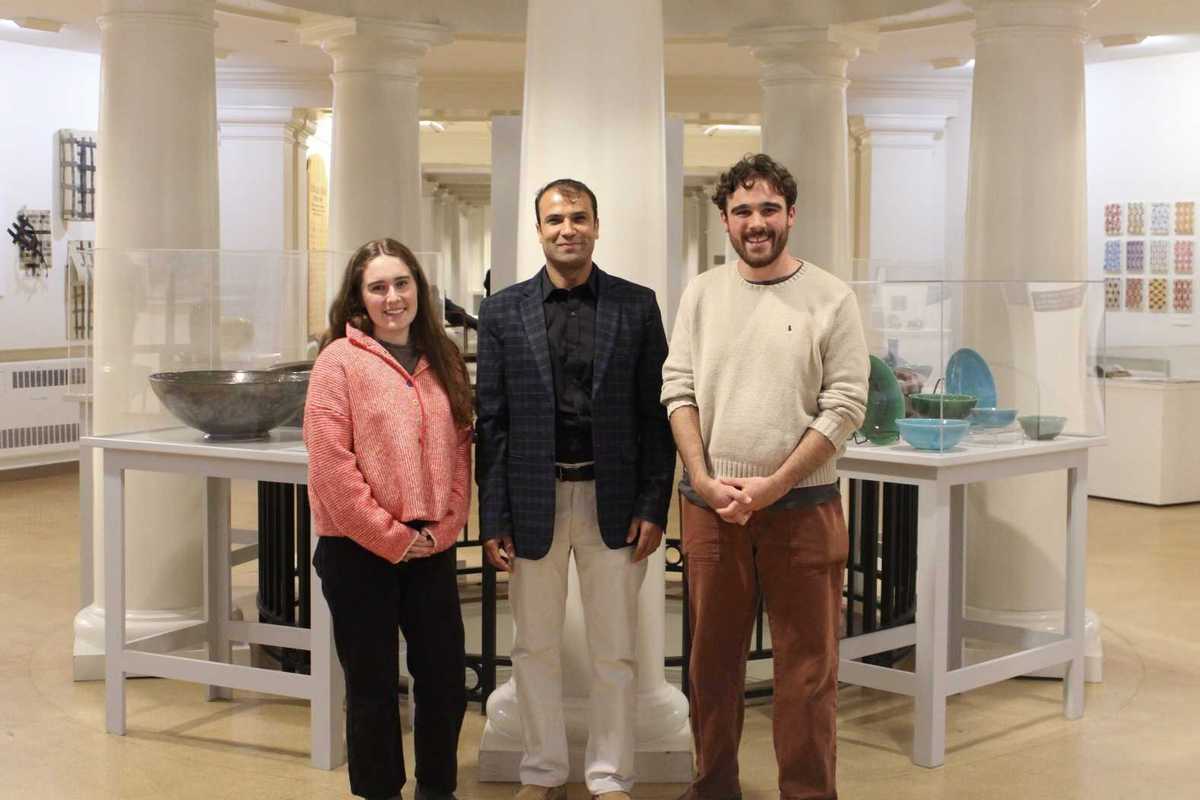
Left to right: Hannah Wheeler, Matin Malikzada and Yonah Sadeh.

D.H. Callahan

On Monday, Oct. 26, a group of students, teachers and local residents gathered at the Hotchkiss School in Lakeville for a screening of the new short documentary “Matin.” The film tells the story of Matin Malikzada, a seventh-generation Afghani potter making a new life in New Milford, Connecticut. The film was made by local filmmaker Yonah Sadeh, creator of the Video Wall at the David M. Hunt Library, and Berkshires-based potter Hannah Wheeler, who were both present for the screening, along with Malikzada himself.

As a member of the seventh generation of his family to master the art of pottery, Malikzada had done things the way his family had for over a century. Istalif, the village where his family has lived for generations, was known throughout Afghanistan for its pottery, with wares sent across the country for use as everyday cups, bowls, plates and other vessels. The pottery-making families of Istalif gathered clay from the same mountain, about 30 to 45 minutes away by donkey. Every July, they would head north toward the Uzbekistan border to gather ishkar, a plant they processed by hand to make their signature glazes.

Keep ReadingShow less
Meg Sher finds her calling among the stacks

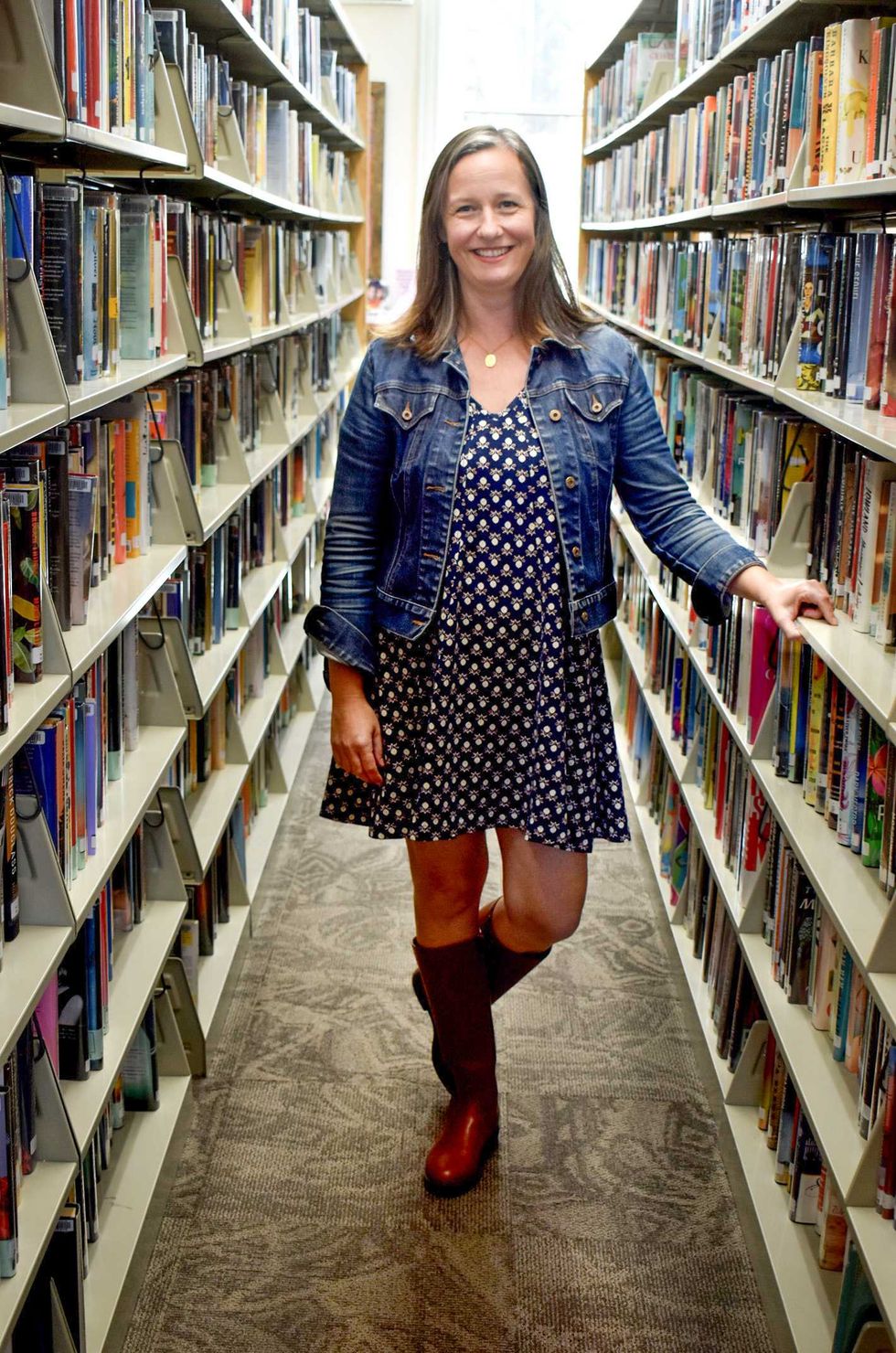
Meg Sher, executive director of the David M. Hunt Library in Falls Village.

L. Tomaino

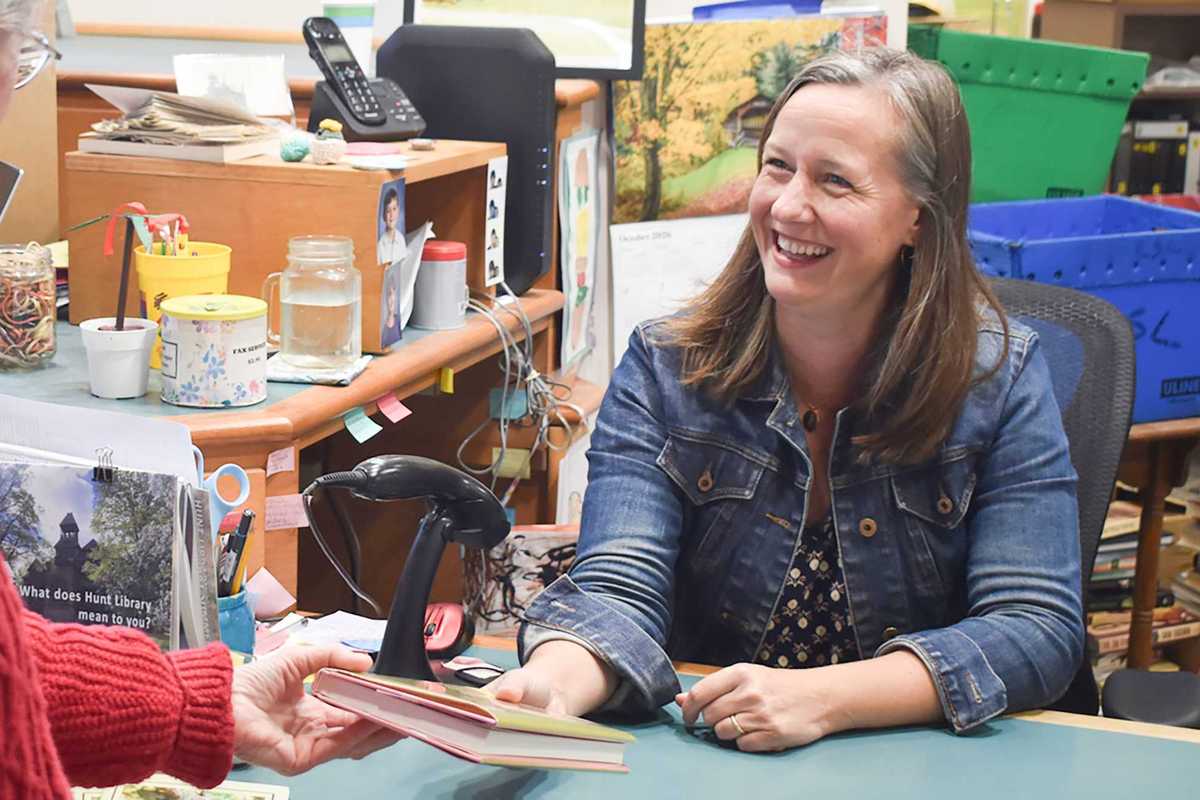
When Meg Sher came to Falls Village in 2006 from Old Lyme, Connecticut, where she grew up, she never imagined she’d someday be the executive director of the David M. Hunt Library.

Although, in hindsight, perhaps it makes sense.

Keep ReadingShow less
Crescendo’s 23rd season speaks to the heart and mind

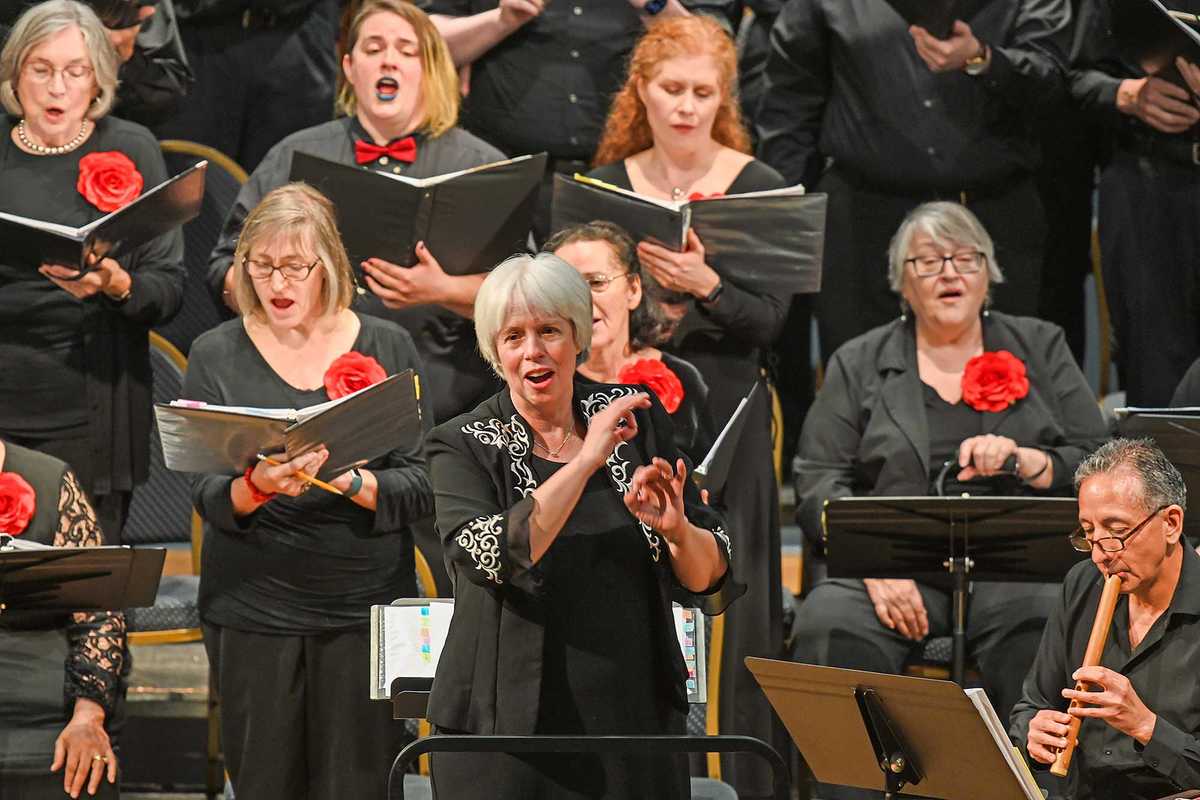
Christine Gevert, founding artistic director of Crescendo, conducts the audience at a performance.

Steve Potter

For Christine Gevert, founding artistic director of Crescendo, music from centuries past is anything but a relic. It is a living, breathing art form, full of drama, emotional complexity and, occasionally, surprises. As the regional choral and period-instrument ensemble launches its 23rd season, Gevert is once again bringing forgotten masterpieces into the present.

“Early Music has been my lifelong passion and the focus of my specialization in Europe and South America,” Gevert said. “Bringing this repertoire to our audiences in a nuanced way that does justice to its incredible depth, intensity, and beauty is deeply important to me.”

Keep ReadingShow less
google preferred source

Want more of our stories on Google? Click here to make us a Preferred Source.

Close Encounters with Music celebrates 35 years of musical discovery

Close Encounters with Music’s 35th season opens with “Saluting the Clarinet” featuring clarinetist Alexander Fiterstein.

Provided

For 35 years, cellist Yehuda Hanani has been inviting audiences to experience classical music in unexpected ways. As founder and artistic director of Close Encounters with Music, Hanani has built a concert series that goes beyond the music itself, exploring connections to literature, history, politics and the human experience.

This year, Close Encounters celebrates its 35th season with “Celebration & Discovery,” a seven-concert series that opens Sunday, Nov. 1, at the Mahaiwe Performing Arts Center in Great Barrington.

Keep ReadingShow less
Shinbone Alley brings spooky songs to Spencertown

Seeing isn’t always believing. Sometimes it’s the lack of a defined picture that can be the most compelling. And when Alex Harvey of Shinbone Alley sings his supernaturally charged sea shanties and street ballads, the unseen will be downright scary. On Oct. 30, the historically inclined storyteller and performer will create a spooky evening of forbidden tales and yarns through a carefully chosen series of songs at Spencertown Academy of Arts.

The repertoire for the performance is a bit fraught. Over the years, Shinbone Alley has explored the world of folklore through music. Though the group usually features two musicians, Harvey, a multi-instrumentalist and singer, will be performing solo. That is, of course, unless you include the spirits.

Keep ReadingShow less
Malian blues and Moroccan Gnawa meet in Sheffield
Vieux Farka Touré
Proivded

Desert winds rarely blow into the Berkshires, but on Nov. 5, they will carry the Malian blues and Moroccan Gnawa music to Race Brook Lodge.

That evening, Malian guitarist Vieux Farka Touré, often called “the Hendrix of the Sahara,” and Moroccan musician Samir LanGus will play at the lodge’s Event Barn in Sheffield, Massachusetts, at a benefit for the foundation Touré directs.

Keep ReadingShow less
google preferred source

Want more of our stories on Google? Click here to make us a Preferred Source.

google preferred source

Want more of our stories on Google? Click here to make us a Preferred Source.