The winter storms of ice and snow that buried much of the U.S. in January and February were large enough to impact the economy. It will be months before the final tallies are in, but many economists expect the price tag to be over $100 billion.
That seems like a lot of money. I guess if you take into account the indirect and longer-term costs, like business supply chain disruptions and even medical costs, then maybe. Sure, there was some disruption. On those minus-degree days, we only took the dog out for a few minutes to do its business. And yes, we may have curtailed our trips to the grocery store a little, or to a restaurant, but how does that add up to that much money?
I mean, I could understand if we were discussing a series of hurricanes or tornadoes, which have now become commonplace under climate change. The high cost of damage from such disasters is usually attributed to infrastructure. But how can a spate of reduced shopping hurt the economy that much?
Well, airline cancellations come to mind. When you cancel as many as 11,400 flights, there is significant lost revenue for both airlines and their passengers. Then there are power outages, which also impact businesses, sometimes for a few days. Trucks also find it more difficult, if not impossible, to make deliveries at least on the actual days of snowfall.
One area that could see some significant losses is in vehicle sales. The January 2026 vehicle report seems to bear this out. Last week, the Bureau of Economic Analysis indicated that sales really took a nosedive, hitting a three-year low. That does make sense, since not only would buyers need to drive to the showroom in snowstorms, but they would also want to test-drive a new car before buying it.
Most consumers may not realize it, but natural gas prices also surged. The week ending Jan. 30 saw the largest inventory drawdown since the Energy Information Administration began record-keeping in 2010. Wholesale prices rose 81%. Since then, the EIA has raised this year’s price forecasts by 25%.
Housing construction also took a hit. As one small example, the guys building a spare room in our condo could not cut the lumber needed outside, so they had to ferry the wood back and forth from their shop. Imagine putting on a new roof or laying cement in 2 feet of snow! Some analysts are now predicting a 3% decline in residential investment growth in the first quarter.
The early February bomb cyclone that hit the lower East Coast, combined with the ongoing deep freeze that has covered parts of central and south Florida, could cause as much as $15 billion in total damage and economic loss. The citrus groves and other crops were damaged extensively.
If I step back and look at the overall impact on most Americans, it seems clear that our heating costs are going up this year. The average family spent almost $1,000 to heat their home last year. We should expect that cost to rise 9%. If you use electricity to heat, tack on another 3% to that. Fixing water damage from burst pipes can cost as much as $30,000, and many insurance companies won’t pay unless you can prove that your thermostat was set on at least 65 degrees.
And then there are the “panic buyers.” Even here in New England, grocery stores and supermarkets are often packed in the days before a winter storm. Of course, prices are higher because retailers know they can markup groceries and supplies the most.
The good news depends on the weather. Just this week, Boston, New York and other parts of the Northeast saw record snowfall levels.If storms and icebox temperatures persist, it will take longer for the economy to recover. If not, and we get a break, most economists expect any lost output could be made up quickly in this first quarter of the year.
Bill Schmick is a founding partner of Onota Partners, Inc., in the Berkshires.Bill’s forecasts and opinions are purely his own and do not necessarily represent the views of Onota Partners, Inc. (OPI).

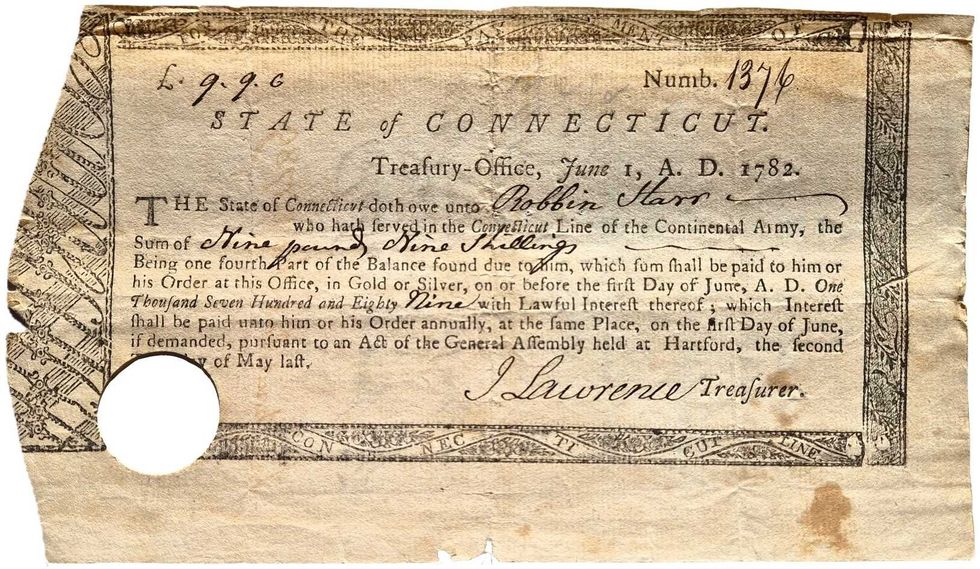 Pay Bill for Robin Starr’s service in the Continental Army.Courtesy the Alex Breanne Corporation
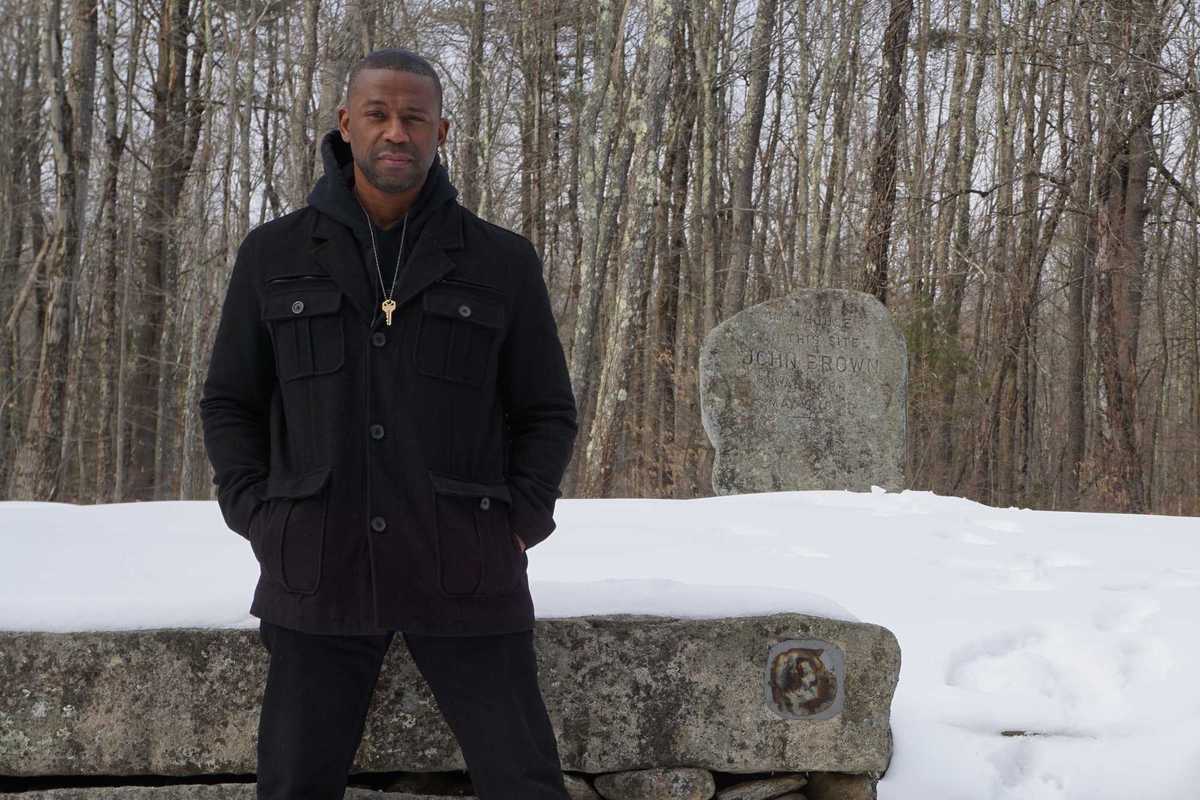
 John Mills speaking at Quinnipiac University.Courtesy the Alex Breanne Corporation
 Stephanie Saetta,with her rescue dog George and Blue (left), a shepherd mix awaiting his forever home.Madi Long
 Blue, a 7 year-old Shepard mix, is waiting for his forever home. Madi Long