FALLS VILLAGE — Long-time followers of the Salisbury Winter Sports Association’s ski jumps will remember a youngster named Ariel Picton, who started ski jumping in Salisbury at age nine.
Now married with two children and living in New Hampshire, Ariel Picton Kobayashi is the author of the just-published “Ski Jumping in the Northeast: Small Towns and Big Dreams.”
Kobayashi held a Zoom talk Thursday, Jan. 22, sponsored by the David M. Hunt Library.
She recalled her introduction to the sport as a child, and her work as a coach for SWSA some years later.
The first section of the book is based on her senior project as a history major at the State University of New York — Purchase.
She noted that SWSA is celebrating its 100th year of ski jumping.
The year it all started, 1926, is when ski jumping was becoming popular in the northeastern United States. The original name of SWSA was the Salisbury Outing Club.
There were dozens of small towns with jumps in the Northeast. Colleges had jump hills, and sponsored winter carnival events.
Excursion trains ran from big cities such as New York and Boston, taking urban skiers to the rural towns.
She cited SWSA’s Larry Stone remembering that in the 1950s, Salisbury had eight or nine jumps, including jumps in back yards. Children took to ski jumping the way they did to baseball in the summer.
But over time the clubs faltered and by the 1970s most of the ski jumping venues closed down.
Kobayashi said that one factor in the decline of ski jumping was the famous “Agony of Defeat” television clip that showed a ski jumper in a spectacular crash. This clip was used every Saturday in the intro to ABC television’s “Wide World of Sports.”
“It was shown over and over again,” she said.
Another blow came in 1981, when the National Collegiate Athletic Association (NCAA) dropped ski jumping as a sanctioned college sport.
“This had a ripple effect all the way down to the local level,” she said. Young jumpers no longer had a “clear college pathway,” and the number of jumpers continued to drop.
SWSA was one of the few clubs to survive the decline, which Kobayashi attributed to the strong ties between SWSA and the community as a whole.
 Screenshot from Zoom
“I was lucky to have SWSA.”
The book contains a section on hill preparation. “It’s not glamorous, it’s not about individual performance,” she said.
“It’s about everyone working for a common goal.”
The book also addresses women in the sport. Kobayashi said the first documented female ski jumper was Paula Lamberg, an Austrian countess who competed in 1911 wearing a long black dress (and set a record while she was at it).
She said a long-standing myth persisted, that ski jumping was bad for girls because it had a negative effect on their ability to have children.
Things started to change for the better in 2009, with the popularity of alpine skier Lindsey Vonn, and finally, in 2014, female jumpers were allowed in the Olympics.
Kobayashi said this happened because of “persistence, community, showing up when the system isn’t designed for them.”







 Tiffany Lemelin, shelter manager, brushing Marsala upon arrival.Provided
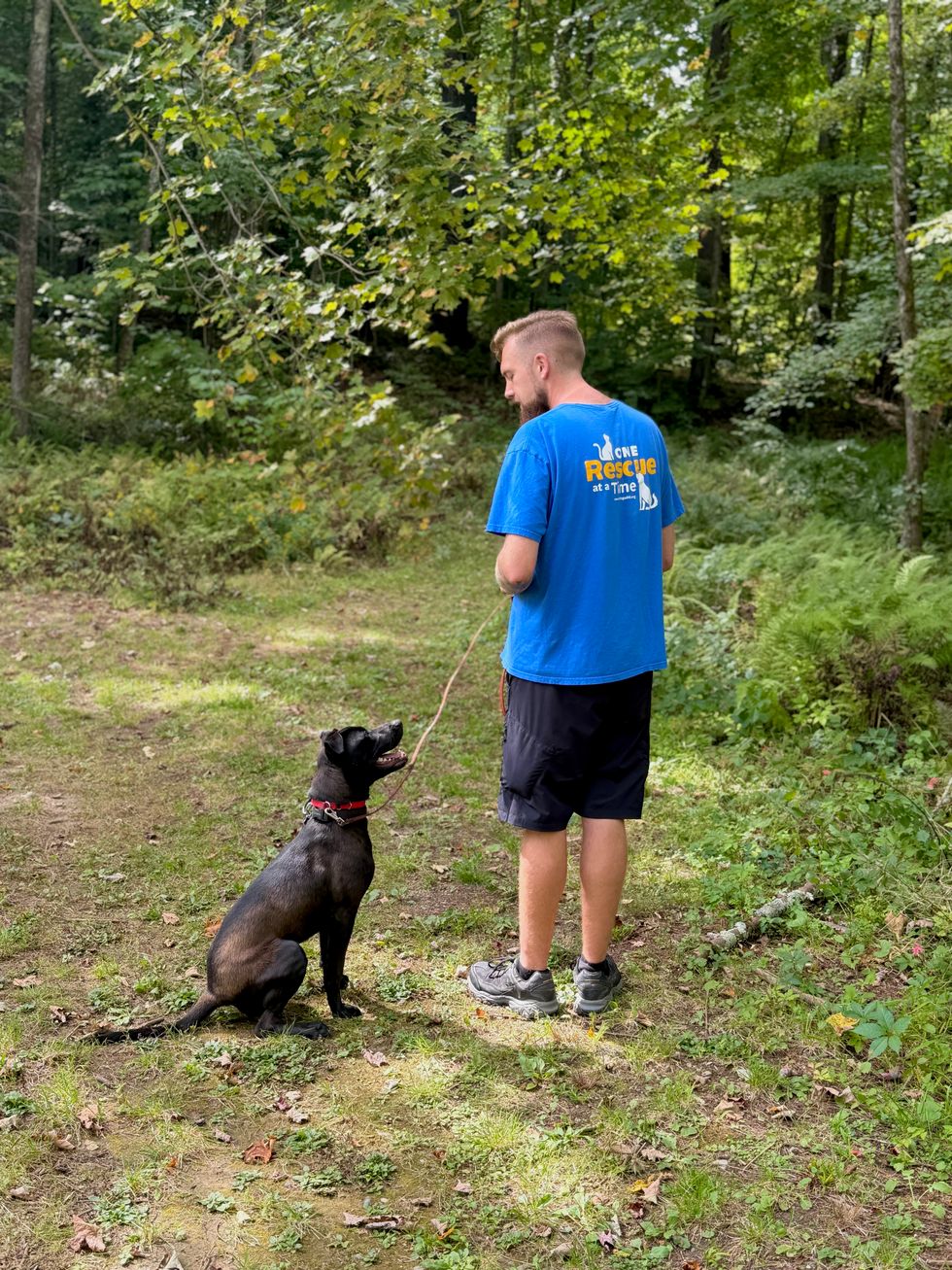 Michael DeBarba, certified dog trainer working with Marsala.Jennifer Almquist
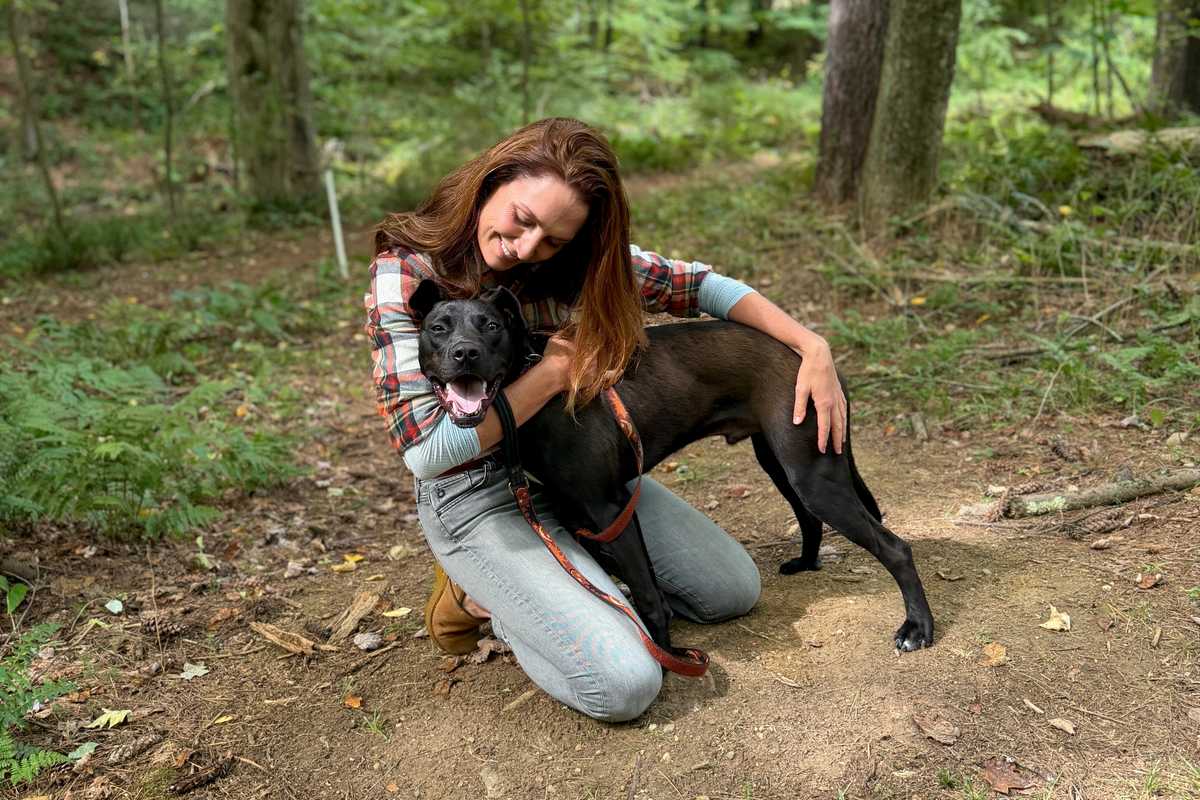 Marsala wins a heart.Jennifer Almquist

 Sadie, center, a Carolina dog, plays with her friend Negra, a terrier mix. Bella Linda, the small poodle, has since been adopted.L. Tomaino
 Wesley, a young, exuberant mix, is looking for an active home.L. Tomaino
 Bonnie and Clyde, an affectionate terrier pair.L. Tomaino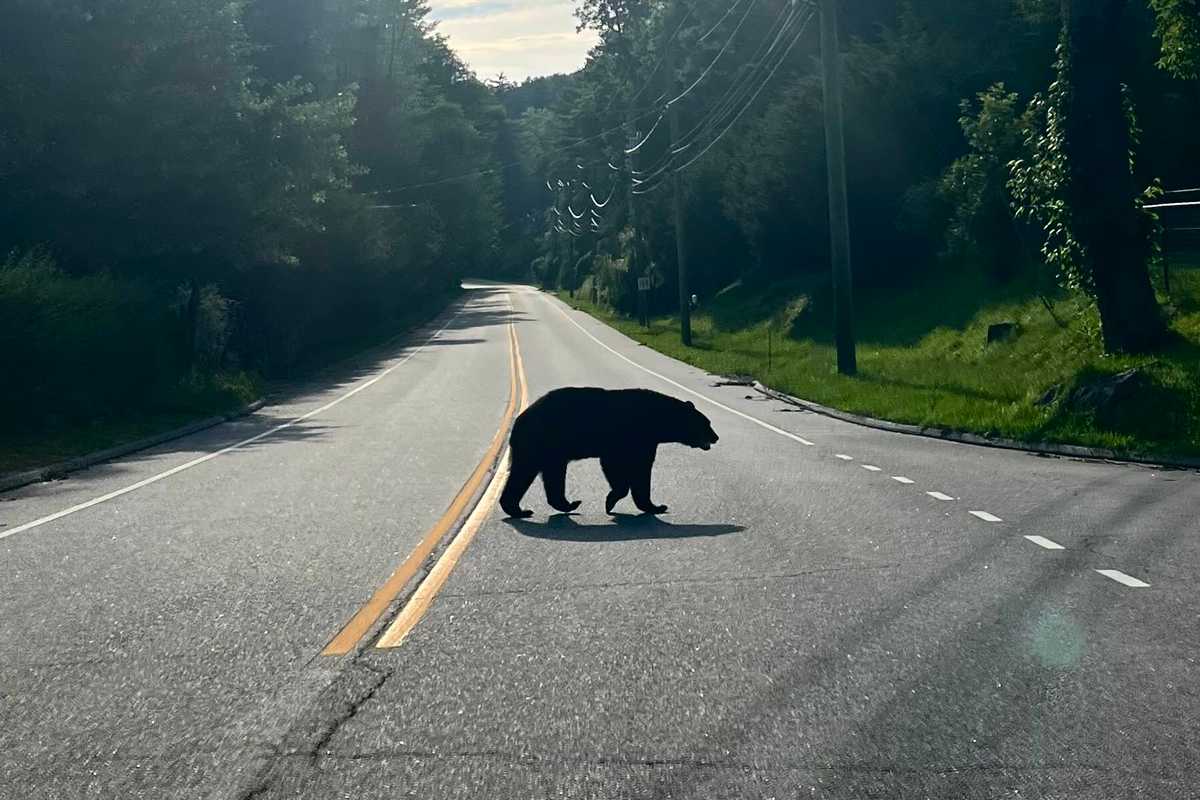

 Provided