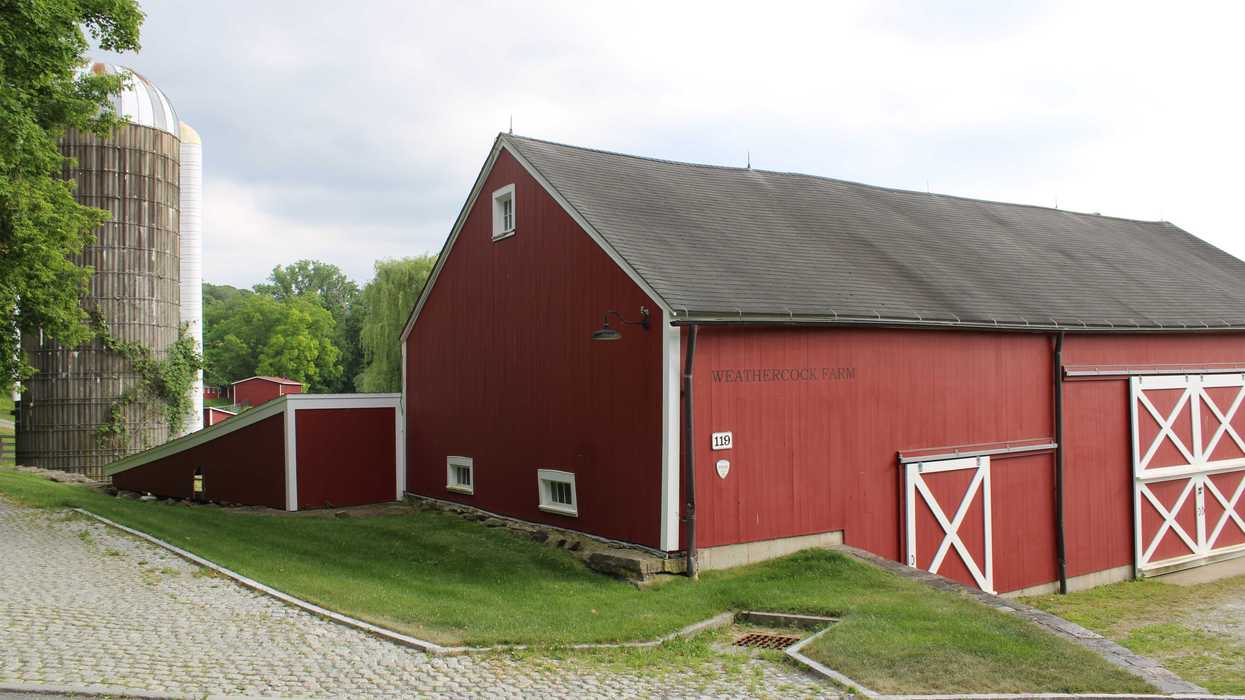
SHARON — Months after residents raised concerns about chickens kept on a neighboring property, Sharon’s Planning and Zoning Commission has adopted two amendments to its zoning regulations aimed at clarifying agricultural activities that don’t neatly fit under the town’s definition of “farming.”
The first change addresses the keeping of small animals on parcels under three acres, which is the minimum size for a property to be considered a farm under Sharon’s regulations. The new rules allow residents in residential districts with lots of at least three-quarters of an acre to keep up to six chickens and rabbits and up to four ducks, with a maximum of six animals total. Properties over three acres, which could be considered a farm, are exempt from these restrictions
Several conditions apply. The animals must be kept in a coop that complies with setback requirements for the zone, and roosters, guinea hens, pheasants, peacocks and geese are prohibited on such properties.
The regulations are similar to those in nearby towns, including Salisbury and Cornwall, which conditionally allow the keeping of small poultry and mammals through their zoning codes.
The change was set in motion last fall when a complaint was raised by Sharon Valley Road residents Letitia and Brian Brazee that a neighbor’s chickens were causing a nuisance. The couple argued that the town’s regulations were too vague regarding small animal husbandry, prompting P&Z to explicitly regulate the keeping of chickens, rabbits and ducks on sub-farm sized properties.
Second regulation change codifies barns, other farm-related structures
Farms are allowed as of right in any of Sharon’s zones, provided that the property is three acres or greater. In addition to the minimum acreage requirement, the existing definition of a farm stipulates that manure and other “offensive material” must be stored at least 100 feet away from any property line and prohibits the commercial slaughter of animals not raised on the property.
The amendment approved on June 10 retains that definition, but adds conditions primarily related to buildings on farm parcels that do not contain a residence. The new language states that such structures must be incidental to farming operations on the property, and that vehicles unrelated to those operations may not be stored on the property.
P&Z member Jill Drew said the condition was intended to prevent property owners from storing junk vehicles or extra cars on auxiliary lots. “You can’t make it a glorified parking lot,” she said.
The new regulations also require applicants seeking zoning permits for farm structures to submit a “Farm Use Statement” identifying the purpose of any new structure. In addition, any new construction intended to house livestock or poultry, or store offensive material, must comply with the existing 100-foot setback requirement from property lines.





 Justine and Victor Valla in their studio with a painting of Victor’s,”Jonah and the Whale.” Robin Roraback


 A ceramic vase by Kathleen Heidemann.Provided
  Joy Brown’s delightful ceramic sculptures.Provided