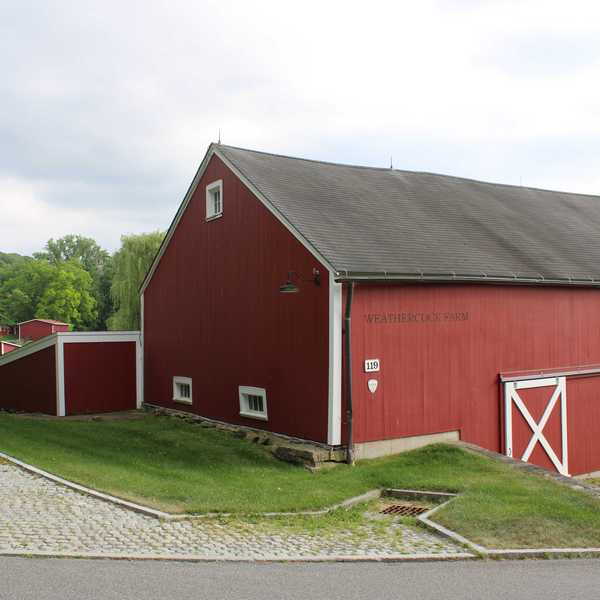
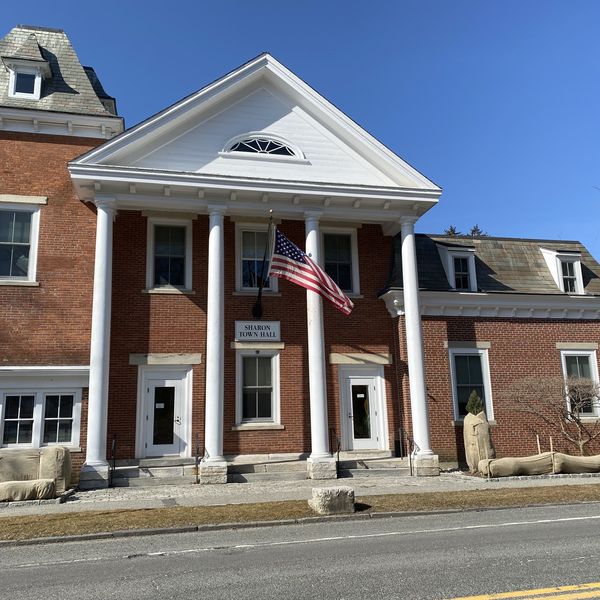
SHARON — At the Sept. 10 meeting of the Planning and Zoning Commission, residents weighed in on a proposed zoning amendment that would codify accessory uses for Sharon’s farms.
The regulation is meant to help farmers support their farming operations with supplementary income and is geared towards “sustaining the local agricultural economy and retaining the town’s rural character,” according to the regulation draft language.
The proposed uses available for special permit applications include year-round farm stores, farm-to-table dinners, wineries, breweries, farm product processing facilities, farm vacation stays and general indoor and outdoor events.
The draft stipulates that the proposed accessory use must be secondary to the primary agricultural operation of the farm, and the farm must be at least five acres and actively cultivated.
Some members of the public felt the language was dangerously vague and could allow for unintended consequences.
“This is way too general for what’s coming to this town in terms of development,” said Carol Flaton, voicing her concern that the loose definition of a cultivated farm could be abused.
Land Use Administrator Jamie Casey said that Sharon’s regulations are intentionally general to allow for greater collaboration between the applicant and the land use commissions during project design. It’s better when things are “a little bit vague,” she said, allowing applicants more breadth and room for creativity and working with the commissions to formulate the details. “These things are worked out at a meeting,” she said.
P&Z Vice Chair Betsy Hall pointed out that the requirement of the accessory use being secondary ensures that proposed uses overshadow the agricultural aspects of the property. “It’s not like we’re going to let a manufacturing operation open on the farm,” she said. “We’re talking about the working farmers.”
P&Z alternate Jill Drew concurred that “the vagueness is a feature, not a bug.”
Selectman Lynn Kearcher suggested that the minimal property size be greater than five acres, which Hall said the Commission would consider when it picks the discussion back up at the next meeting.
The Commission plans to discuss the issue of noisy chickens in residential areas at its Sept. 24 planning session. Casey announced that she had received a complaint from Sharon Valley Road resident Letitia Brazee about a flock of chickens at a neighboring property. Brazee wanted clarification in the zoning regulations as to what animals are considered farm animals and how a farm is defined.
The current regulations, last modified in June 2023, allow farms in any zone in Sharon providing the lot is three acres or greater. The term farm, however, is not included in the regulations’ list of definitions, and the only animals currently regulated for lot area are horses.
Further complicating matters is the state’s “Right to Farm” law, which exempts agricultural activity from being “deemed to constitute a nuisance” unless the municipality adopts an ordinance or regulation “to the contrary.”
Another situation in Kent involving complaints over roosters in 2024 found the town upholding its protections against agricultural nuisance claims.




 Justine and Victor Valla in their studio with a painting of Victor’s,”Jonah and the Whale.” Robin Roraback


 A ceramic vase by Kathleen Heidemann.Provided
 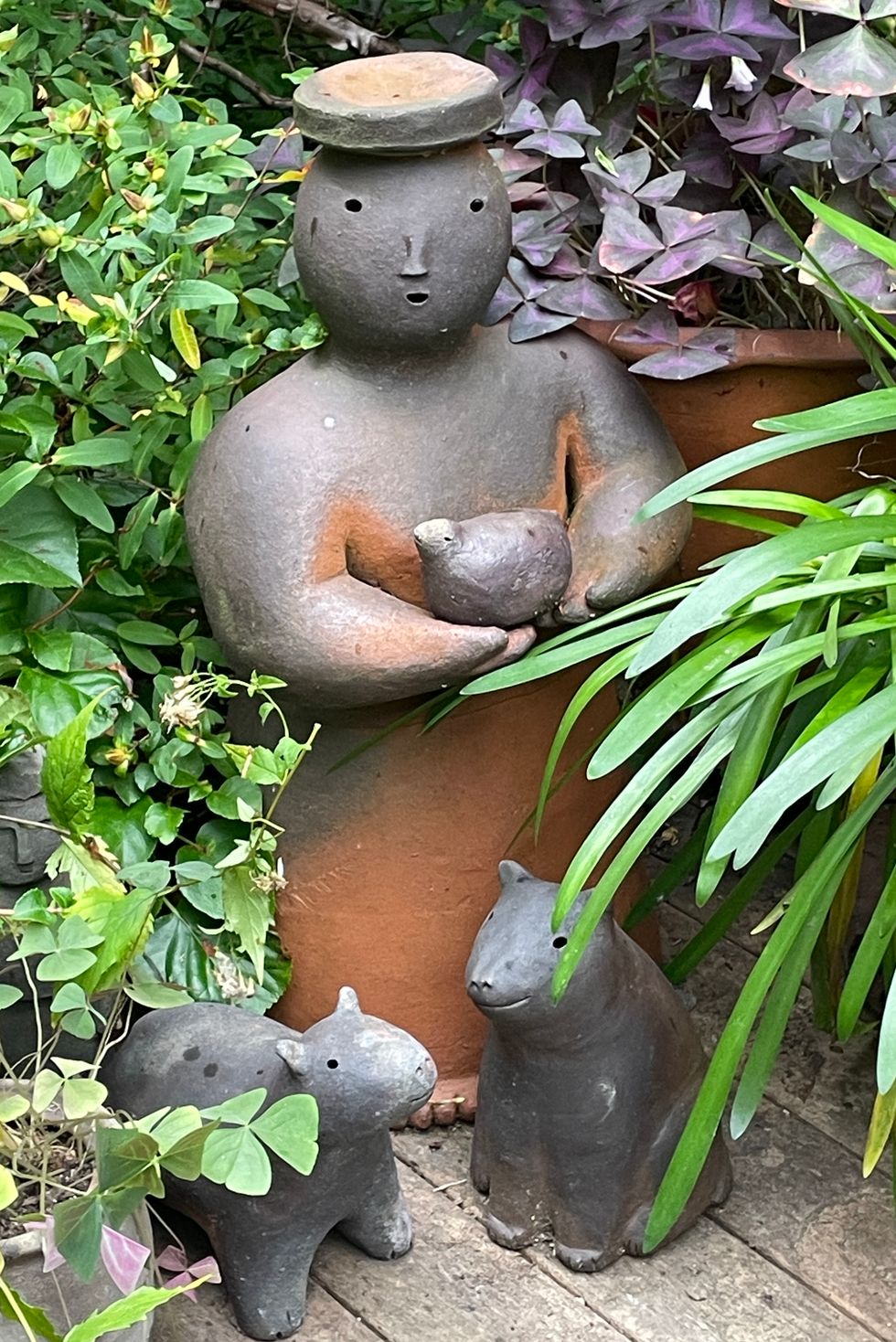 Joy Brown’s delightful ceramic sculptures.Provided