Engines and eats draw Cornwall to firehouse

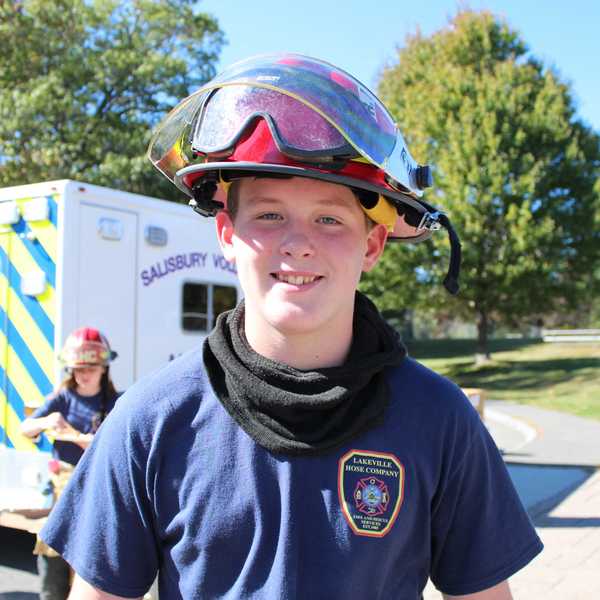
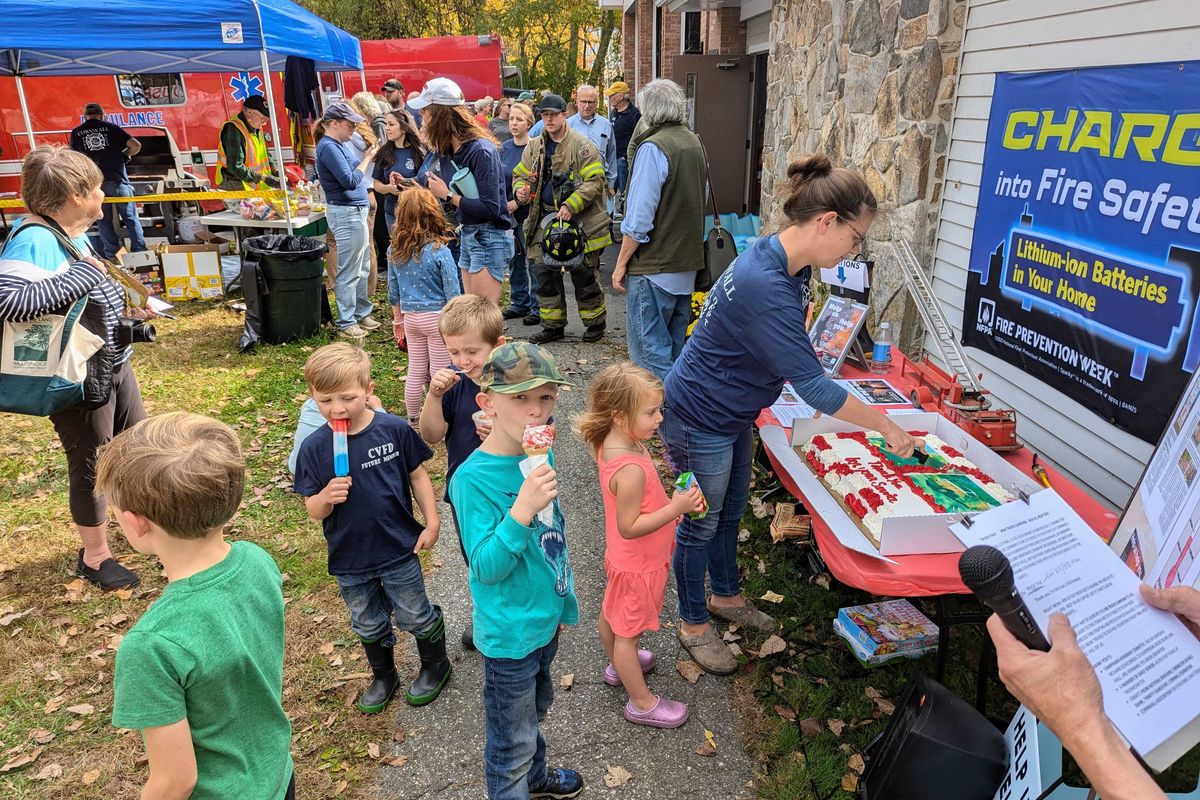
Young attendees of the Cornwall Volunteer Fire Dept. Open House Sunday, Oct. 19, were the first in line for cake, which reportedly paired well with ice cream.
Riley Klein

Young attendees of the Cornwall Volunteer Fire Dept. Open House Sunday, Oct. 19, were the first in line for cake, which reportedly paired well with ice cream.
CORNWALL — The community came out Sunday, Oct. 19, for an afternoon at the Cornwall Volunteer Fire Department’s open house.
The West Cornwall firehouse was packed with guests to support the crew and see the trucks (both fire and ice cream) and safety presentations.
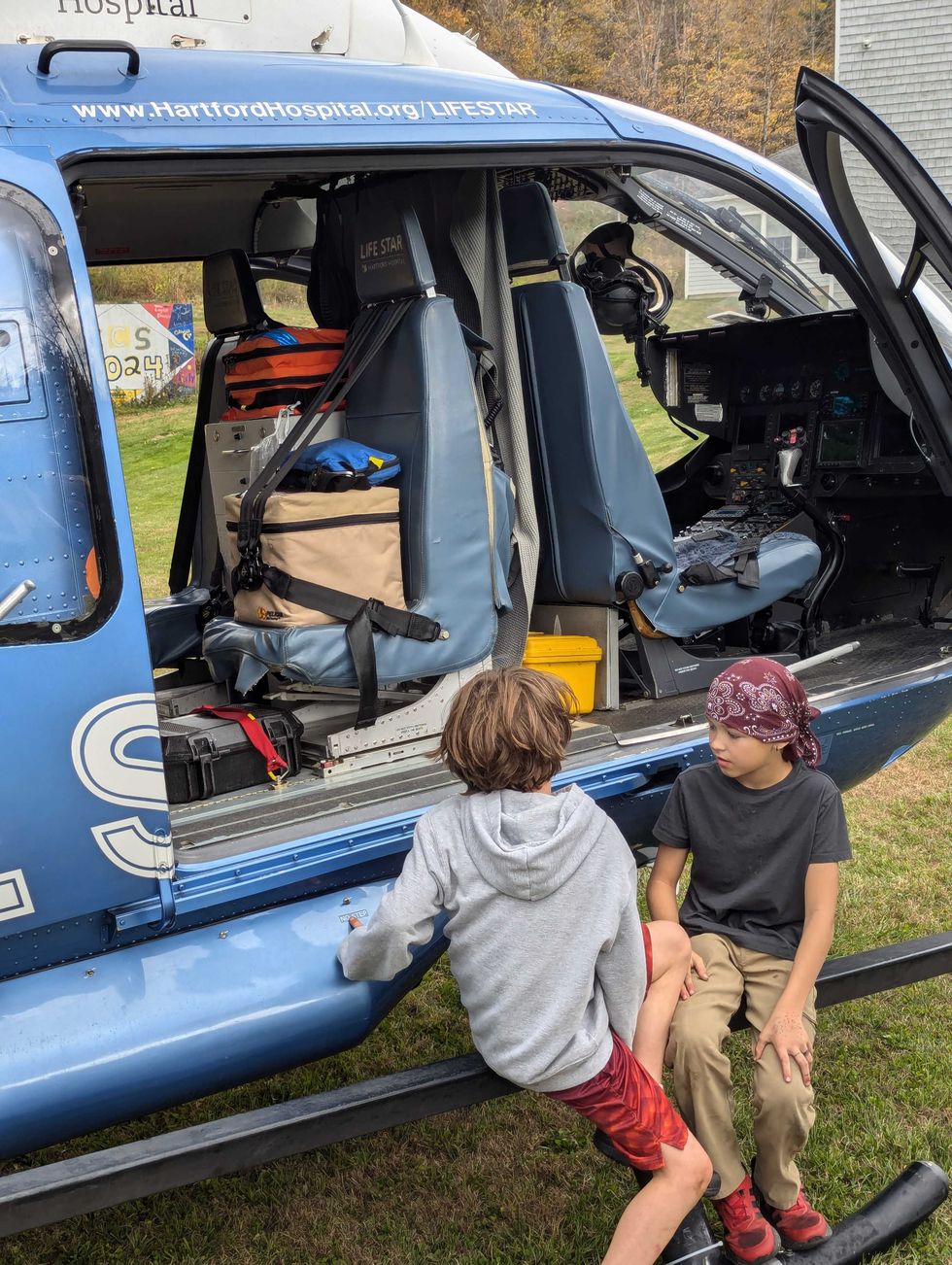
Attendees ate burgers and hot dogs served by First Selectman Gordon Ridgway and witnessed a helicopter take off and land courtesy of a visit from the LifeStar rescue crew.
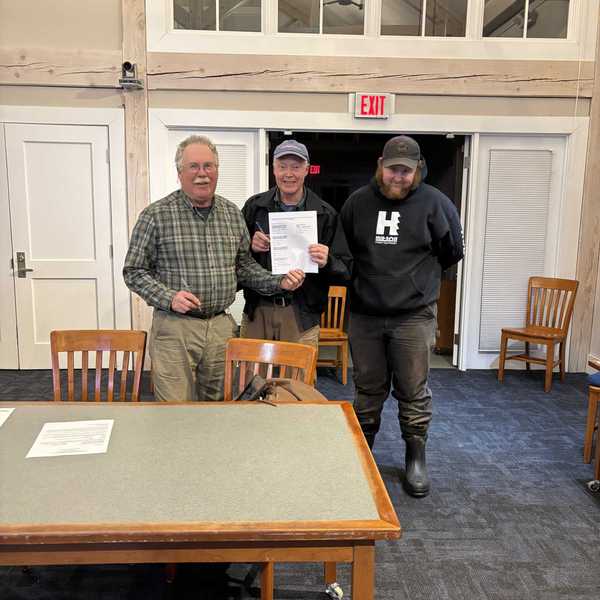
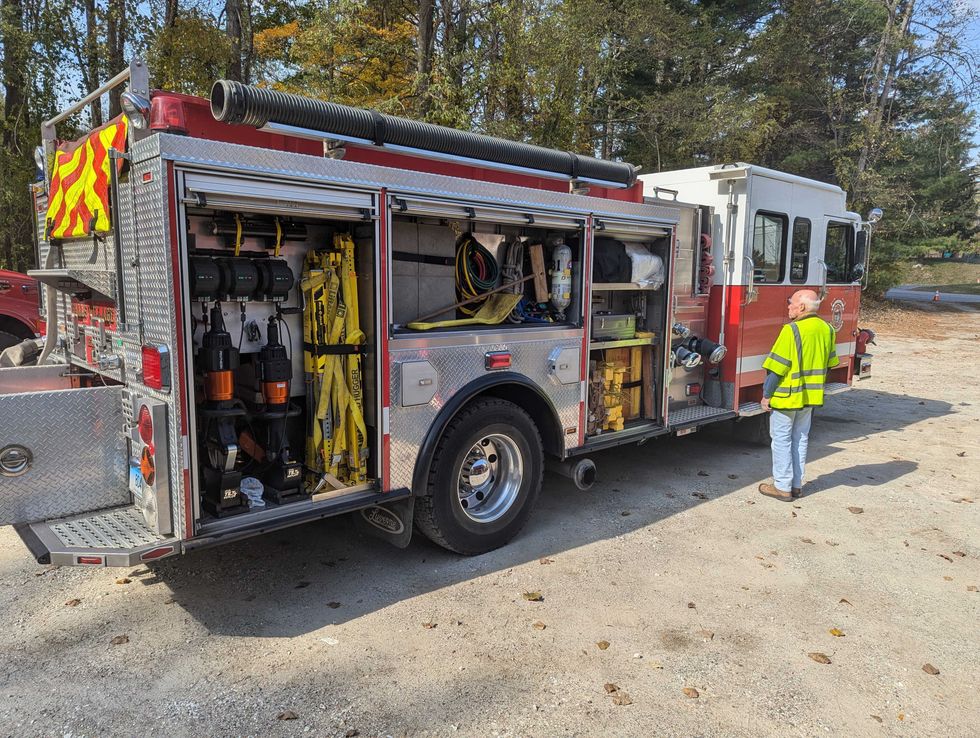
The event was held amid the department’s fundraising effort to replace two outdated rescue vehicles. The old trucks were situated next to two newer trucks similar to the ones CVFD is seeking to purchase. The examples were provided courtesy of the Sharon and Falls Village departments.
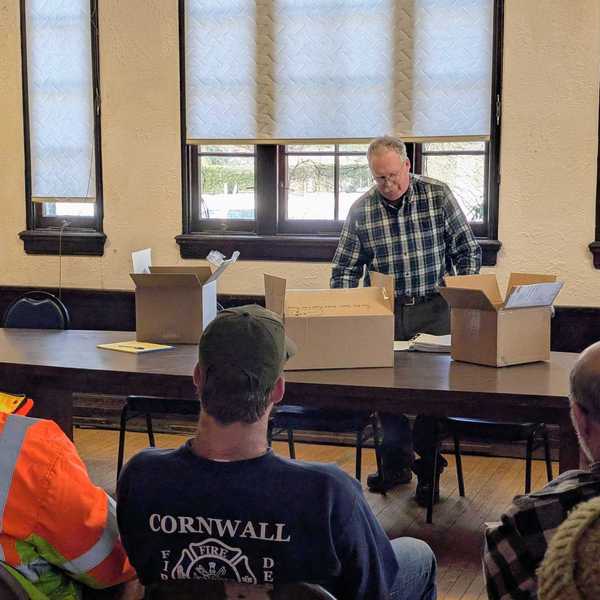
CVFD President Dick Sears addressed the crowd as the meal advanced to cake and ice cream.
“Forty percent of our truck fleet is going out of service,” Sears said, noting that two of the department’s five trucks are being replaced. “We’re going to replace them with your help... help us help you.”
Resident Richard Schlesinger spoke of his experience being rescued by the volunteer ambulance corps after experiencing cardiac arrest about four years ago. “They saved my life because they had the right equipment and the dedication and the skill.”
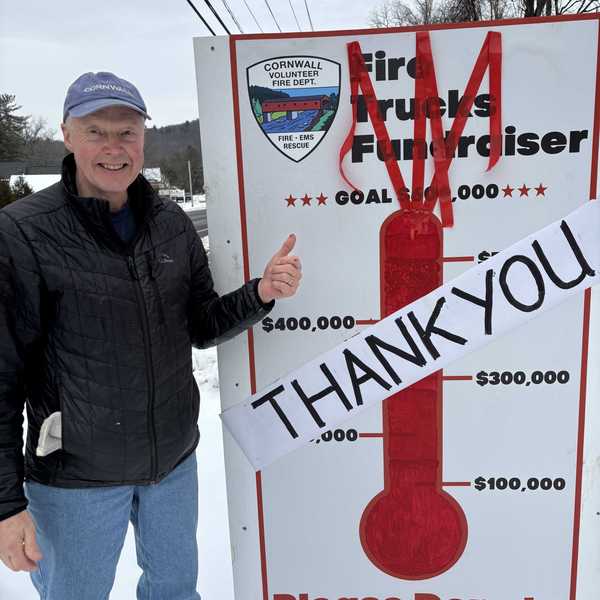
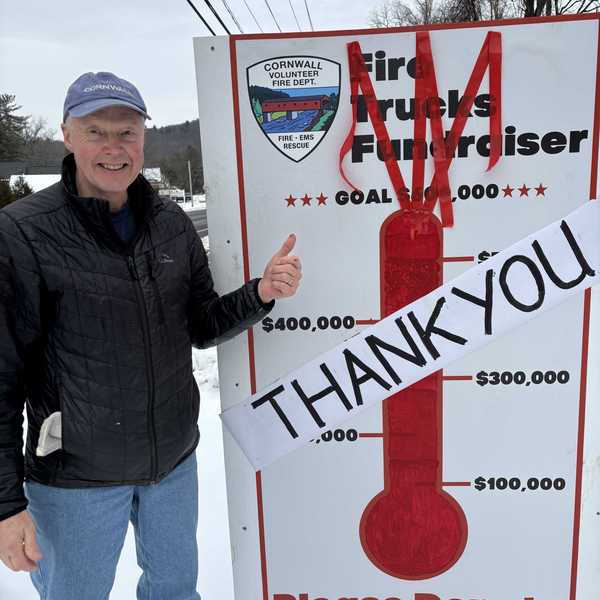
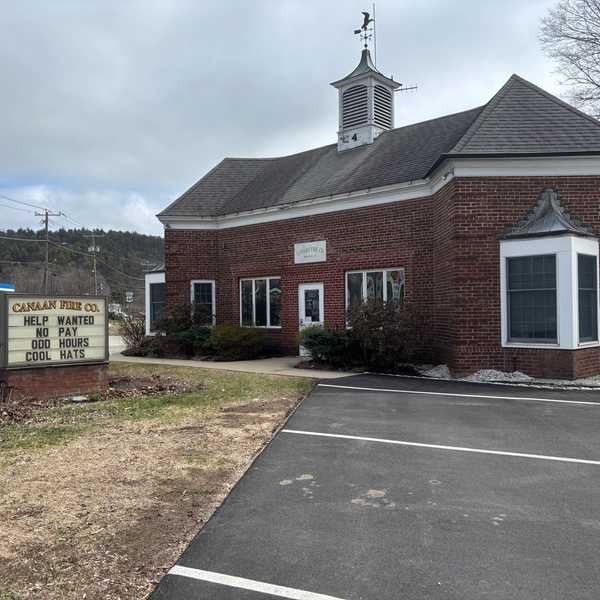
A roadside thermometer sign outside the firehouse showed the fundraising effort to raise $600,000 by December has surpassed the halfway mark.
To learn more or donate, visit cornwallfire.org.
Antonio Alcalá
As part of the Norfolk Economic Development Commission’s campaign to celebrate the Norfolk Post Office and the three women who run it — Postmaster Michelle Veronesi and mother-and-daughter postal clerks Kathy Bascetta and Jenna Brown — the EDC has invited USPS art director and stamp designer Antonio Alcalá for a visit.

On Sunday, Feb. 8, at 3 p.m., the Virginia-based designer will give a talk at the Norfolk Library titled “The Art of the Postage Stamp.” The free talk is open to the public, with a reception following. Reservations are required: norfolklibrary.org.
On Saturday, Feb. 7, at 10:30 a.m., there will be a Children’s Valentine Stamp Workshop with Alcalá and children’s librarian Eileen Fitzgibbons. The workshop is open to children ages 6–14 (limit 14; registration required at norfolklibrary.org). The invitation: “Come create a stamp you love!”

Ann Havemeyer, executive director of the Norfolk Library, said, “It’s always fun to see the new stamps issued by the USPS and learn more about the process of bringing a stamp to life. Antonio Alcalá will speak about the history of stampmaking, the design elements involved, and his own journey that brought him to this work.”
Alcalá is the founder and co-owner of Studio A, a design practice working with museums and arts institutions. He lectures at schools including the Corcoran College of Art + Design, the School of Visual Arts, Pratt Institute and the Maryland Institute College of Art. His work and contributions to the field of graphic design were recognized with his selection as an American Institute of Graphic Arts Fellow. He serves on Poster House museum’s CMYK Council and the Smithsonian National Postal Museum’s advisory council. His designs are represented in the AIGA Design Archives, the National Postal Museum and the Library of Congress Permanent Collection of Graphic Design. Alcalá earned a bachelor’s degree in history from Yale University and an MFA in graphic design from the Yale School of Art. He lives in Alexandria, Virginia, with his wife and Studio A partner, Helen McNeill.

The Brookings Institution recently stated that “two and a half centuries after its founding, the Postal Service’s universal service mission continues to support local economic life, particularly in rural areas where stable, place-based infrastructure remains central to small-business activity.” Members of the Norfolk Economic Development Commission agree: “The Norfolk Post Office plays a unique and essential role in town life. Beyond its core function, it serves as a daily point of connection for residents and businesses and is a critical piece of local infrastructure that supports commerce, communication and community.”
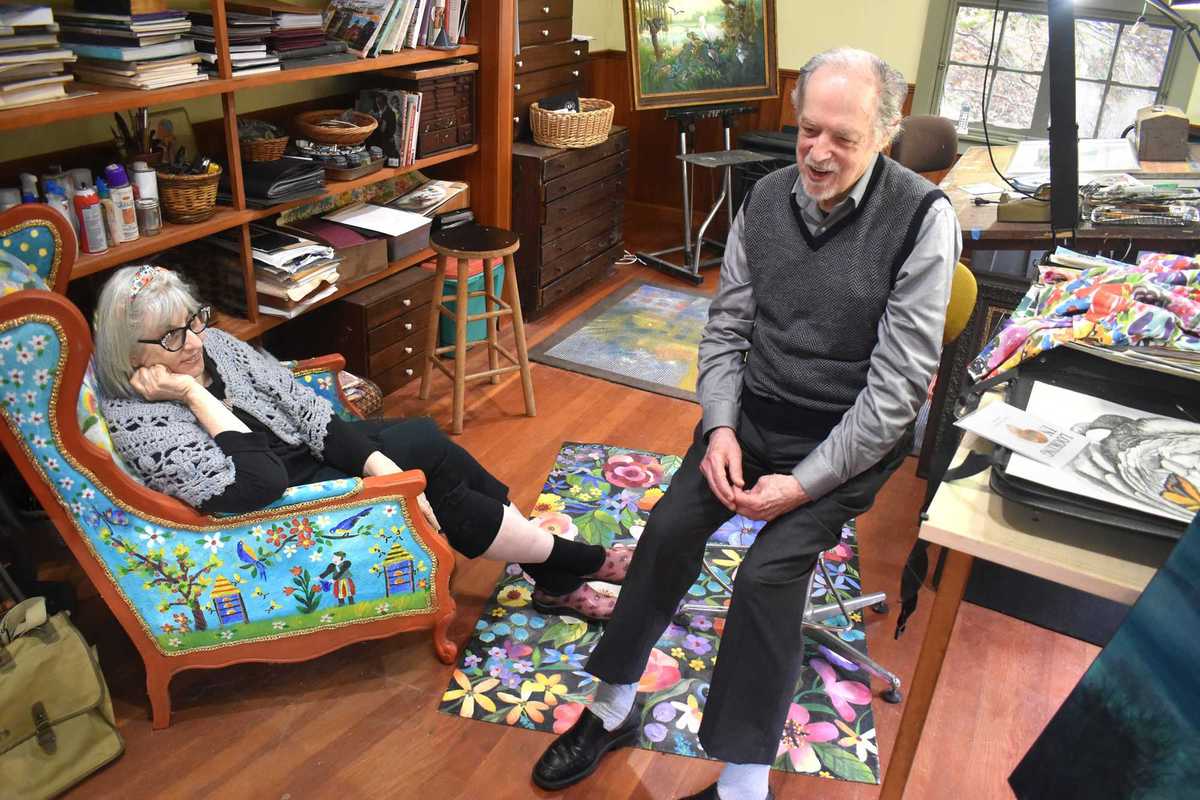
Artist Sarah Davis Hughes had always loved music, but after winning an accordion from the New England Accordion Connection and Museum in Canaan, that love became a musical journey, ultimately leading to her book “The Colorways and the Circle of Fifths.”
Hughes explained that the idea for the book came after studying with Paul Ramunni of the Accordion Connection for a year. “He introduced a piece of music that I knew well by ear but had never seen written down.” Upon seeing the music, Hughes described a sense of blindness. “The chords looked like thorny blueberry bushes on the page,” she said.
Determined to figure it out, Hughes said, “I knew color systems, design and theory, so it was simply a matter of organization. If I could assign a color to each note and color that black-and-white score, I would instantly recognize the notes.”
She set out to create a system. “The colors that I assign to each note should make sense together like the notes make sense together,” she said.
She recalled the color wheel, which illustrates the harmonic structure of color, and the Circle of Fifths, which shows the harmonic structure of music. Both serve as foundational systems —one for color, the other for music. “What if I simply superimposed a classic color wheel onto the Circle of Fifths?”
She began by placing the primary colors — red, yellow and blue — then set the note C at the top. The next primary color, yellow, aligned with E, followed by blue at A-flat/G-sharp.
“I was very surprised to see that all of the hot colors — blood red, vermilion, orange, gold, hot yellow, chartreuse — fell on the white notes C, G, D, A and B,” Hughes said. “The cool colors — green, teal, blue, lavender and purple — are black notes.”
Once the colors were mapped onto a miniature keyboard, Hughes saw clear correlations. “For instance, there are two oranges: G, vermilion, and D, orange,” she said. “The notes are diatonic partners” and harmonize with one another. She found similar relationships between the two yellows — hot yellow and gold, corresponding to E and A — as well as chartreuse and green, B and F-sharp.
She also observed that the triangular relationships among primary, secondary and tertiary colors mirrored musical thirds, or counterbass notes. Mixing all three primary colors produces “mud,” she said, just as playing all the notes in the triangle creates dissonance. But pairing two colors, such as yellow and blue, produces green, while their corresponding notes — E and A-flat — form part of a major chord. “Add B, chartreuse, as the fifth — E, A-flat, B — and you get a beautiful chord,” she said.
In songs that move upward by thirds — from C to E to A-flat, as in “The Impossible Dream” — she said the effect is a vertiginous sense of ascent. Compositions built on the three primary colors, she added, are similarly bold and striking, citing Mondrian’s circus paintings as examples.
“Everything was about setting it up so that I could look at a color and immediately know what to play,” Hughes said. “I practiced chords and scales on the keyboard, fixing my eye on each color as I played it. It worked.”
“At that point, Paul and I started to plan how we could share it with people and wondered if it might help others enter music,” Hughes said.
The result is “The Colorways and the Circle of Fifths,” a guide for students, teachers and musicians of all levels to help them understand, play and compose music. The book includes worksheets to support learning.
“The Colorways and the Circle of Fifths” is available at Oblong Books and Music in Millerton. Hughes is artist in residence at the Accordion Connection and Museum, where her pastels, prints and original artwork from the book are on view upstairs.
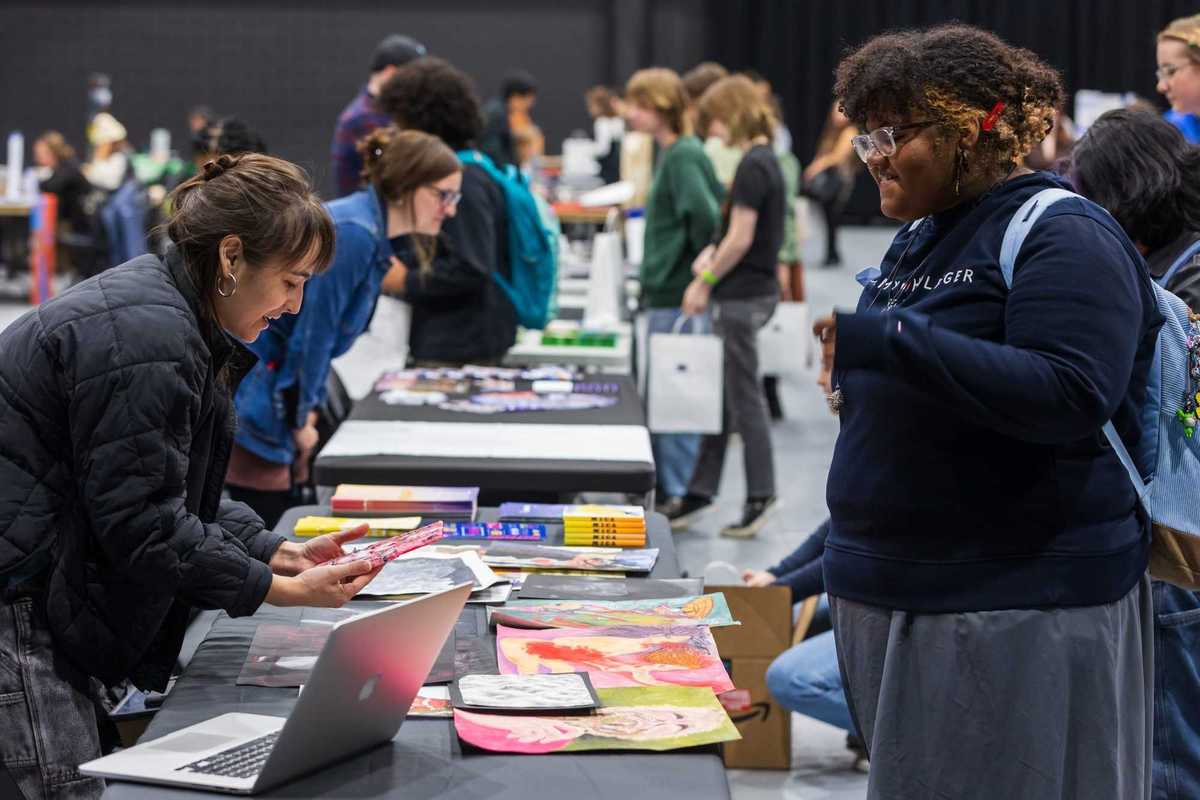
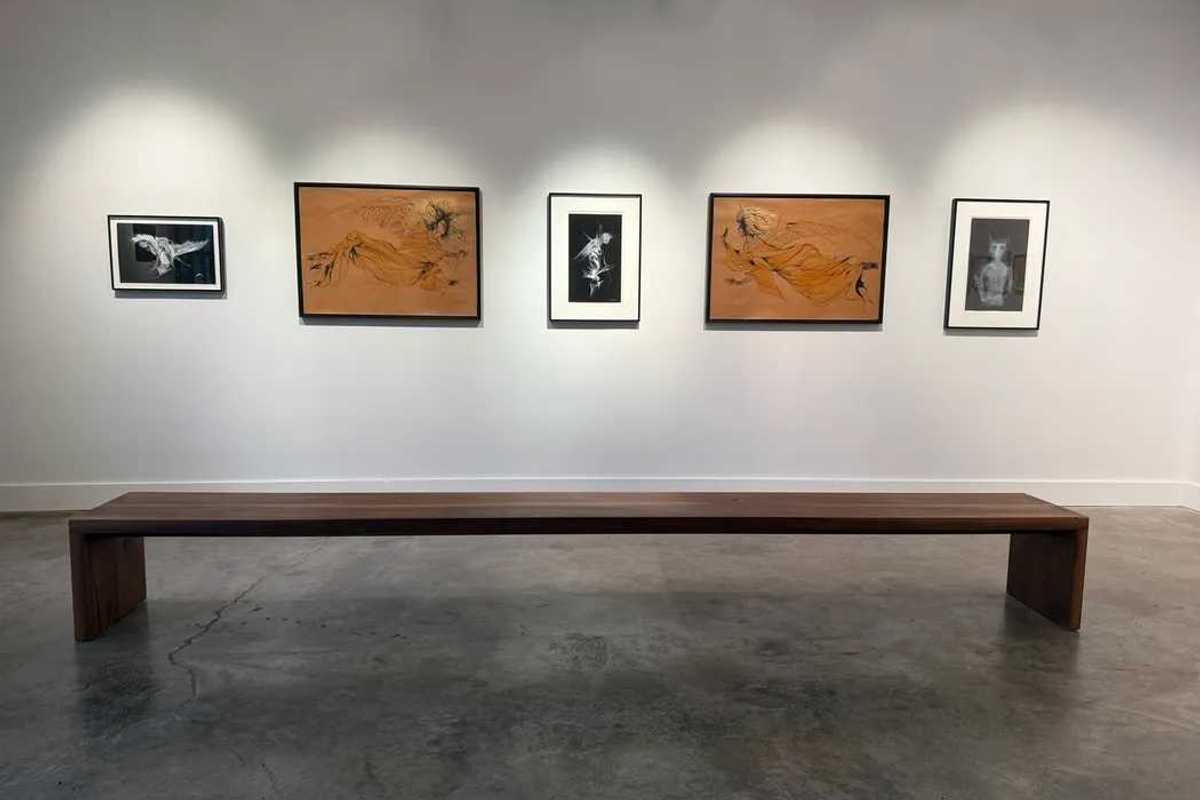
Artists welcomed visitors into their studios at the Wassaic Project's first open studio day of 2026 on Saturday, Jan. 31. Below, Tilly Strauss of North East visits Ernesto Cabral's studio where he has been a part of the art organization's January 2026 residency program.