About growing up in Carmel, New York, Troutbeck’s executive chef Vincent Gilberti said he was fortunate to have a lot of family close by, and time together was always centered around food.
His grandparents in White Plains always made sure to have a supply of cured meats, olives, cheeses and crusty bread during their weekend visits. But it wasn’t until his family moved to Charlotte, North Carolina, when he was 16 that his passion for food really began. It was there that he joined the German Club, whose partnership with Johnson & Wales University first introduced him to cooking.
During high school, Gilberti also worked at a Greek restaurant as a host, dishwasher and line cook. The appeal, he said, was the sense of camaraderie with the fellow line cooks and the friends he made that he couldn’t have met in high school. He valued what it took for all these people to come together to create a meal.
“As a kid, you don’t think about all the moving parts,” Gilberti said. “As I got older and worked in the restaurant, I had a better understanding of the total experience the restaurant provides — it’s not just the food, it’s not just the atmosphere, it’s everything coming together to create a complete experience.”
After high school, Gilberti attended the French Culinary Institution in Manhattan. He chose the accelerated program because although he got a lot out of school, he knew the real learning took place on the job. After graduating, he worked at Keith McNally’s Pulino’s for three years until leaving to be a part of the opening team at Dover in Brooklyn, where he worked his way up from line cook to sous chef.
From there, Gilberti joined his mentor, Walker Stern, at the restaurant Battersby, for what Gilberti described as the highlight of his career so far: “It was a very special moment for me to work hand in hand with Walker. In most restaurants, you don’t have that direct relationship with the chef. It greatly expanded my horizons and really helped me push the limits with my skills.”
Next was Michelin-starred Clinton Hill restaurant The Finch, where Gilberti joined chef Gabe McMackin. McMackin was also establishing himself at Troutbeck and eventually invited Gilberti to make the join him there as the chef de cuisine.
“I respected and admired Gabe and his philosophy, so I obliged and came to Troutbeck,” said Gilberti. After a brief sojourn at contemporary Italian restaurant SPQR in San Francisco, Gilberti was invited back to Troutbeck to be its executive chef.
Anna Martucci: What, besides your working relationship with chef McMackin, attracted you to Troutbeck?
Vincent Gilberti: The property is extremely special and has a deep-rooted history, and I saw the opportunity that it held. I really admired and respected the owners and their mission and goals and what they wanted to accomplish. They are very much a part of and active in the community here. Not everyone chooses to run their business trying to support the businesses around them, but that is very important to Troutbeck. I also knew it was a great opportunity to learn I had never been a chef for a hotel before and had to quickly learn the ways of navigating weddings and banquets.
AM: In what ways do you use your role as chef to connect to the Hudson Valley community?
VG: In every possible way I can, I try to work with as many local farmers, purveyors and producers as possible. I can’t say that I’m sourcing everything from the Hudson Valley, because I do have to rely on outside sources, but as much as possible, that is the goal. The other goal, which is in the Troutbeck mission statement, is zero waste. I try to use every little thing that I can out of everything we acquire.
AM: Why is connecting to the community important to you?
VG: I’m always thinking about how I can meet other individuals, like-minded or not, in this community and how I can support them in ways that are beneficial for everyone. I want to see every business in this community succeed. We can all work together to make the Hudson Valley what it is. Together we can attract people to this area to experience what we have to offer. I want to help make people realize how special this community is and reflect on the people that are here and make them feel special.
AM: What would you say your specialty is?
VG: People always ask me that, but it’s not about one specific thing for me — I have a lot to bring to the table. I will say, however, that one thing that I’m very passionate about is pasta. It was a passion created at Pulino’s and finessed at Battersby with Walker Stern — he is a savant.
Here at Troutbeck, we will sometimes have three to four different pasta dishes on the menu depending what is happening that week. We are thinking about doing a community-night dinner of pasta dishes, in a way trying to create my Sundays at grandma’s with a beautiful salad, antipasto, housemade bread, and a few pasta options. We have the reputation of being expensive, and there is a cost associated with trying to use local businesses, but I also want to be accessible to people who don’t necessarily want to spend $50 on an entree. We want it to be high quality but still affordable, because the mission of Troutbeck is to be inclusive of the community.
AM: How has the Hudson Valley farm-to-table food scene grown and changed during your lifetime?
VG: Growing up, the farm-to-table establishment wasn’t a thing. In the ‘90s, people were more concerned with quantity over quality. I’ve seen a significant shift of people being more cognizant of what they are eating. They want to know where the steelhead trout is from — is it farmed or is it wild-caught? I see that as the biggest shift, but there is a high cost in that. I see my job as making farm-to-table food be inclusive because I want people in the community to feel comfortable coming here and enjoying what we have to offer.
AM: What would you like to see more of in the agricultural community in this area?
VG: We already have an establishment of great local farms — I’d love to see more of them so we can continue to support the community. I have this opportunity to work with all these people who are just as excited about food as I am. Continuing to build relationships with local farms and the community and sharing it with the guests that come through the door — that is what I am most excited about.
AM: What do you love most about this area?
VG: I really like being away from the hustle and bustle of the city. It’s nice to be surrounded by nature, it’s nice to be able to go out on hikes. In my personal time, I love to forage and try to make something out of things I find that people wouldn’t normally eat. Come May, you will find morels and ramps all over the Troutbeck property. And I like to cook for my friends.
AM: What do you most appreciate about working at Troutbeck?
VG: The people. It takes an army to do what we are doing here. And I think, across the board in every department we have, everyone has a mutual respect for one another. At any given moment I can call on someone and they will be there for me. It has become a second family for me. I feel special to work with a group of individuals who support one another and have each other’s backs. This article is about Troutbeck and Vinny, but it is so much more than that. I couldn’t do this without the people in the kitchen who support me. There are so many people that it takes to make this happen for everyone and I really just admire them all and I can’t thank them enough. I’m grateful to have every single person on this property.
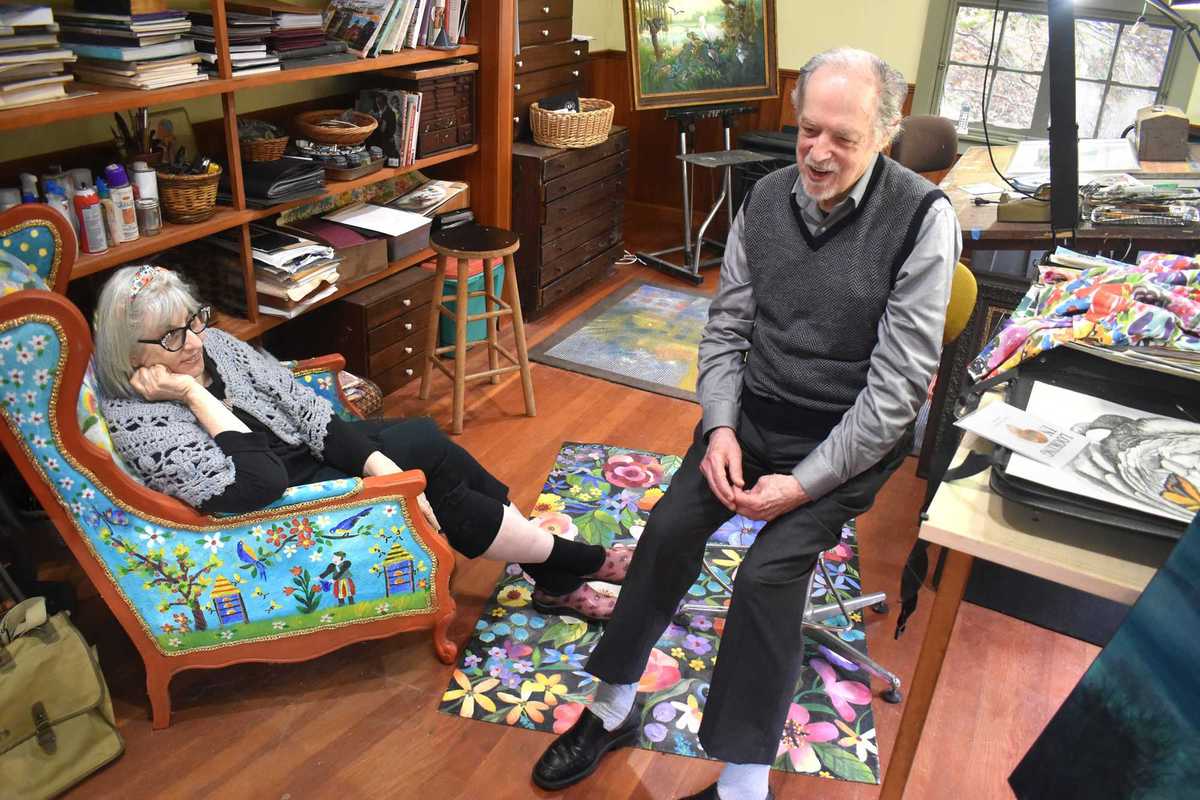
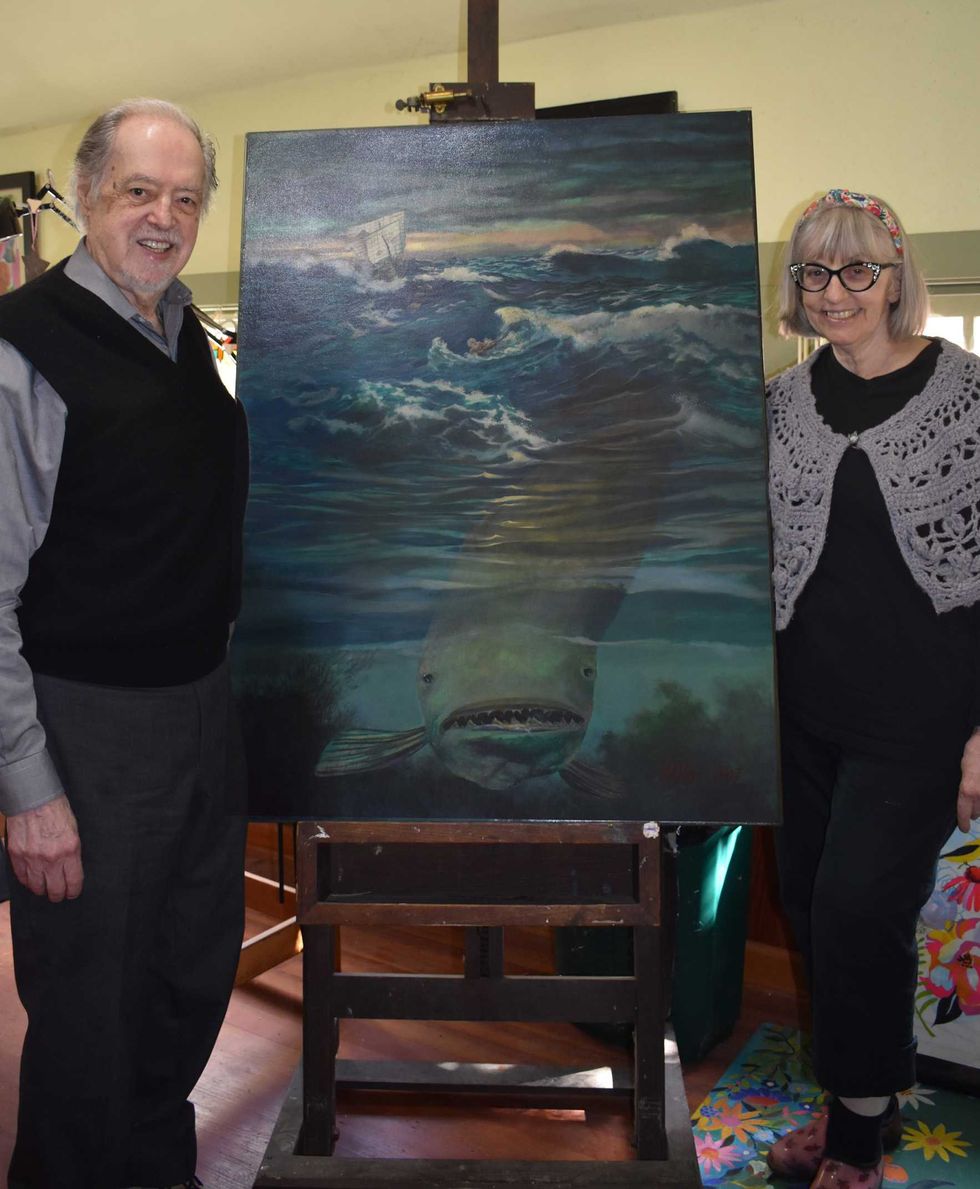 Justine and Victor Valla in their studio with a painting of Victor’s,”Jonah and the Whale.” Robin Roraback

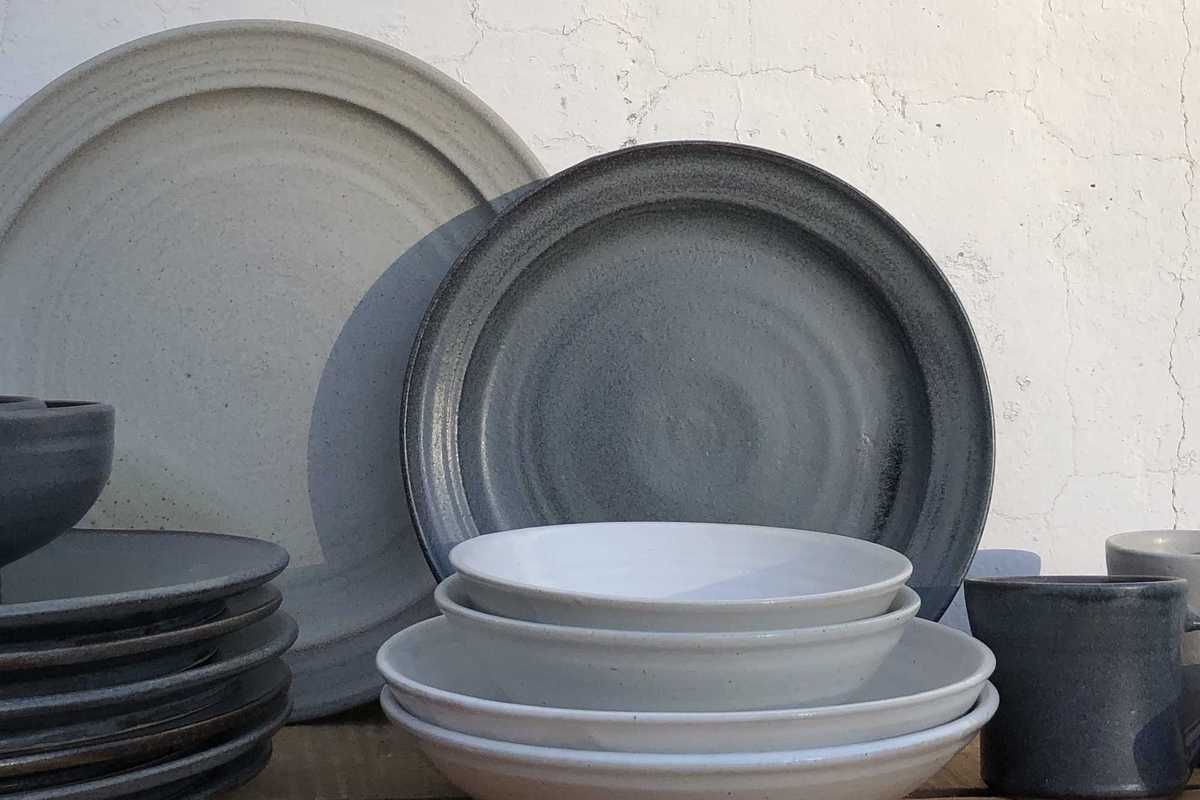
 A ceramic vase by Kathleen Heidemann.Provided
 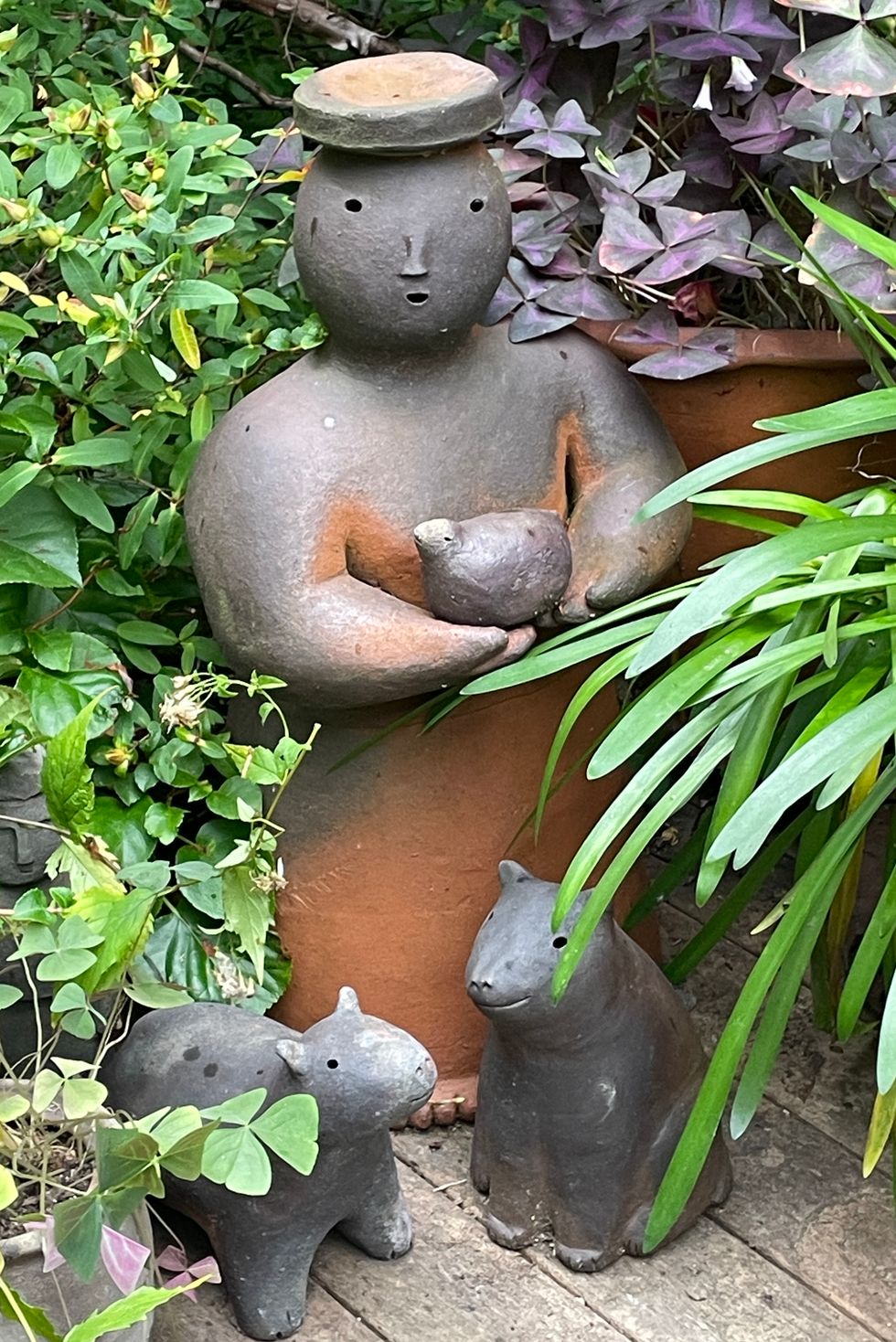 Joy Brown’s delightful ceramic sculptures.Provided