KENT — Saturday seemed an opportune time to talk about solar power as residents were facing bone-chilling temperatures and the threat of a foot or more snow.
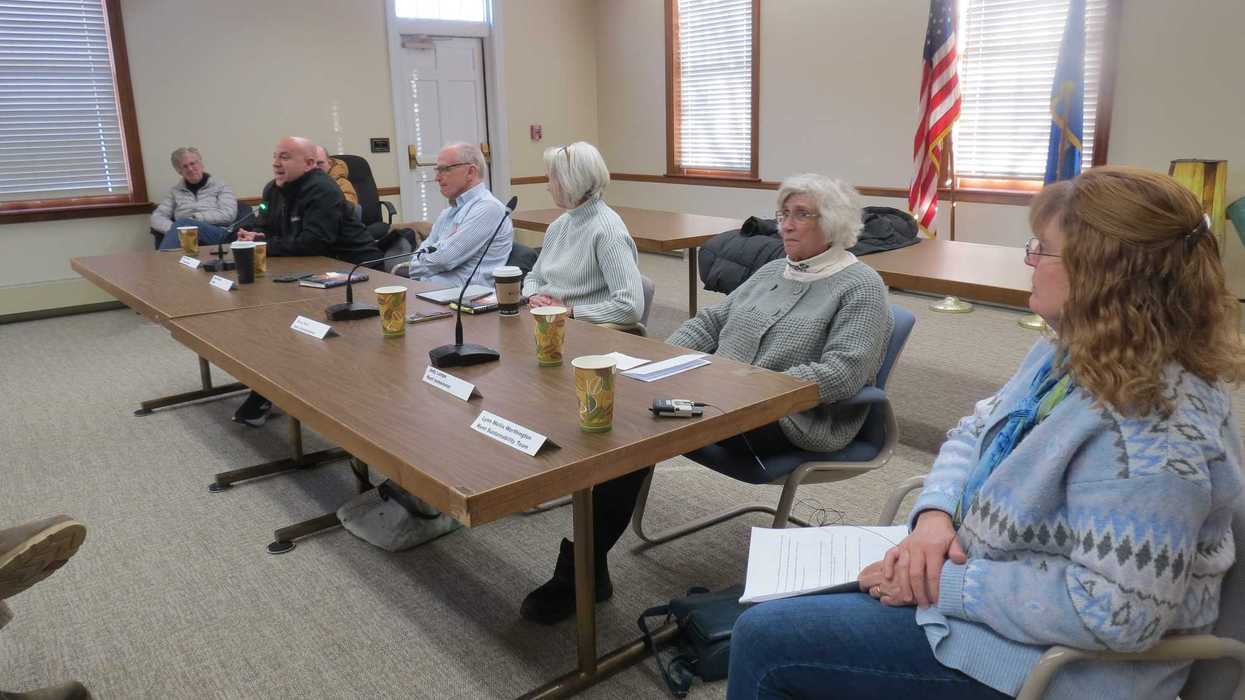
The Kent Sustainability Team and Kent Memorial Library teamed up to present a program at Town Hall titled “Here Comes the Sun.”
The event began with a video podcast of Bill McKibben, founder of the climate justice organization 350.org and Third Act, and Chris Hayes of MS NOW discussing McKibben’s new book, “Here Comes the Sun: A Last Chance for the Climate and a Fresh Chance for Civilization,” which was published in August 2025.
In the book, McKibben examines the accelerating impacts of climate change and argues that solar and wind power offer a viable path forward.
He described how the sun — nearly 93 million miles from Earth — has long sustained life through light, heat and photosynthesis, and is now increasingly central to global energy production.
McKibben cited rapid advances in renewable energy in developing nations, while criticizing resistance to clean energy in the United States under President Donald Trump.
He said President Joe Biden made strides to help the U.S. catch up to China, but emphasized that meaningful progress will continue to depend on action at the state and municipal levels.
“Renewal energy is less of a commodity than human brain power,” McKibben said. “We can have a resource for everyone in the world.”
Despite progress, McKibben warned that climate change is accelerating and that continued reliance on fossil fuels carries dire health consequences, estimating that air pollution from those fuels contributes to roughly nine million deaths globally each year. He said the transition to solar and wind must happen quickly to avert worsening outcomes.
McKibben said he titled his book “Here Comes the Sun,” drawn from George Harrison’s song, “for the deep and gentle optimism it embodies. The subject is not just about something progressive and economical, but something beautiful.”
A panel discussion followed, moderated by Lynn Mellis Worthington, chair of the Kent Sustainability Team. Panelists included Bill Colonis, associate director of homeowner engagement at the Connecticut Green Bank; Maria Horn, D-64; Mark Scully, president of People’s Action for Clean Energy; and Jody Lampe, a Kent resident who recently installed solar panels.
Worthington opened the panel by sharing data from Kent’s latest energy profile compiled by PACE. According to the report, Kent residents spend about $15.9 million annually on energy — roughly $5,245 per person. The town has 128 solar installations producing 8.21% of its electricity, 170 heat pumps serving 12.12% of buildings, and 103 electric vehicles, accounting for 3.92% of all vehicles. Greenhouse gas emissions total approximately 32 tons annually, or 10.4 tons per person.
Panelists were asked to reflect on McKibben’s remarks. Colonis said he was struck by McKibben’s optimism and his call for residents to educate themselves.
Scully described the presentation as “profound,” noting how energy systems shape social and economic structures.
Horn said she was reminded how quickly change is possible, adding that Connecticut’s high electricity costs “don’t have to be.”
Lampe said she found inspiration from how many countries are doing more than the United States when it comes to energy renewal programs.
The discussion also touched on the phase-out of incentives for residential solar installations, lingering municipal barriers, and challenges related to taxing solar systems, even as commercial incentives remain in place.
Lampe shared that she was fortunate to receive her solar panels at no cost.
Colonis told the audience that if solar doesn’t work on their property, there are other options to help reduce energy consumption, such as availing themselves of energy audits and use of insulation. He also said there may be loans available for some programs.
Worthington said the Kent Sustainability Team plans to hold additional public programs in the coming months focused on energy and sustainability issues.





 Tiffany Lemelin, shelter manager, brushing Marsala upon arrival.Provided
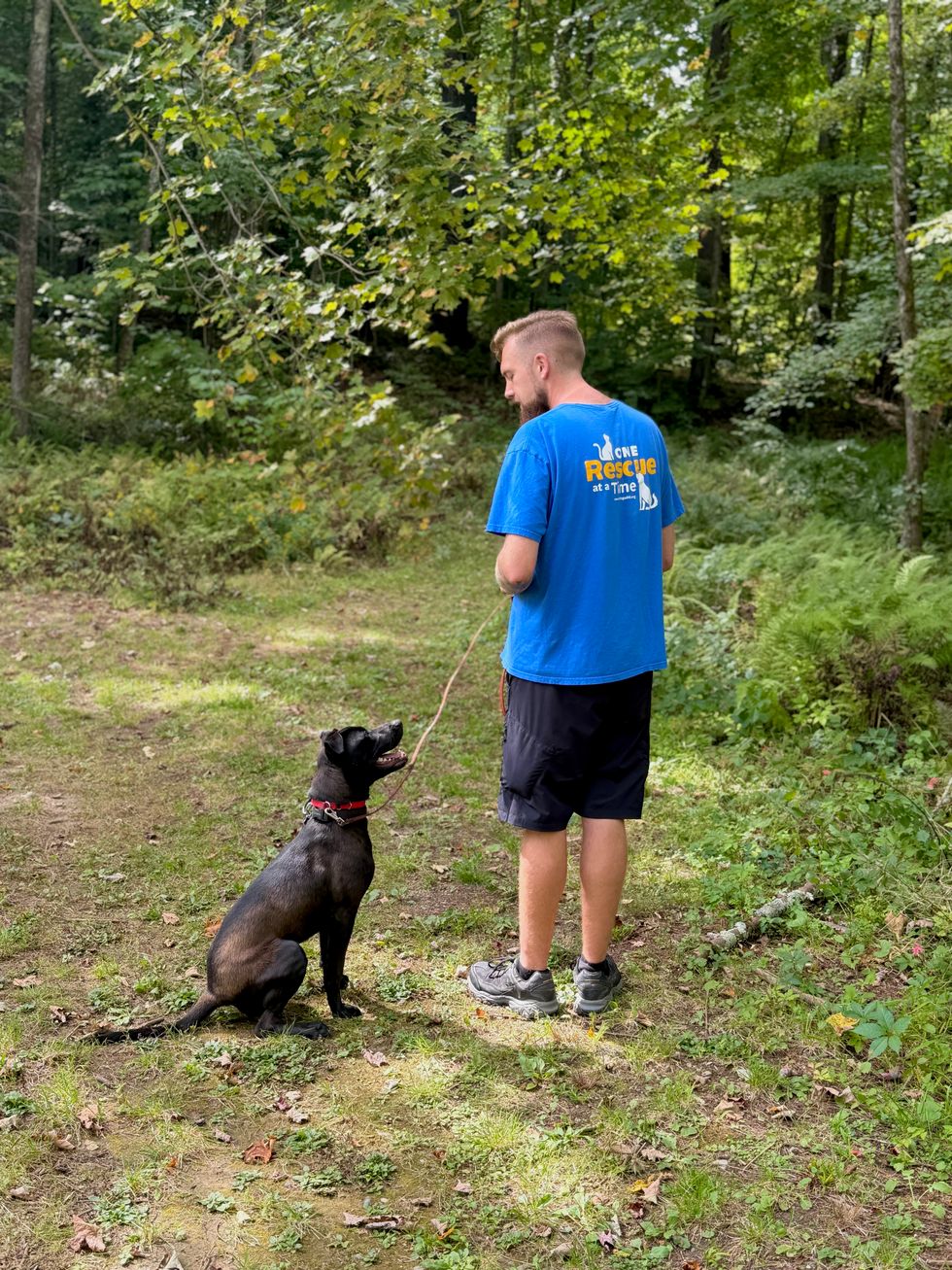 Michael DeBarba, certified dog trainer working with Marsala.Jennifer Almquist
 Marsala wins a heart.Jennifer Almquist

 Sadie, center, a Carolina dog, plays with her friend Negra, a terrier mix. Bella Linda, the small poodle, has since been adopted.L. Tomaino
 Wesley, a young, exuberant mix, is looking for an active home.L. Tomaino
 Bonnie and Clyde, an affectionate terrier pair.L. Tomaino

 Provided