We could learn from Scandinavia

Many years ago I spent a summer working in Copenhagen. Something I noticed right away told me I was not in the United States: when Danes walking down the sidewalk come to a traffic light that is red, they stop and wait until it changes to green — even if there are no cars in sight. Such an orderly, law - abiding people, I thought. 

We Americans discouraged about the general state of affairs in the United States today might well learn more about the Scandinavian countries. 

Traditionally, Scandinavia was considered the three nations of Denmark, Sweden, and Norway. A more modern definition includes Finland, Iceland and the several semi - autonomous island states including Greenland, Aland, and the Faroe Islands. This conglomerate is often referred to as “The Nordic Countries.” The largest, Sweden, has 10 million people, the smallest, Iceland, about 370,000. 

More egalitarian than Americans, Scandinavians share strong social welfare systems that care for everyone. Taxes are high but, in the opinion of most of their citizens, this is money well spent. The result: societies more united and content than that of the United States. 

According to the annual UN World Happiness Report, the happiest countries are Finland, Denmark, Norway and Iceland in that order with Sweden in eighth place (the United States was 15th). In the annual rankings of the least corrupt nations, the Scandinavian countries ranked 1, 2, 3, 4, and 7 out of 179 (the U.S. was 23rd). Business Insider Magazine’s ranking for the safest countries placed all the Nordic Countries in the top 20, with the United States ranked 128. In assessing gender equality, the World Economic Forum rated Iceland, Norway, Sweden and Finland the top four countries, with the United States 53rd. And in life expectancy, Norway and Sweden ranked third and seventh in the world, while the USA was 42nd, with the average Norwegian man living more than five years longer than his American counterpart. 

Former President Trump tried to portray the Nordic countries as indolent and socialist, unfairly likening them to various centrally planned dictatorships. Although they are welfare states, all the Scandinavian countries are parliamentary democracies with robust capitalist economies. Economically, Yahoo Finance currently rates the five Nordic countries as among the world’s 14 richest nations.  Others wanting to portray Scandinavia in a negative light have tried to link these nations with suicide; but for decades, suicide rates in the Nordic Countries have actually been slightly lower than that in the United States. 

In the last decade, immigration, especially from the Middle East, has become a growing problem for Scandinavia and most of Western Europe. In 2015, the Nordic Countries took in nearly 235,000 refugees with 160,000 of them going to Sweden and, since 2000, the share of the Swedish population that is foreign born has grown from 11% to 19%. In the Nordic Countries, refugees are treated well with the governments making concerted efforts to integrate newcomers into their societies. In 2019, the United States, with a population 13 times that of Scandinavia, admitted fewer than 23,000 refugees. Sadly, the U.S. government’s treatment of refugees attempting to enter the U.S. in recent years under the Trump administration has been cruel and unconscionable at best. There is some reason to hope that under the Biden administration, immigration change will be meaningful.

Denmark is a world leader in alternative energy production and development, particularly wind power, and in phasing out fossil fuel use. While American cities are struggling to introduce bicycle lanes to reduce congestion and pollution, more than half of all commuters in Copenhagen go to work by bike.  

Half the size of an American house, the typical new Scandinavian home is only about 1,200 sq. ft., but is surprisingly well-built and designed with maximum functionality. Modern Scandinavian furniture is famous all over the world for its design and craftsmanship. Visitors to any of the Nordic Countries often note how well historic preservation has been coupled with high quality contemporary architecture, a happy blend of past and present.   

To most foreigners, Scandinavians seem like one people. All five countries share the same design for their national flag, the Nordic Cross, but each nation’s flag shows a different arrangement of colors.

After Germany re-united in the 1990s, the Capitol relocated from Bonn to Berlin, setting off a wave of new embassy construction. In a move that probably no other countries would have even considered much less managed, the five Scandinavian nations decided to pool their new individual embassies to create a larger complex now known as the Pan Nordic Building. 

On a small, oddly shaped site in downtown Berlin sit five interlocked, architecturally well-integrated embassies, designed by six different architects, together with a communal building, all surrounding a common courtyard. To a visitor, the Pan Nordic Building is six structures and one at the same time, an appropriate expression of Scandinavia today, individualistic yet cooperative. 


Although of Scottish heritage, Lakeville architect and landscape designer Mac Gordon  considers himself at least partly Scandinavian, since much of Scotland was conquered and settled a millennium ago by Viking invaders.

The views expressed here are not necessarily those of The Lakeville Journal and The Journal does not support or oppose candidates for public office.

Latest News

Living art takes center stage in the Berkshires

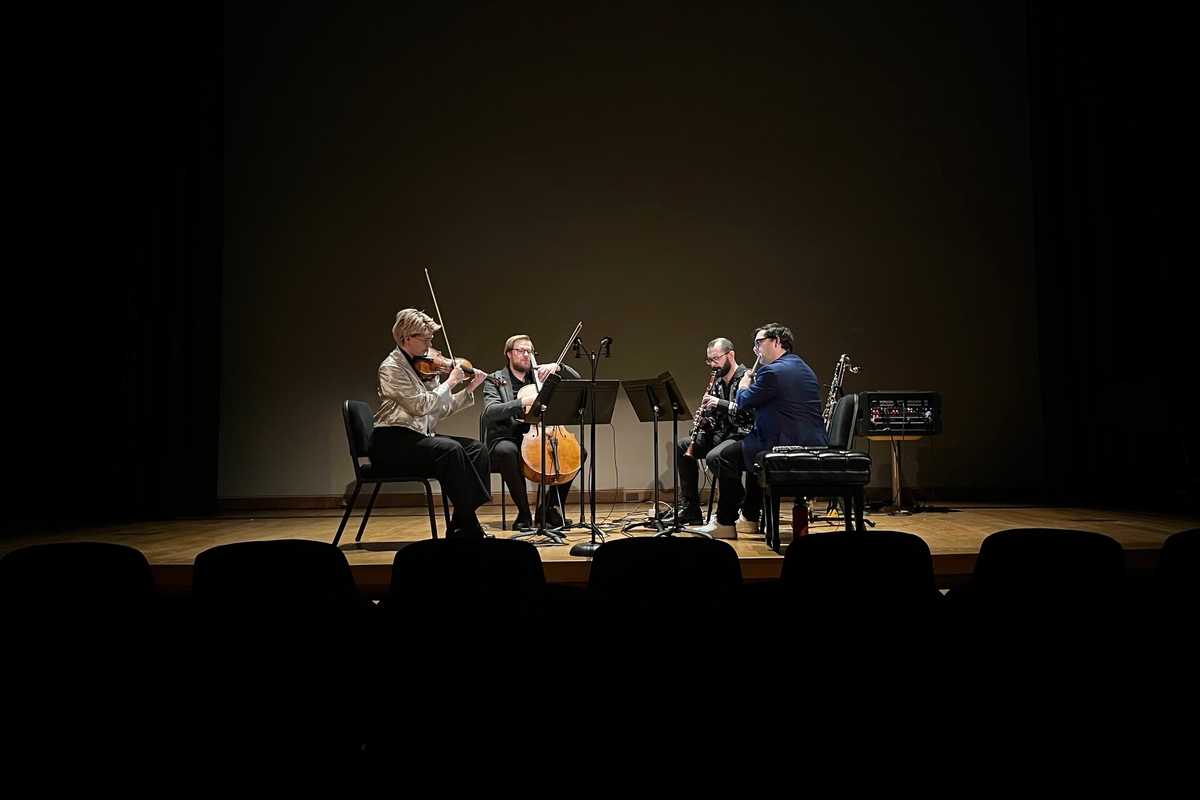
Contemporary chamber musicians, HUB, performing at The Clark.

D.H. Callahan

Northwestern Massachusetts may sometimes feel remote, but last weekend it felt like the center of the contemporary art world.

Within 15 miles of each other, MASS MoCA in North Adams and the Clark Art Institute in Williamstown showcased not only their renowned historic collections, but an impressive range of living artists pushing boundaries in technology, identity and sound.

Keep ReadingShow less
Persistently amplifying women’s voices

Francesca Donner, founder and editor of The Persistent. Subscribe at thepersistent.com.

Aly Morrissey

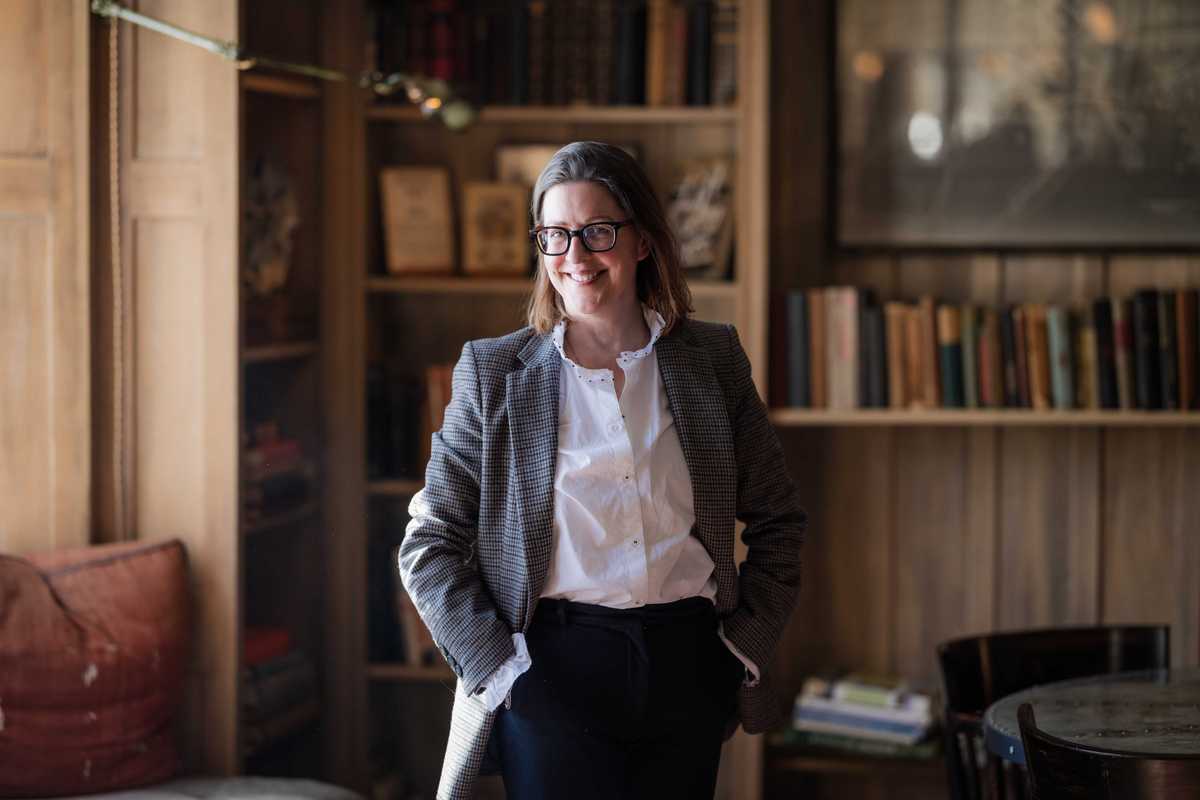
Francesca Donner pours a cup of tea in the cozy library of Troutbeck’s Manor House in Amenia, likely a habit she picked up during her formative years in the United Kingdom. Flanked by old books and a roaring fire, Donner feels at home in the quiet room, where she spends much of her time working as founder, editor and CEO of The Persistent, a journalism platform created to amplify women’s voices.

Although her parents are American and she spent her earliest years in New York City and Litchfield County — even attending Washington Montessori School as a preschooler — Donner moved to England at around five years old and completed most of her education there. Her accent still bears the imprint of what she describes as a traditional English schooling.

Keep ReadingShow less
Jarrett Porter on the enduring power of Schubert’s ‘Winterreise’
Baritone Jarrett Porter to perform Schubert’s “Winterreise”
Tim Gersten

On March 7, Berkshire Opera Festival will bring “Winterreise” to Studio E at Tanglewood’s Linde Center for Music and Learning, with baritone Jarrett Porter and BOF Artistic Director and pianist Brian Garman performing Franz Schubert’s haunting 24-song setting of poems by Wilhelm Müller.

A rejected lover. A frozen landscape. A mind unraveling in real time. Nearly 200 years after its premiere, “Winterreise” remains unnervingly current in its psychological portrait of isolation, heartbreak and existential drift.

Keep ReadingShow less
google preferred source

Want more of our stories on Google? Click here to make us a Preferred Source.
A grand finale for Crescendo’s 22nd season

Christine Gevert, artistic director, brings together international and local musicians for a season of rare works.

Stephen Potter

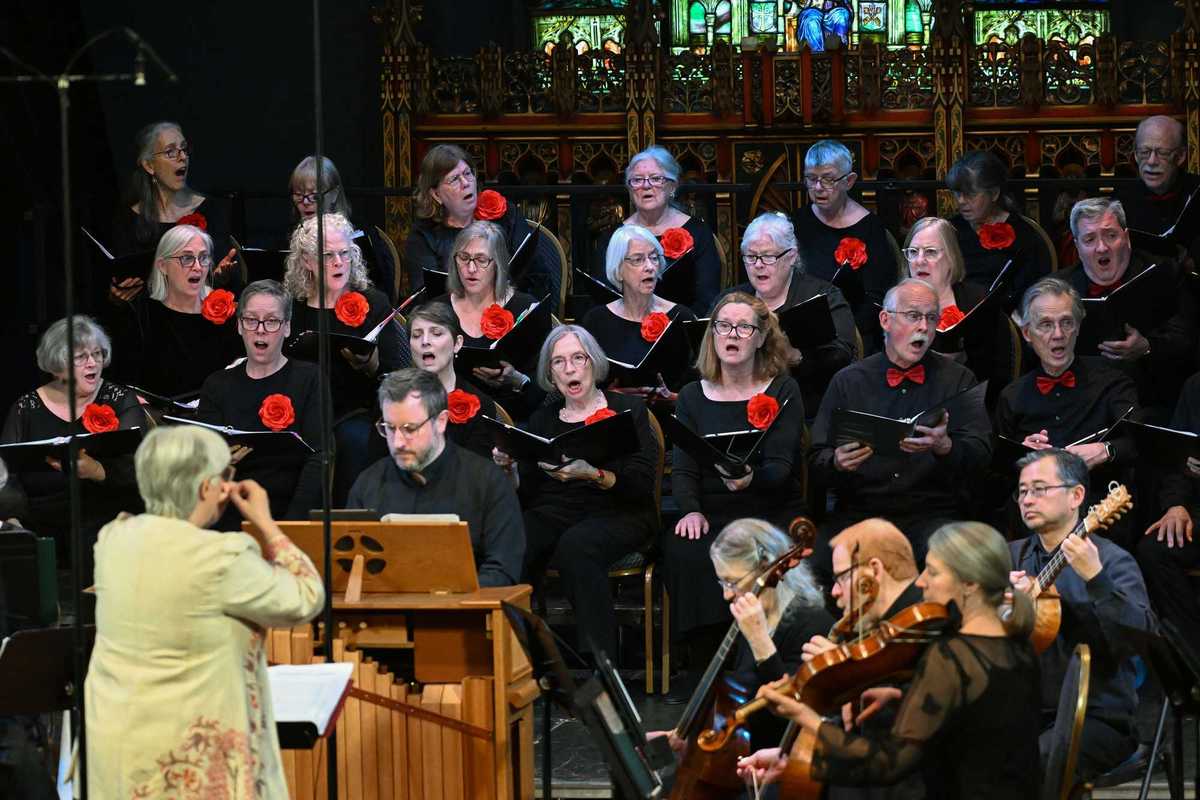
Crescendo, the Lakeville-based nonprofit specializing in early and rarely performed classical music, will close its 22nd season with a slate of spring concerts featuring international performers, local musicians and works by pioneering composers from the Baroque era to the 20th century.

Christine Gevert, the organization’s artistic director, has gathered international vocal and instrumental talent, blending it with local voices to provide Berkshire audiences with rare musical treats.

Keep ReadingShow less

Leopold Week honors land and legacy

Leopold Week honors land and legacy

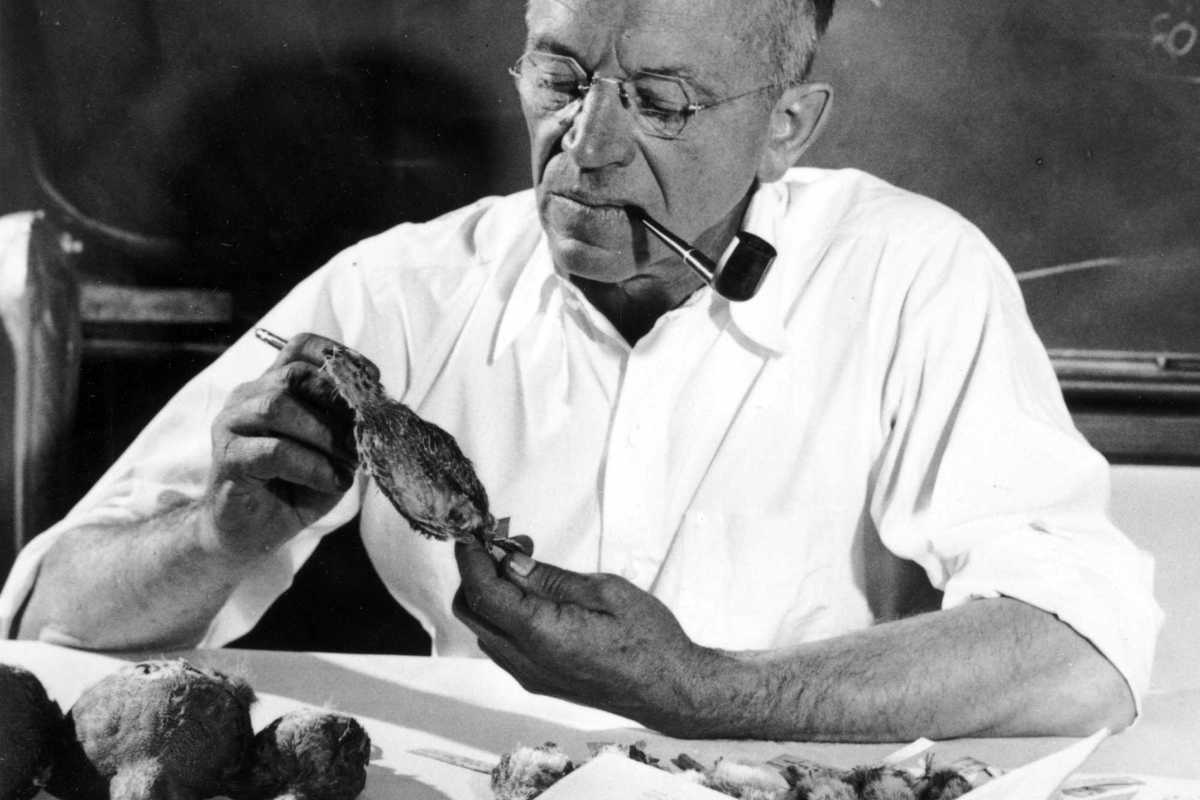
Aldo Leopold in 1942, seated at his desk examining a gray partridge specimen.

Robert C. Oetking

In his 1949 seminal work, “A Sand County Almanac,” Aldo Leopold, regarded by many conservationists as the father of wildlife ecology and modern conservation, wrote, “There are some who can live without wild things and some who cannot.” Leopold was a forester, philosopher, conservationist, educator, writer and outdoor enthusiast.

Originally published by Oxford University Press, “A Sand County Almanac” has sold 2 million copies and been translated into 15 languages. On Sunday, March 8, from 3 to 5 p.m. in the Great Hall of the Norfolk Library, the public is invited to a community reading of selections from the book followed by a moderated discussion with Steve Dunsky, director of “Green Fire,” an Emmy Award-winning documentary film exploring the origins of Leopold’s “land ethic.” Similar reading events take place each year across the country during “Leopold Week” in early March. Planning for this Litchfield County reading began when the Norfolk Library received a grant from the Aldo Leopold Foundation, which provided copies of “A Sand County Almanac” to distribute during the event.

Keep ReadingShow less

Erica Child Prud’homme

Erica Child Prud’homme

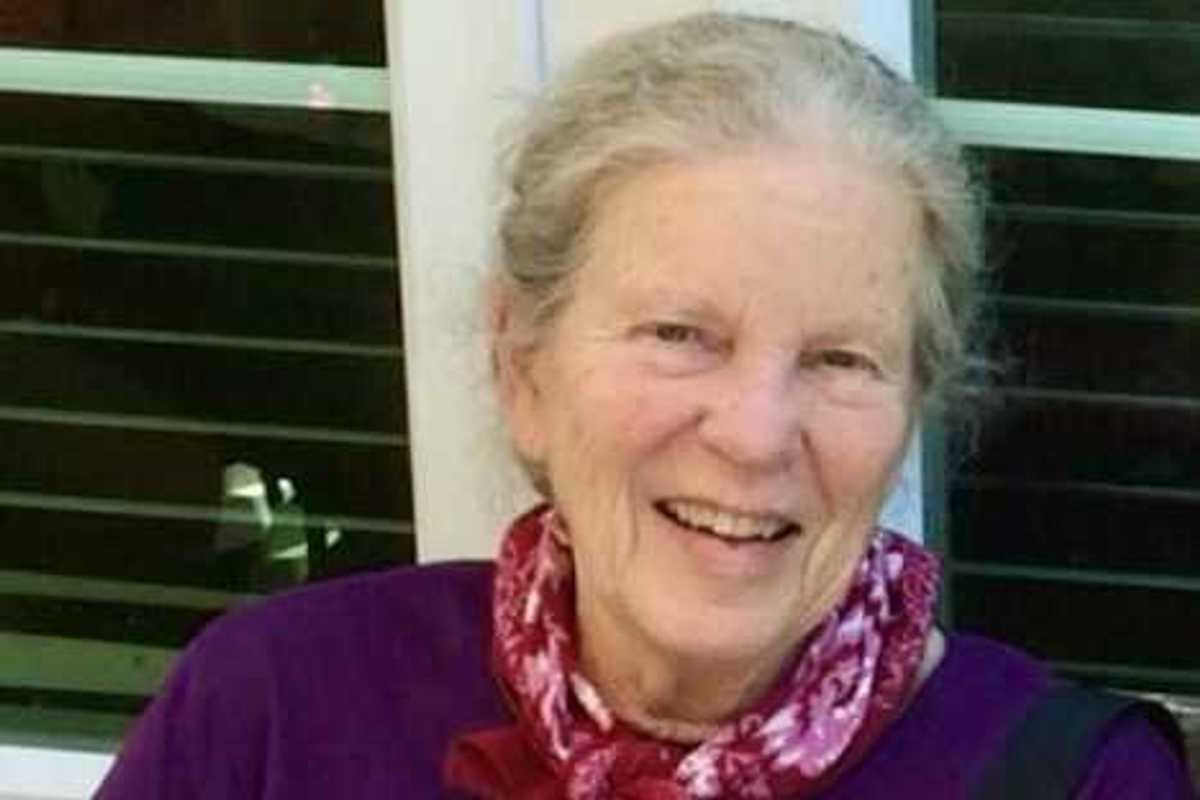
WEST CORNWALL — Erica Child Prud’homme died peacefully in her sleep on Jan. 9, 2026, at home in West Cornwall, Connecticut, at 93.

Erica was born on April 27, 1932, in Doylestown, Pennsylvania, the eldest of three children of Charles and Fredericka Child. With her siblings Rachel and Jonathan, Erica was raised in Lumberville, a town in the creative enclave of Bucks County where she began to sketch and paint as a child.

Keep ReadingShow less
google preferred source

Want more of our stories on Google? Click here to make us a Preferred Source.
google preferred source

Want more of our stories on Google? Click here to make us a Preferred Source.